







How to choose the right hire for your job
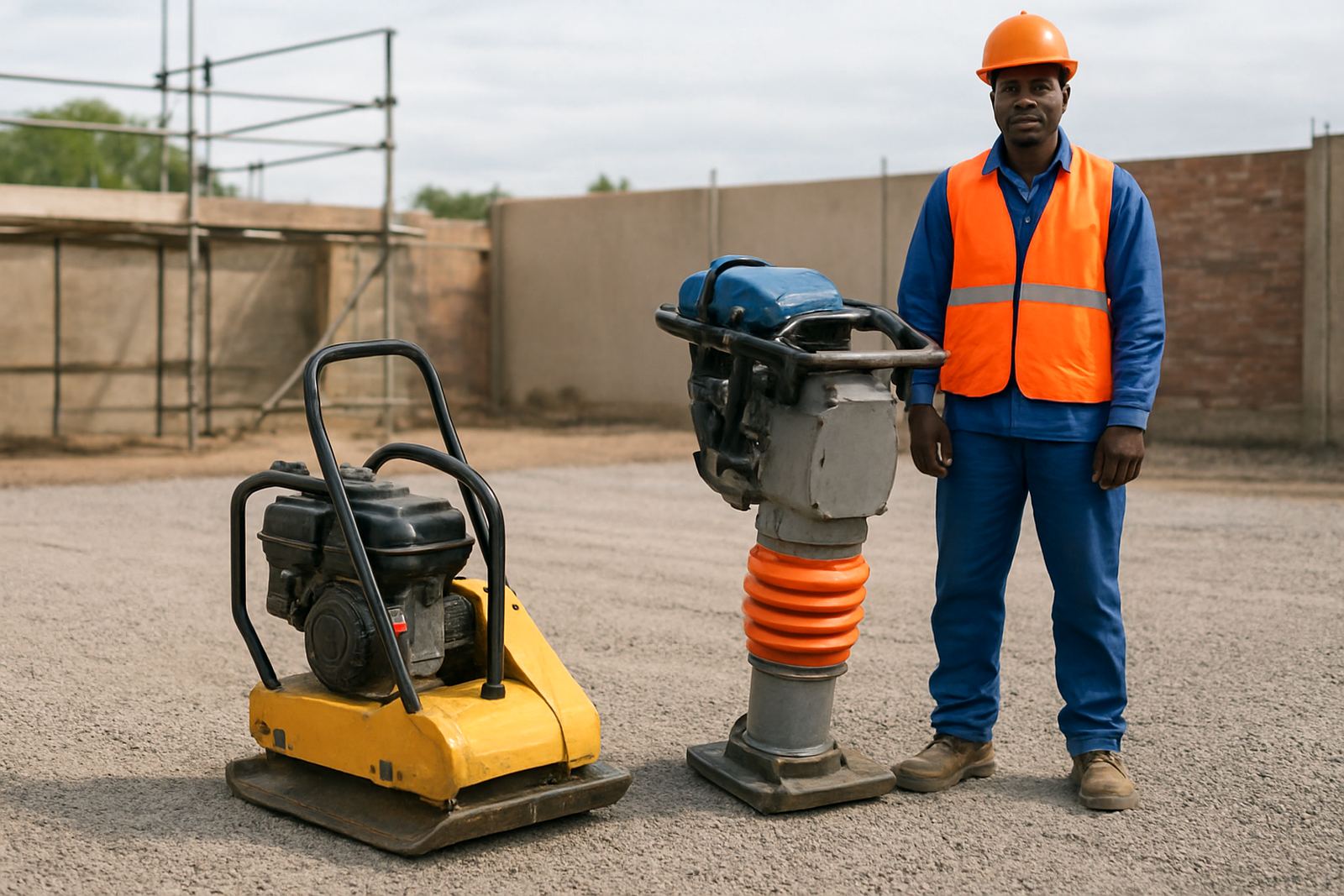
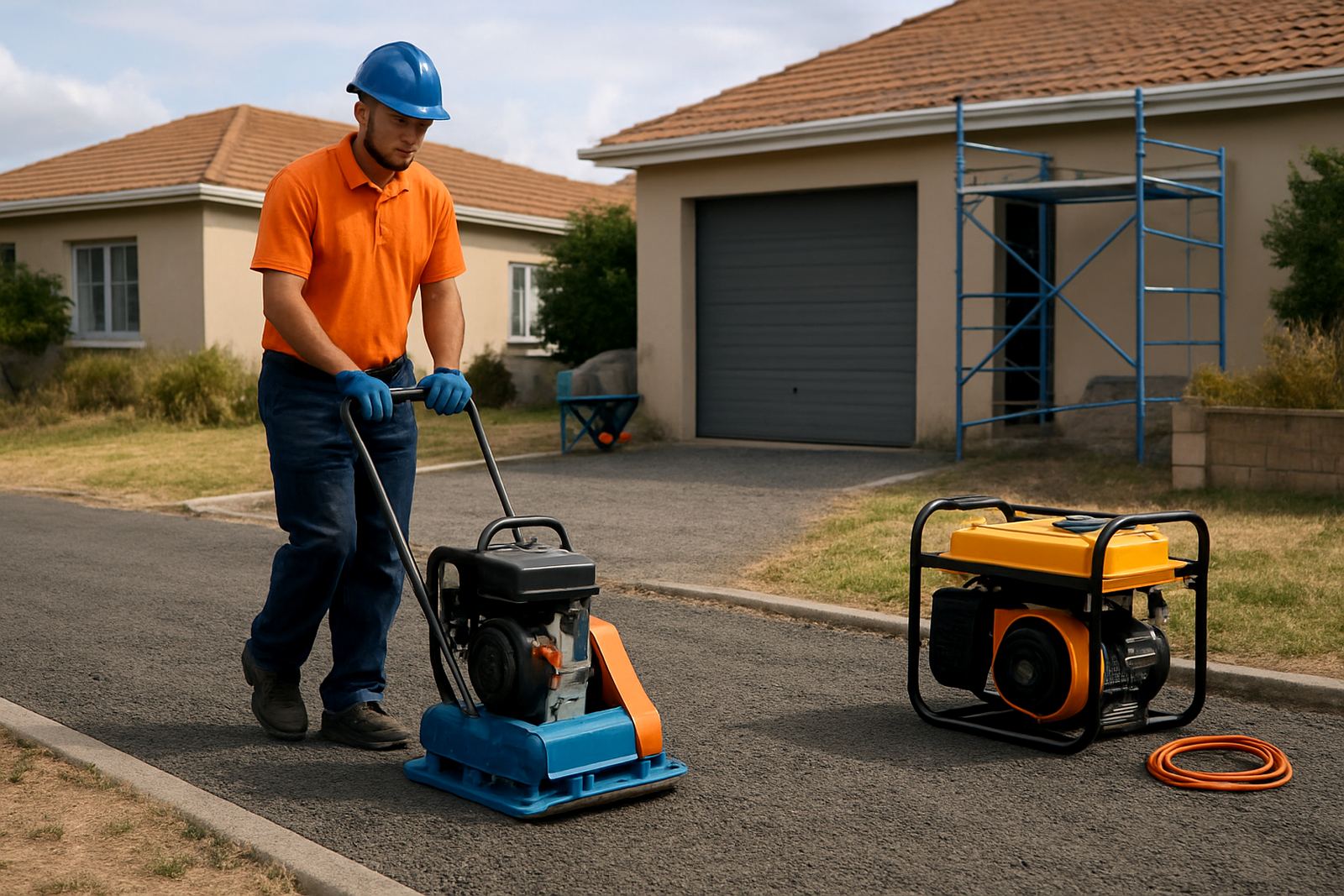
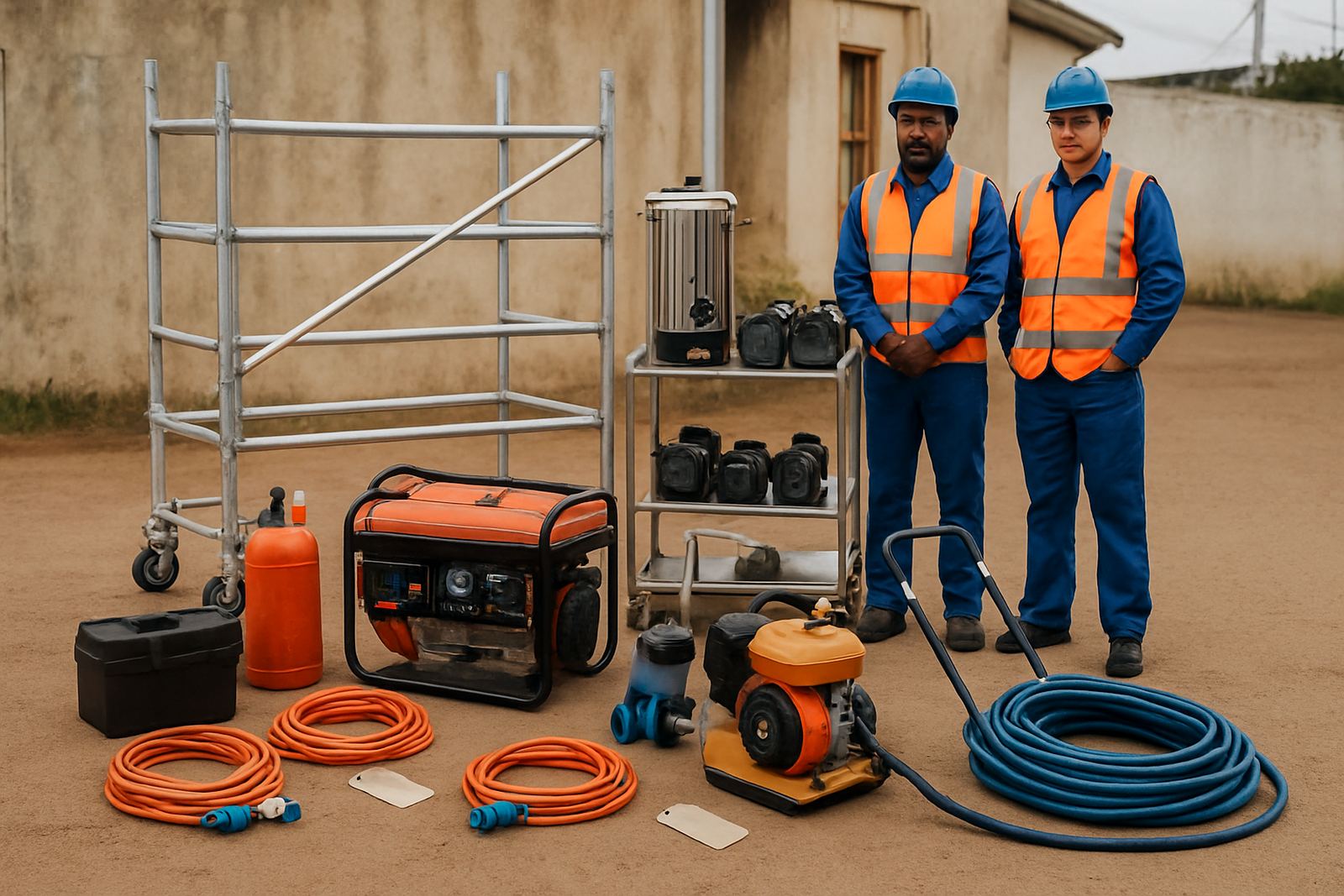
Start with the job, not the machine. A small home repair in Gonubie does not need the same kit as a site in Qonce or a weekend function near Kidds Beach. If you are lifting materials, think scaffold planning and access. If you are dealing with wet ground, look at pumps and the length of hose you will need. For compaction, match the plate size to the area and the depth of the layer. For event work, allow for layout, power and weather cover before you book.
We help customers compare options every day, and it often comes down to access, run time and how many people will use the equipment. If you are not sure, send the site address, job size and timing. That lets us guide you quicker and it saves a wrong hire that costs money later.
- Small residential jobs: lighter machines, shorter hire periods
- Builder work: allow extra time for delivery, setup and collection
- Events: include power needs, layout space and guest count
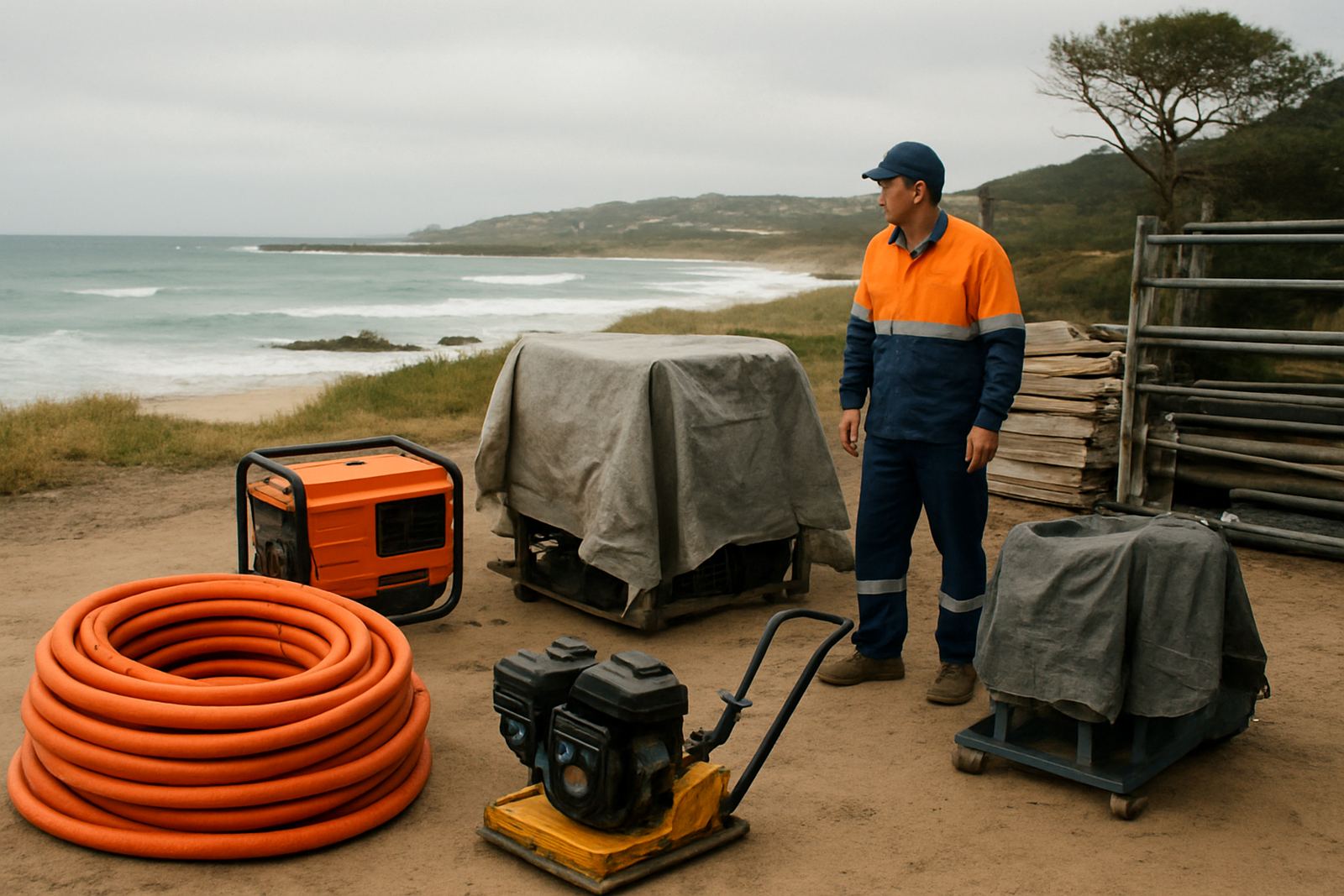
- Coastal jobs: factor in wind, moisture and salt exposure
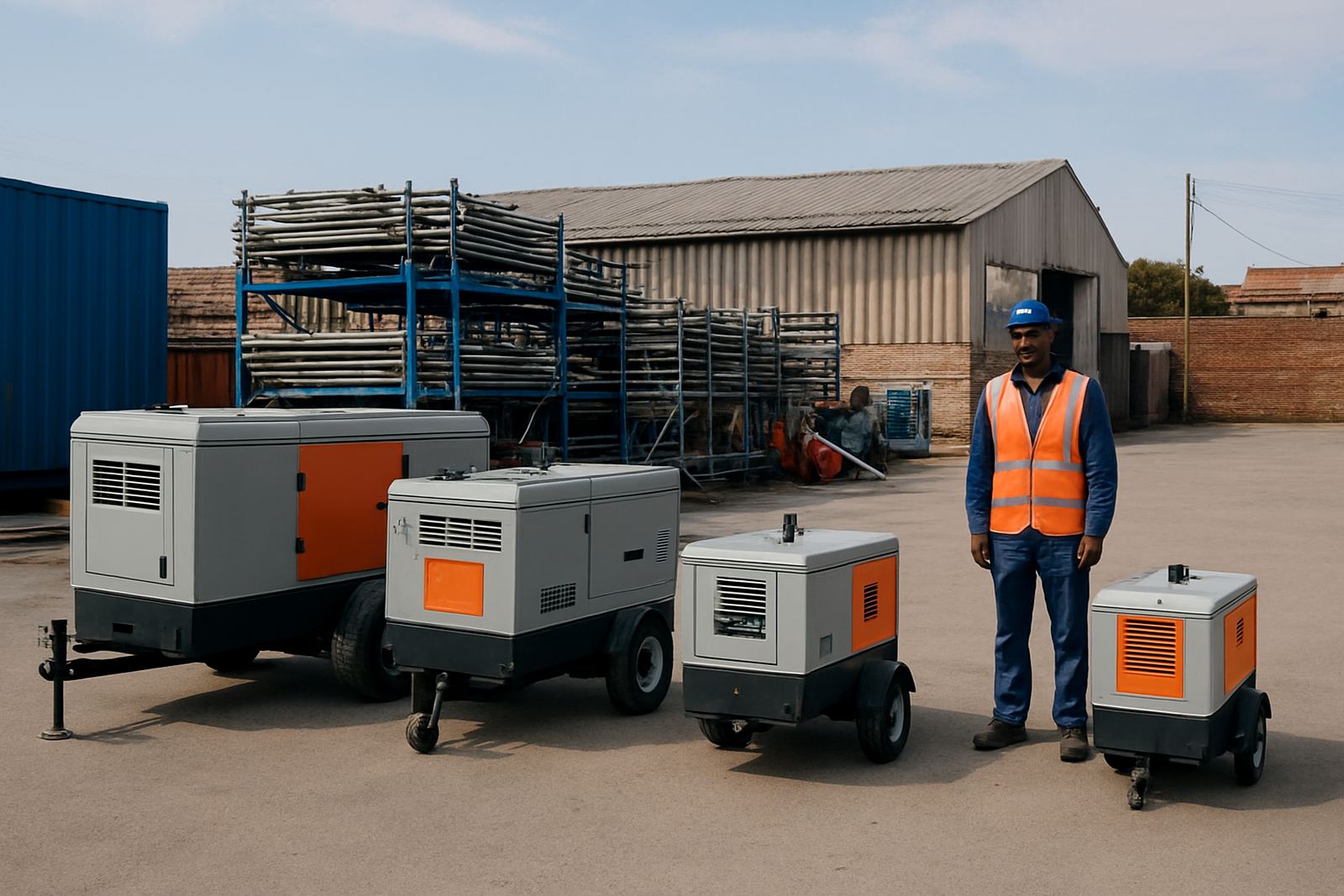
Generators and power for load-shedding and site work
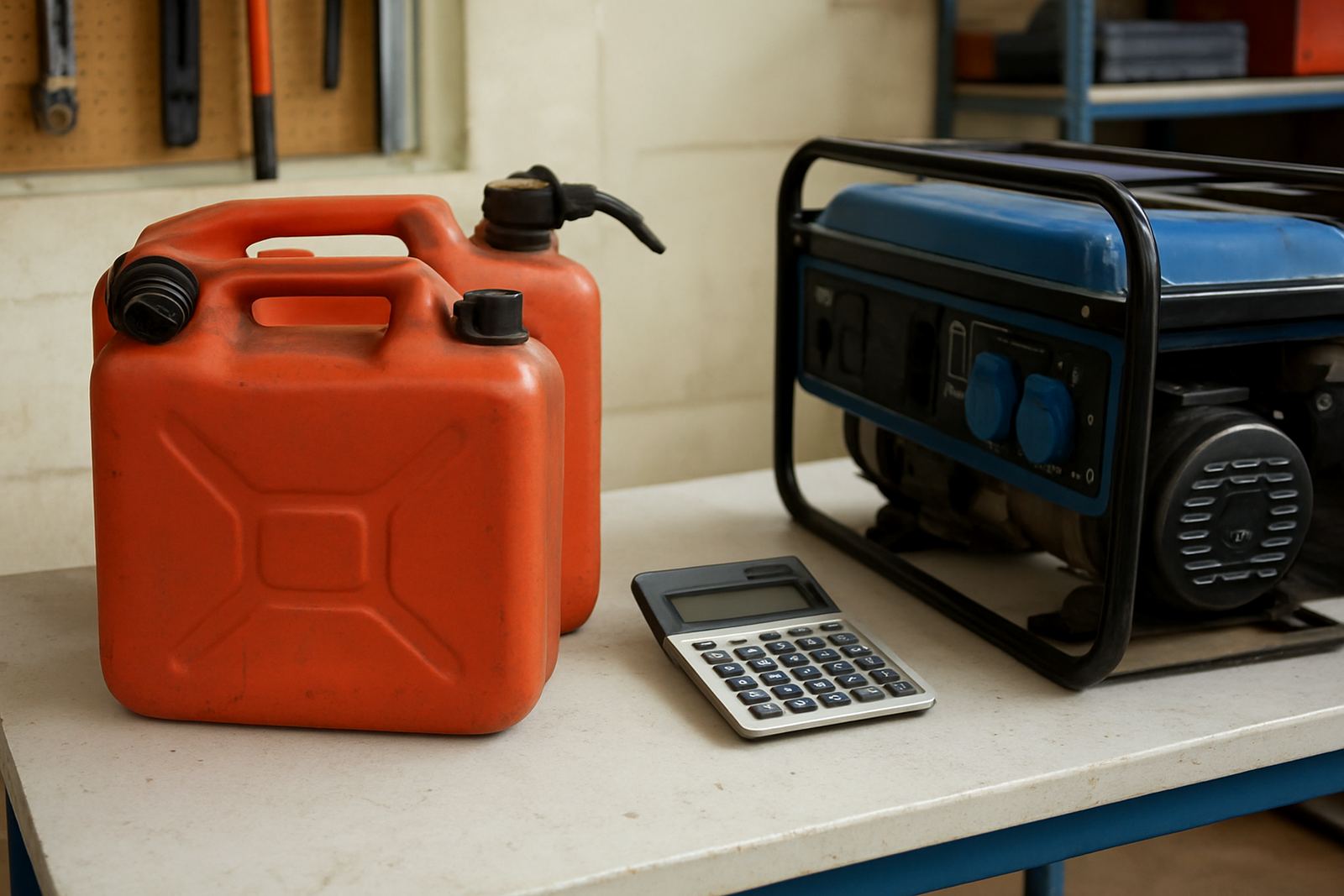
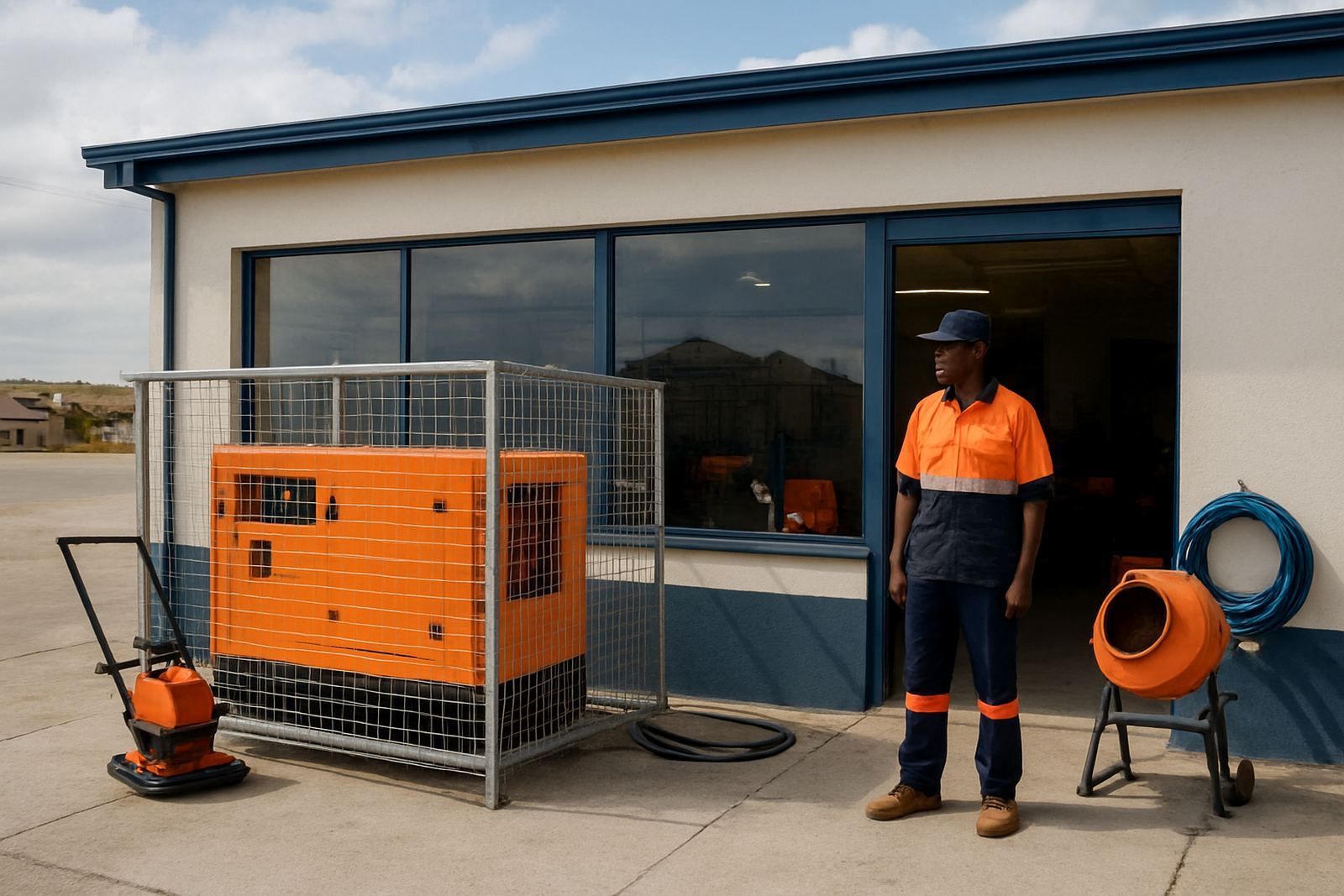
Power cuts, tools on site and temporary event supply all need proper planning. A generator should be sized to the actual load, not a guess. If you are running lights, a pump, hand tools or bar fridges, list each item and its start-up load. That helps us recommend the right unit and cabling. For longer jobs, fuel management matters too, especially when the load-shedding schedule changes without much notice.
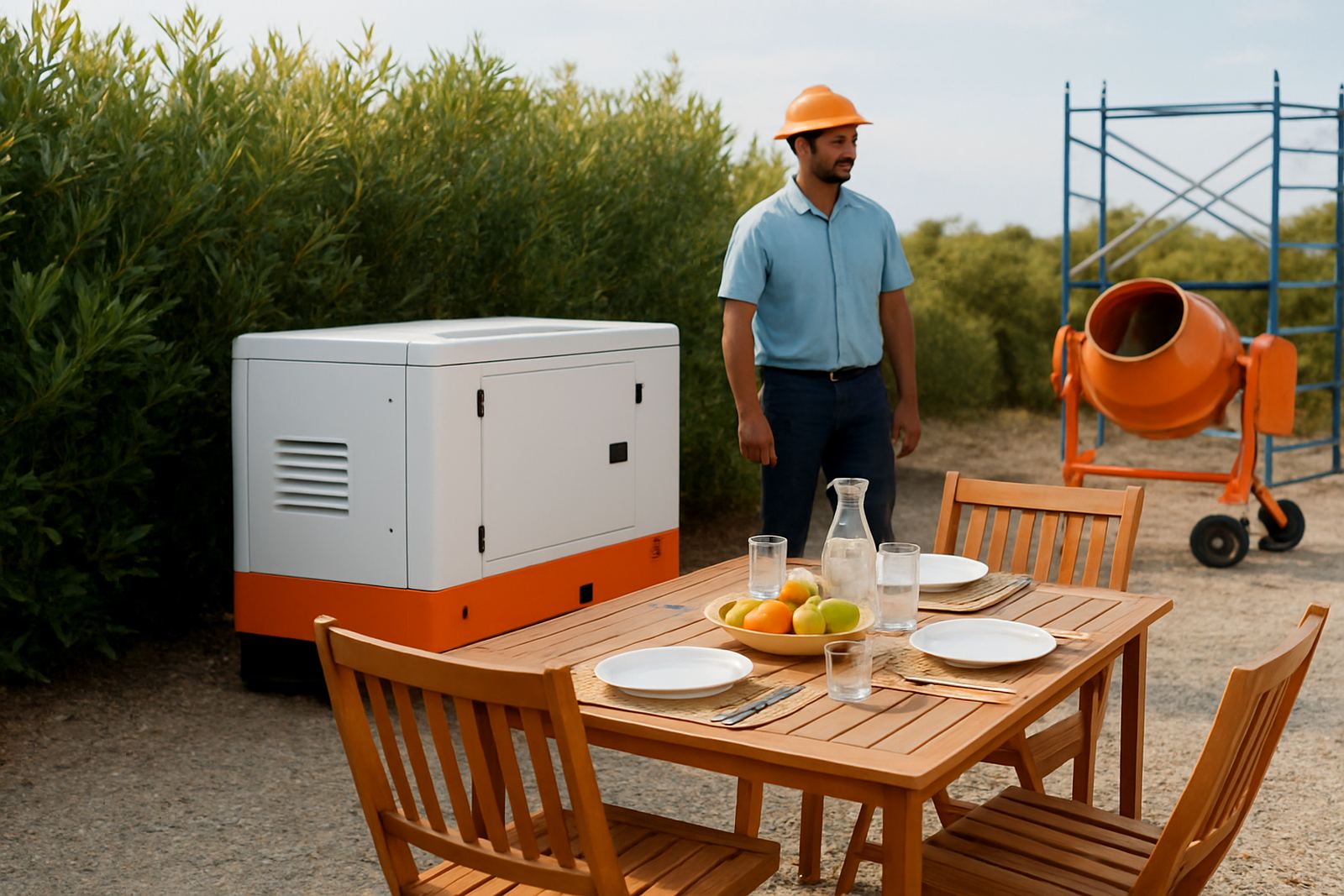
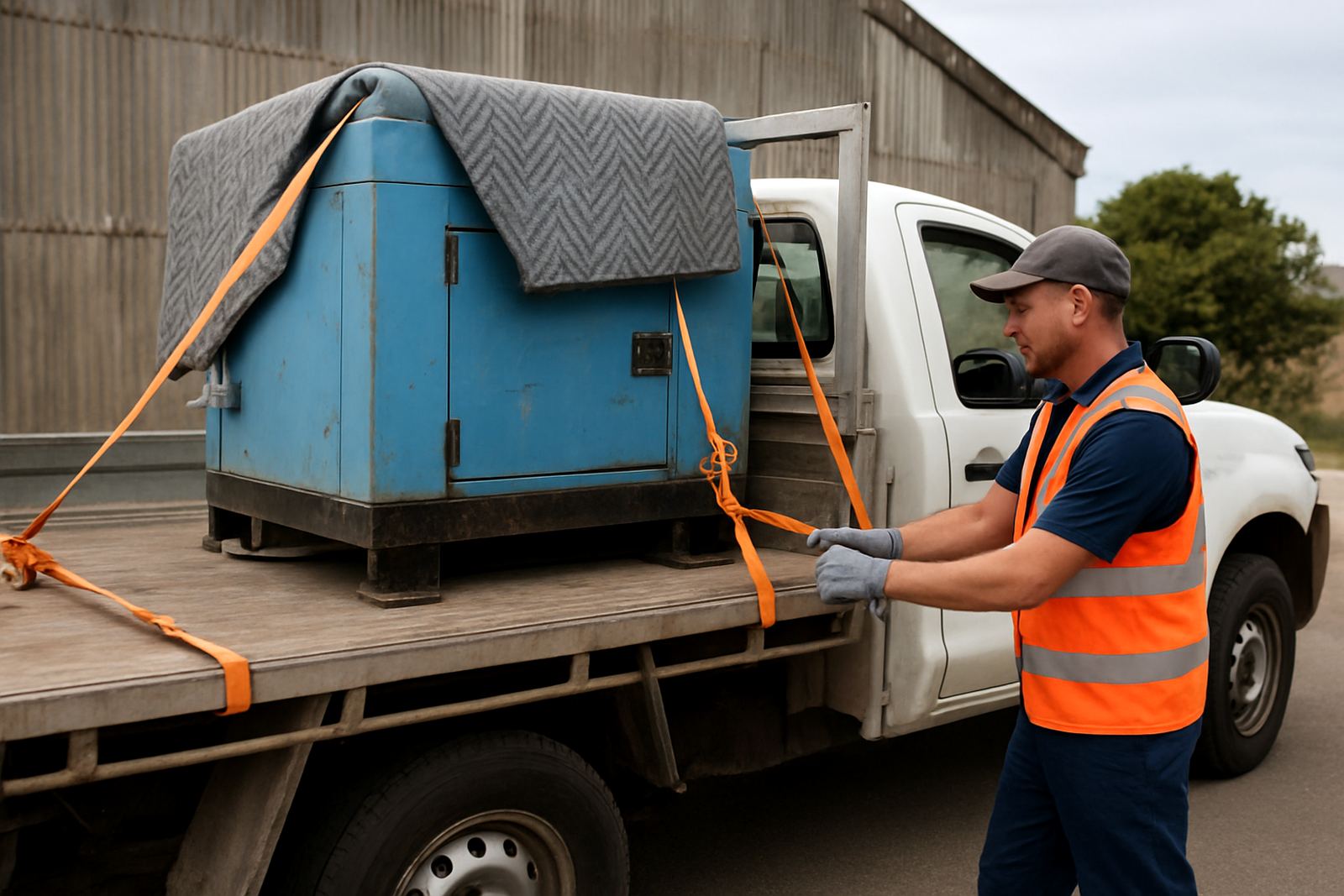
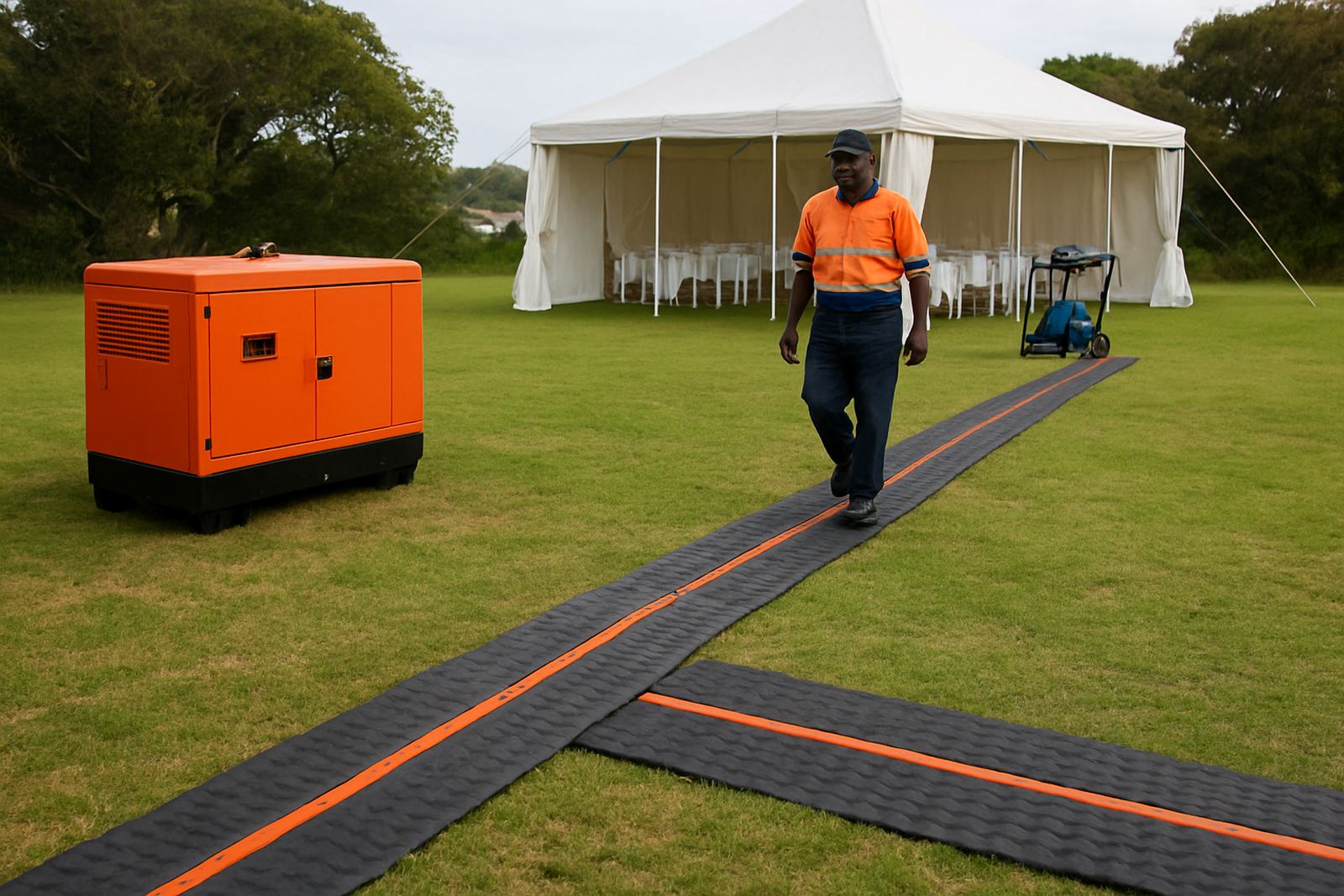
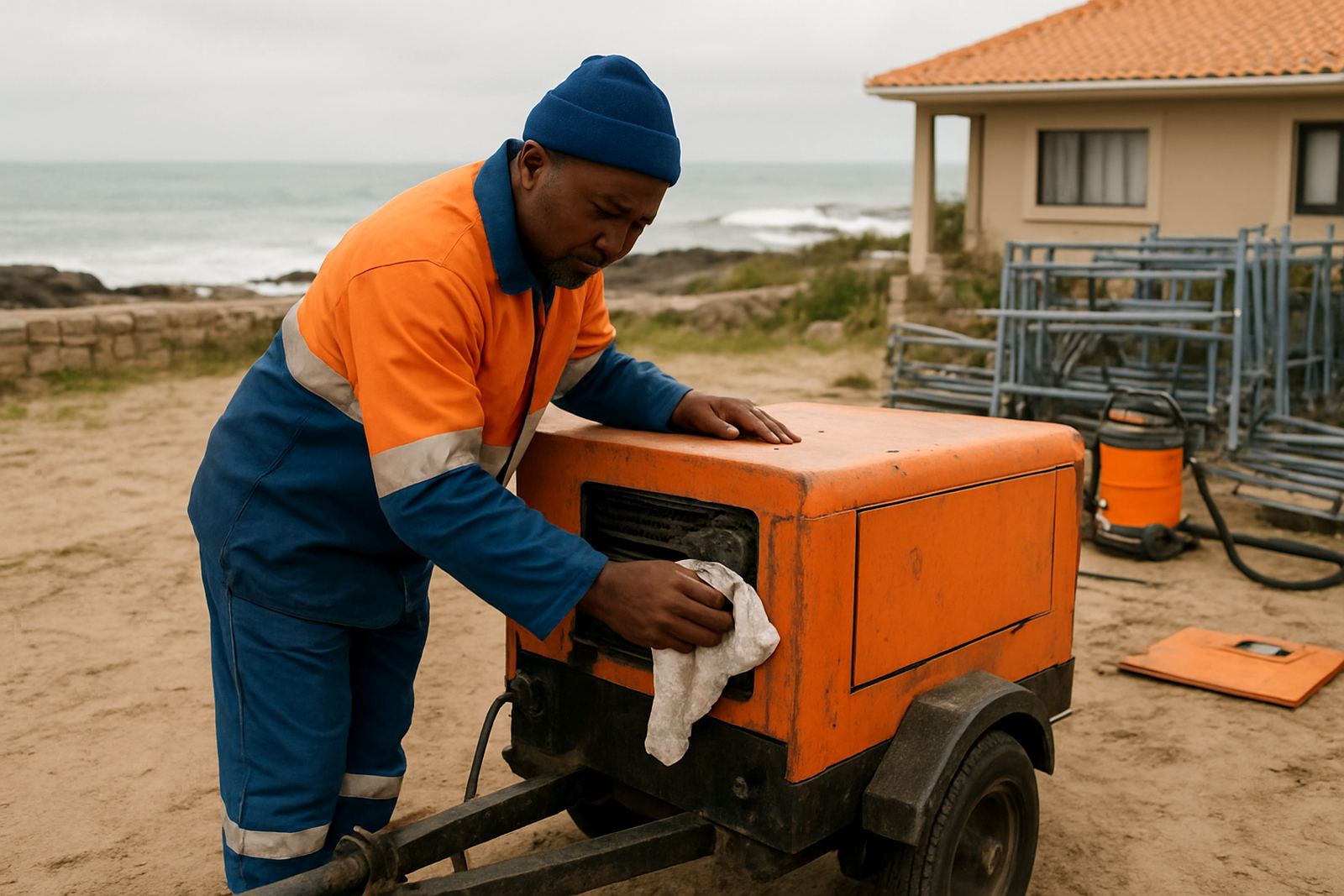
In coastal East London, we also look at placement and ventilation. Generators must stand on level ground, away from doors and windows, and they need enough airflow. Keep them dry, keep them secure and never run them in a closed room. If power is for an event, ask about quiet placement, extension runs and where guests will move during the evening.
- Share the total load and what must stay on during power cuts
- Tell us if the unit will run for hours or just short periods
- Allow extra fuel on hot days and during long evening functions
- Keep the set away from spray, rain and strong coastal wind
Scaffolding and access on coastal sites
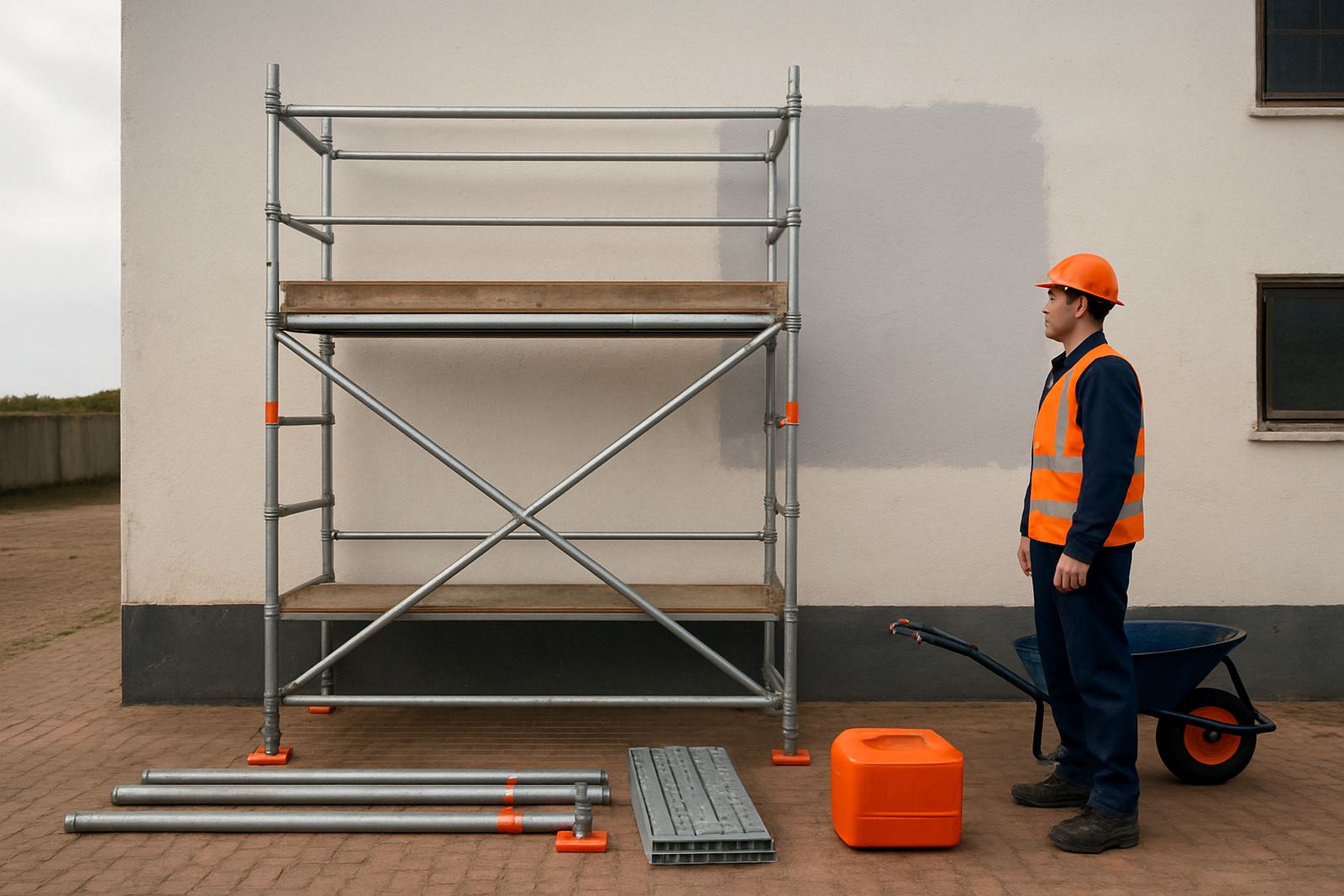
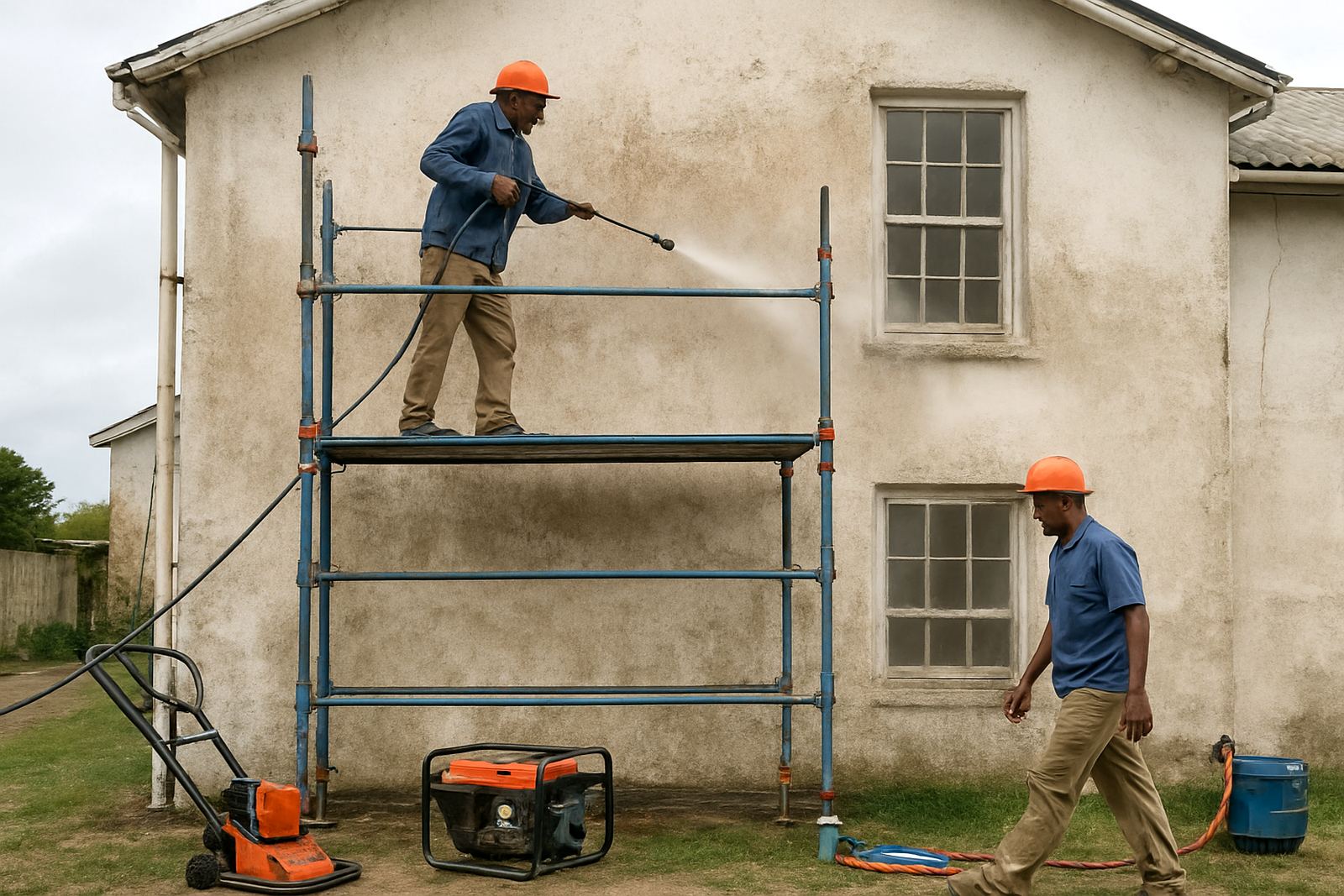
Scaffold hire is not only about height. It is about safe access, working room and where the load will sit. A narrow alley in Beacon Bay needs different planning from a double-storey paint job in Port Alfred. Tell us the wall height, ground type and whether the base sits on soil, paving or concrete. We can then help with scaffold planning and the right setup for the job.
Wind and uneven ground are common along the coast, so we always look at stability and tying points. If the site is close to the sea, salt air can also affect fittings and fittings, so short hire cycles and proper checks are important. A tidy scaffold plan can save a lot of delay, and it keeps the crew working instead of moving sections around all day.
- Measure the highest working point, not just the building height
- Tell us if the ground is soft, sloped or freshly filled
- Check whether the crew needs a platform for materials as well as access
- Allow time for setup and a pre-hire briefing on site
Pumps, flood water and wet weather callouts
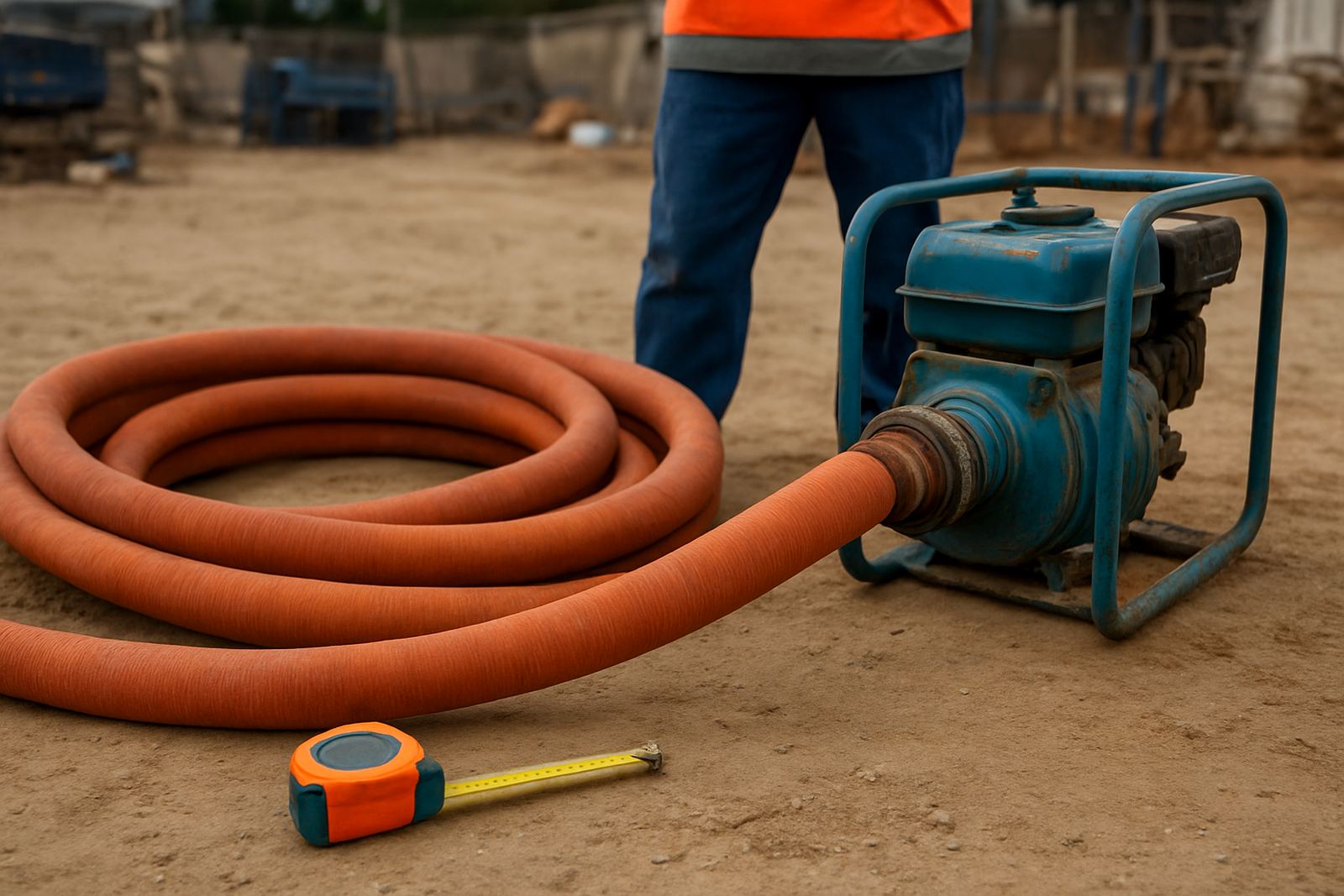
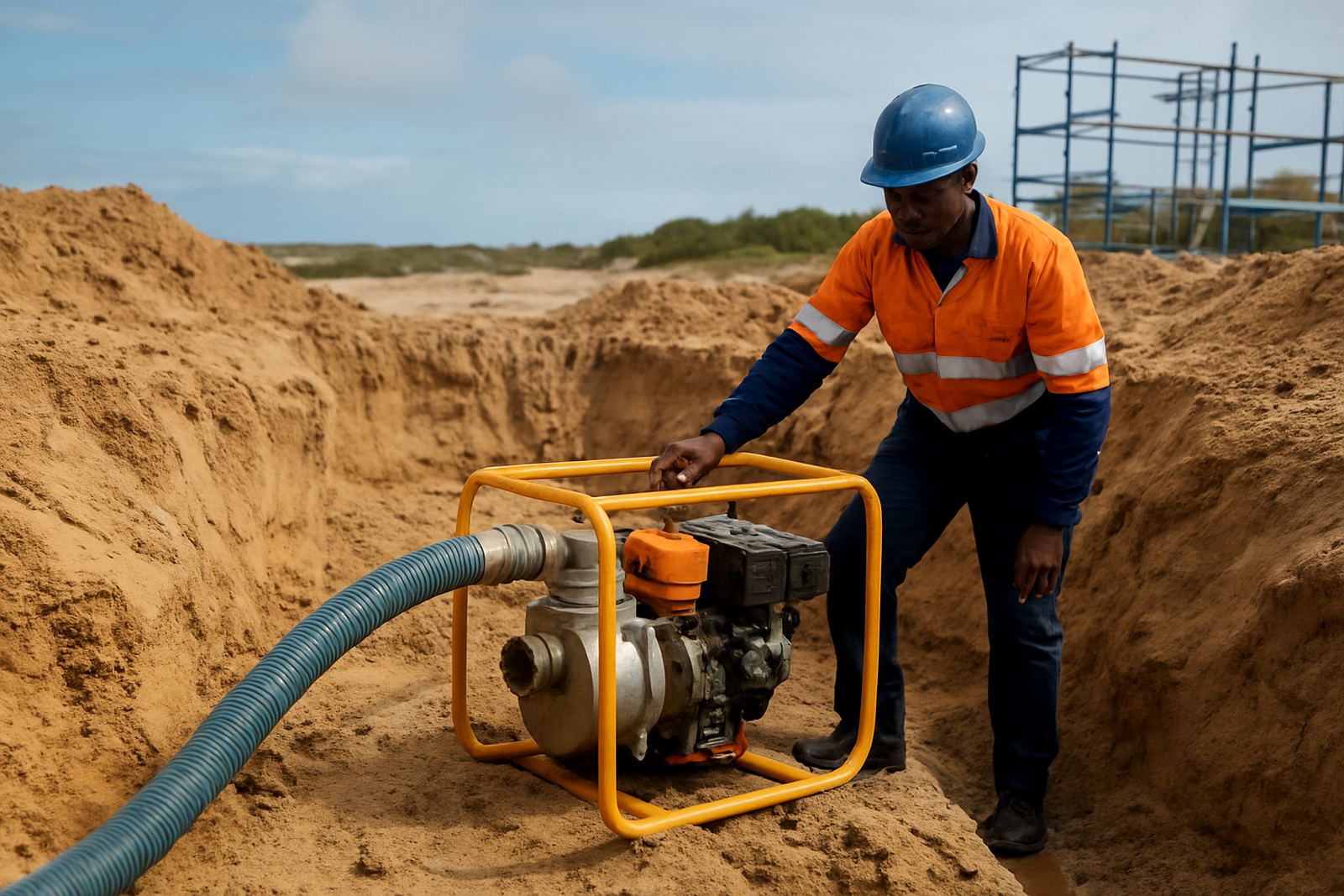
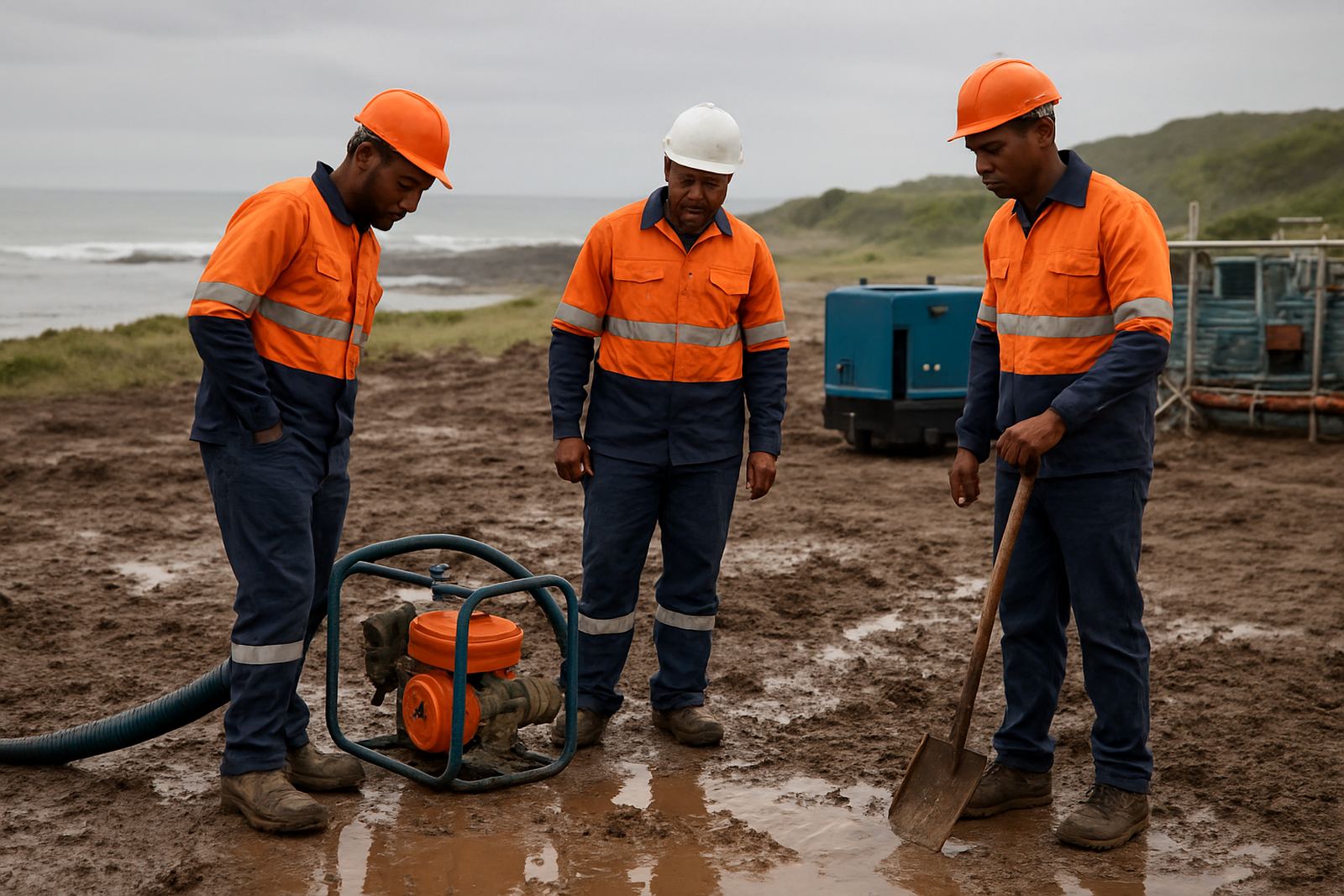
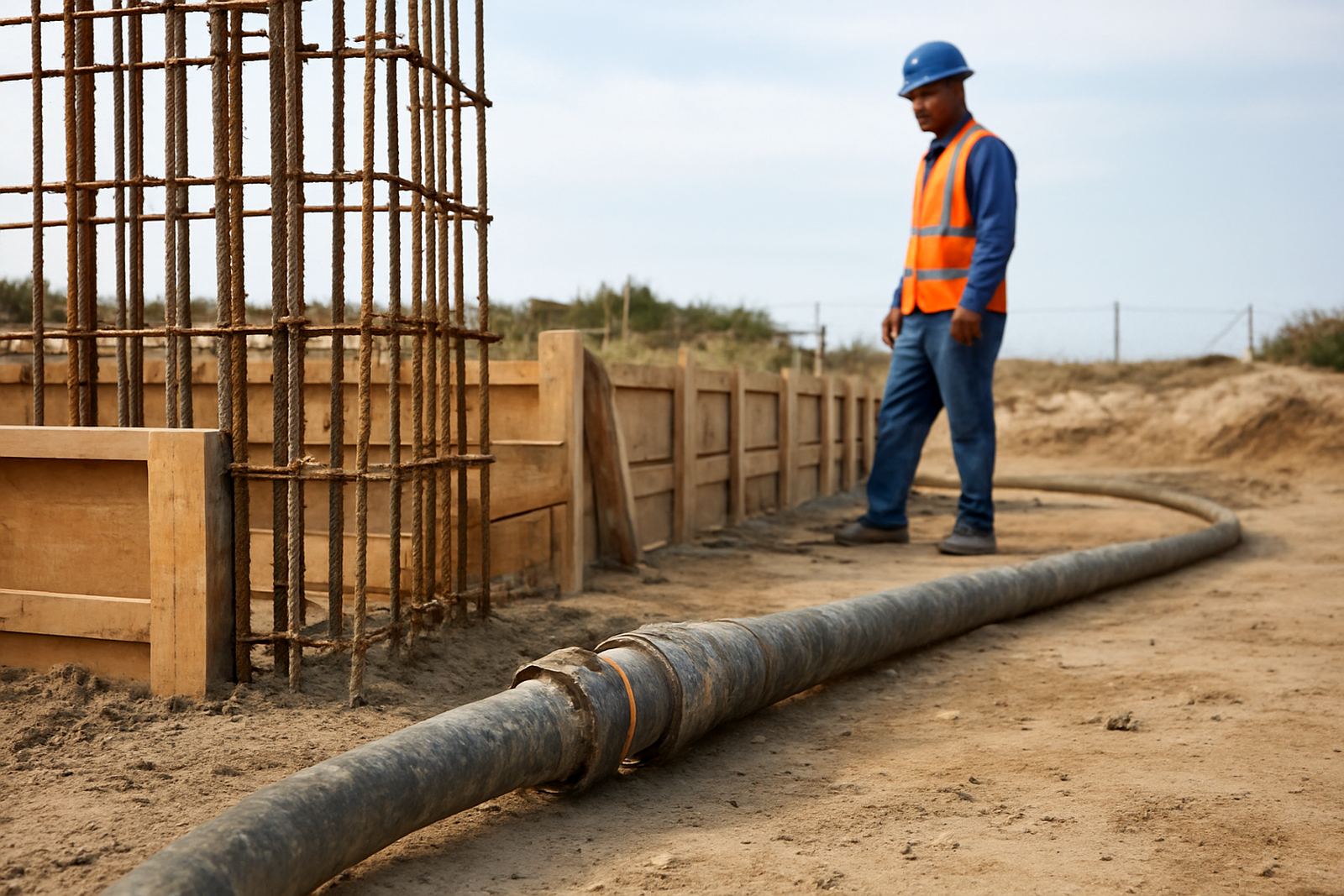
Heavy rain, blocked drains and water around foundations are common reasons customers call us for pumps. The right pump depends on the water type, distance to discharge and how fast the area is filling. A clean water job is very different from dirty water with sand, leaves or строитель? No, keep in English. We check the duty, hose length and where the water can be moved without causing another problem.
Before collection, make sure the inlet is clear and the pump has been flushed if needed. If the work is urgent, our emergency callout option can help when the weather turns fast. On some sites the issue is not the pump itself, but power supply, hose routing or a blocked outlet, so good notes from the start make the job easier.
- Tell us if the water is clean, dirty or carrying sand
- Measure the distance to the discharge point
- Check whether you need fuel or electrical supply on site
- Keep access clear for collection after the callout
Event hire notes for parties, launches and private functions
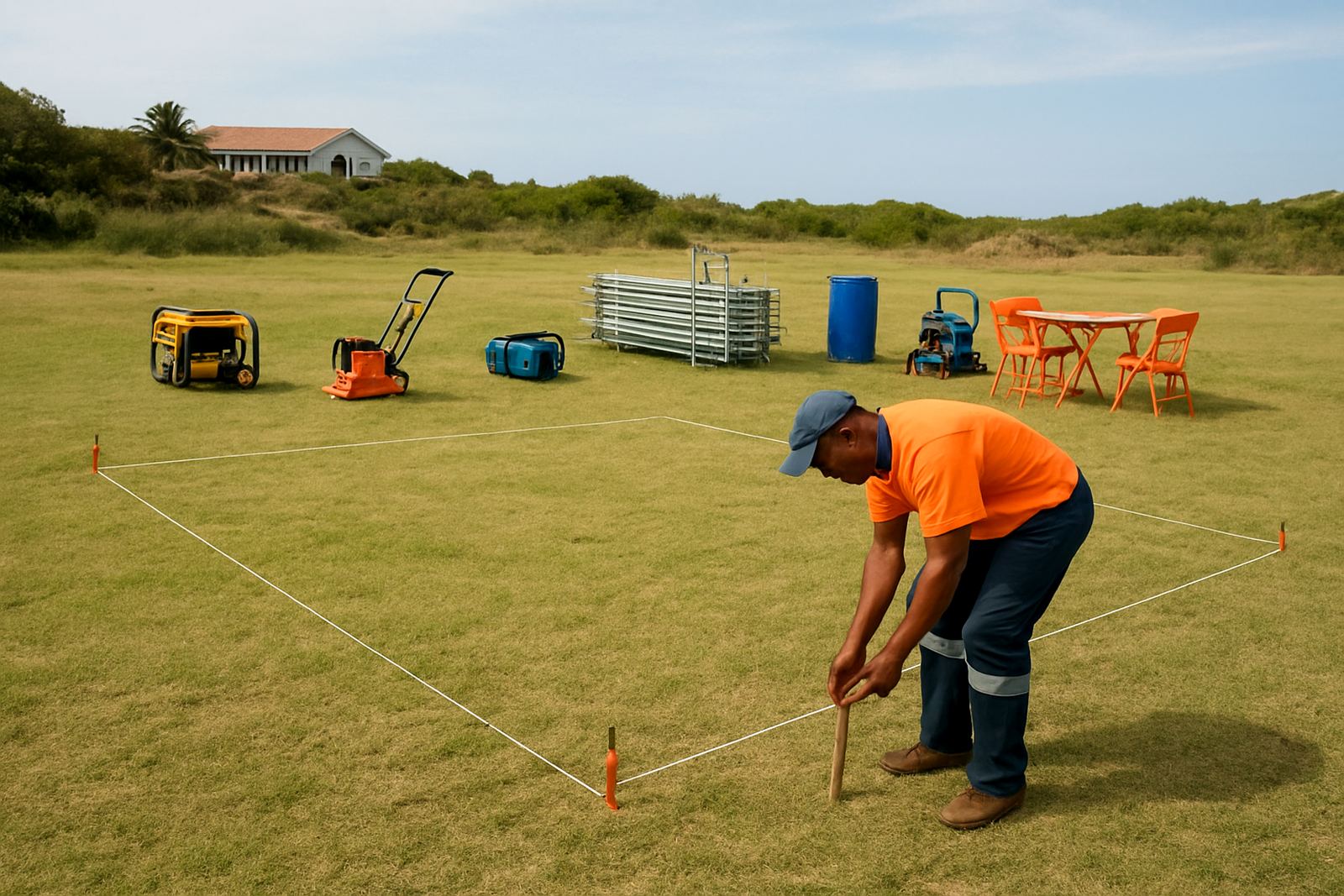
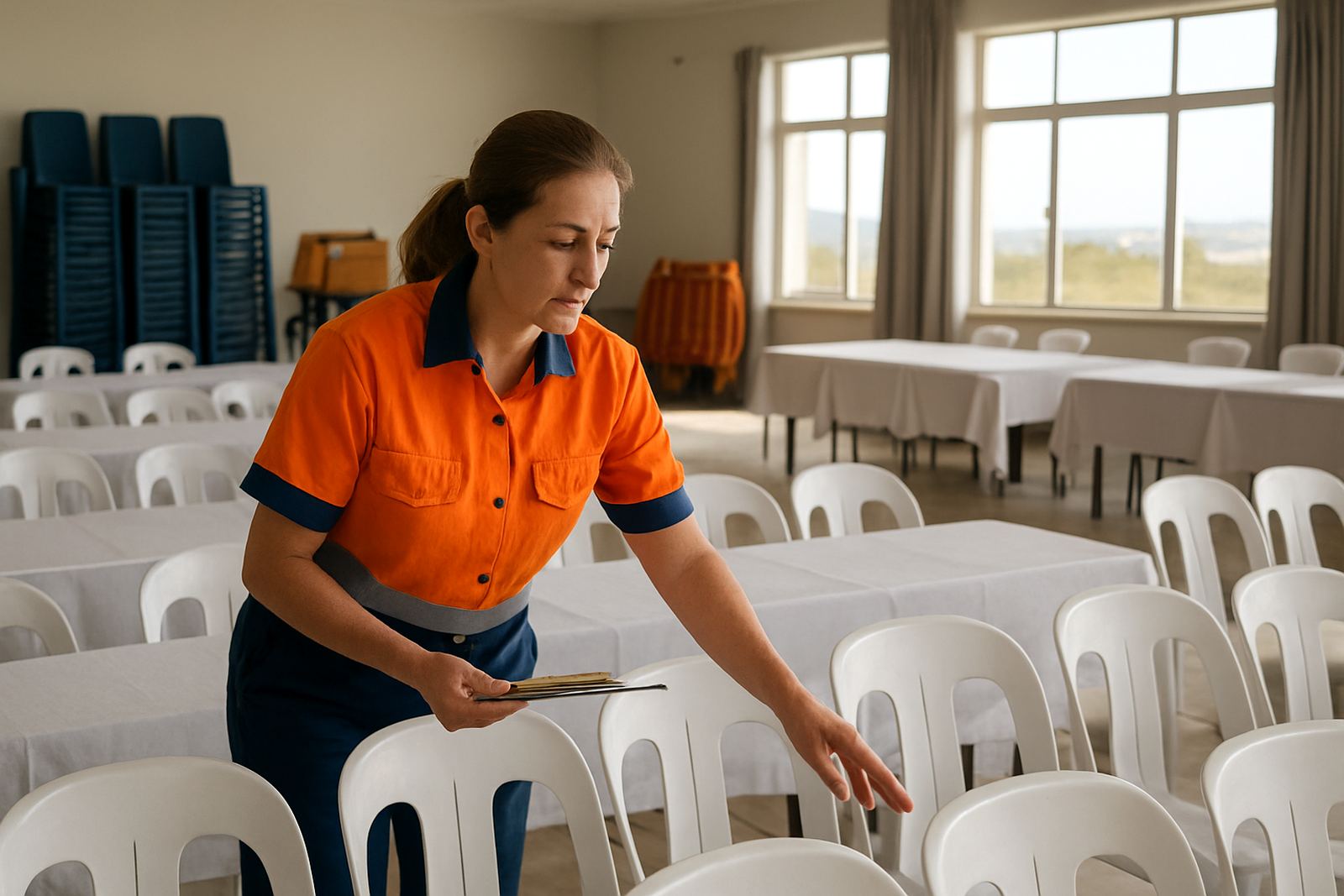
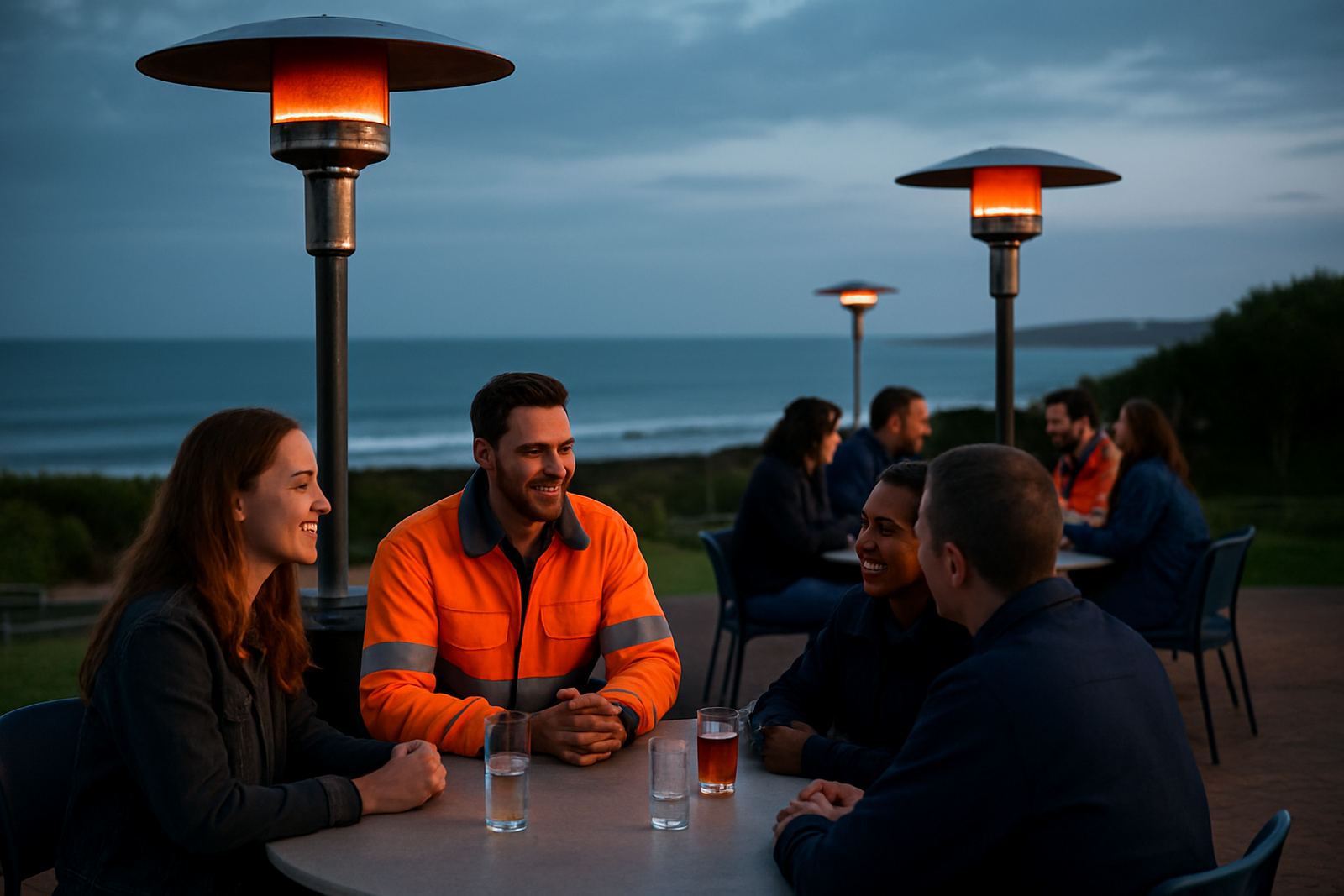
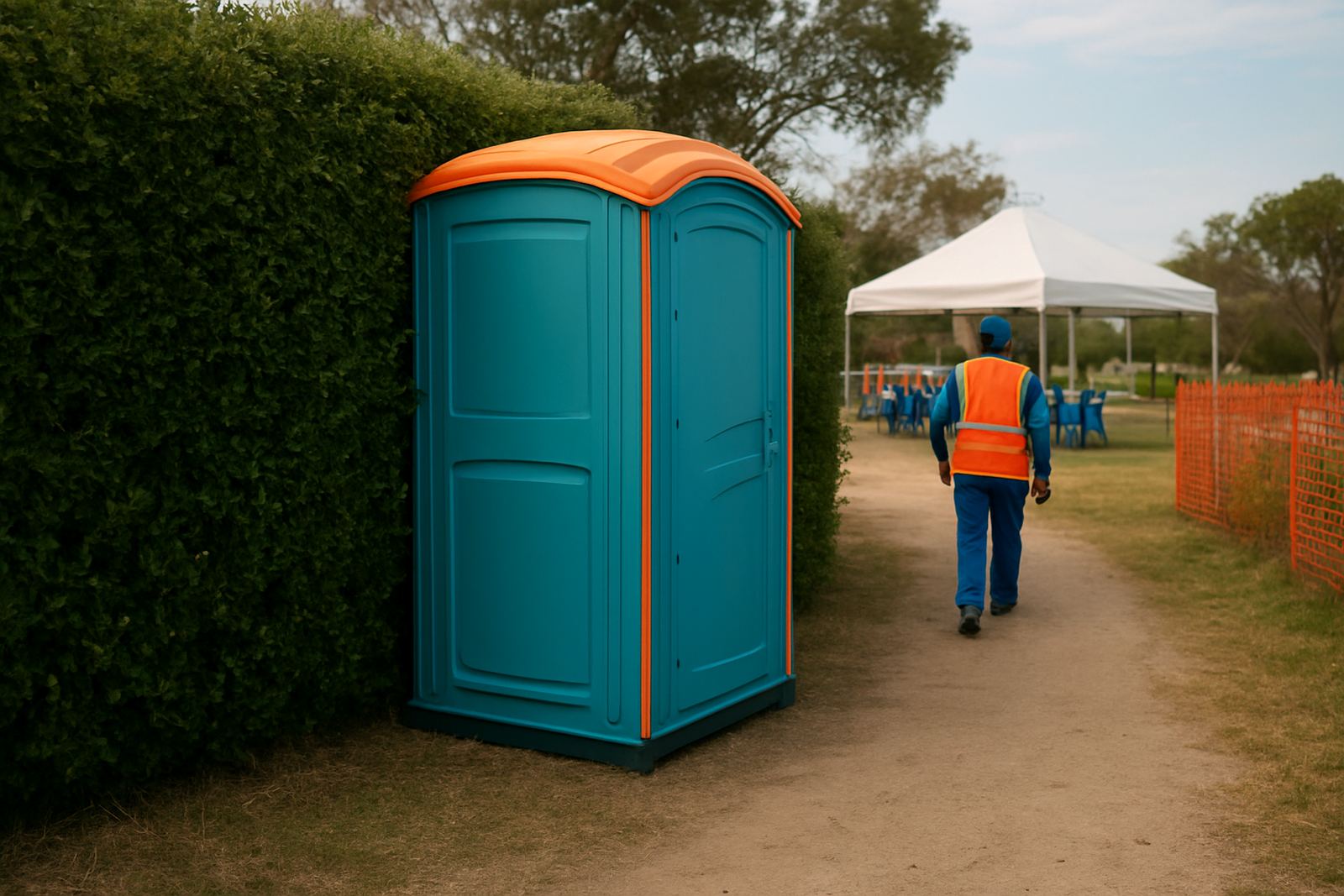
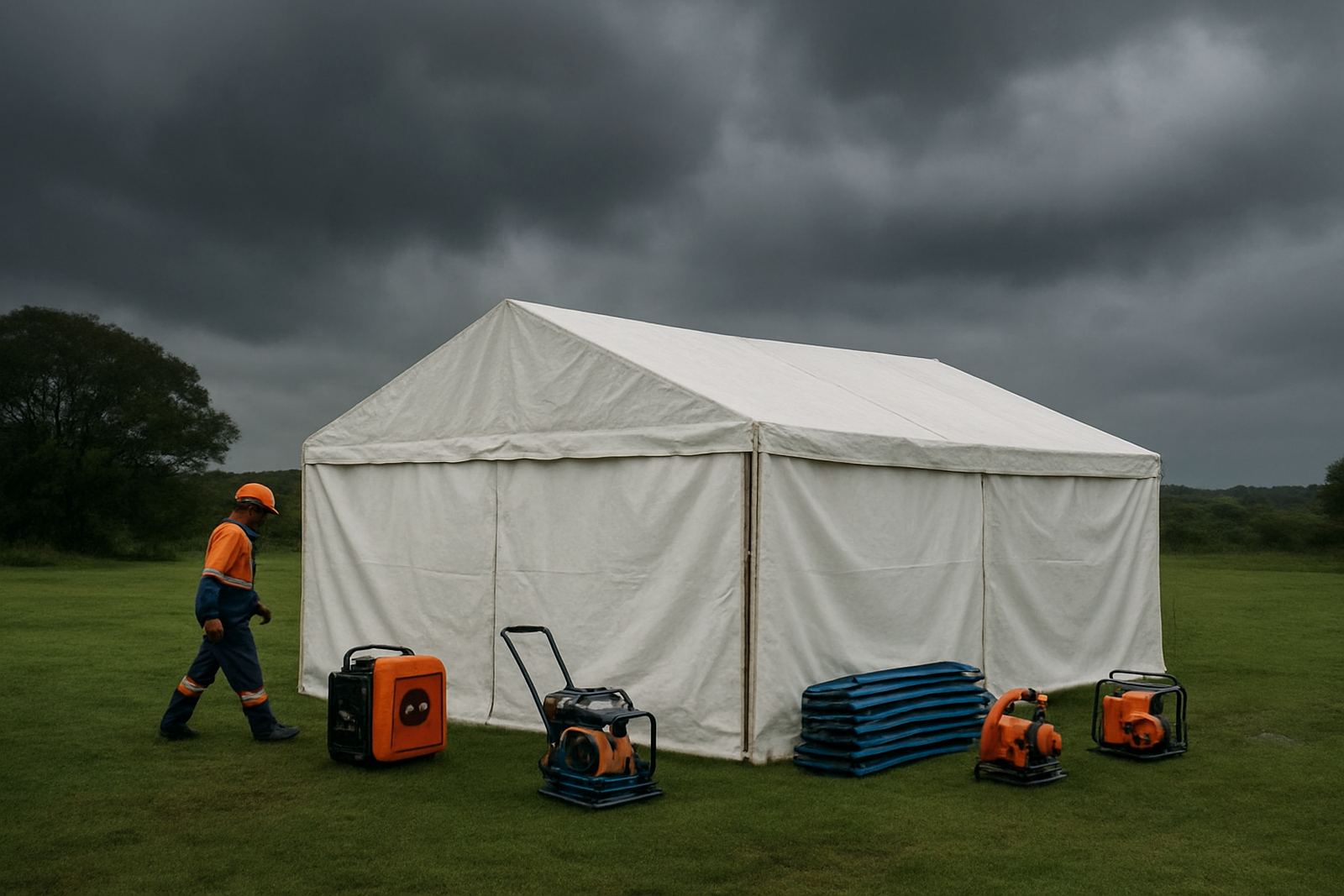
Event hire works best when the layout is clear before the truck arrives. For parties and small launches, we look at the number of guests, power points, ground space and where people will queue or sit. A wet lawn in a coastal suburb can change the layout completely, so it helps to send a photo of the venue if you can. Megan and the events hire team can help with practical placement and timing, not just the equipment list.
If you need weekend hire, book early. Summer dates in East London, Gonubie and Kidds Beach fill fast, and last-minute changes are harder to manage when several items need to go out together. Please also tell us about vehicle access, any delivery gates and whether setup must happen before guests arrive. That saves time and avoids a rush on the day.
- Send the venue size and guest numbers
- Share any strict venue rules or noise limits
- Allow for delivery time and same-day setup if needed
- Confirm whether collection happens after the event or next morning
What to expect from delivery, collection and long-term hire
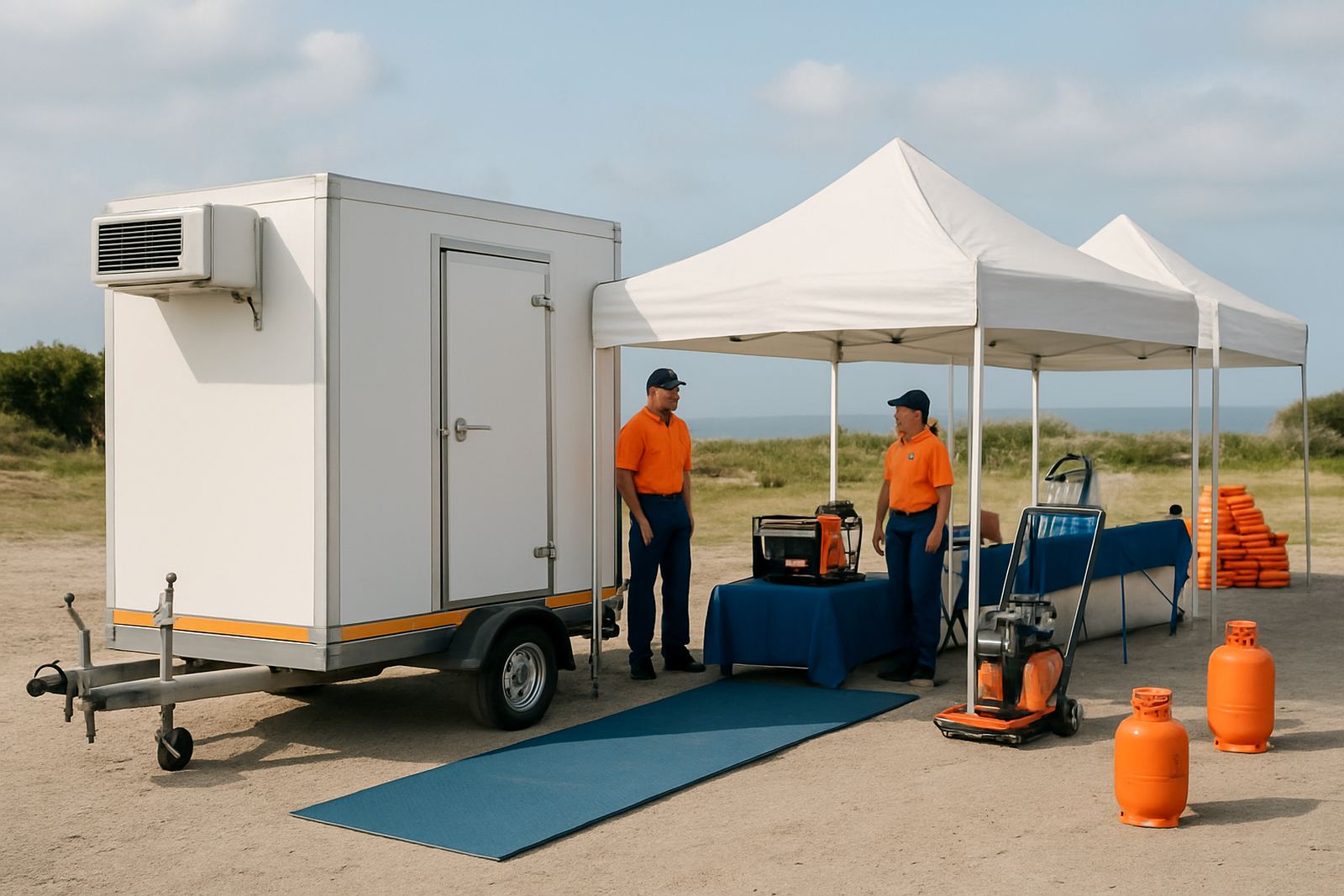
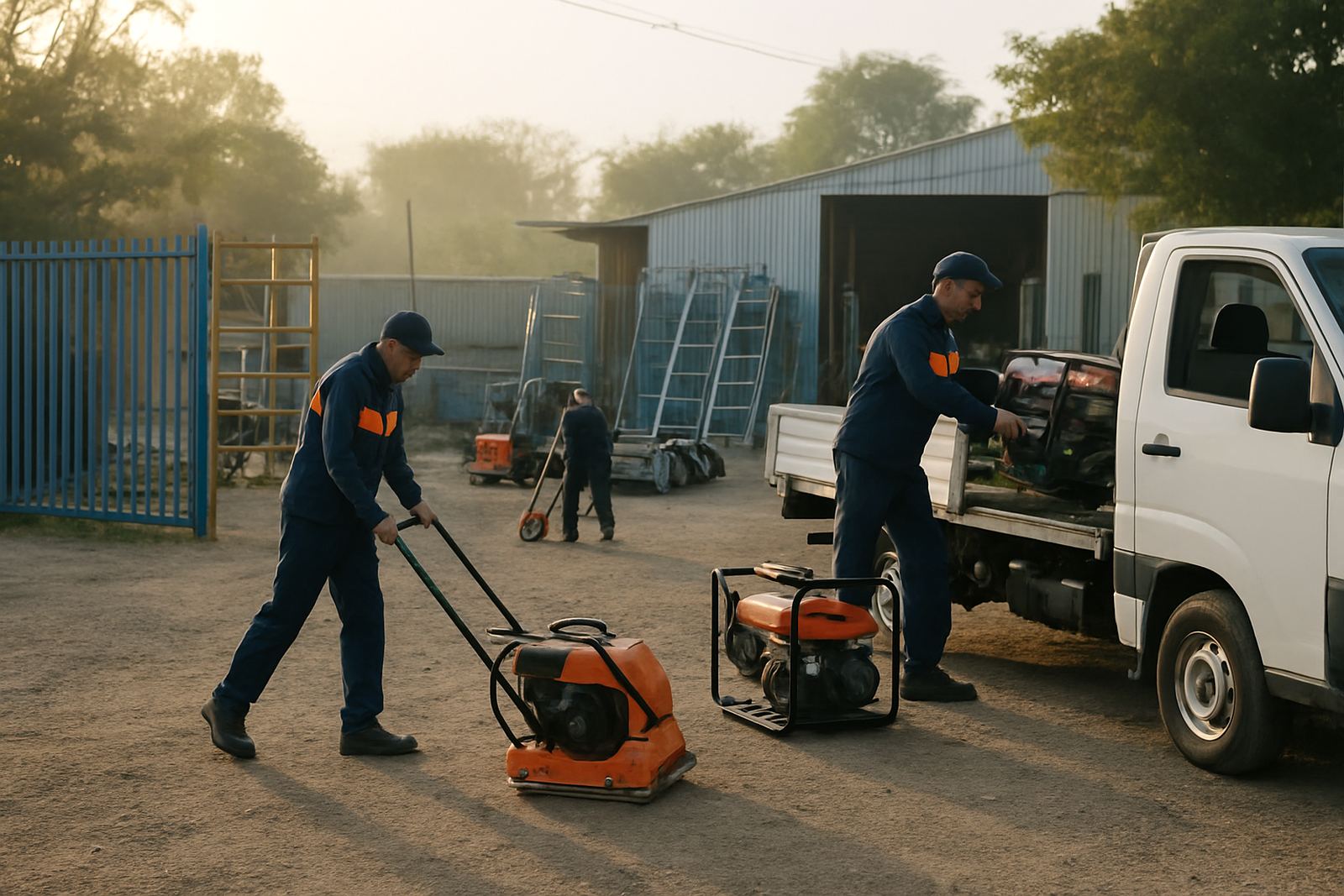
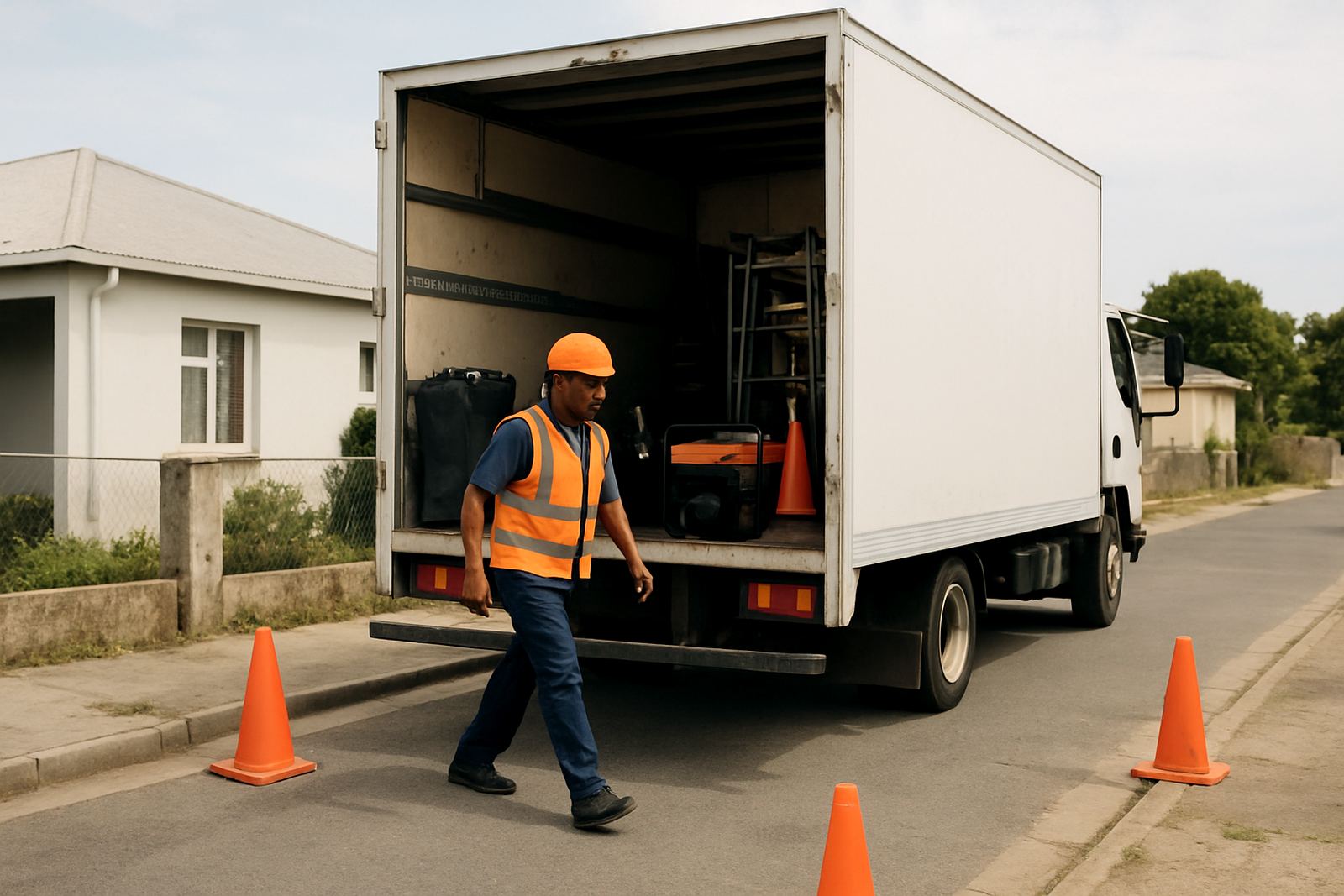
We offer site delivery, equipment collection, on-site setup and pre-hire briefing across East London, Beacon Bay, Gonubie, Kidds Beach, Qonce and Port Alfred. For long-term hire, we look at service intervals, fuel use and the place where the equipment will sit between shifts. If your site moves often, or the client changes access times, tell us early so we can plan the fleet around that.
Having the right contact person on site helps too. A quick handover with the driver or team lead means fewer delays and fewer calls back later. If you are not sure about collection times, ask at booking stage. We would rather plan it properly than send the wrong size vehicle or miss a site gate. That sort of thing costs everyone time and no one wants that.
- Keep a site contact available on the day
- Confirm access gates, parking and delivery hours
- Let us know if equipment will stay out overnight
- Book early for weekends, month-end and holiday periods