Start with the right tools for the size of the redo
Small tile jobs can be done with hand tools and a steady pair of hands, but once you get into full bathrooms, kitchen floors or outdoor patios you need gear that saves time and keeps the finish neat. In East London and along the coast, many redo jobs are done in lived-in homes where the family still needs access to the kitchen or bathroom. That means less mess, better dust control and tools that work first time.
For most redos, the basic hire list includes a tile cutter, angle grinder with the correct blade, mixing drill, buckets, spirit level, grout float and a wet vacuum for dust and slurry cleanup. If you are taking up old screed or tile adhesive, a small breaker can also save a lot of back strain. The trick is not hiring too much gear, but getting the items that match the floor area and tile type.
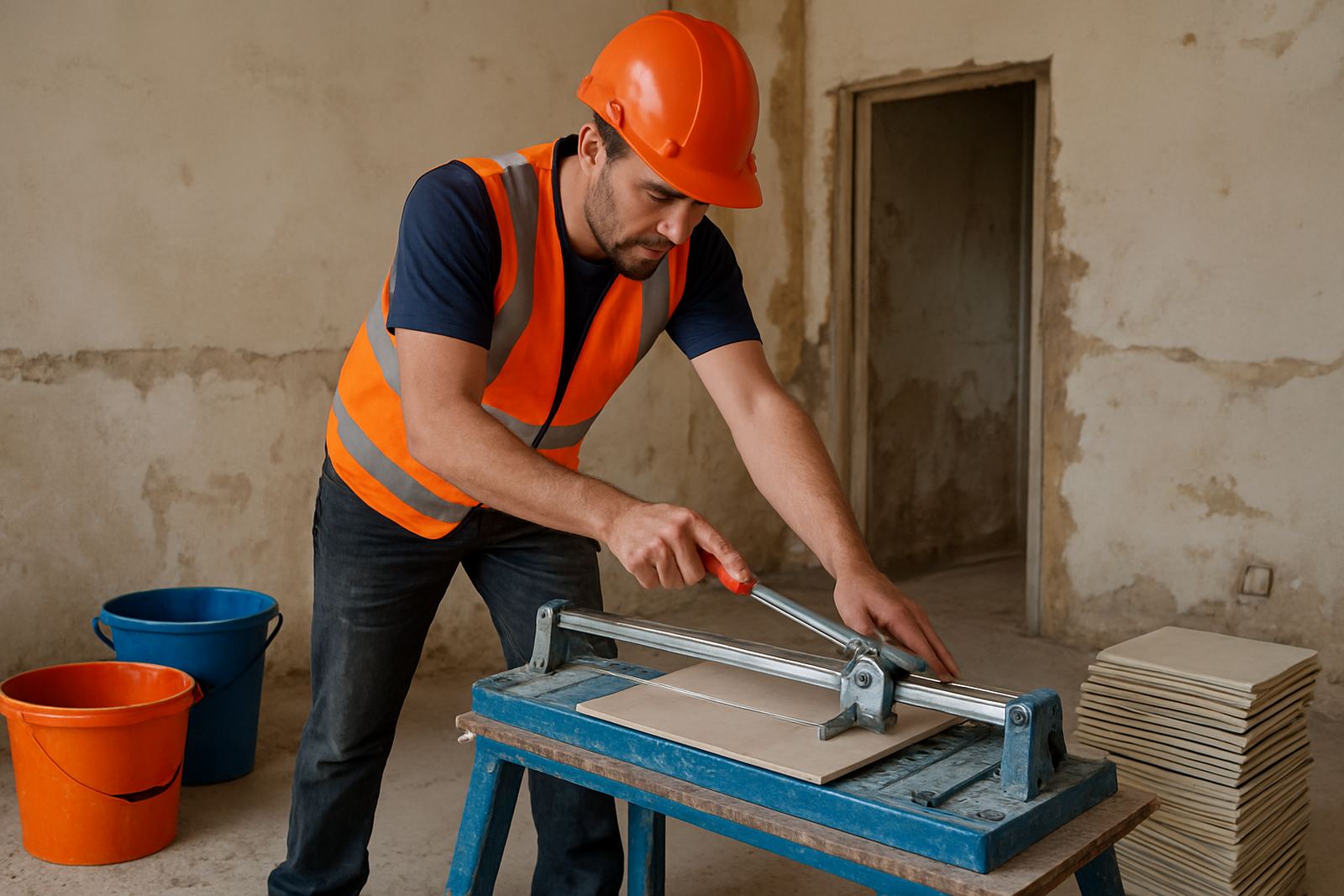
- Manual tile cutter for straight ceramic cuts
- Wet saw for harder porcelain or larger format tiles
- Mixing drill for adhesive and grout
- Wet vacuum for slurry and fine dust
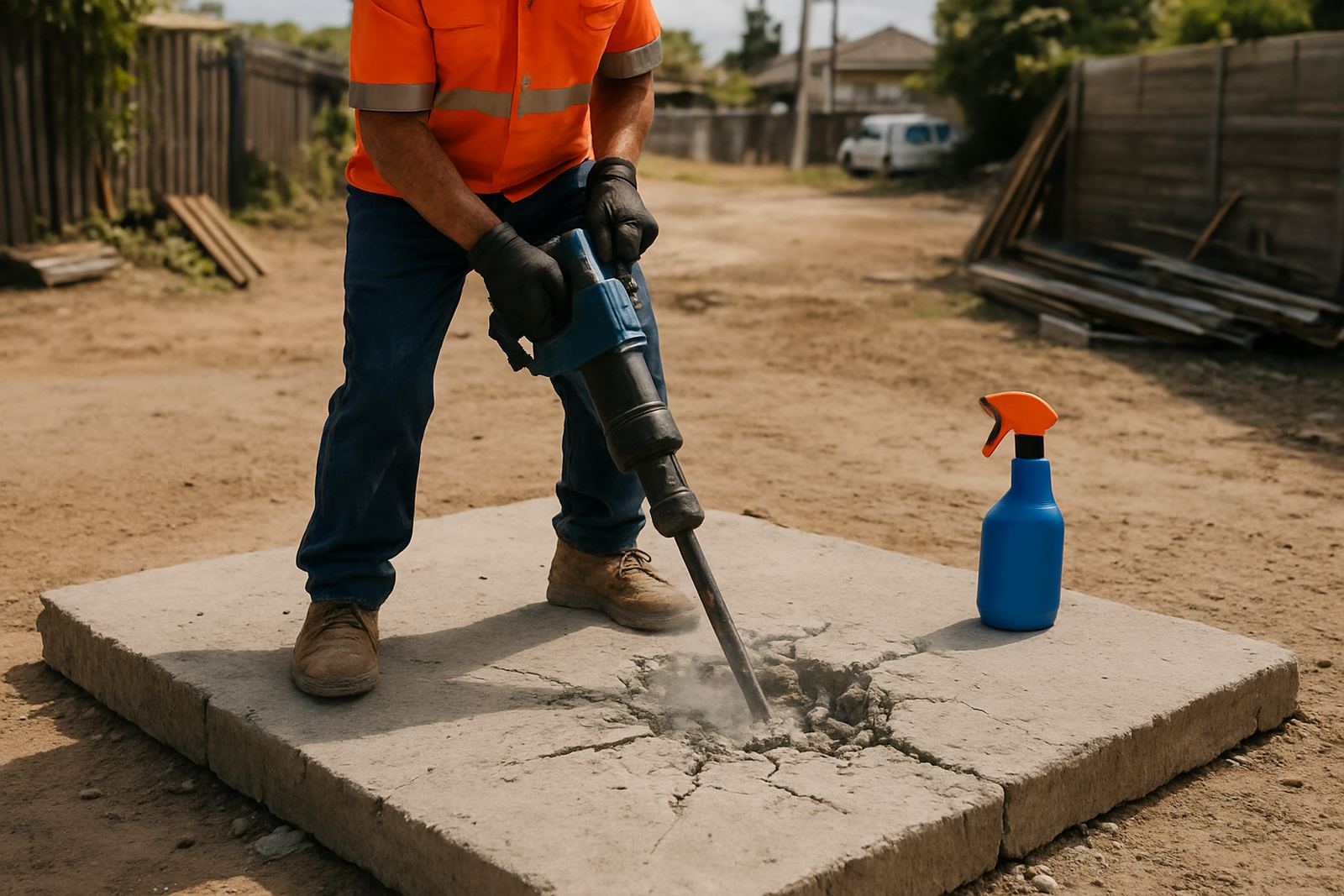
- Small breaker for lift-off and old adhesive removal
Bathroom work needs clean cuts and careful dust control
Bathrooms are usually the tightest spaces, so access matters as much as cutting power. A compact tile cutter and a small wet saw help you work around toilet pans, basins and shower corners without chipping the tile edge. If you are replacing floor tiles in a Beacon Bay flat or a house in Gonubie, you also want to keep dust out of cupboards and away from fittings. The coastal humidity can make drying times slower, so plan the sequence properly.
For wall tiles and shower returns, a scoring cutter is useful for quick straight cuts, but curves around pipes and traps often need a grinder or hole saws. Keep spare blades on hand because worn blades leave ragged edges and that means more grout work later. A pre-hire briefing also helps if you are not sure whether your tiles are ceramic, porcelain or natural stone.
- Wet saw for clean cuts in compact bathroom spaces
- Hole saws for taps, mixer pipes and shower fittings
- Dust extraction or wet vacuum for cleaner working
- Spacers and levelling tools for even grout lines
On a small bathroom redo in Qonce, the contractor can often finish faster by setting up a cutting point outside under cover, then bringing in only the cut pieces for fixing. That keeps the room usable and makes cleanup simpler too.
Kitchen floors need levelling before any tile goes down
Kitchen redos often go wrong because people focus on the tiles and forget the floor underneath. If the slab has dips, old adhesive ridges or cracked screed, you need levelling tools before the first tile is laid. A straight edge, mixing drill and a paddle mixer are basic hire items for this stage. On larger kitchens, a plate compactor may be needed where the base has been rebuilt or filled in sections.
In older homes around Port Alfred and East London's older suburbs, floors can have movement from past repairs. That is where a proper pre-hire check helps, because a tile layout that looks fine on paper may need extra preparation on site. A long spirit level, chalk line and spacers help set out the room so cuts land where you want them, not in the middle of a doorway.
- Mixing drill and paddle for levelling compound
- Long straight edge for checking floor flatness
- Chalk line for layout and square starts
- Tile spacers and levelling clips for even joints
- Wet vacuum for dust before adhesive goes down
If the kitchen opens onto a back patio, think about transition strips and how the finish meets the outside floor. A neat threshold is often what separates a decent job from one that looks rushed, and it also helps with water ingress during heavy rain.
Patio tile replacement needs outdoor-ready gear
Outdoor tile work along the coast has its own challenges. Salt in the air, damp mornings and uneven concrete all affect how the job is planned. Patio tiles also tend to be larger and heavier than indoor tiles, which means better cutting support and stronger lifting gear. For some lifts, a small trolley or wheelbarrow is useful just for moving tiles and sand to the work area.
Adhesive choice matters outdoors, but so does the tool list. A wet saw gives a cleaner edge on thicker tiles, while a vibrating plate or compactor may be needed if the base has been rebuilt. If you are laying tiles around a braai area or pool edge, you need accuracy because the lines are visible and the surface must drain properly. A slight fall away from the house is worth checking before you start, not after.
- Wet saw for thicker outdoor tiles
- Plate compactor for repaired base layers
- Trolleys or moving aids for heavier tile loads
- Level and string line for patio fall and alignment
- Pressure washer for pre-cleaning outdoor slabs
Keep the mess under control while the work is live
Most tile redo jobs happen while the rest of the property is still being used, so cleanup gear matters more than people expect. A wet vacuum, rubbish bins and dust sheets help protect cupboards, appliances and nearby finishes. If the job runs over a weekend, ask about weekend hire so you are not rushing the work to beat collection time. That matters when grout needs to set or a slab has to dry before the next stage.
For builders and homeowners alike, it is worth thinking through the sequence. Remove fittings, lift old tile, repair the base, dry fit the new tiles, then mix and lay. A good equipment plan reduces stop-start work and saves on labour. It also cuts the risk of damaging new tiles while moving them through narrow passageways or up stairs.
Where there is limited water on site, especially during municipal pressure drops, plan for enough clean buckets and a tidy water point. That small bit of prep can keep the work moving when the site is not ideal.
A local example from Beacon Bay to Kidds Beach
A practical redo on the coast might start in a Beacon Bay home where a bathroom floor is lifted after years of moisture seepage. The contractor collects a tile cutter, breaker, wet vacuum and mixing drill in the morning, then sets up a cutting point outside under cover. By lunchtime the old adhesive is off and the slab is checked for level. After that, fresh levelling compound is mixed, left to cure and the new tiles are laid the next day.
On the same week, a patio job in Kidds Beach may need a wet saw, plate compactor and moving aids because the tiles are larger and the base has been patched after storm damage. The work is not complicated but it does need the right sequence. With on-site setup and fuel management available, the crew can focus on the installation instead of chasing equipment or stopping for missing gear. That is where hire makes a real difference.
If you are unsure what to book, a short pre-hire briefing will usually narrow it down fast. You do not need every tool in the store, just the right ones for the room and the finish you want.
What to ask before you collect hire tools
Before collection, it helps to know the tile type, floor size and whether the work is indoors or outdoors. It also helps to mention if you are working in a flat, a townhouse or a full house because access changes what equipment is practical. For builders covering East London, Beacon Bay, Gonubie, Kidds Beach, Qonce and Port Alfred, that information helps us set up the right kit and avoid delays.
- What tile material are you fitting?
- Is the base concrete, screed or an old tile bed?
- Will you cut indoors or outside under cover?
- Do you need weekend hire or emergency callout?
- Will you need delivery, collection or fuel management?
For tile redo work, the small details matter. A clean cut, a level base and a proper cleanup can make the difference between a job that looks patched and one that looks finished. If you plan the hire list properly, the whole job moves faster and the finish lasts longer.