


Choose the right guide for the job
Our safety guides are grouped by hire type so you can get the right advice before equipment leaves our Beacon Bay base. If you are working on a building site in East London, setting up an event in Gonubie or planning a pump run near the coast, start with the guide that matches the equipment and the conditions on site.
The aim is simple, help you plan better, avoid delays and keep people clear of avoidable risk. Where a job needs extra thought, we cover setup points, power needs, ground conditions and the checks that should happen before first use.
What to look at before you hire
Before you book, think about where the equipment will sit, who will use it and how it will be moved in and out. Coastal weather, soft ground, uneven yards and load-shedding all change the way a job should be planned, especially on long-term hires or weekend work.
- Measure the space where the unit will stand and leave room for access.
- Check whether you need fuel, water, drainage or electrical supply on site.
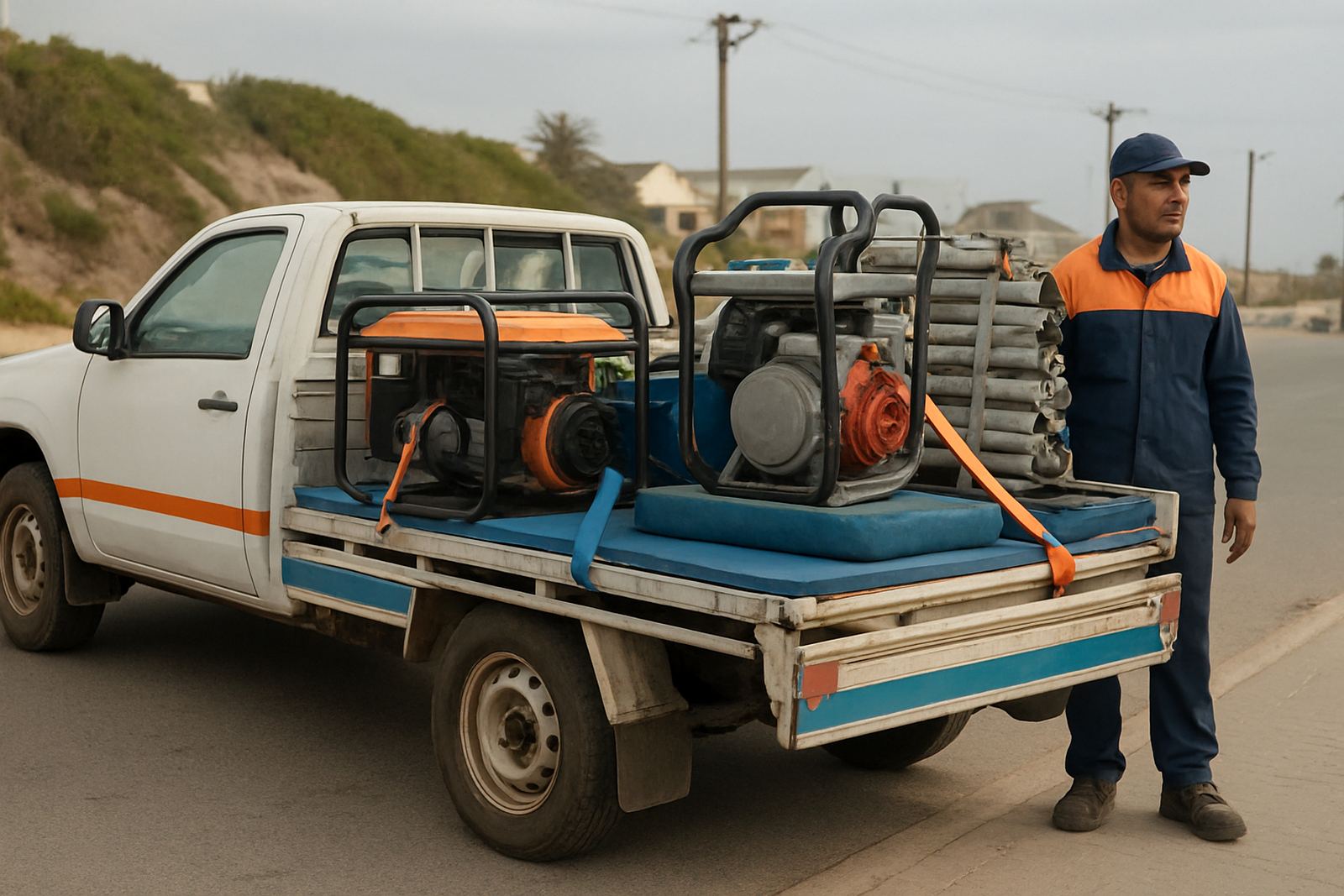
- Confirm lifting points, access gates and the route from truck to work area.
- Let us know if the site is exposed to wind, salt air or standing water.
Generators, pumps and power planning
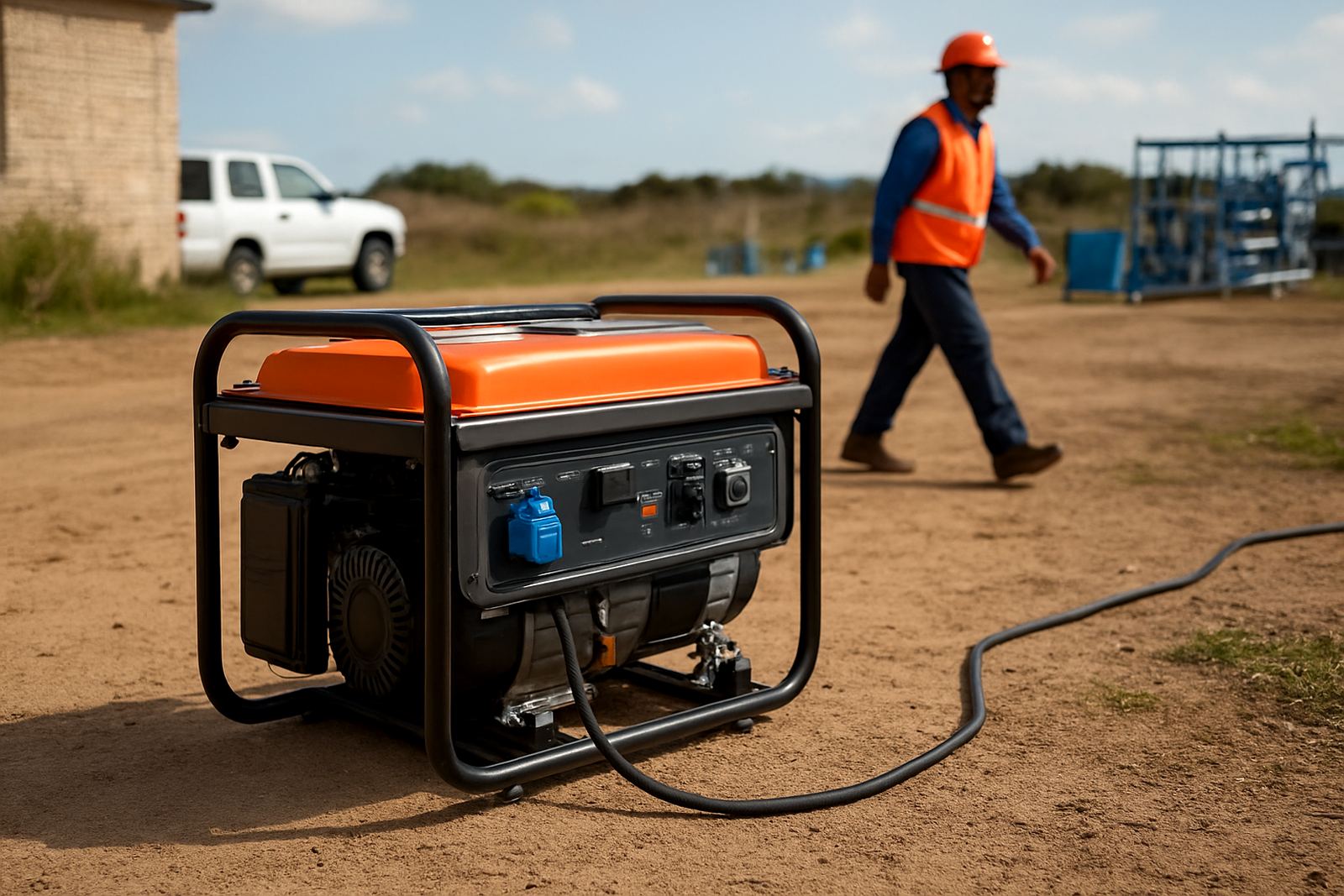
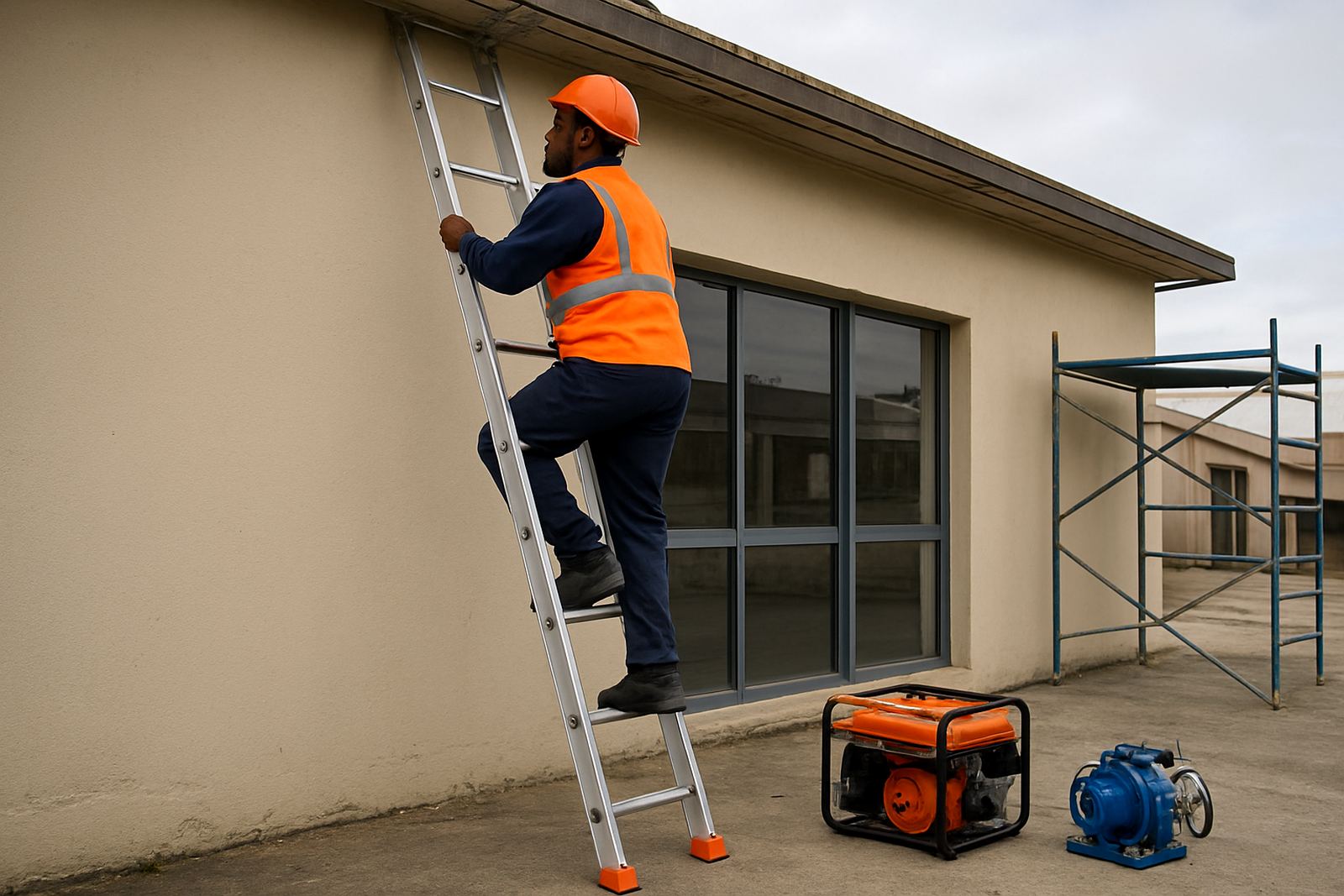
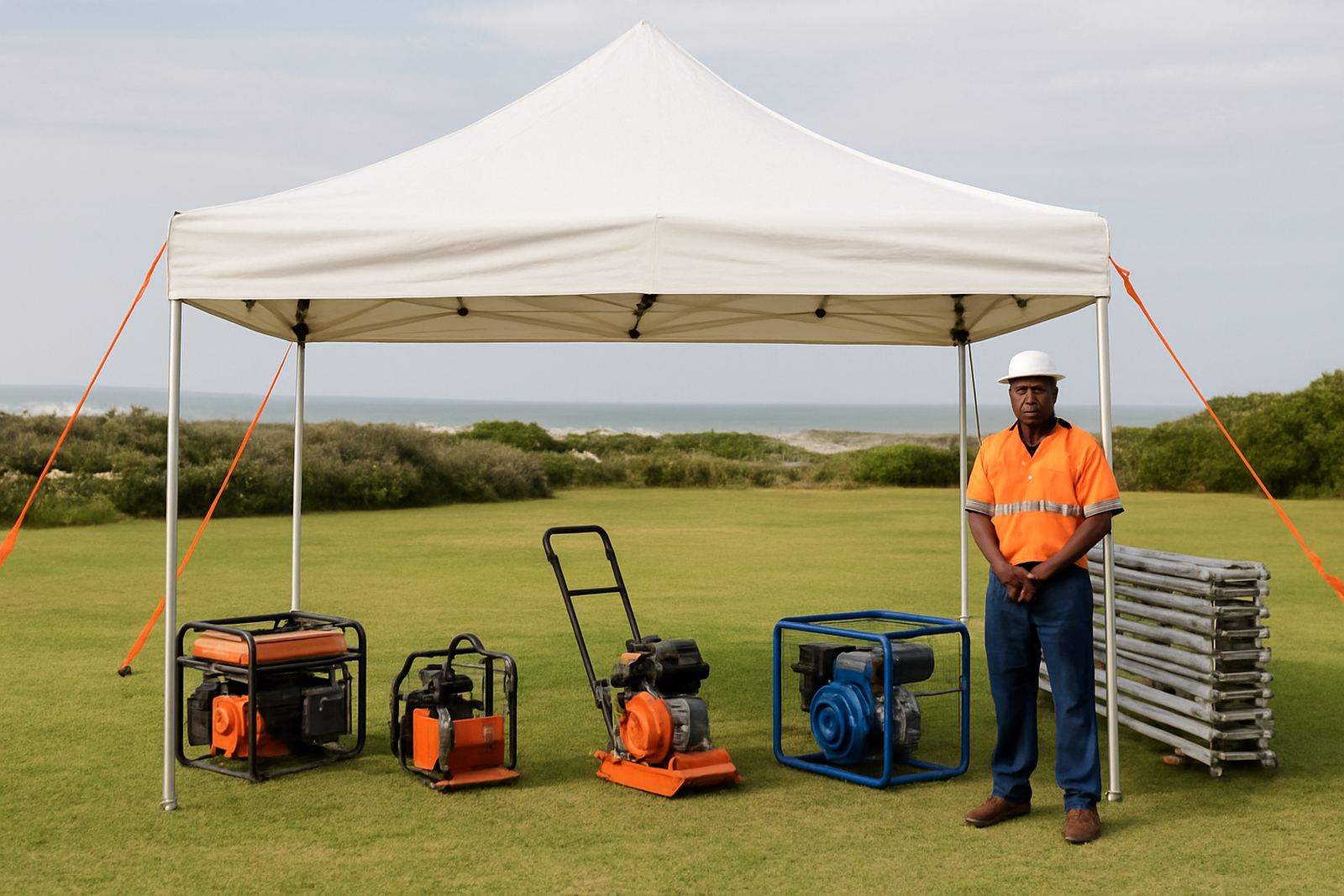
Power equipment needs proper matching to the load, not a rough guess. A small generator may suit light tools or event support, while larger sites around Qonce or Port Alfred may need a different setup with fuel planning and safer cable runs. If the job is for backup power during load-shedding, say so early so we can help match the hire to the real demand.
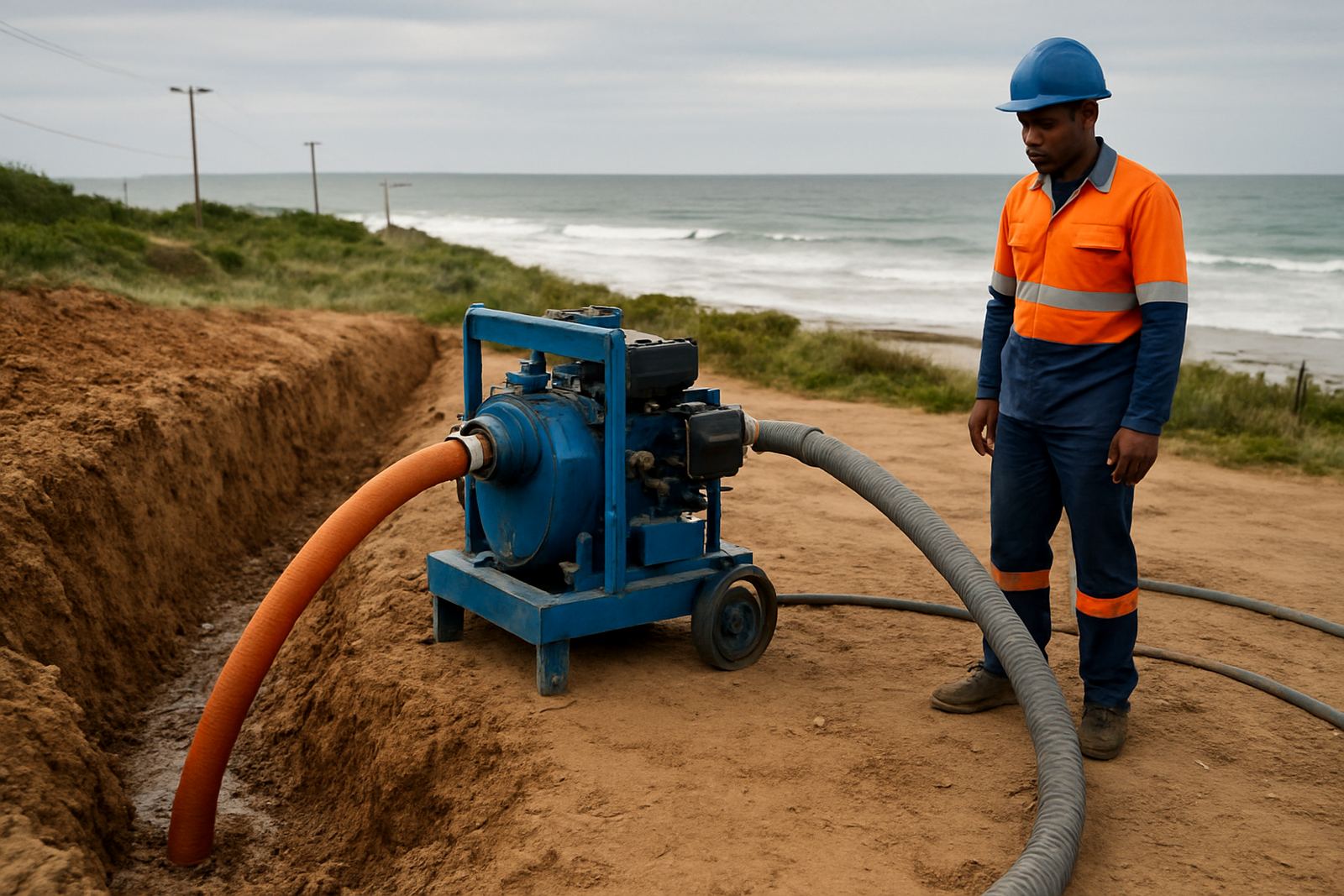
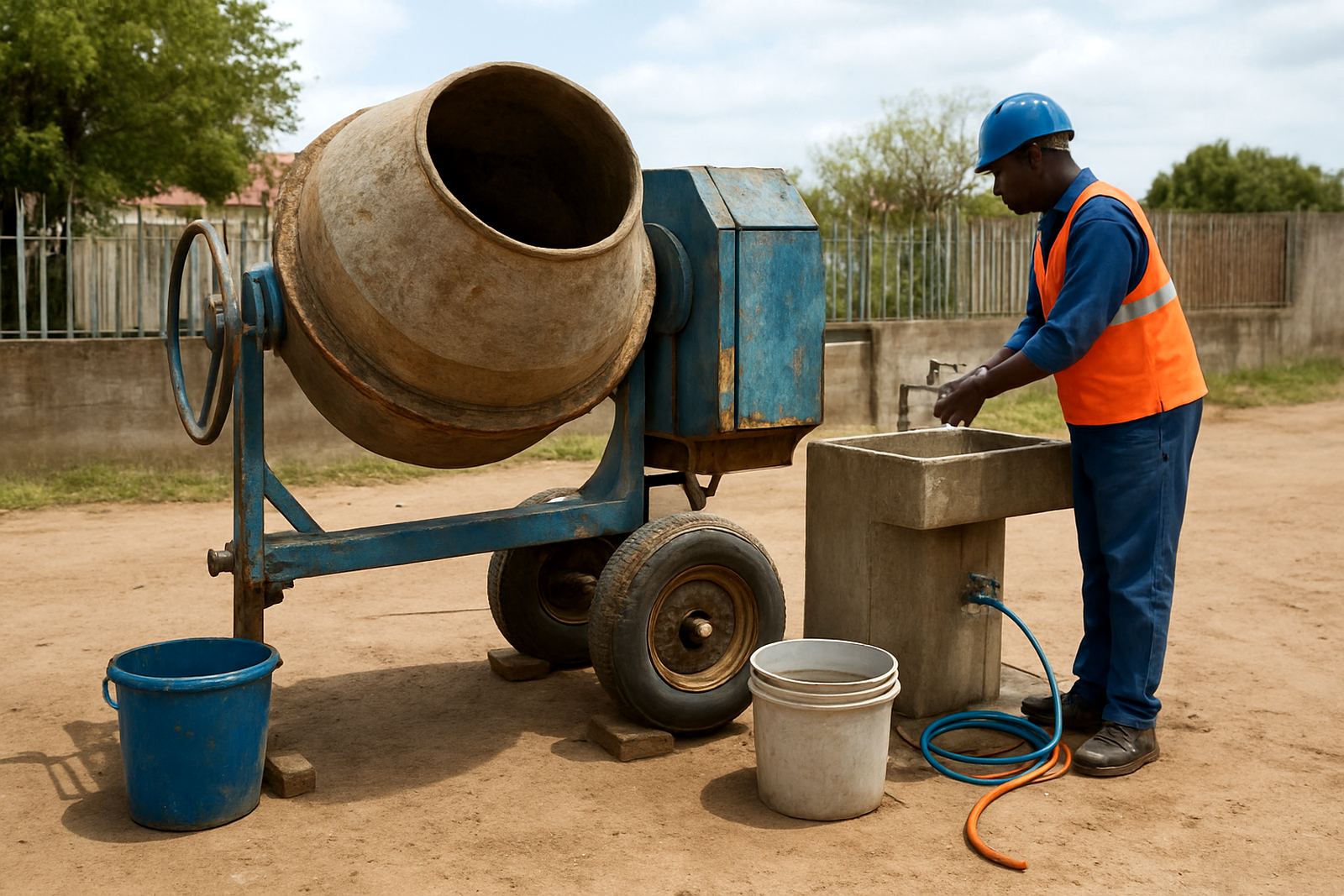
Pumps also need a clean intake, the right hose length and a safe discharge point. Salt water, muddy water and rainwater each behave differently and a pump that is perfect on one job may be wrong on the next. We cover these points so you can avoid clogging, short run times and unnecessary wear.
Scaffolding and work at height
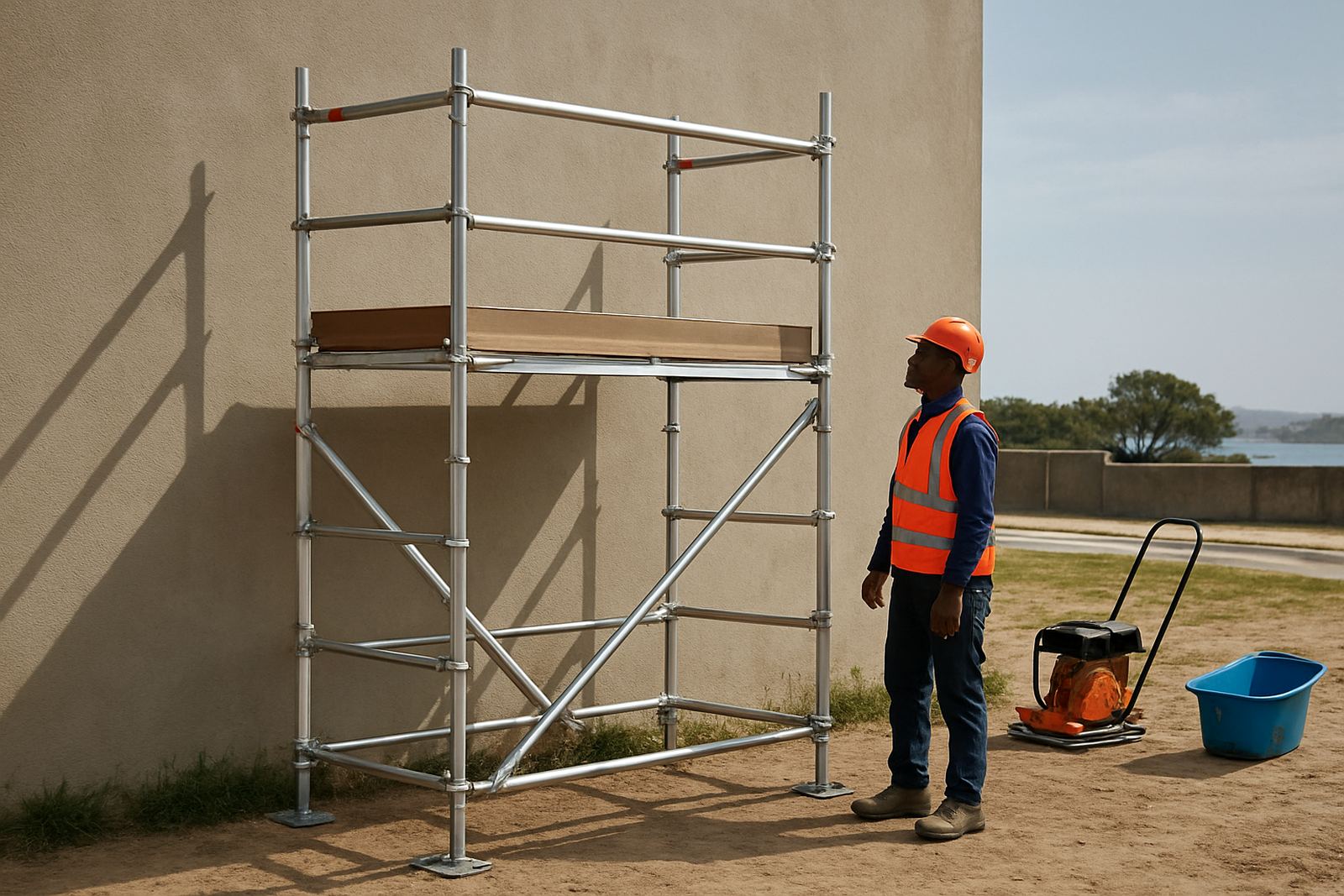
Scaffold work needs more than a set of pipes and boards. Ground bearing, tie points, access ladders and safe working load all matter, and the coast can make things trickier when wind picks up off the bay. Our scaffold planning notes are useful for builders who need a proper layout before the first lift goes up.
- Never assume level ground, check it.
- Keep footing clear of loose sand, wet soil and rubble.
- Plan access for tools and materials before the scaffold is assembled.
- Watch wind exposure on open sites and near raised structures.
Compactors and site prep
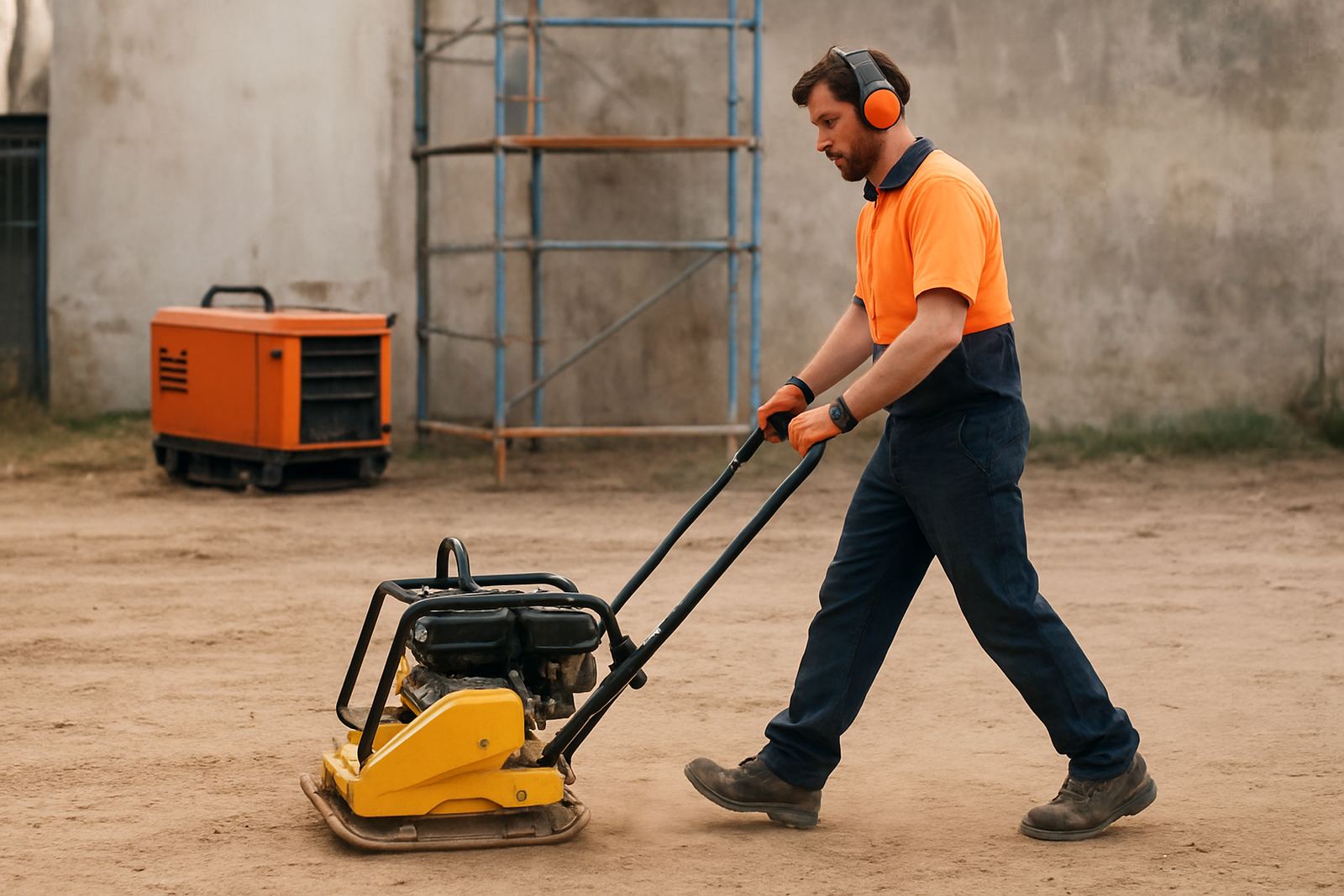
Compactors are often hired for paving, slabs, trench work and yard preparation, but the surface must be ready before the machine is started. Wet clay, hidden rubble and uneven fill can cause poor results or strain the equipment. If the job is in Beacon Bay or Kidds Beach and the ground has been softened by rain, it is worth checking conditions first rather than pushing on and hoping for the best.
Safe use is partly about operator control and partly about the site itself. Clear loose debris, keep bystanders back and work in passes that suit the material being compacted. That saves time and gives a cleaner finish.
Event hire safety for crews and guests
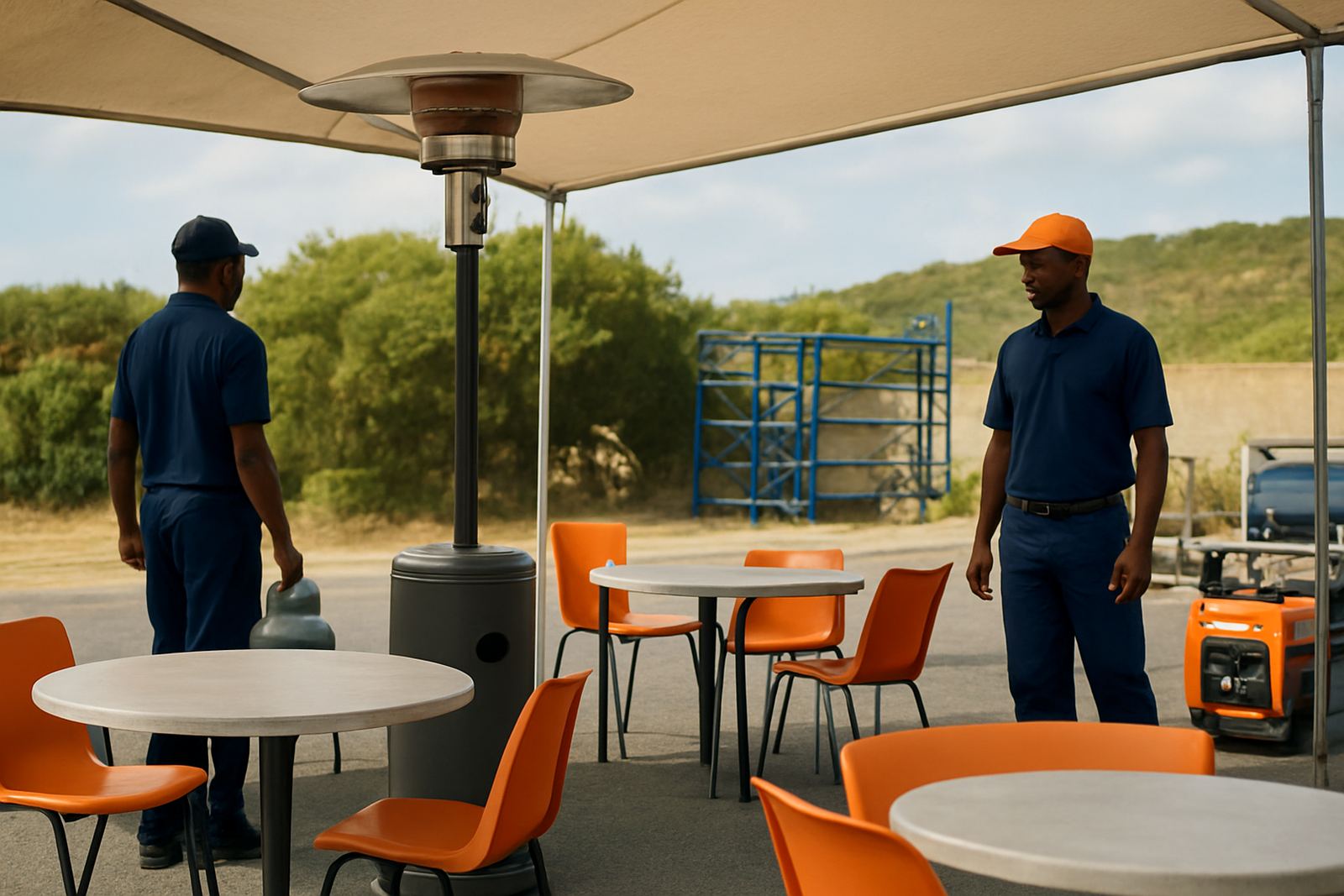
Party equipment looks simple on the day but it still needs planning, spacing and proper supervision. For events in East London, Gonubie or along the coast, we help with layout points so marquees, seating, power units and access paths do not clash. A neat layout also makes it easier to manage cables, wet weather and guest movement.
When the event is on a public or shared site, check access times, noise rules and any local permission requirements early. A bit of planning now avoids last minute changes later, and keeps the setup looking tidy for guests and staff.
If you are unsure, ask before the hire starts
First-time hirers often only need a short briefing to avoid the common mistakes. Our team in East London can talk through use, delivery, collection and the safest way to stage the equipment on site. For urgent work, weekend hire or emergency callout, it helps to give us clear details upfront so we can respond properly.
Coastline Hire has been serving the Eastern Cape coast since 2008, and we know that no two sites are the same. A quick check before handover can save a lot of time later, and keeps the job moving with fewer surprises.