Start With The Right Heater For The Space
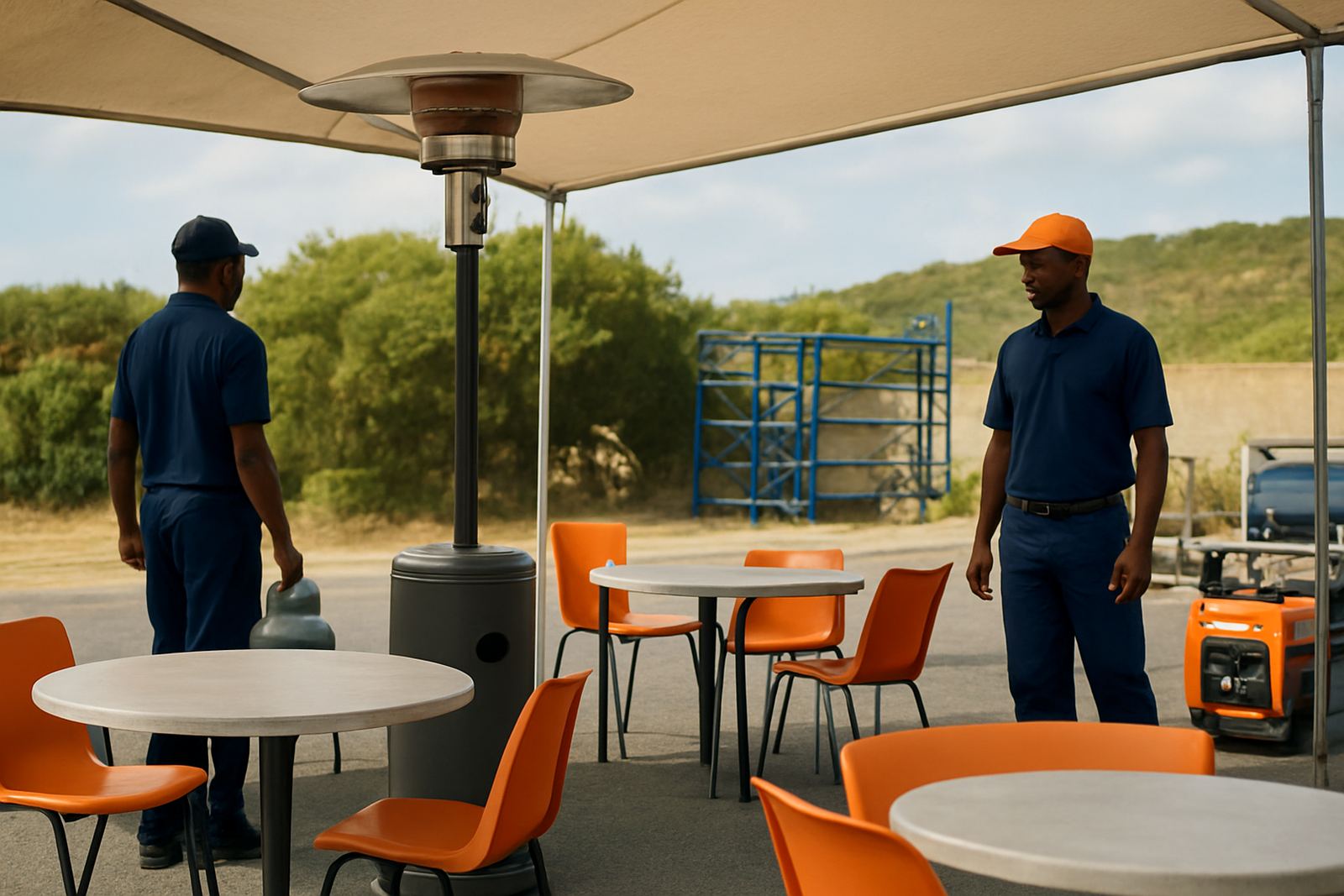
Before you switch anything on, match the heater to the room or marquee size, the number of people inside and the ventilation available. A small enclosed room in Beacon Bay needs a very different setup to a shaded function area in Gonubie or a half-open work tent in East London. If the space is tight or poorly ventilated, do not assume more heat is better because that can quickly create a dangerous buildup.
For indoor or semi-enclosed areas, check that the heater is meant for that setting and that you have enough fresh air moving through the space. If you are hiring for a church hall, wedding marquee, site office or sheltered patio, ask for advice before the event starts. A quick pre-hire briefing saves trouble later, especially when people are moving tables, draping fabric, or adding extra chairs at the last minute.
Set Up Clearances Before You Light It
Keep every heater well clear of curtains, table linen, décor, sleeping bags, tool bags and clothing. Guests often lean coats over chairs or place bags close to the warmth, then forget about them. On worksites the same thing happens with dust sheets, packaging and fuel containers. The safe gap depends on the heater type, so follow the instruction label and do not squeeze the unit into a corner.
- Place the heater on a flat, stable surface.
- Keep walkways open so nobody brushes against it.
- Do not place it under low fabric, plastic sheeting or banners.
- Keep it away from wet floors, puddles and loose extension leads.
- Make sure children and pets cannot reach it.
If you are using heaters at an event, assign one person to watch the setup before doors open. That person should check that no tablecloth has drifted too close and that no seating has been moved into the heater zone. It only takes one small mistake for a fabric edge to catch or melt.
Mind Ventilation In Closed Or Covered Areas
One of the biggest risks with heaters is running them in a sealed room, gazebo or enclosed marquee with not enough airflow. Heat can build fast, and with fuel-burning units there is also the danger of fumes. If windows are closed to keep out coastal wind and rain, you still need some ventilation. A covered space that feels warm and still can become unsafe much quicker than people expect.
Watch for signs of poor ventilation such as headache, drowsiness, stinging eyes or a stuffy feeling. If anyone feels unwell, switch off the heater and open the area immediately. Never block vents, never tape over openings, and never use a heater in a sleeping space unless it is specifically approved for that use. In our humid coastal weather, condensation can also make floors slick so check for slip risks around the unit.
- Open high vents or side gaps where possible.
- Do not use fuel-burning heaters in fully sealed rooms.
- Keep a doorway or flap partially open when practical.
- Do a fresh air check every hour at long events.
Power, Fuel And Cables Need Proper Control
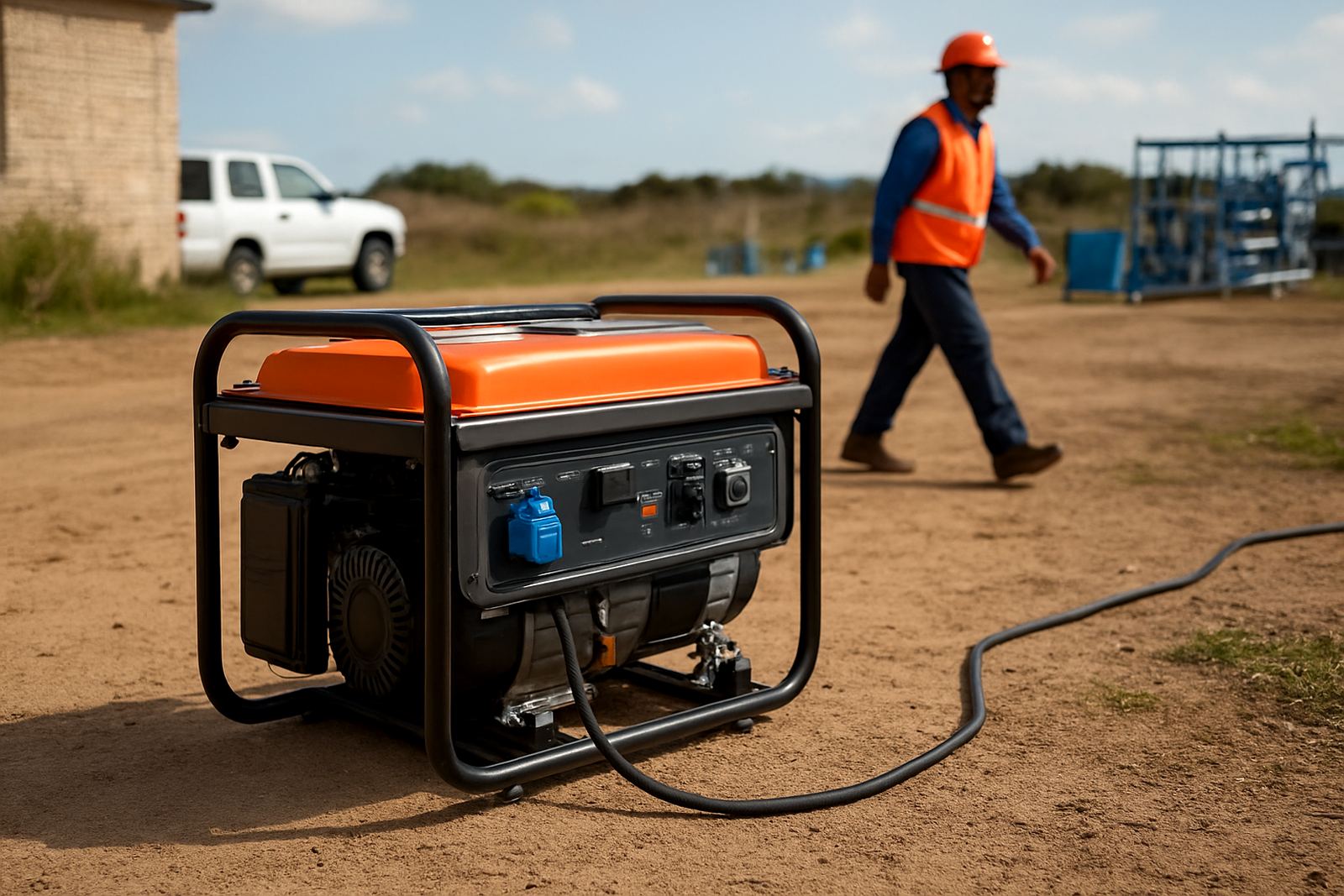
Heaters pull a lot of power and on site that can overload a circuit if they are added to a line already carrying kettles, lights or pumps. Use the correct outlet and avoid running multiple high-load items from one lead. If you are using a generator, make sure it is sized properly and placed where exhaust fumes will not drift back into the function area. We also recommend fuel management for longer jobs so refuelling happens safely and not in a rush.
Keep cables tidy and protected. A loose lead across a walkway is a trip hazard and a damaged cable can become a shock risk. If the heater needs gas or liquid fuel, store spare containers away from the unit and never top up while it is hot. Let the equipment cool first. A little care here prevents most of the common callouts we see during winter hire.
- Use only rated extension leads and avoid daisy-chaining.
- Keep fuel containers capped and upright.
- Switch off before moving or cleaning the heater.
- Do not refuel near open flames or sparks.
Supervise Heaters Through The Whole Hire Period
A heater should never be treated as a fit and forget item. Someone needs to know who turned it on, who is checking it, and what to do if it starts smelling unusual or making a strange noise. At parties and functions, that may be the venue manager or event crew. On sites, it should be the supervisor on duty. If the heater is left running overnight, make sure that is specifically allowed and that the area is secure.
Before guests arrive or the crew starts work, do a quick walk-through. Check that nothing has been placed on top of the unit, that there is no dust build-up around vents and that the area still has the same clearance as when it was set up. It sounds basic, but a lot can change once people begin to move around. We have seen chair rows shifted, sidewalls dropped, and boxes parked too close without anyone realising.
Simple Checks Before You Switch On
Use this short checklist every time. It takes only a minute and it can stop a dangerous situation before it starts. If any answer is no, fix it first or do not use the heater.
- Is the heater level and stable?
- Is there enough clearance from fabric, walls and people?
- Is the area ventilated?
- Are cables, fuel and gas containers positioned safely?
- Is someone responsible for monitoring it?
- Have wet floors, loose papers and rubbish been cleared?
If you are unsure about placement, size or power supply, ask for a pre-hire briefing before the event or site shift begins. A few minutes of planning is better than dealing with damage, lost time or a callout in the middle of the night.