Start with the surface, water and power source
Before you switch on any cleaning unit, look at the surface and the area around it. Concrete, block paving, painted floors, tiles, timber decks and steel all respond differently to pressure and suction. On a coastal site, salt, windblown sand and damp patches can make surfaces slippery, so a quick inspection helps you avoid damage and falls.
Check where the nearest power point is, where the hose will run, and where wastewater can drain. Never assume a socket is dry just because the floor looks clean. If you are working near standing water, test the area first and keep plug connections well away from puddles. On sites in Beacon Bay or Gonubie, where humidity stays high, cables and plugs can stay wet longer than you expect, so give them extra attention.
For pressure washers, confirm the nozzle size and pressure setting before starting. For vacuum units, make sure the bag, drum or filter is fitted properly. A loose filter or blocked hose can put strain on the motor and shorten the life of the machine.
Set up safe working zones before you clean
Good setup prevents most cleaning accidents. Clear the area of loose stones, offcuts, packaging and small tools. Mark off the work zone where other workers, guests or the public might pass through. If you are cleaning around a venue in East London or a function space in Kidds Beach, keep the wet area separate from the walking route.
- Keep extension leads off wet ground and out of traffic paths.
- Use a dry starting point for the machine and operator.
- Place warning signs or cones at both ends of the work area.
- Make sure children and visitors stay clear during event clean-up.
- Check that hoses will not kink or cross a doorway where people move through.
Do a fast walk-through before you start. If you spot a cracked tile, loose carpet edge or unstable step, deal with it before the cleaning begins. That small step can prevent a slip or a damaged surface.
Pressure washing without damaging the surface
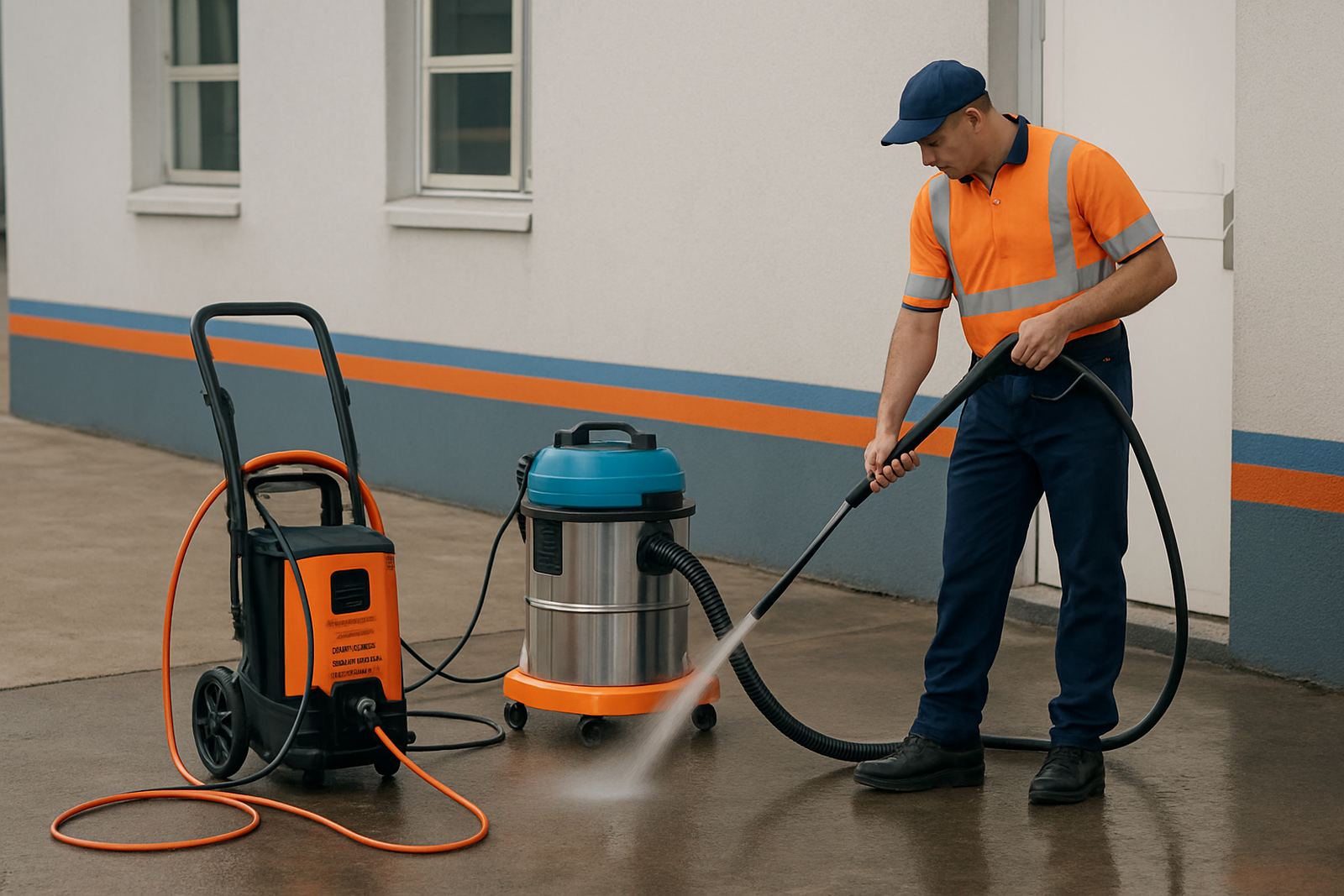
Pressure washing needs control, not force. Start with the widest spray pattern and hold the nozzle at a steady distance from the surface. If you stand too close, you can strip paint, lift grout or leave marks on soft concrete. Always test a small corner first, especially on older homes, business entrances or newly finished floors.
Keep both hands on the lance where possible and stand with firm footing. Never point the jet at people, pets, electrical fittings or open drains. If you are cleaning near wall sockets, lights or gate motors, cover them properly before you begin. In coastal towns, wash residue can carry grit that scratches glass and polished surfaces if you blast it around.
Move in smooth, overlapping passes rather than stopping in one spot. That keeps the finish even and reduces streaking. If the machine starts pulsing or the spray weakens, shut it down and check the inlet, hose and filter instead of forcing it to continue.
Vacuum cleaning on dusty, wet or mixed debris
Vacuum cleaners used on workshops, halls and event spaces need a bit of planning because not every machine suits every mess. Dry vacuums should stay on dry debris only. Wet and dry units can handle both, but the filter, float and drum need to be set up correctly before use. Never pick up plaster slurry, stones or sharp metal unless the machine is built for it.
Empty the drum before it gets overloaded. A heavy drum can be awkward to move and may tip when lifted. If you are working in a busy space, keep the hose clear of feet and trolleys. In a venue clean-up after a party, it helps to vacuum in sections so you can see cables, bottles and loose fittings before they get caught.
- Check the cord, plug and hose for cuts before each shift.
- Use the right attachment for carpets, hard floors or corners.
- Keep the unit level on firm ground to avoid spills.
- Do not vacuum liquid unless the machine is approved for wet use.
- Switch off and unplug before clearing a blockage.
Water, electricity and weather are the main risks
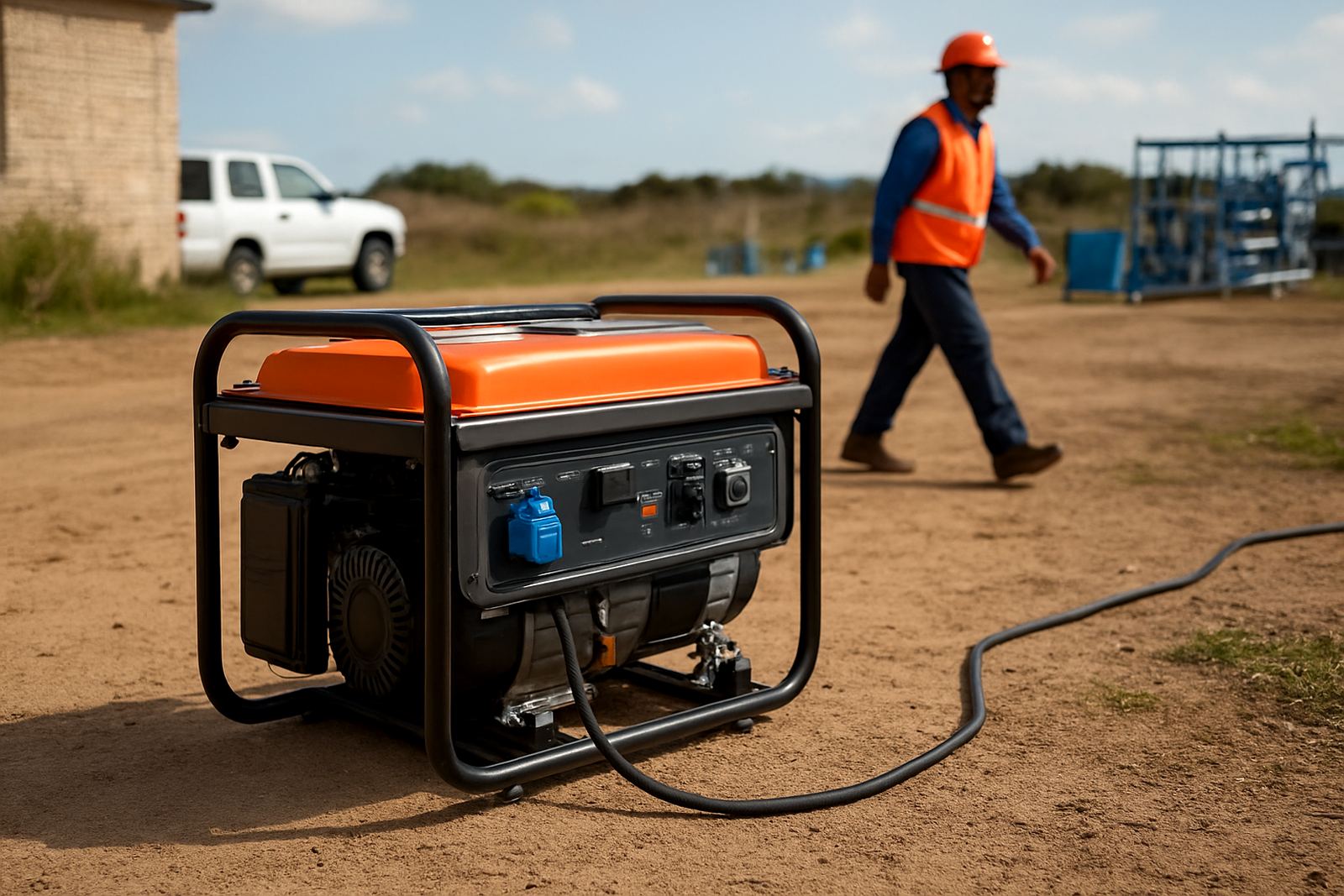
Water and electricity never mix well, so treat every cleaning job as an electrical task as well as a wash-up. Use proper outdoor protection where needed and never improvise with taped joints or loose adaptors. If a cable runs through a wet patch, stop and reroute it. One small leak can turn into a shock risk very quickly.
Weather matters too. On the Eastern Cape coast, sudden rain, sea mist and strong wind can change a safe setup into a poor one in minutes. Secure hoses and leads so they do not move around in the wind. If lightning is nearby, switch off and disconnect the equipment. For long-term jobs, keep a dry storage spot for plugs, cloths and spare accessories.
After use, drain hoses and leave the machine where it can dry out properly. Storing wet equipment in a closed vehicle or container can cause rust, smell and electrical faults later on. A quick dry-down at the end of the day saves time the next morning, and it helps the kit last longer.
Close down, inspect and report faults early
When the work is done, switch off, isolate power and let the unit cool before packing away. Coil hoses neatly and avoid sharp bends in cords. Wipe down the machine, check for leaks, and look over the nozzle, trigger, filters and wheels. If anything feels rough, noisy or loose, note it straight away instead of leaving it for the next user.
A short end-of-hire check is especially useful on busy sites in Qonce and Port Alfred where equipment may be turned around quickly. Small faults often show up first as a drop in pressure, a hotter motor or an unusual vibration. Catching those signs early can prevent a breakdown during the next job.
Good handling also means honest reporting. If a hose was split, a fitting cracked or a filter damaged, say so before collection or return. That helps keep the equipment safe for the next crew and avoids delays on site.
Quick pre-use checklist for cleaners and site teams
Use this short check before every hire or shift so nobody starts in a hurry and misses a basic step.
- Inspect cords, plugs, hoses and nozzles.
- Confirm the surface can handle the pressure or suction.
- Keep water away from sockets and control switches.
- Set up barriers, signs or cones where people pass through.
- Test the machine briefly before full use.
- Wear suitable footwear with grip and closed toes.
- Stop at once if the machine leaks, trips or loses power.
If you are unsure about setup, ask for a pre-hire briefing and talk through the job before the equipment leaves Beacon Bay. That is often the easiest way to avoid delays, wastage and rework.