Check the saw, blade and power source before first cut
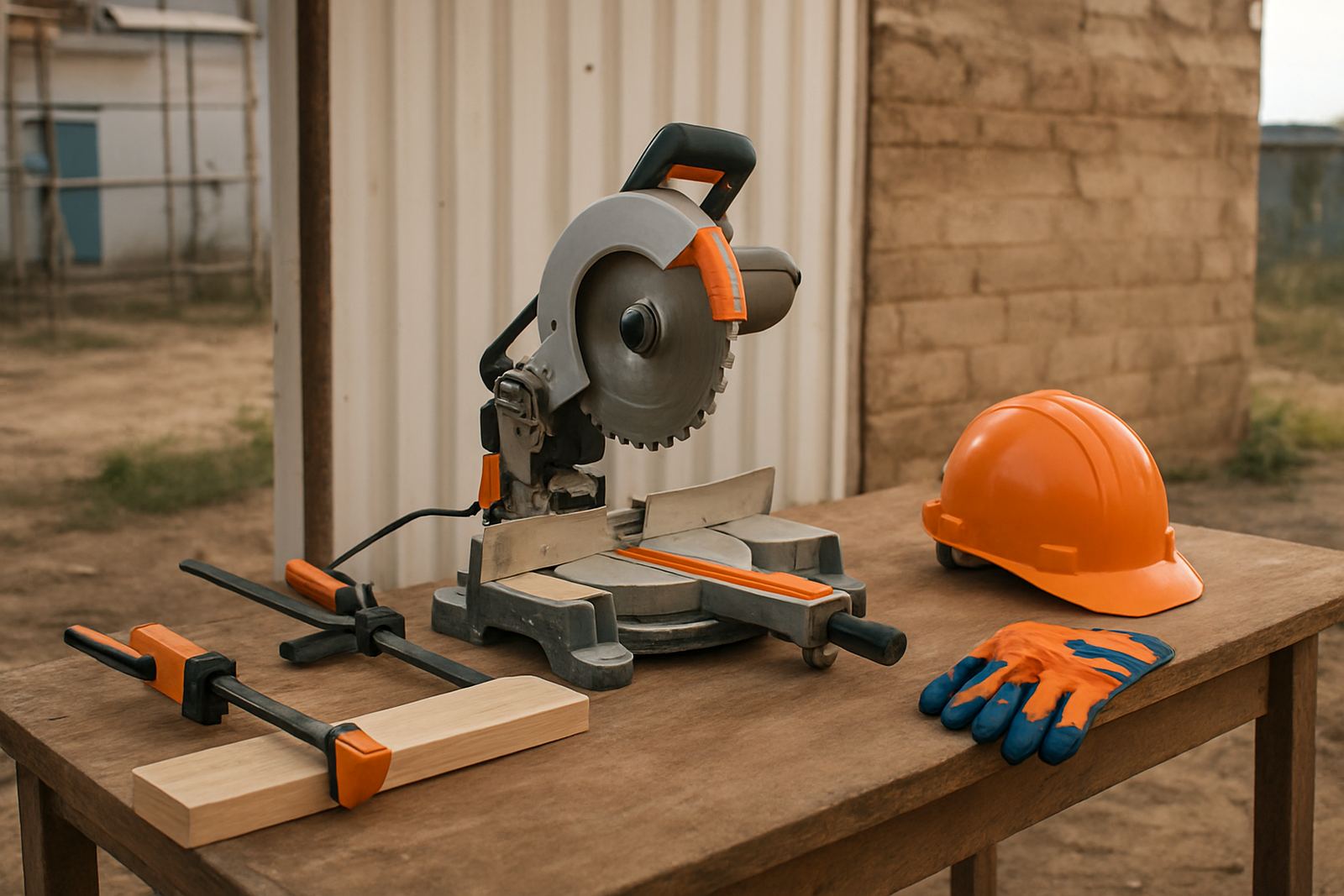
Before you switch on, inspect the saw body, guards, blade nut and handle. A loose guard or a cracked blade can throw debris, damage the machine and put the operator at risk. On hired equipment, check that the blade matches the material you are cutting and that it is fitted the correct way round. If the blade is for timber do not use it on brick or steel, and the same applies the other way round.
For electric saws, look at the cable, plug and extension lead. Damaged leads are common on busy sites in East London and along the coast where equipment gets moved often. For petrol saws, check fuel, oil and the throttle action before you start. If you are working during load-shedding, make sure the generator capacity is enough for the saw and any dust extraction or lighting you are using.
- Check guards move freely and return by themselves.
- Make sure the blade is tight and not warped.
- Confirm the blade type suits masonry, timber or metal.
- Inspect cables, switches, fuel lines and fittings.
Set up a safe cutting area before the machine starts
Choose a level working area with firm footing and enough space for the full cut. Keep other people out of the cutting zone, especially children and event staff when saws are being used near marquees or staging. Mark the line clearly and decide where offcuts, dust and sparks will go before you start. If you are on a coastal site in Gonubie or Kidds Beach, wind can move dust and grit fast, so position the work to reduce blowback.
Support the material properly. Timber should be clamped or held on trestles, masonry should sit stable on a flat surface and metal should be secured so it does not twist. Never hold a piece in your hand while cutting it. Leave a clean path for the operator and keep water hoses, fuel cans and loose extension leads away from the blade area.
- Clear the floor of rubble, cords and loose offcuts.
- Set barriers or cones where others can enter the area.
- Clamp or brace the workpiece before starting.
- Keep sparks, dust and slurry away from fuel and cables.
Use the right cutting method for masonry, timber and metal
Masonry cuts need a steady feed and enough cooling or dust control. Do not force the blade through bricks, blocks or pavers because the cut will wander and the motor or blade can overheat. Timber cuts should be smooth with the saw allowed to work at its own pace. If the timber binds, stop and adjust the support rather than pushing harder. Metal cutting produces heat and sharp burrs, so let the blade do the work and keep the material fixed tight.
Stay balanced with both feet planted and keep both hands on the saw unless the machine is designed otherwise. Start the cut before full pressure is applied, then move through the line with control. If the blade starts to smoke, chatter or pull to one side, stop and check the setup. A quick pause is better than a damaged blade or a cut that misses the line by 10 mm or more.
- Let the blade reach full speed before entering the material.
- Do not twist the saw while the blade is in the cut.
- Stop if the material moves, jams or starts vibrating.
- Use the correct feed rate for the material and blade type.
Wear the right protective gear for the job
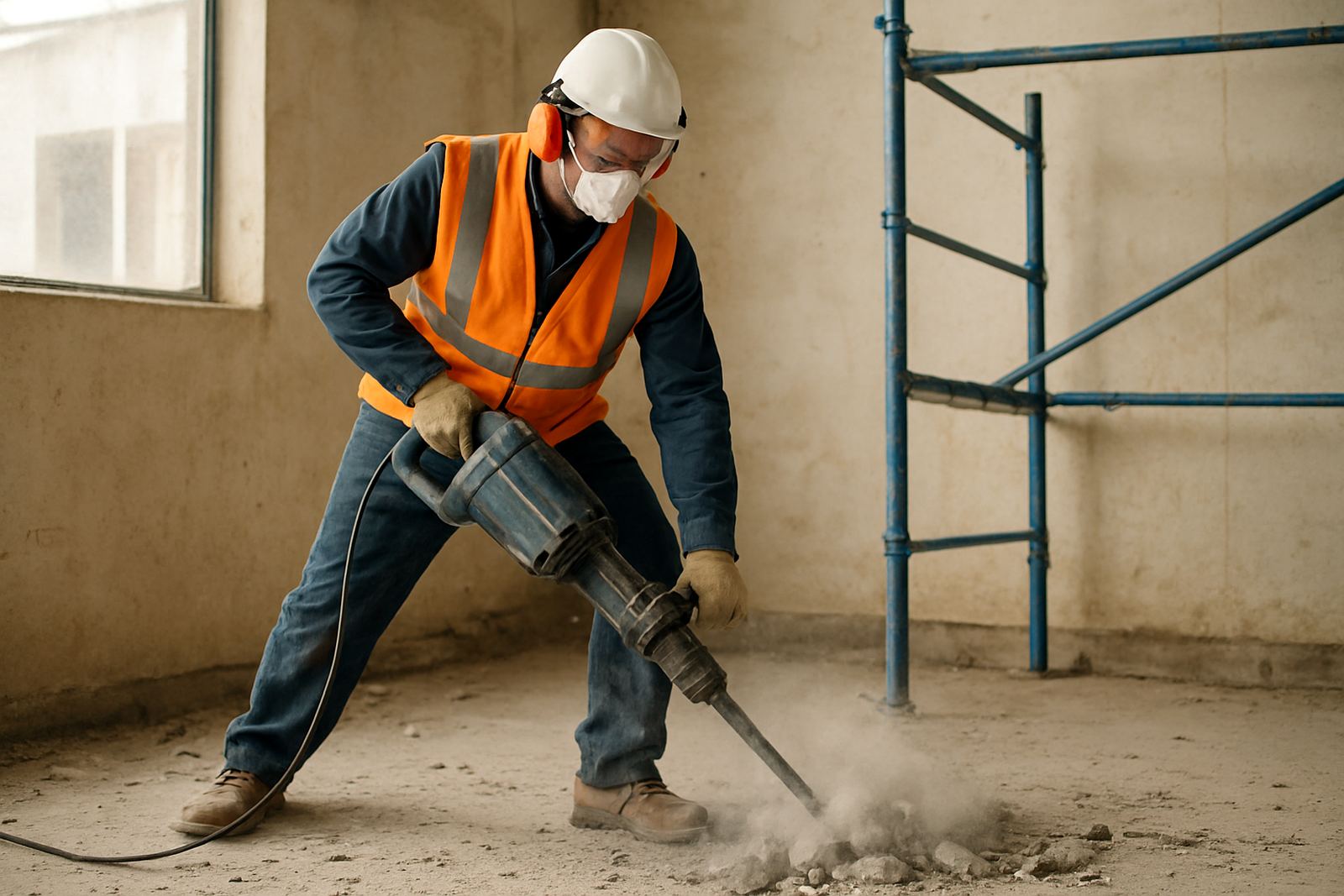
Eye protection is non-negotiable. Masonry dust, metal filings and timber chips can all travel further than you expect. Wear hearing protection if the saw is running for long periods, and use a dust mask or respirator where fine dust is being created. Gloves can help with handling raw material, but they must not reduce your grip or get caught in moving parts.
Wear fitted clothing, strong boots and tie back loose hair. On hot days in Port Alfred or Beacon Bay people often remove gear too soon, then one hot chip or stone chip causes an injury. Keep a first aid kit nearby and know where clean water is if you are cutting concrete or stone. If slurry is being used, wipe it up so no one slips on the work area later.
- Safety glasses or a face shield.
- Hearing protection for repeated or long cuts.
- Dust control where masonry is being cut.
- Boots with good grip and closed toes.
Control dust, sparks and noise on active sites
Good cutting practice is not only about the person on the saw. Dust can affect everyone on site, including neighbours if you are working in a residential street. Where possible use wet cutting, extraction or a scheduled cutting area away from traffic and open doors. Sparks from metal cutting must be directed away from stored timber, packaging, gas bottles and vehicle tyres. Noise can upset nearby residents, schools and event guests, so plan the timing of the work carefully.
If the site has municipal rules or access limits, follow them before you start. Some jobs in Qonce or East London need delivery timing, parking control or loading permissions. Keep the work neat and manage the waste as you go, not after the job is done. It is easier to keep a site safe than to clean up dust and offcuts once they have spread.
- Use water suppression or dust extraction where suitable.
- Keep sparks away from flammable items.
- Schedule noisy work at sensible times.
- Stack offcuts and broken material as you cut.
After the cut, switch off and inspect before moving on
When the cut is complete, let the blade stop fully before setting the saw down. Unplug electric units or switch off the power source before clearing scraps, and isolate petrol machines before refuelling or moving them. Inspect the blade for chips, cracks or heat damage. If the cut was rough, check whether the blade is worn or if the machine needs a service. A damaged blade should not go back into service just because the job is behind schedule.
Clean the saw and the work area before packing up. On coastal jobs salt air can leave moisture and light corrosion on metal parts, so wipe the equipment dry and store it out of the weather. If you are returning hired equipment, report any fault straight away so the team can check it before the next hire out. That keeps the machine ready and avoids delays on the next job.
- Allow the blade to stop completely before handling the saw.
- Inspect for wear, cracks, overheating and loose fittings.
- Clean dust, slurry and chips off the machine.
- Report any damage or unusual noise before return.