Noise control starts before the generator arrives
A quiet event starts with the right size set, not the biggest one available. If a venue in Beacon Bay only needs lights, sound, a bar fridge and a few catering items, a smaller unit running near its working range will usually sound less strained than an oversized machine idling all evening.
We often see noise problems when power is added as an afterthought. The generator ends up too close to the marquee, pointed at the dance floor, or parked where sound reflects off walls and paving. Planning the layout early makes a real difference, especially at wedding venues, church halls and coastal properties where guests are seated outside.
Place the unit where people will not notice it as much
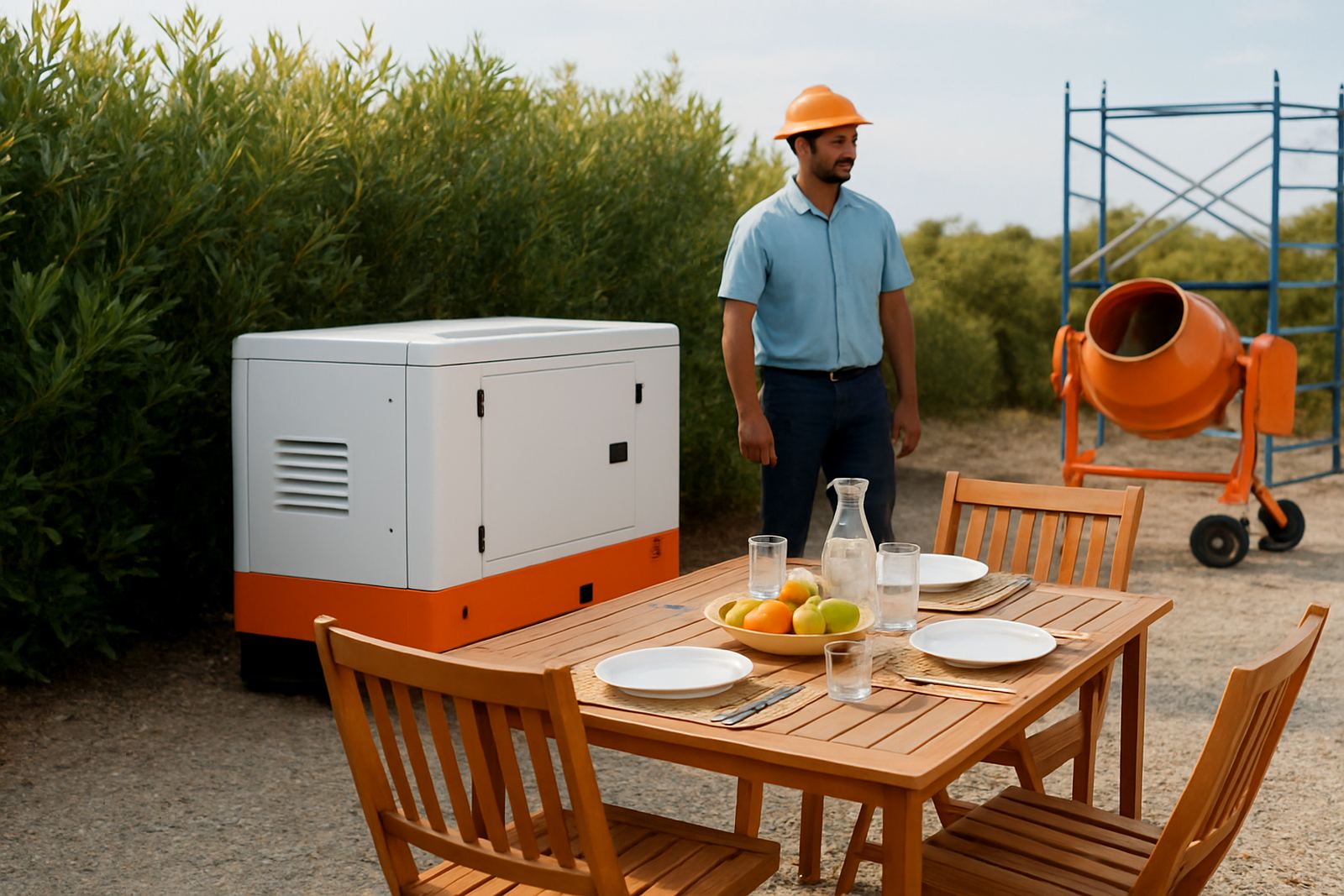
Distance is your first noise barrier. Even a few extra metres from the main seating area can cut the annoyance level a lot, particularly where speech, speeches and acoustic music are part of the programme. If the site allows it, place the unit behind a wall, delivery bay, hedge or building corner that breaks the direct line of sound.
At a beachfront function in Gonubie, for example, it can help to keep the generator on firm ground away from the deck and bar area, with the exhaust directed away from guests. On sloped or soft sites, you may need timber packing or a level base so the machine does not rattle and vibrate more than it should.
- Keep the generator as far from guests as the cabling safely allows
- Aim exhaust away from dining tables, stage areas and neighbouring homes
- Use solid surfaces carefully, since loose sheets and hollow platforms can amplify vibration
- Allow clear access for fuel checks and quick isolation if needed
Choose the right generator size for the load
One of the easiest ways to reduce noise is to avoid unnecessary overcapacity. If you only need to run a PA system, buffet lights and a few fans, a compact unit may be enough. For larger events, split the load where possible so you are not asking one machine to carry every item at once.
That matters in places like Kidds Beach and Port Alfred where venues often mix indoor and outdoor power needs. A well planned load schedule can keep the generator running steadier, with fewer sudden jumps that cause surging and extra noise. It also helps with fuel use, which matters when a function runs through the evening or across a full weekend.
- List the full event load before booking, including catering and stage gear
- Separate essential loads from non-essential items
- Ask for a pre-hire briefing if you are unsure how much power you need
- Plan for backup if the venue has older wiring or limited sockets
Use screening and barriers without trapping heat
Acoustic screening can soften noise, but it must be done with care. A generator still needs airflow, service access and safe exhaust movement. Do not box it in with solid sheets that trap heat, because overheating creates its own problems and may shorten the unit’s life.
Simple barriers like stacked site fencing, temporary panels or correctly placed décor can work well if there is enough open space around the machine. For events close to homes or guest rooms in East London, that extra layer can make the difference between a complaint and a calm evening. It is not about hiding the generator completely, just taking the edge off the sound.
Fuel management affects sound and reliability
A poorly managed machine is often a noisy one. When fuel levels run too low, or the load is too high for the unit, you can hear the strain. Stable fuel supply and proper monitoring help the generator run more evenly, which is important for long functions where no one wants flickering lights or a sudden stop during a speech.
Our team in Beacon Bay can assist with fuel management during hire, which helps reduce the chance of last minute interruption. For venues running functions into the night, this is especially useful during load-shedding stages or where municipal power is unreliable and the backup set must carry the event without drama.
- Check fuel levels before guests arrive and again during quieter breaks
- Keep the unit on level ground for consistent operation
- Assign one person to monitor power if the event is long
- Use weekend hire or long-term hire options if the venue has repeated events
Work with neighbours, venue staff and the local site
Quiet power is also about people. If the function is near neighbours, let them know the timing and expected setup early. At coastal venues where wind carries sound, a generator that seems acceptable on paper can become noticeable after sunset, so it helps to talk through the layout with the venue manager and the hire team before delivery.
In Qonce and along the Eastern Cape coast, we often see sites with narrow access, shared parking or nearby homes. A clear delivery plan, on-site setup and event layout help avoid last minute changes that can place the generator too close to the action. It is easier to move a unit before the first chair is set out than after guests have arrived.
A local example from the East London coast
For a seaside wedding in East London, the couple wanted backup power for lights, catering and a small sound system, but they did not want the generator to become part of the atmosphere. The machine was placed behind a service area with proper cable routing, a simple barrier to soften the sound, and enough space around it for safe airflow and refuelling. The result was steady power with no complaints from the venue next door.
That is the real aim: not silent power, just quieter power that lets the event feel polished. If you are planning an event in Beacon Bay, Gonubie, Kidds Beach, Qonce or Port Alfred, a short pre-hire briefing can save a lot of noise later on.