Start with the job flow, not the price list
Good multi-item hire starts with the order of work on site. If you are breaking ground, moving spoil, compacting a base and then setting up access, each step needs the next piece of equipment ready. Hiring item by item often leaves gaps, and those gaps turn into waiting time for the crew.
At Coastline Hire in Beacon Bay, we usually ask what comes first, what has to run together, and what can be shared between teams. That approach works well on building sites, smaller civils jobs and event set-ups too. It also helps with tight delivery windows in East London and along the coast where access, parking and council rules can slow things down if the load arrives in the wrong order.
Match power, access and ground prep together
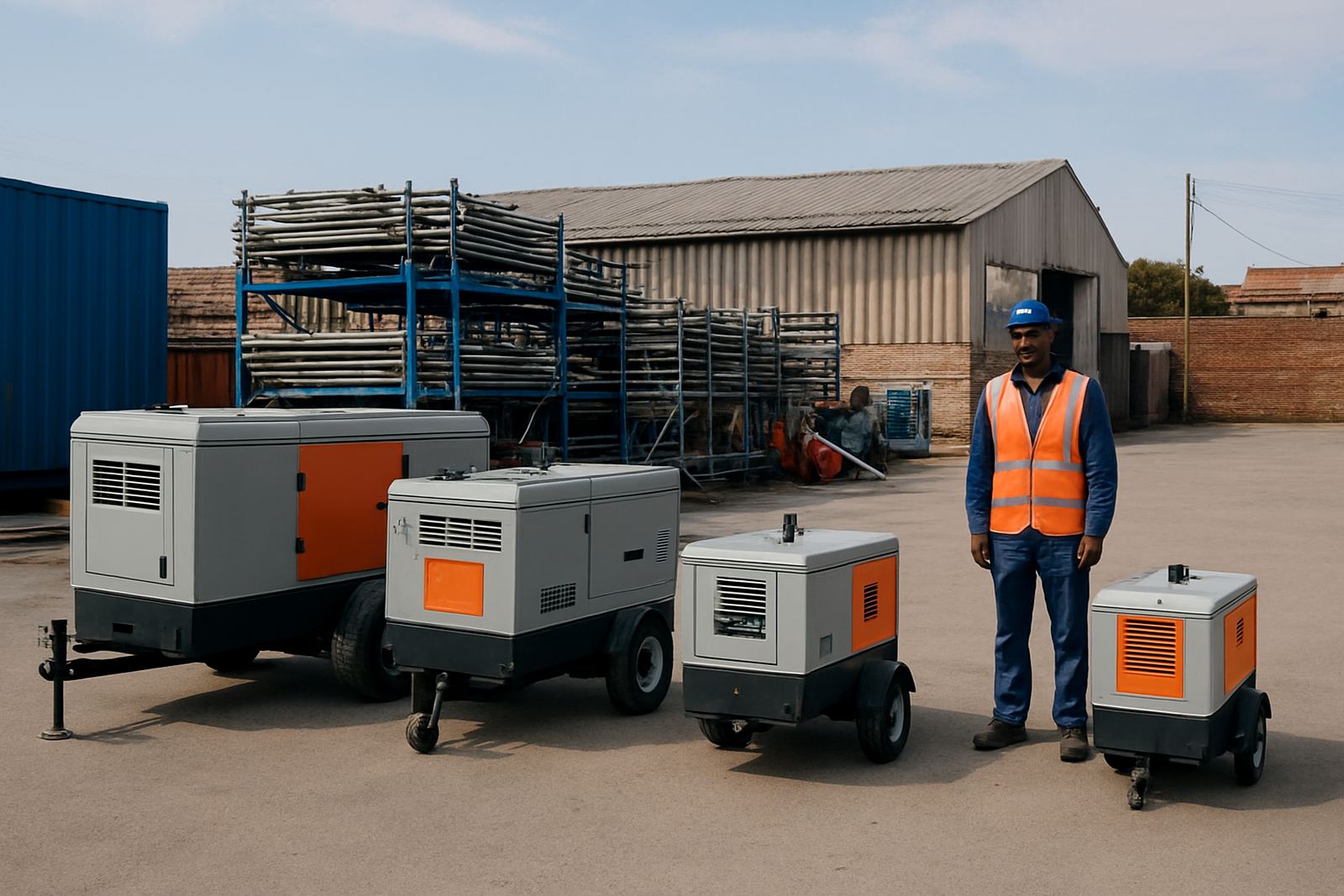
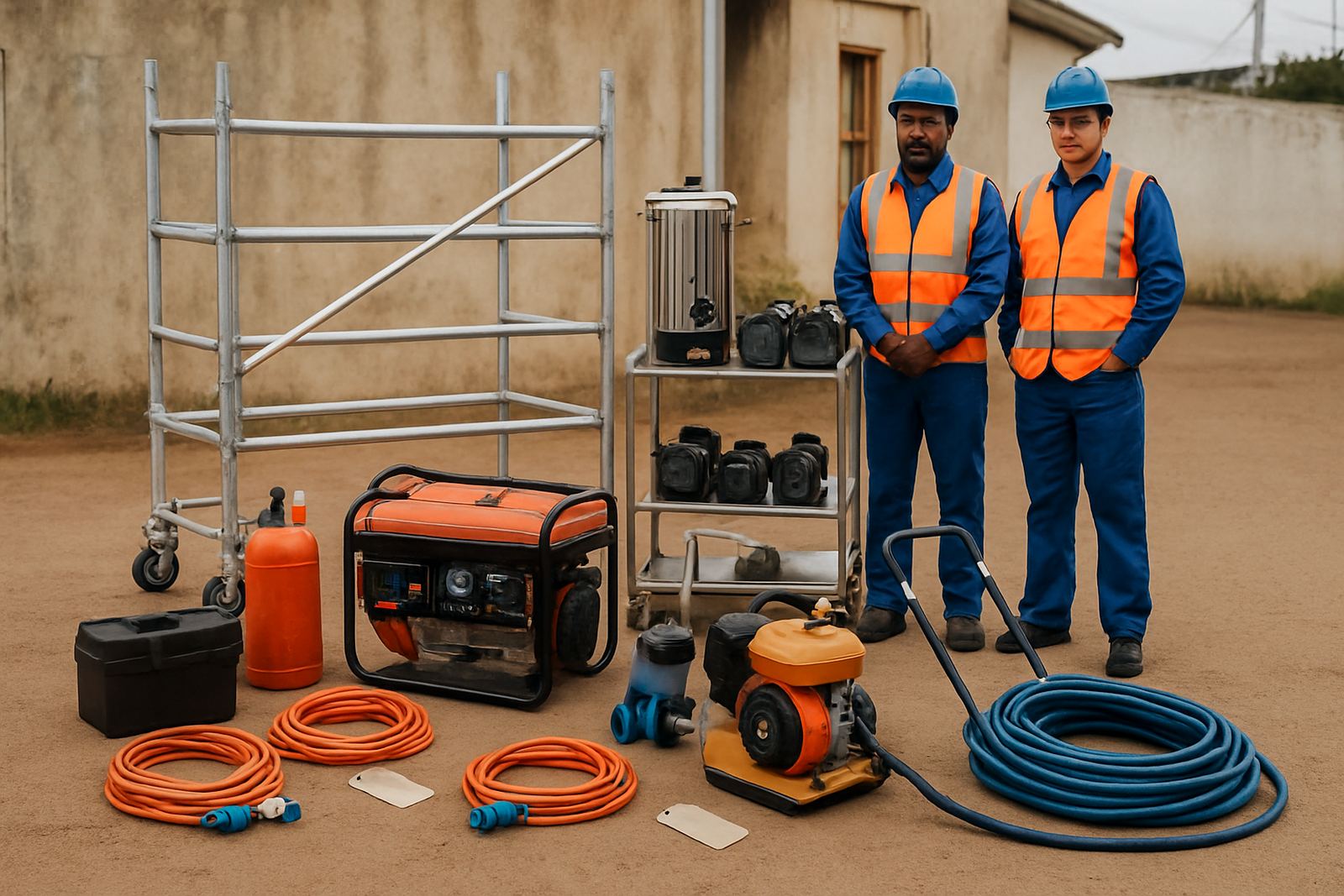
Generators, pumps, compactors and scaffolding often need to work as a set. A generator without the right fuel plan can stop a pump halfway through a wet dig. A compactor without the correct base prep can waste passes and still leave soft spots. Scaffolding without the right parts for the height and span creates rework and safety issues.
- Check the power draw of every machine that will run at the same time.
- Ask whether one generator must support lighting, pumps or hand tools as well.
- Confirm access width for delivery gates, driveways and side roads.
- List the surface type, sand, clay, concrete or mixed ground before you choose compactors.
- Plan any ladder, scaffold or access platform needs before the team arrives.
This is especially useful in coastal areas like Gonubie, Kidds Beach and Port Alfred where humidity, salt air and uneven ground can affect both equipment and work pace.
Build the hire around the people on site
The right mix is not only about machines. It is also about who will use them and how often. A builder with a small crew may need a compact generator, one plate compactor and scaffold for a short section. An events team may need lighting support, cable routing, pumps for water control and party equipment that all arrives in the same run.
For longer jobs, it helps to include support gear with the main hire so the team does not lose half a day collecting extras. We see this a lot on sites in Qonce and around East London where a simple missing hose, cable or scaffold tie can hold up work. Planning for the full crew load makes the day run better, and it keeps the site tidier too.
- Small teams usually need compact, easy-to-move equipment.
- Larger teams may need backup items so no one stands idle.
- Event crews should allow for setup, layout and clear walkways.
- Workshop or maintenance jobs may need tools that can run for longer periods.
Allow for fuel, access and the weather
On the Eastern Cape coast, weather can change the hire plan fast. Wind affects scaffold work, rain changes ground conditions, and coastal humidity can be tough on electrical gear. If the site is remote or has limited access, fuel management becomes part of the hire rather than an afterthought.
We often suggest weekend hire or long-term hire where the job needs flexibility. That can suit builders waiting on inspections, or event teams setting up ahead of a function. If load-shedding is part of the picture, generators need to be sized properly and supported with enough fuel and a sensible refuelling plan. A good plan avoids last minute panic when the lights go off and work must continue.
Use one supplier to keep timing clean
When one supplier handles site delivery, collection, setup and briefing, there is less room for crossed wires. The same team can confirm the order, note the site conditions and explain how each item fits into the full hire. That matters when you are working between Beacon Bay, Gonubie, Kidds Beach and the wider East London area, because timing and access can shift during the day.
For builder clients, we also find that scaffold planning and pre-hire briefing save time later. For event clients, layout help makes a big difference when chairs, shade, power and access all need to sit together. If the hire is urgent, emergency callout support can help keep the job moving with out the usual delay.
- One contact keeps changes easier to manage.
- Delivery and collection can be matched to your working hours.
- Setup advice helps reduce damage and misuse.
- Clear handover notes make it easier for different shifts to take over.
A local example from Beacon Bay to the coast
A small contractor working near Beacon Bay may need a generator, compactor, scaffold and a pump in the same week. The site could start with drainage work, then move to base prep, then access installation. If each item arrives separately, the crew spends too much time waiting and shifting stock around. With a proper multi-item hire, the equipment arrives in sequence, the fuel is sorted, and the team can move from one stage to the next without extra calls.
The same thinking helps an events client in Port Alfred who needs party equipment, layout support and backup power for a weekend function. Once the ground plan and power draw are set, the hire can be bundled so the venue team is not running around on the day. That makes the setup calmer, and honestly it usually saves money too.
If you are unsure what to combine, speak to a team that handles builders and events every week. Coastline Hire in East London can help you match the right machines, the right support gear and the right timing for the job at hand.