Start With What Must Stay On
Before you ask about generator size, write down the items that must run at the same time. On a building site that may be a mixer, a grinder, a small pump and a few work lights. For an event it could be sound, lighting, a kettle station and the ticket point. Do not guess, look at the rated watts or amps on each item and add them up with a bit of headroom.
In East London and the coastal towns nearby, people often plan for load-shedding but forget the starting surge. A compact pump or compressor can draw a lot more power at start-up than when it is ticking over. That is where a generator that is just big enough on paper can still fail in real use.
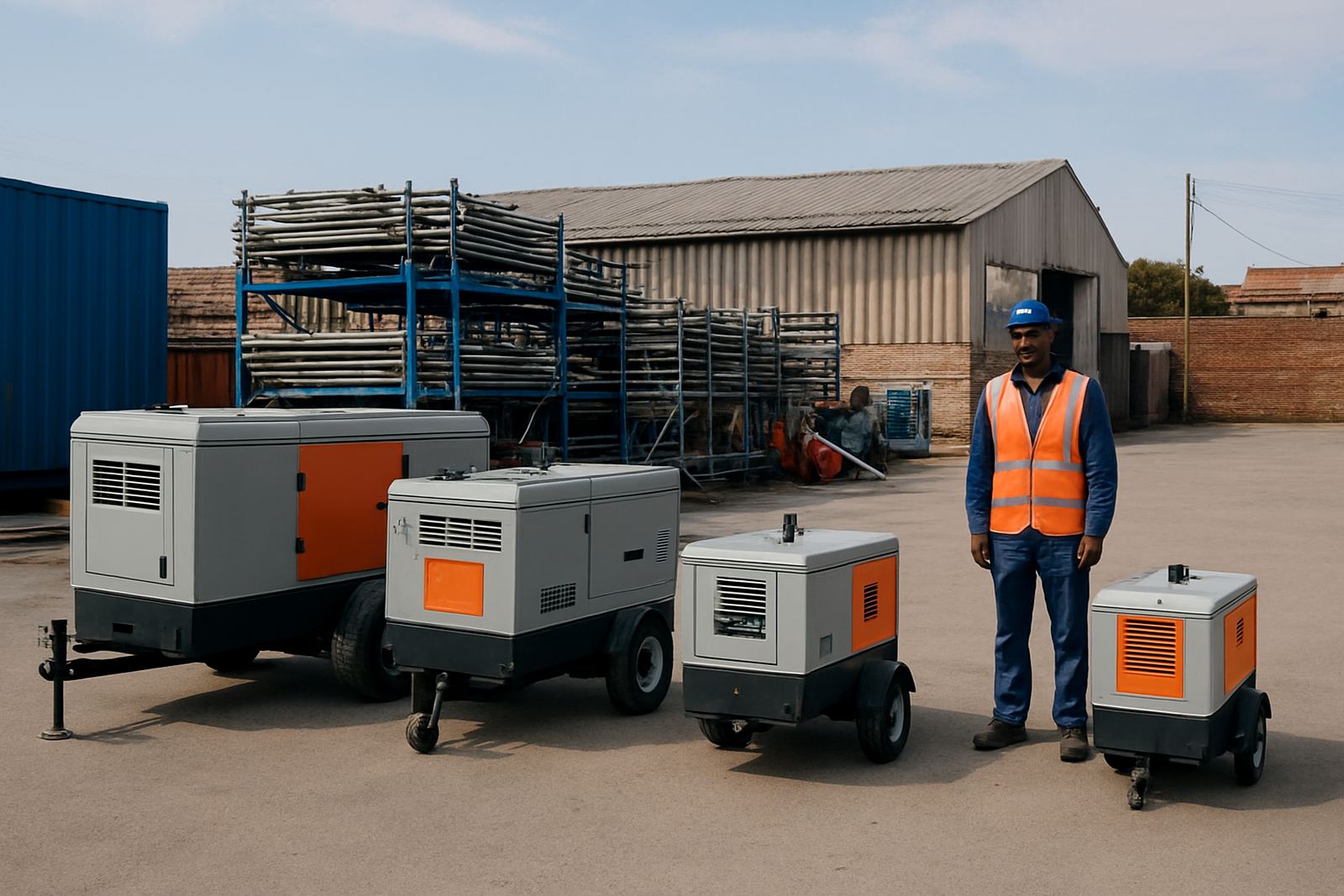
Match Generator Size To The Work You Are Doing
The right machine depends on the job. A small contractor doing hand tools and lighting needs a very different set-up to a wedding in Beacon Bay or a market day in Gonubie. Ask whether the load is resistive, like lights and heaters, or motor driven, like pumps and compactors. Motor loads need extra capacity.
- Light domestic backup: fridges, TV, a few lights and phone charging.
- Small site work: hand tools, a compact pump, charger units and work lights.
- Events: sound, stage lights, food prep, ticketing and lighting for walkways.
- Heavier site use: multiple tools, mixers, water pumps and longer run times.
If you are unsure, choose a little higher than the exact total. That gives you room for start-up spikes and future extra equipment. It also helps when the job changes on site, which happens often.
Do The Simple Load Check Before You Book
A quick load check can save a lot of trouble. If an item shows watts, use that figure. If it shows amps, multiply amps by volts to get an idea of the load. For most local work you can use 230V as the working figure, then add everything together. Keep a note of the highest load that may start at the same time, because that is often the number that catches people out.
- List every item you want to power.
- Mark which items start together.
- Check the start-up surge on pumps or motors.
- Allow extra capacity for lights, chargers or a small radio on site.
- Think about fuel use if the machine will run for many hours.
If the site is near the coast, factor in humidity and salty air too. Equipment needs to be kept clean and dry, and cable runs should be neat so plugs do not sit in wet sand or puddles.
Think About Site Conditions In The Eastern Cape
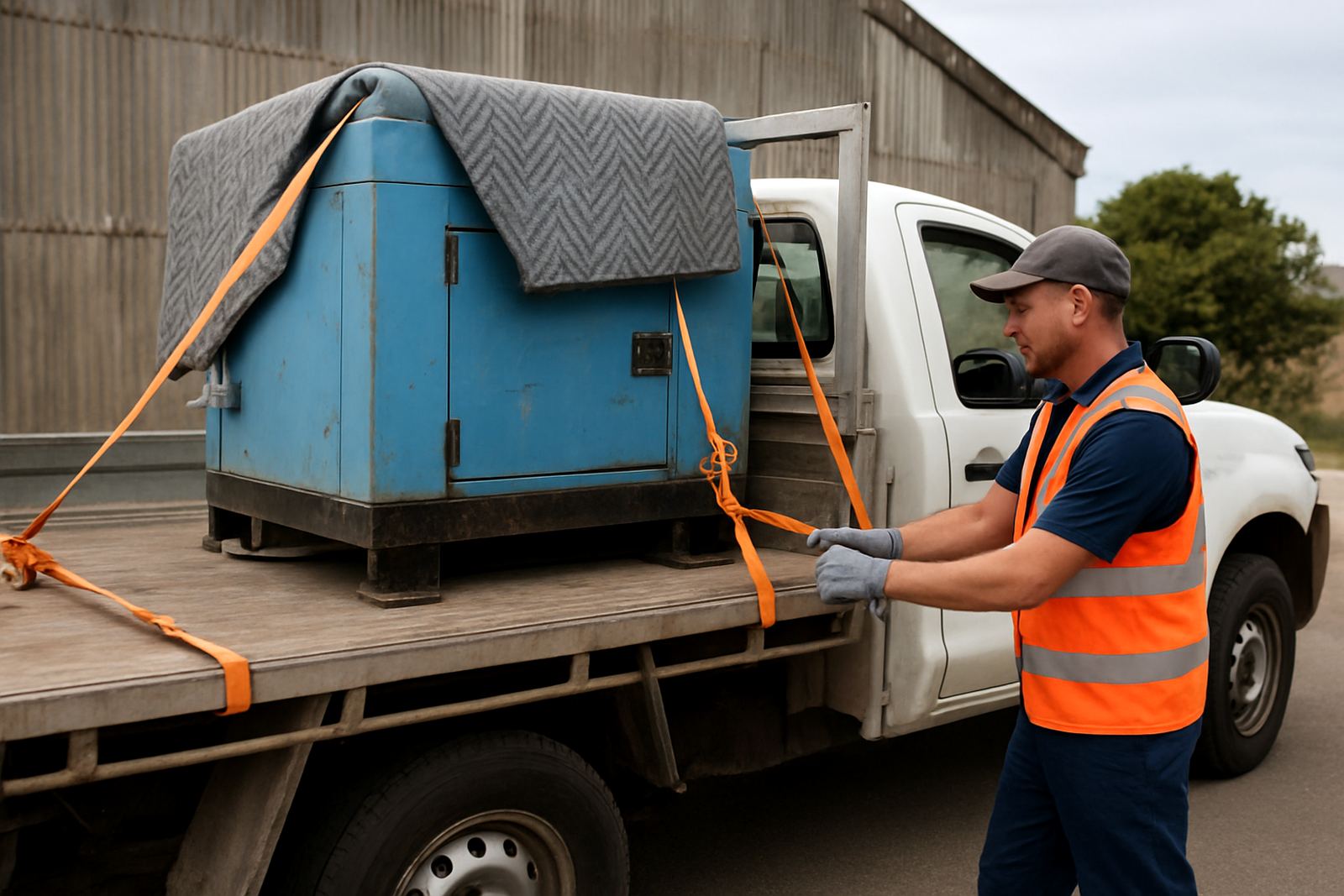
Generator choice is not only about power. It is also about where it will stand, how far the cable must run and how often it will be moved. A building project in Kidds Beach may need the generator to move from one corner to another as the work progresses. A function in Port Alfred may need a quieter set-up placed away from guests, with proper cable routing and fuel management.
On coastal jobs, the wind can lift dust and salt spray onto equipment. That means you need a unit that is set up on level ground, under cover where possible and clear of foot traffic. It also helps to keep fuel stored properly and to check oil levels before the day starts, not halfway through when the team is already busy.
For long-term hire, ask about weekend support and emergency callout. If a municipal stop-start, a storm or a site delay changes the plan, it is better to have a clear contact person and a machine that can be swapped or serviced without holding up the whole job.
Generators For Events Need Quiet Planning Too
Event power is about more than keeping the lights on. A party, launch or church gathering needs stable power for sound, catering and safety lighting. Too much noise from a generator can spoil the mood, so placement matters as much as size. Megan Petersen and the events hire team usually work from the layout first, then work out the load points and cable runs.
When planning an event, keep these points in mind:
- Place the generator where noise will not sit beside the main crowd.
- Keep cables short where possible and tape them down properly.
- Separate cooking loads from sound equipment if you can.
- Allow a buffer for extra lights, coolers or a small stage feature.
- Plan for refuelling during quieter parts of the programme.
For larger functions, a pre-hire briefing helps avoid a last-minute rush. It gives you time to walk through the layout, check the site access and agree on delivery, setup and collection.
A Local Example From Beacon Bay To Qonce
Take a contractor working between Beacon Bay and Qonce. The job needs a pump for water removal, a few power tools and lighting for early starts. On paper it looks simple, but if the pump starts at the same time as a grinder and the lights are already on, the draw jumps quickly. In that case, a slightly larger generator can be the cheaper option because it avoids stoppages, overloading and repeat trips back to site.
The same thinking works for party hire. A birthday in Gonubie with sound, fairy lights and a food table needs a different machine from a church fundraiser with speakers, a projector and extra prep equipment. If you match the generator to the actual load, the day runs smoother and the fuel bill stays more predictable.
At Coastline Hire, Siyabonga Mhlabeni and the team often help customers compare the list of equipment first, then suggest the machine that suits the job. That is usually the fastest way to avoid undersizing, which is the most common mistake on both site and event work.
Ask Before You Book
If you are not sure what size to choose, ask for a pre-hire briefing and send through the equipment list. Include the town, the start time, whether the job is indoors or outdoors, and how long the generator must run. That small bit of detail makes it easier to plan delivery, collection, fuel management and any on-site setup.
Coastal jobs can change quickly with weather, access and municipal timing, so it helps to work with a team that knows East London, Beacon Bay, Gonubie, Kidds Beach, Qonce and Port Alfred. The aim is simple: get the right generator on site the first time, and keep the power steady until the job is done.