Why sand on the coast never behaves the same twice
Anyone who has worked near the sea knows that sand can look dry on top and still hold water underneath. In Beacon Bay or Port Alfred, a site that felt firm in the morning can turn loose after a brief shower or a high tide seep. That matters because compaction is not only about weight, it is about moisture content, layer thickness and how evenly the machine passes over the area.
For builders, the main mistake is treating all sandy ground as if it is ready for compaction straight away. Dry sand can shift under the plate without locking together, while over wet sand can pump and move instead of tightening. On coastal sites, the best results come from checking the material before the machine starts, not after the slab has already been poured.
What good compaction looks like on sand
Properly compacted sand should feel even underfoot, with no soft pockets or rolling patches. For paving bases, small foundations and trench backfill, the goal is a firm, level layer that supports what sits above it without later settlement. If the layer is too thick, even a heavy machine will only pack the top and leave the lower section loose.
A practical rule on sand is to build up in thinner lifts and compact each one before adding the next. This takes more time, but it saves call-backs. It also helps when you are working near salt air, because a loose base can hold water longer and turn patchy after rain.
- Use thin lifts rather than one deep fill
- Check the moisture with a simple squeeze test
- Overlap each machine pass by about one third
- Trim high spots before moving to the next section
Choosing the right machine for sandy ground
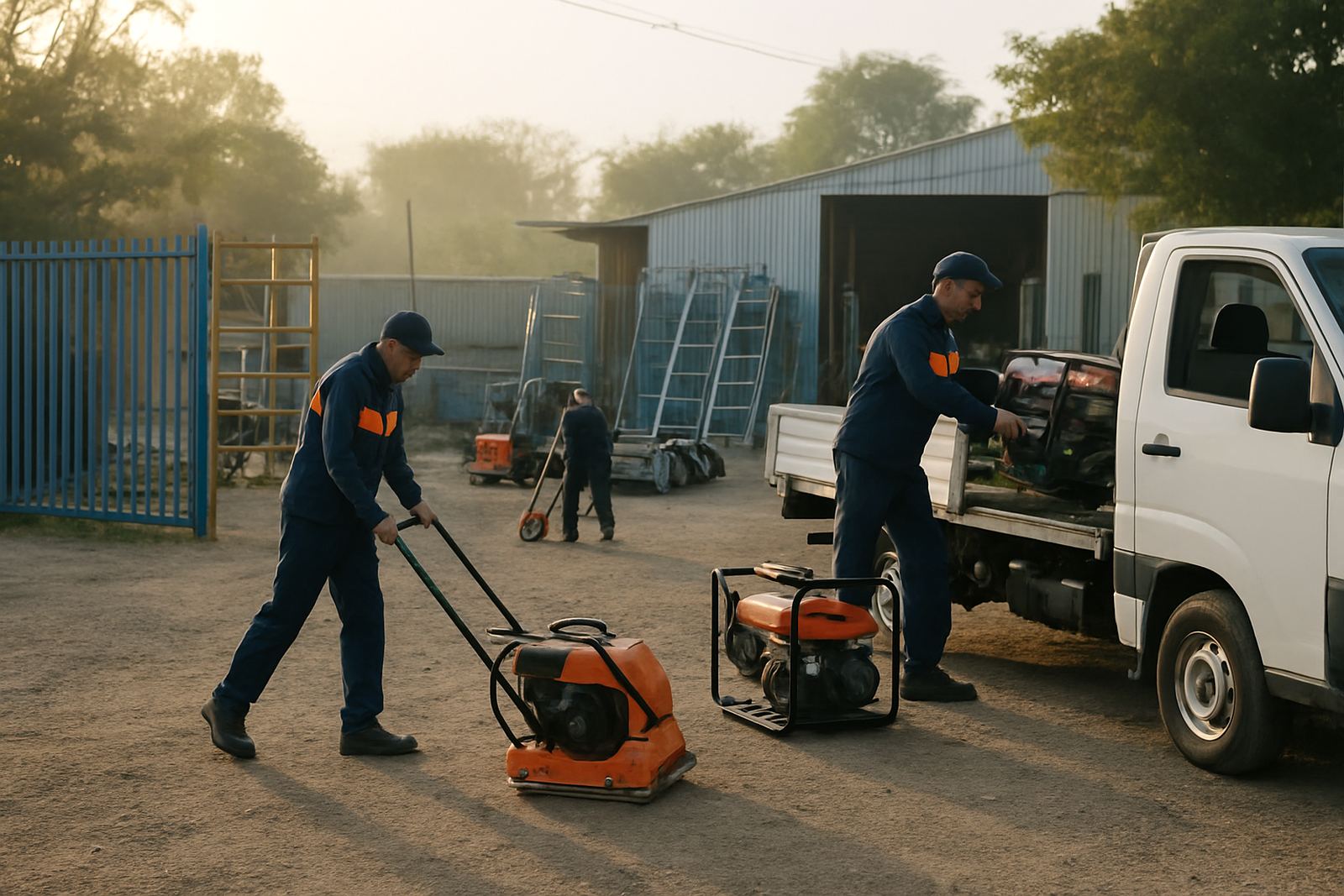
Different sand jobs need different tools. A plate compactor is often the first choice for paving areas, footpaths and small hardstand sections because it gives steady surface pressure and is easy to move around tight corners. Where the ground is looser or the area is deeper, a heavier roller or a tamping unit may be more suitable for the lower layers.
On coastal projects in Qonce or Kidds Beach, the decision usually comes down to access and layer depth. A narrow trench behind a house may need a smaller machine that can work close to walls, while a larger driveway base can take a wider plate. If the site has uneven moisture, the operator may need to make more passes and wait between layers. That patience matters, even if the schedule is tight.
- Plate compactor for paving, paths and smaller pads
- Forward and reversible units for deeper or wider areas
- Smaller machines for tight access beside walls or fences
- More passes where the sand is loose or freshly placed
Moisture, timing and the East London weather window
East London weather can shift quickly, and coastal humidity affects how sand responds to compaction. Early morning dew, afternoon heat and unexpected rain all change the surface. The best window is often after the sun has lifted surface moisture but before the site gets too dry and dusty. Too little moisture and the sand will not bind well; too much and it will smear under the machine.
For sites near the coast, timing is often as important as machine choice. If there has been a storm or a strong onshore wind, give the base time to drain before compacting. Builders sometimes rush this stage because the rest of the job is ready to go, but a few hours lost here can prevent days of repair later. A short pre-hire briefing can help the team understand the best sequence before the equipment arrives.
A local example: a paving base in Gonubie
Take a typical residential paving job in Gonubie, where the property sits close to the sea and the garden sand is soft after rain. The team strips the top layer, checks the sub-base and places the fill in shallow lifts. The first pass with the compactor firms the material, but the operator stops to test the surface before continuing. Where the sand still feels springy, another light watering and a second pass bring it into line.
That site might look small, but the difference shows later. When the paving goes down on a properly prepared base, joints stay neater, edges hold better and the owner is less likely to see dips after the first wet season. For a coastal homeowner, that means fewer repairs and less movement under foot traffic or a braai area. Its a small thing on day one, but it matters long after the crew has packed up.
Hire support that keeps coastal work moving
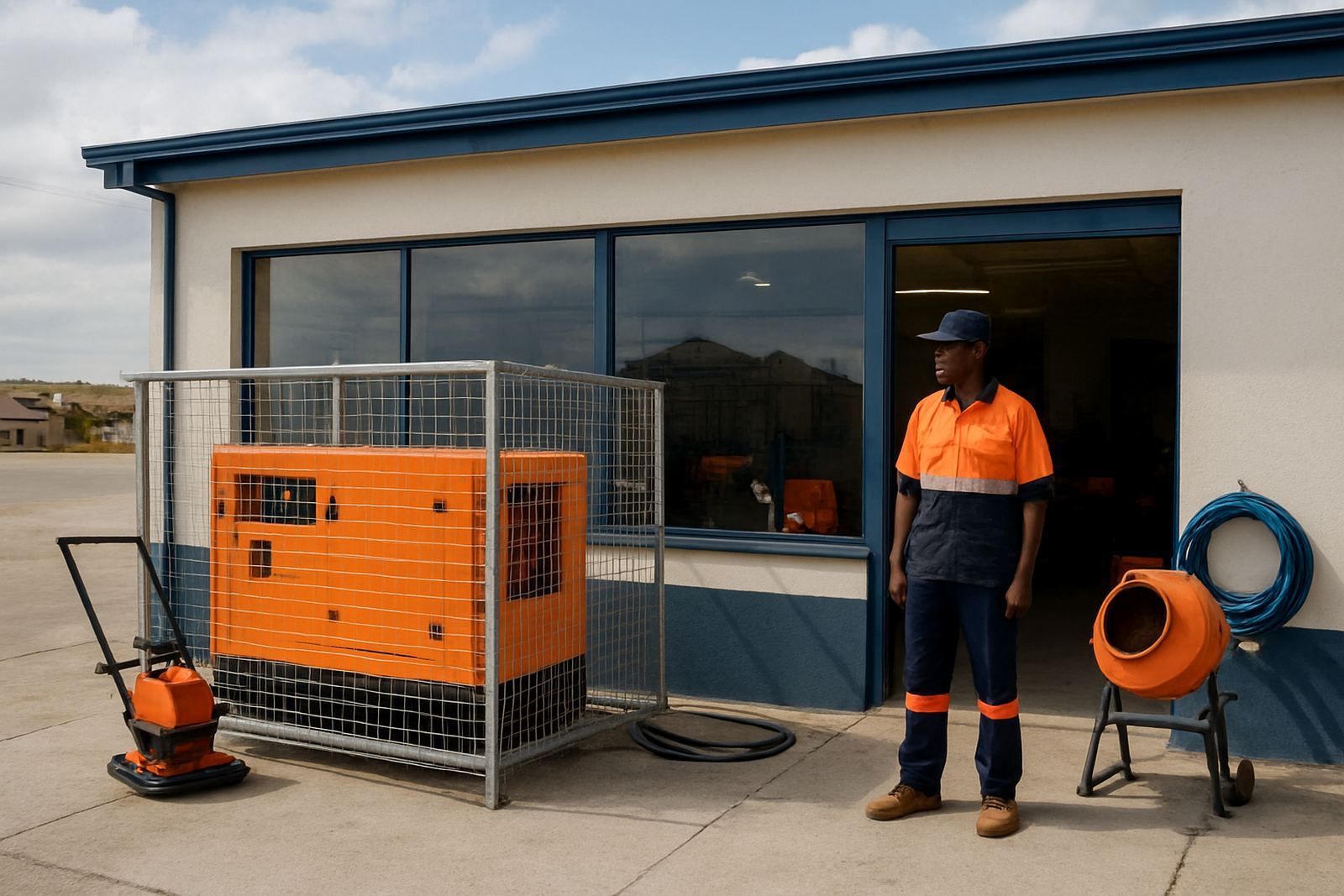
For contractors and homeowners alike, compaction is easier when the hire team understands the site. At Coastline Hire in Beacon Bay, the focus is on matching the machine to the job, whether the work is in East London, Kidds Beach, Port Alfred or around the greater Eastern Cape coast. Site delivery, collection and weekend hire help when the schedule runs around weather and labour availability.
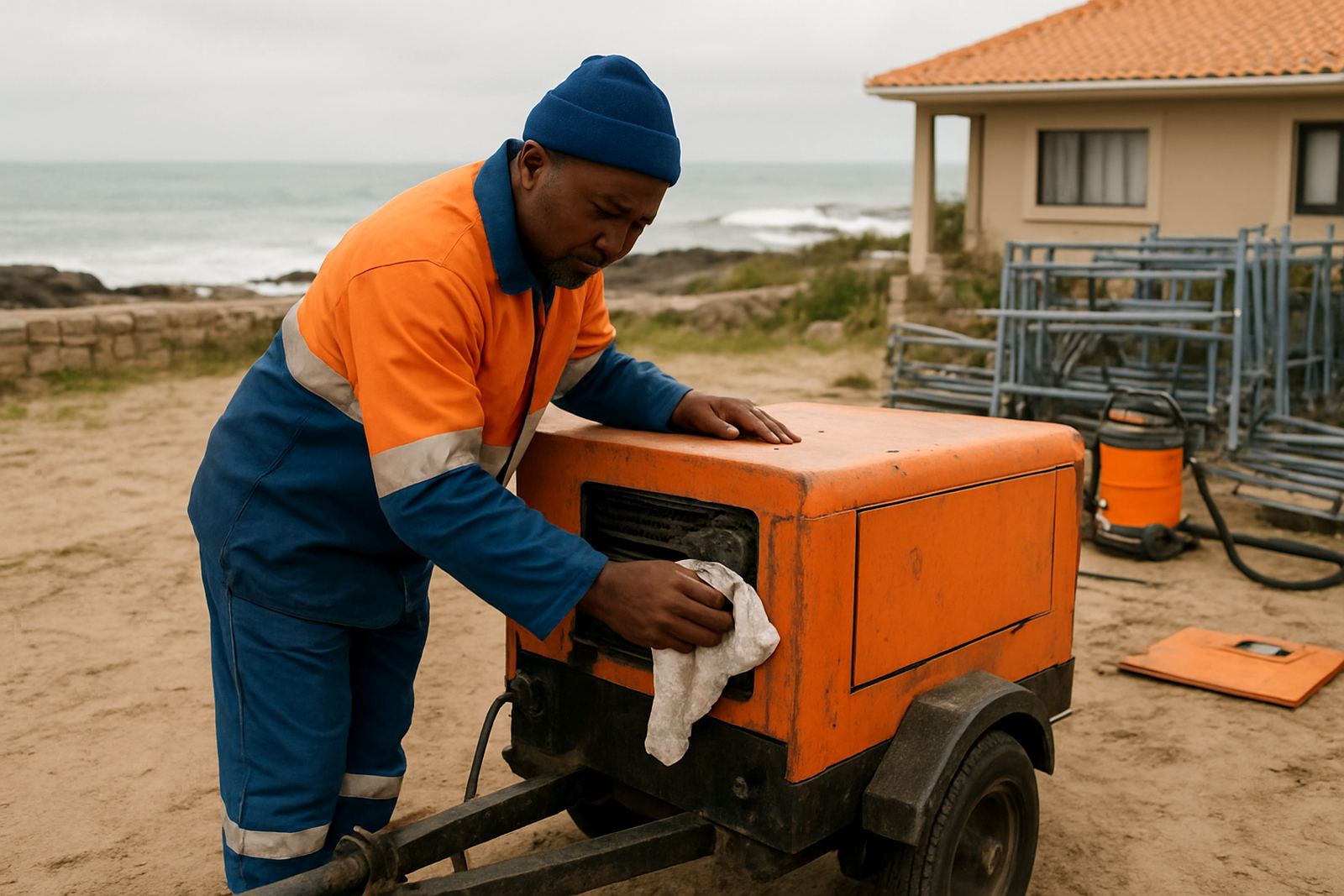
Support also matters once the machine lands on site. Fuel management, on-site setup and a clear pre-hire briefing reduce delays, especially on sand where the operator needs to know what to watch for. If the team is unsure about layer depth, access or the amount of water to use, a quick call before work starts can save a lot of rework.
- Site delivery and collection across the East London area
- Weekend hire for tight project timelines
- Emergency callout for equipment problems during the job
- Pre-hire briefing for first-time users and small teams