What a shop must keep running during an outage
Not every outlet in a shop needs power during supply interruptions. The aim is to protect stock, keep staff safe and keep trading moving until supply comes back. In East London and along the coast, that often means the till area, fridges, lights, router, alarm system and a few sockets for chargers or point of sale equipment.
Shops that sell dairy, meat, frozen goods or chilled drinks feel the pinch first. Even a few hours without power can mean spoiled stock, unhappy customers and a scramble to explain what happened. A correctly sized generator gives you time to keep the important parts of the business going while you manage the rest.
- Cashier points and card machines
- Fridges and freezers with high start up load
- Security lighting and alarm systems
- Internet router and communications
- Small prep equipment or checkout printers
How to size generator hire for retail use
The biggest mistake is hiring something too small. A generator can look strong enough on paper but still trip when a fridge compressor kicks in or when several units start at once. For shops, it helps to list every item you want to run, then split them into must-have and nice-to-have. That keeps fuel use down and avoids overloading the set.
As a rule, start with the essentials only. If a supermarket style setup has refrigeration, tills and lights, the load may be very different from a small convenience store with one or two fridges. Coastal humidity also matters because equipment left outside needs proper positioning, dry cable runs and enough airflow. We often advise a pre-hire briefing so the shop owner knows what can safely stay on, and what should wait until mains power returns.
- Count the running watts of each essential item
- Allow for motor start up on fridges and pumps
- Leave headroom rather than running at full capacity
- Keep the unit in a ventilated, dry spot
- Plan fuel top ups for the full outage period
Why short term hire suits supply interruptions
Power cuts are often unpredictable, so buying a unit outright is not always the best use of cash for a shop. Short term hire gives you access to the right size when you need it, and you only pay for the period you use. That is practical for load shedding stages, storm damage, cable faults or a substation issue that takes longer to sort out.
For many retailers the real value is speed. A generator can be delivered, set up and fuel managed so staff stay on the floor serving customers. If the outage drags on, weekend hire or long-term hire can be arranged without the panic of starting from scratch each day.
In Beacon Bay one neighbourhood grocery had to keep a few fridges going after repeated interruptions over a wet week. The shop owner did not need full site power, just enough to save stock and keep cards working. A properly sized set was delivered the same morning, with cable routing kept clear of customer traffic and fuel checked before the evening rush. That kind of support makes a real difference when trading hours are tight.
Safe setup in and around the shop
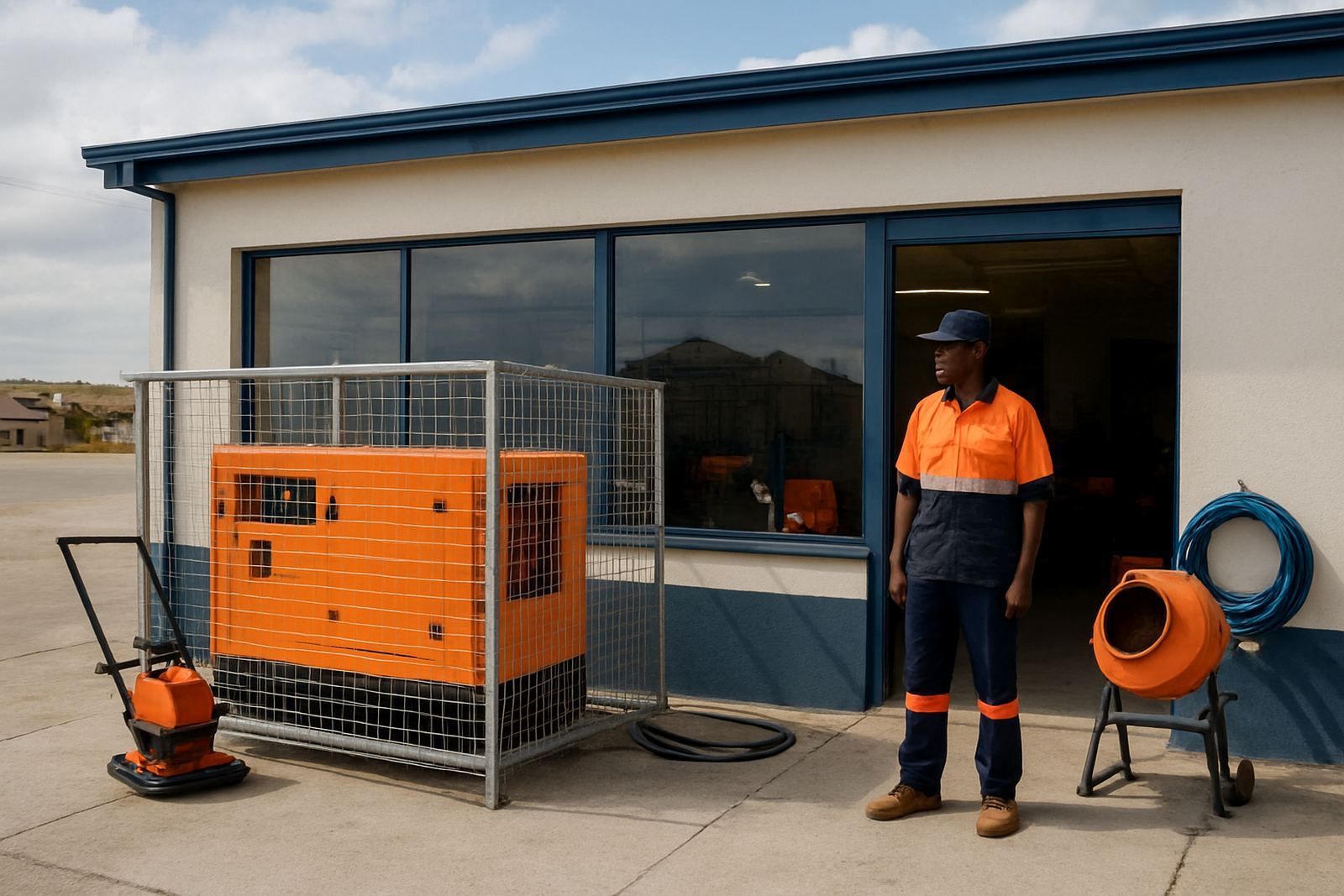
Backup power should not create a new risk. Shops have customers moving in and out, staff carrying stock and vehicles delivering at the kerb. Generator placement needs to be thought through so fumes, noise and cables do not interfere with trading. On a busy road in East London or Qonce, that is just as important as the electrical side.
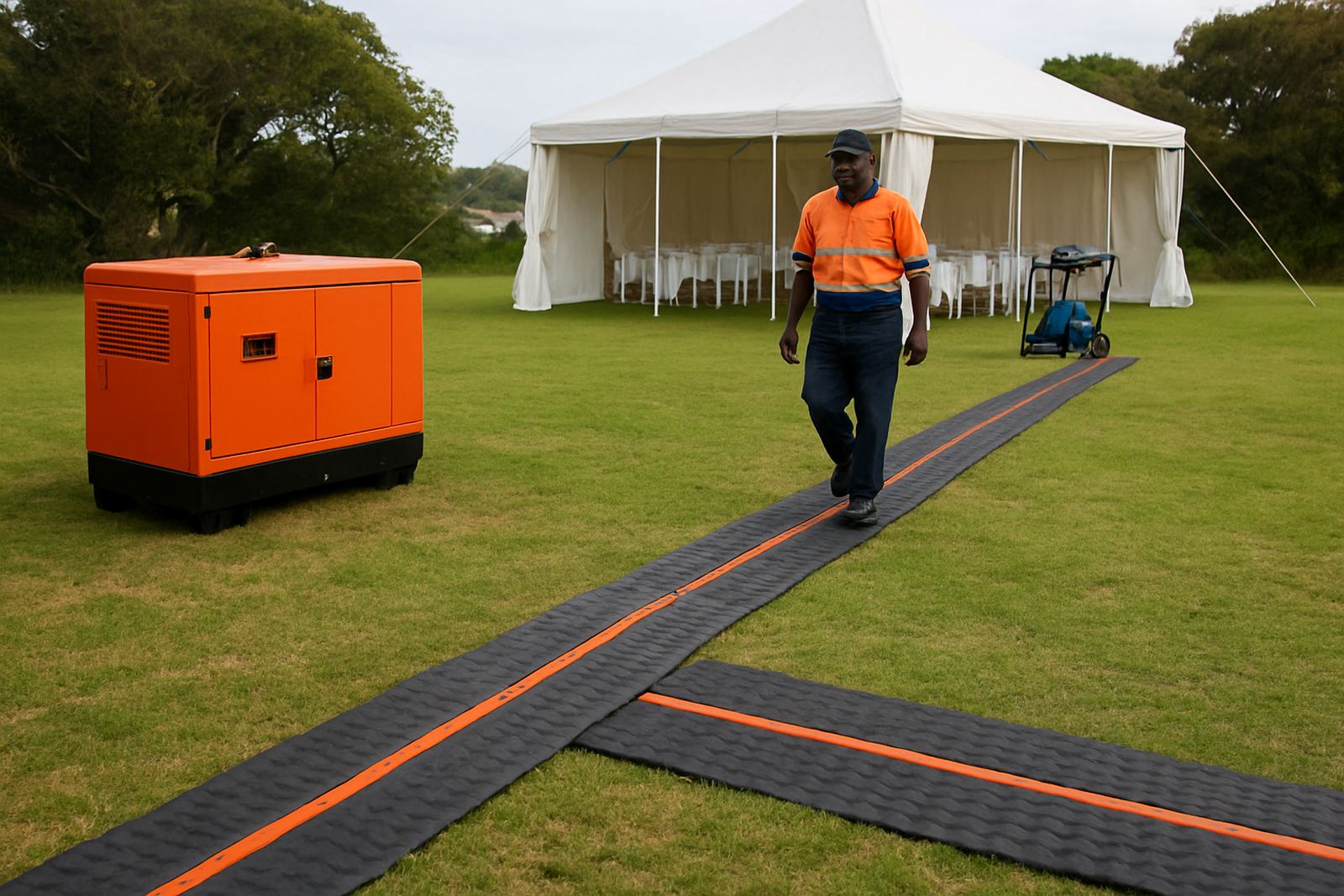
We usually look at access first. Can the generator be placed where it will not block parking bays, emergency exits or the delivery point? Is there shelter from rain and sea spray, without trapping heat? Are cables protected from feet and trolley wheels? These details are simple, but if they are missed the outage becomes a bigger headache than it needs to be.
- Keep the unit outside with proper ventilation
- Use cable covers where staff or customers pass
- Keep fuel away from heat and public areas
- Do not overload sockets with loose adaptors
- Test the system before trading pressure starts
Fuel management and runtime planning
Many shops only think about the generator itself, not the fuel plan. Yet runtime matters just as much as output. If the outage starts early and lasts into the night, somebody must know when to top up, who holds the keys and how much fuel is on hand. Without that plan a store can lose power again at the worst time.
Fuel management is easier when the hire supplier handles it. That reduces the chance of running dry, spilling diesel near customers or sending a staff member off site at the wrong moment. It also helps with longer interruptions, where a unit may need to run for several days with checks at fixed intervals. For shops close to the coast, regular inspection matters because moisture and salt air can affect connections and covers if the set is left unattended.
A clean refuelling routine keeps the shop operating and avoids panic. It also helps managers talk to staff clearly about who does what if the lights dip again after hours.
Local support for East London shops and coastal towns
Having a backup power plan is one thing. Getting help fast when the outage happens is another. From Beacon Bay to Gonubie, Kidds Beach, Port Alfred and Qonce, retail businesses need a supplier that understands local access, traffic, weather and the pressure of keeping stock safe. A generator that arrives late is not much help when the cold room is already warming up.
We work with shops, forecourts, small centres and independent retailers that need practical support, not theory. That can include site delivery, on-site setup, fuel management, emergency callout and a quick pre-hire briefing so the team knows exactly what is being powered. If you are unsure whether your fridges, lights and till points can be covered by a hired unit, it is better to ask early and size it correctly.
For many stores, the best plan is simple: keep the essentials running, protect the stock and carry on serving customers while the municipality sorts out the supply issue. That is what short term generator hire is for.