Why an auger beats hand digging on fence lines
For a short boundary run you might get away with a spade and crowbar, but once you are setting out a proper fence line the time savings from an auger are hard to ignore. A machine makes repeat holes faster, keeps the post centres more even, and reduces the strain on the crew. That matters on school boundaries, housing plots, smallholdings and coastal properties where the line must stay straight over a long distance.
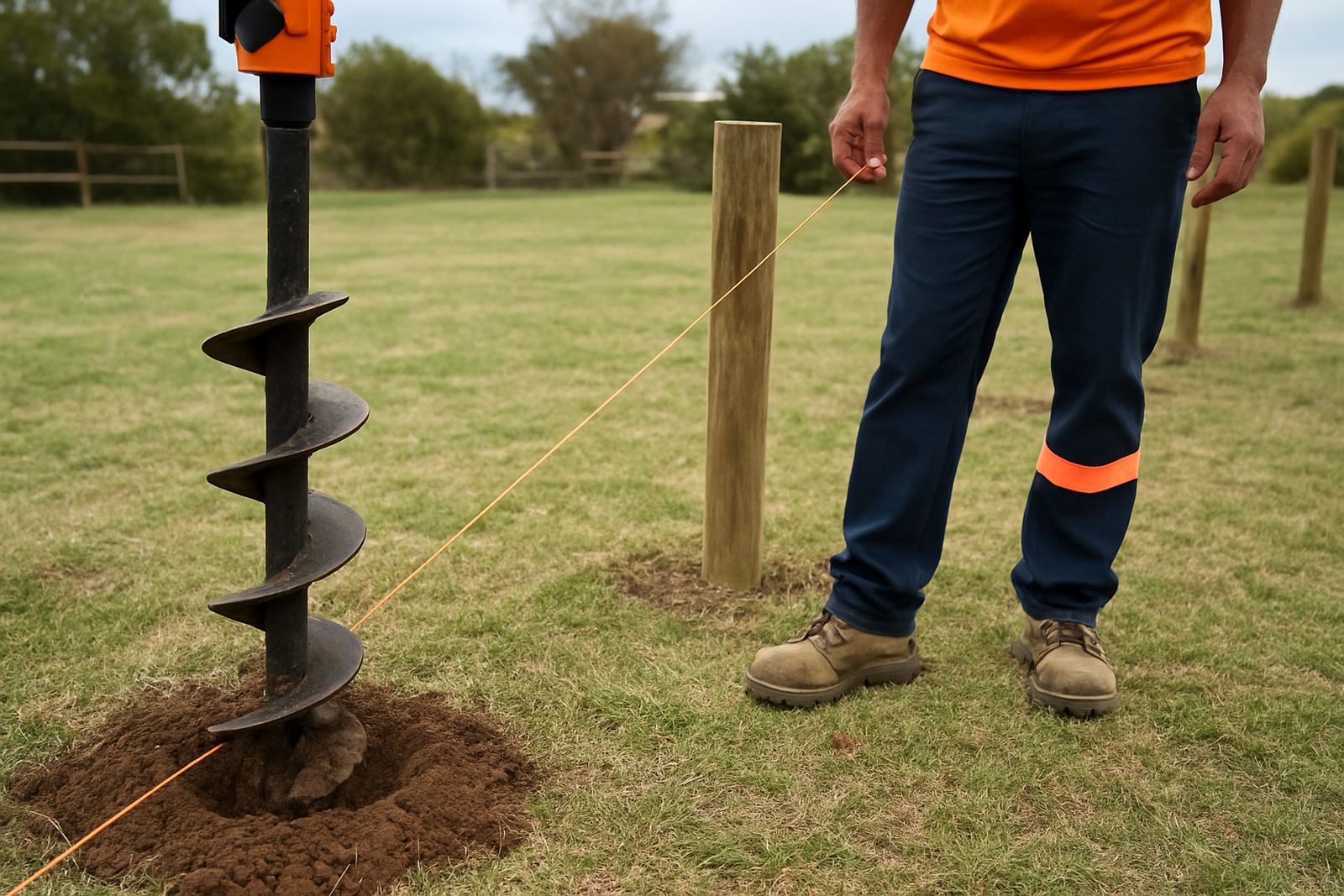
At Coastline Hire, augers are often taken by builders who need to keep pace with a concrete team, and by property owners putting up security fencing after storm damage. The work is usually not just about speed, it is also about consistency. If the first hole is 600 mm deep and the next one is only 450 mm because the ground got harder, the fence starts to fight back later. A drill attachment or handheld unit helps you hold depth better, especially when the team has already marked out the line with pegs and string.
Choosing the right auger size and depth for posts
Fence posts need enough room to sit plumb, take concrete properly, and handle wind load. That means the hole size should suit the post width, the footing and the ground type. On the Eastern Cape coast, softer sandy patches may let you drill quickly, but they can also collapse if you leave holes open too long. In clay areas around Kidds Beach or inland parts of Qonce, the hole can tighten up around the flighting and slow the job right down.
As a rule, plan for a hole that is wider than the post by a clear margin, and deep enough for a good embedment below ground level. For many fence jobs, that means allowing for at least one third of the post length below the surface, though windy coastal stretches may need more. If you are not sure, it helps to do a test hole first before the full run starts.
- Mark the fence line with string and check gate openings before drilling.
- Set a depth target for each post, not just a general idea.
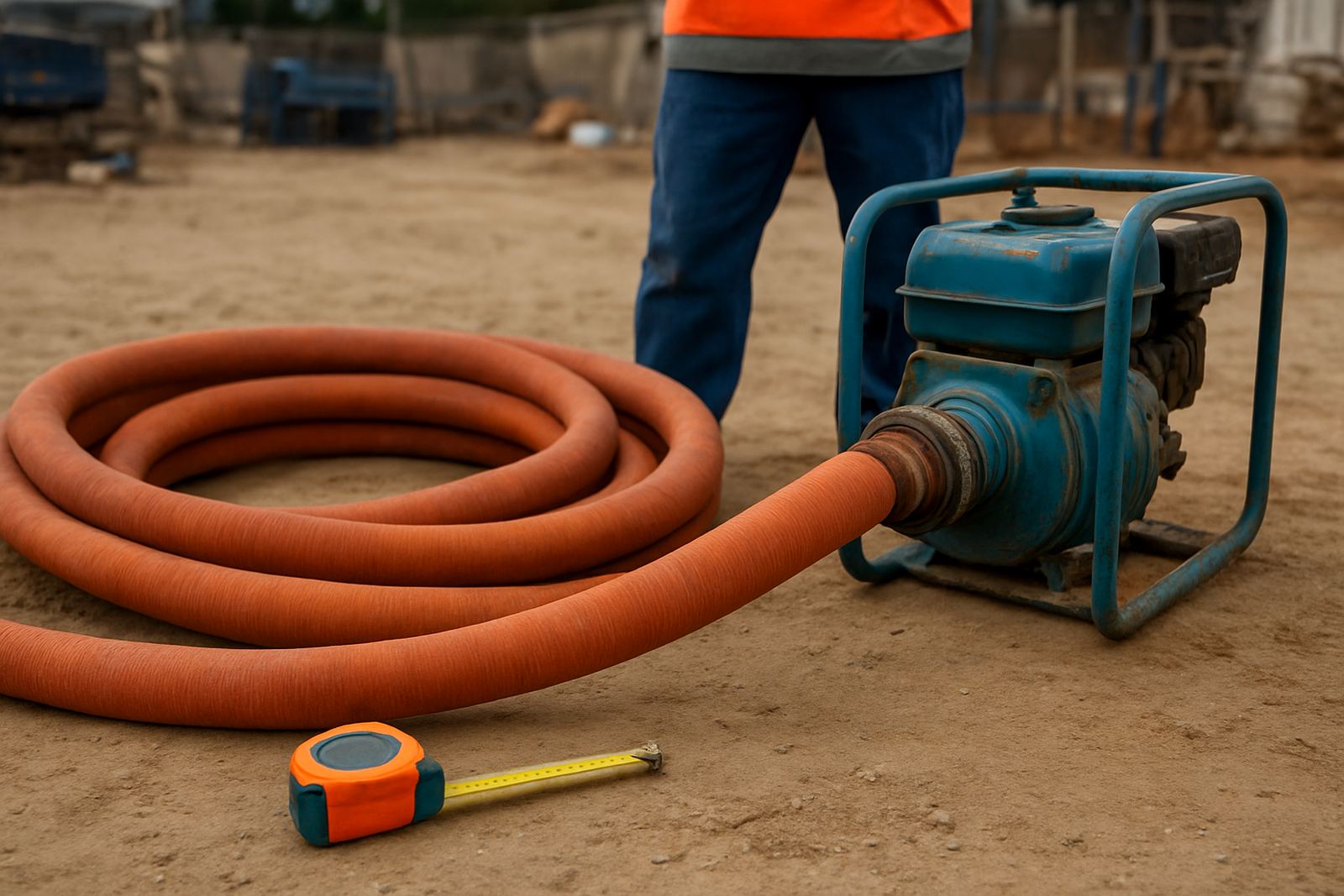
- Keep a tape measure on site so the crew can check the hole as they go.
- Allow extra depth where the ground is loose, wet or recently filled.
Spoil handling keeps the site tidy and the holes usable
One of the easiest things to overlook is the soil that comes out of the hole. A clean fence line can turn messy fast if spoil is left in a heap beside each hole. On small urban sites in Beacon Bay or Gonubie, that spoil can block access paths and make it hard for the concrete crew to move buckets and tools. On larger sites, it can interfere with layout checks and trip the team.
Have a spoil plan before drilling begins. If the soil is dry and reusable, keep it in one area for backfilling after the posts are set. If it is wet or full of stones, move it away from the line so it does not fall back into the hole. This is especially important near the coast where moisture can turn loose sand into a slumping edge after only a short delay. One small tip that saves time, is to assign one person to clear spoil as the drilling continues rather than waiting until the end.
- Stack spoil on one side only so the other side stays open for access.
- Keep excavated soil away from stormwater drains and boundary walls.
- Use a wheelbarrow or skip point if the run is long.
- Cover loose spoil if wind is lifting dust on a dry day.
Working safely when the ground changes from sand to clay
Coastal ground can change within a few metres. A fence line in Port Alfred may start in soft topsoil and then hit a harder layer, while a site in East London may have buried rubble from old building work. Before drilling, check for services, old foundations and hidden stones. A careful pre-hire briefing helps the crew know what to expect and prevents a drill bit from hitting something it should not.
Safety also depends on the condition of the machine and the operator. Keep hands clear of the rotating auger, make sure the machine is stable before starting and never force the bit if it binds. If the unit starts to wobble or bite unevenly, stop and clear the hole before continuing. Small holes can become big problems when a crew tries to push through without checking what is causing the resistance.
For sites with children, pedestrians or other contractors nearby, set out a clear working zone. A few cones or barrier tape can prevent someone from stepping too close while the auger is running. That matters on shared boundary jobs near schools, churches and active commercial properties.
How to keep fence post holes on schedule during load-shedding
Load-shedding can slow down a fencing job if the crew is waiting on other equipment, lighting or mixing tools. An auger helps keep the most physically demanding part moving while power is available, then the team can switch to setting posts, mixing concrete or aligning panels once the holes are done. On a tight programme, that order matters.
For longer jobs, it is worth planning the day around the drilling run. Do the hole layout early, drill the full line while the team is fresh, then move to installation and backfilling. If the site is exposed and windy, try to get the posts in the same day so the holes do not collapse or fill with rain. A quick phone call to arrange delivery or collection can save the whole afternoon if a machine needs swapping.
- Do the drilling first, before mixing concrete or bringing in panels.
- Keep fuel on hand if the site is using a petrol or diesel-powered unit.
- Work in sections so open holes are not left unattended for long.
- Have a second plan if rain or power cuts change the order of work.
A local example from a fence line in Gonubie
A practical example is a residential boundary job in Gonubie where the crew had a long run along a sloping stand with patchy ground. The line needed to stay straight from the driveway to the back corner, with several posts landing close to old root zones and one section near damp soil. Hand digging would have taken most of the day and the spoil would have clogged the narrow access path.
The team marked the centres, drilled in stages and moved the spoil to one side as they worked. Where the ground softened near the bottom of the stand, they checked depth more often and cleaned the holes before the posts were dropped in. Because the holes were consistent, the fence line came up quicker and the concrete team could keep moving without waiting around. That is the real value of the right auger, not only speed but control.
For builders and property owners around the Eastern Cape coast, that kind of planning usually makes the difference between a long, frustrating day and a job that closes out on time.
When to hire and what to ask before the truck arrives
If you are planning a fence project, line the auger hire up before materials are delivered. That gives time to check access, confirm hole spacing and decide whether the job needs one machine or a longer-term hire. Sites in Beacon Bay and East London often have tighter access, while larger plots near Kidds Beach or Port Alfred may need a different setup for transport and unloading.
Before the truck arrives, ask these basics so there are no delays on the day:
- What post diameter and hole depth are you working to?
- Is the ground sandy, clay-heavy, rocky or mixed?
- Will spoil need to be removed off site or stored for backfill?
- Is there clear access for delivery and collection?
- Will the team need fuel management, setup help or a pre-hire briefing?
With the right plan, auger work becomes straightforward. The holes go in faster, the line stays neater, and the fence starts on a proper footing.