Start With the Job Size and the Load Type
Before you drive through to Beacon Bay for collection, work out what you are taking and how it will sit in the vehicle or trailer. A small pump, a compactor, scaffold parts or party equipment all move differently, and the hire counter needs to know whether you are collecting for a home project, a building site or an event in Gonubie or Kidds Beach.
Bring the details of the equipment you booked, including the item name, the quantity and the planned use. If you are unsure whether your bakkie or trailer can carry the load, ask before you leave. It is better to check dimensions and weight first than to try and make it fit at collection. That saves time and keeps everyone safe.
For heavier items, think about the loading height as well. Some equipment is easier to load with two people and a flat trailer deck, while other items need a tailgate that drops fully. If your vehicle sits low or the load floor is awkward, mention that when you book and again at collection.
Bring the Right Vehicle and Enough Securing Gear
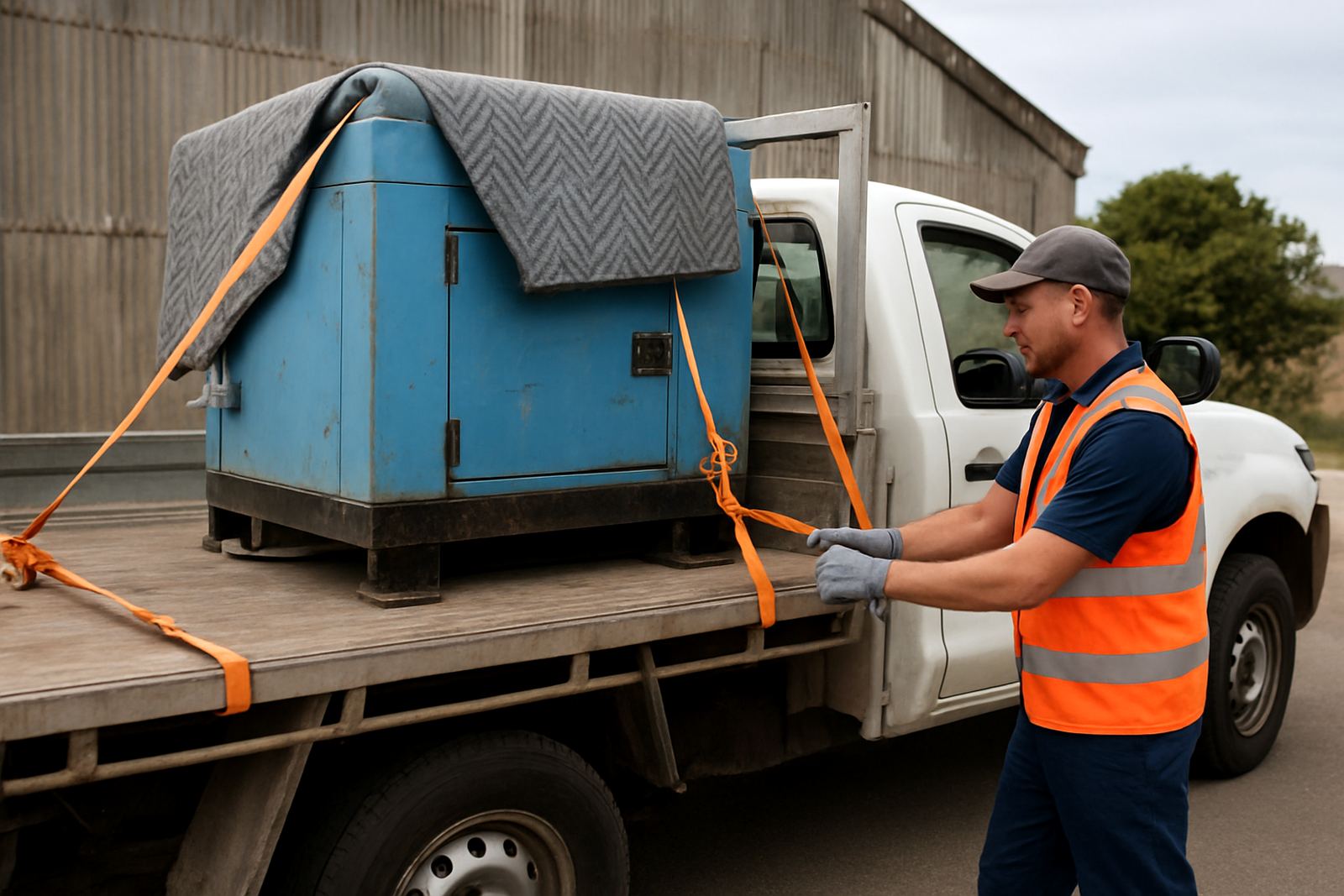
The most common issue at collection is not paperwork, it is an unsuitable vehicle. A covered bakkie, flatbed trailer or small truck is often the best option, depending on the equipment. If you are collecting generators, compactors or scaffold components, make sure the tray or trailer is clean, level and free of loose material.
Take proper tie-downs with you. Rope alone is usually not enough, especially for the roads between East London, Qonce and Port Alfred where braking, bumps and coastal wind can shift a load quickly. Ratchet straps, chains where needed and corner protection are worth having on hand. If you are carrying small loose items, bring a crate or tub so nothing rolls around in transit.
- Ratchet straps in good condition, with working buckles
- A clean tarp for dust, salt spray or rain
- Gloves for loading and unloading
- Blankets or foam pads for delicate event items
- Wheel chocks if you are carrying a machine on a trailer
If the weather is wet or windy, allow extra time to secure the load properly. Around the coast, sudden rain and salt air can make metal parts slippery, so do not rush that last check before you pull out.
Paperwork and Information That Speeds Up Collection
Have your information ready before you arrive. The counter team needs to match the collection to the booking, confirm the hire period and record who is taking responsibility for the equipment. If a different person is collecting on behalf of your company, let us know in advance so the handover does not hold up.
- Your name and company name, if applicable
- The booking reference or quotation number
- Collection date and planned return date
- A contact number that is switched on
- Delivery address or site location, if the equipment is going straight to site
For builders, it also helps to have site details ready, especially if the machine will be heading to a controlled site with access rules or induction requirements. For event clients, bring the event date, venue name and any layout notes if you still need advice on setup. A few minutes of prep makes the handover far more efficient and avoids back-and-forth later.
Check Access, Parking and Loading Before You Leave
Collection starts before you get to the gate. Make sure your vehicle can get in and out easily and that there is space to load without blocking traffic. In busy parts of East London, parking can be tight, and on a Friday afternoon it can take longer than expected to move equipment safely.
Think about where you will be driving next. If the equipment is going straight to a building site, check whether the site road can take the vehicle weight and whether there is a clear turning area. If you are heading to an event in Beacon Bay or near the beachfront, keep in mind that soft ground and limited access gates can make unloading tricky.
When you arrive, tell the team how you plan to transport the equipment. That allows us to help with loading order and placement. Heavy items should sit low and central, with lighter items secured around them. If you are collecting scaffold gear, sort it in the order you will use it. That makes counting easier and helps avoid pieces getting left behind.
Local Example: One Trailer, Three Jobs, No Second Trip
A contractor from Gonubie once came through to collect a generator, a compactor and a set of scaffold parts for a small coastal repair job. He arrived with a half-full trailer and no straps, thinking the load would sit still because the drive was short. The equipment did fit, but only after he swapped to a larger trailer, collected proper tie-downs and came back with a second person to help load.
Because he checked in early, the team could advise on the right loading order and confirm which parts needed to stay dry. He still made it back to site the same morning, but without the extra run he would have lost half a day. That is the point of coming prepared: the hire does not take longer, it just works properly from the start.
For smaller jobs too, the same rule applies. Whether you are taking party chairs for a weekend function in Beacon Bay or a pump for a drainage issue in Kidds Beach, the right vehicle and a clear plan keep collection quick and safe.
What to Ask at the Counter Before You Leave
Once the equipment is loaded, use the last few minutes to ask anything that is still unclear. A short briefing can prevent a lot of phone calls later, especially if you are using equipment you have not handled before. This is the right time to confirm operating basics, fuel requirements and return conditions.
- How to start, stop and secure the equipment
- What fuel or power supply it needs
- How long it can run before a check is due
- Which parts should not be removed or mixed with other kits
- What condition the equipment should come back in
If you need scaffold planning, event layout help or a pre-hire briefing, say so before you leave the yard. That extra conversation is often the difference between a smooth first day and a problem on site. It is also the best time to mention emergency callout needs, weekend hire plans or long-term hire dates so the team can prepare properly.
Return the Same Care You Used at Collection
Good collection habits make returns easier too. Keep straps, small fittings and loose accessories together so nothing is missing when you bring the hire back. If a machine was supplied full of fuel or with parts fitted in a certain way, return it in the same condition where possible. That saves time at check-in and helps the next customer too.
For business clients working between East London, Qonce and Port Alfred, it helps to nominate one person to handle collection and return notes. That way details do not get lost between the site office, the driver and the foreman. Simple, clear handover is often the difference between a quick hire and a frustrating one.
If you are unsure about anything before collection, phone or email ahead. A five minute check can prevent a wasted trip, and on a tight schedule that matters. Bring the right vehicle, bring proper tie-downs and bring the booking details. The rest becomes much easier.