When a flat plate does the better job
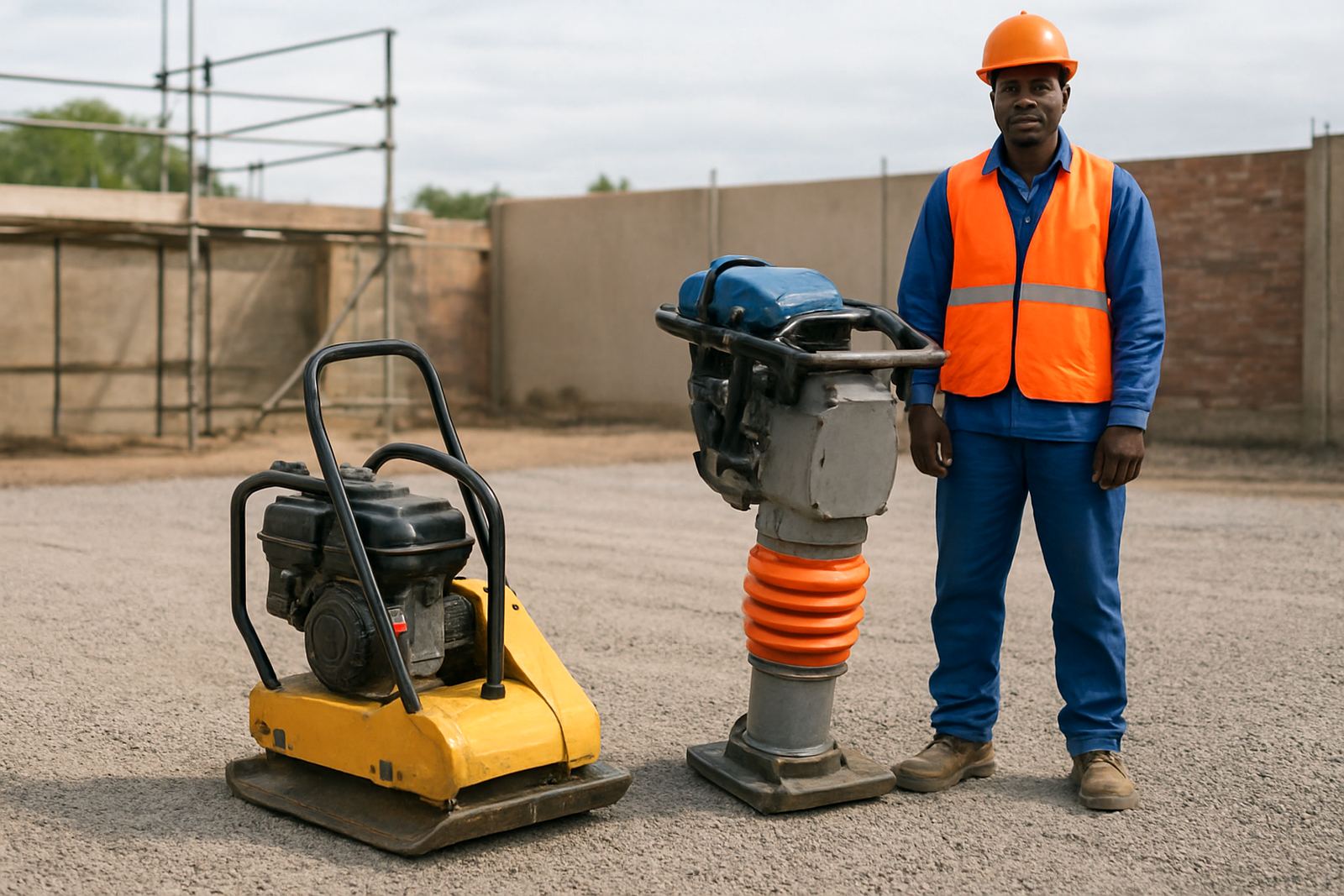
A flat plate compactor is the right call when you need to tighten a broad, even area. Think paving bases, driveway sub-bases, yard prep, walkway repairs and general backfill where the soil or crusher run sits in layers. The wide plate spreads the force across more surface, so you get a steady finish without leaving deep punch marks.
On East London jobs, especially near Beacon Bay or Gonubie where moisture can sit in the ground after rain, a plate compactor helps bring the base up properly before paving or concrete. It works best on granular material such as sand, G5, crusher run and selected fill. If you are doing a parking area or an access strip for deliveries, a plate usually gives faster coverage and a neater result.
- Best for wide, flat areas
- Good for paving bases and hardstand prep
- Works well on granular fill and gravel
- Faster over large sections than a narrow impact unit
When a rammer is the better tool
A rammer is built for confined spaces and deeper impact in a smaller footprint. If you are compacting soil in a trench for pipes, cables or stormwater, or working against walls and inside narrow service runs, the rammer gets into places a plate cannot. Its jumping action helps compact cohesive soils better, especially where the material is a bit damp and sticky.
For builders on the coast, this matters when a service trench has been open after a wet night or when backfilling around manholes and edges. A plate may skim over the top, but the rammer can drive the material down layer by layer. It is the safer choice where access is tight and the job needs pressure right into corners, not just over the surface.
- Best for trenches and narrow areas
- Useful around foundations, manholes and retaining walls
- Handles cohesive soil better than a plate
- Good where access is limited or side clearance is tight
Soil type, moisture and the Eastern Cape coast
Compaction is not only about machine type. Soil type, moisture and layer thickness all change the result. Around Port Alfred and Kidds Beach, for example, sandy ground can seem easy to compact but it can shift again if the layer is too thick or too dry. On heavier clay patches inland towards Qonce, a plate may bounce if the material is too wet and a rammer might be the more practical option.
The rule is simple enough: compact in layers, not in one go. Thin lifts give better density and save time later. If the material is dripping wet, neither machine will perform properly. If it is too dry, especially fill with fines, you may need light watering and a second pass. A quick pre-hire briefing can save a lot of guesswork and prevent a poor base that has to be redone later.
Coastal humidity also matters when equipment stands overnight. Clean the plate shoe or rammer foot after use so compacted mud does not harden on the machine. That small habit helps keep the unit working properly and reduces wear.
How to choose the right machine before delivery
Before hiring, look at four things: the material, the width of the area, access and how fast you need to finish. A flat plate suits open spaces where you want a level finish. A rammer suits trenches, edges and awkward sections. If the job has both, many sites need both machines at different stages.
For a builder laying paving in Beacon Bay, a plate might be used after sub-base spreading and again after bedding prep. The same crew may then need a rammer for a stormwater trench at the side of the house. For event setup, the choice can be just as important, because temporary flooring, staging support areas and tent anchors all need firm ground before anything is loaded.
- Ask what material you are compacting
- Measure the narrowest access point
- Check whether the job has trenches or open areas
- Work out whether one machine or two will save time
Practical checks that prevent delays on site
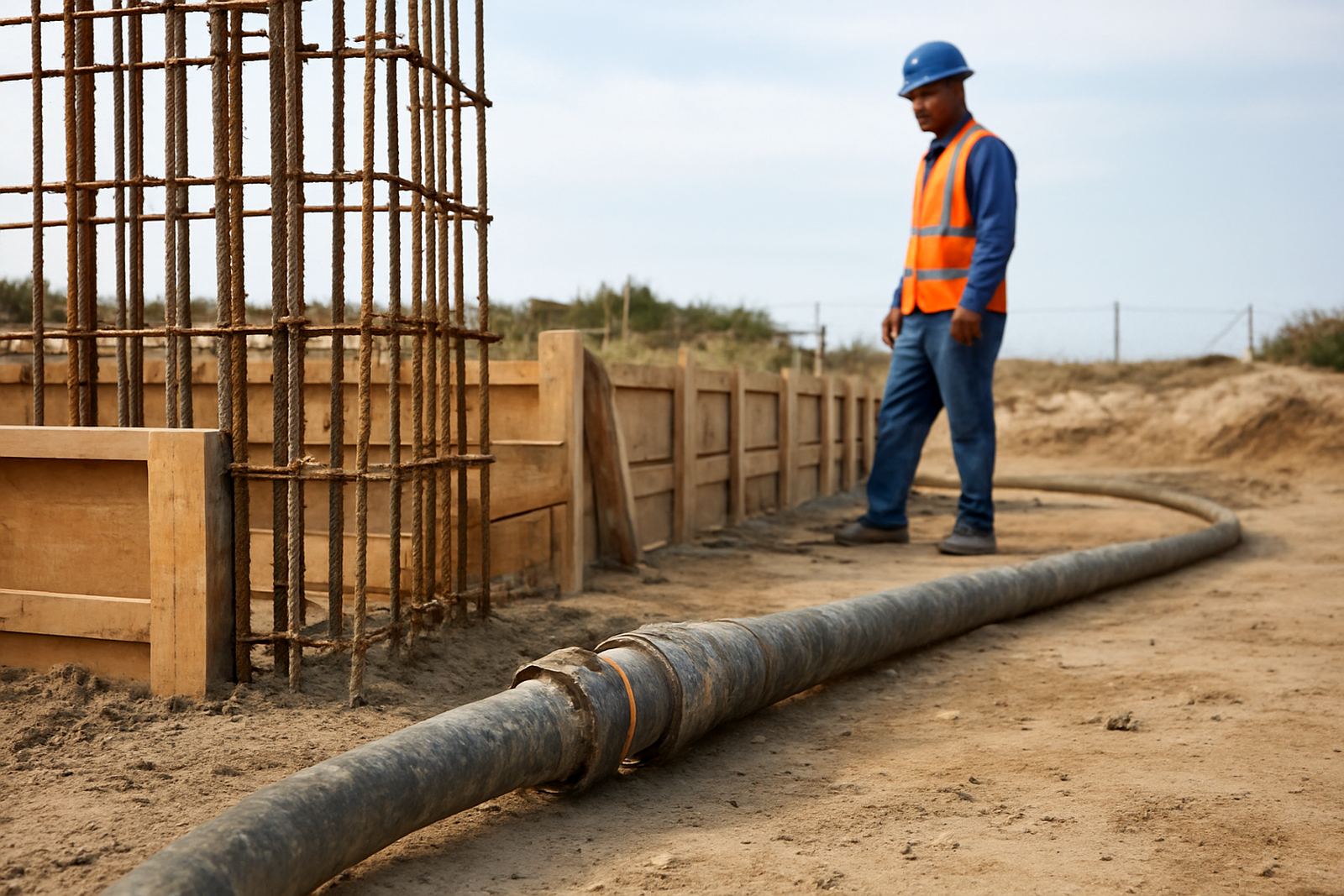
Many compaction problems come from small planning misses, not the machine itself. If a delivery truck cannot get close enough, the team ends up shifting material by hand and the compaction layer becomes uneven. If the site has fresh fill, it may need settling time or a proper water spray before compaction starts. If there are underground services, you want the trench compacted carefully so no pipe or cable line is damaged.
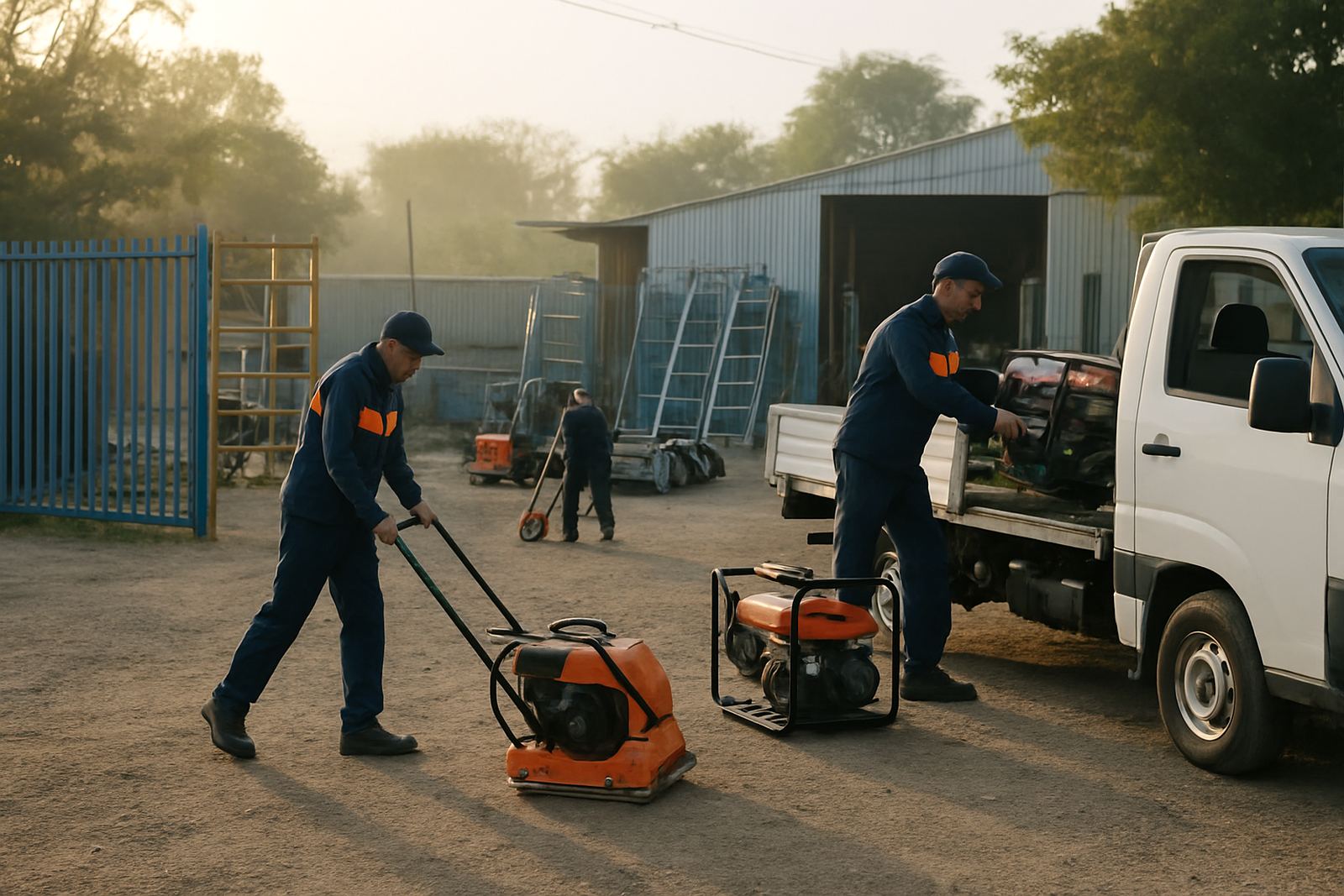
That is where site delivery, on-site setup and fuel management make a difference. A job in Port Alfred near the coast may need the machine dropped off early because municipal timing or site access windows are tight. A long-term hire on a commercial build in East London may need weekend hire support too, especially when the programme runs behind after rain. Better planning keeps the crew moving and cuts the chance of call-backs.
A local example from a coastal paving job
Take a common East London job: a homeowner in Gonubie is replacing a cracked driveway and adding a small parking bay. The front yard has soft sand in one side, heavier fill on the other and a narrow strip beside the boundary wall. The better choice is usually a plate compactor for the driveway base, then a rammer for the narrow edge along the wall and any small trench for drainage.
If the team used only a rammer, the open driveway would take too long and the finish could be uneven. If they used only a plate, the edge beside the wall would be missed and the drainage line might settle later. Matching the tool to the task saves time, keeps the base firm and helps the paving last through heavy rain and daily vehicle traffic. That is the practical difference between hiring the right machine and just hiring any machine.
For builders and event crews across East London, Beacon Bay, Gonubie, Kidds Beach, Qonce and Port Alfred, the smartest hire is often the one that fits the site conditions first, not the one that looks biggest on paper.