Start With Access, Not Speed
After a big downpour, the first job is not to push ahead with work, it is to check whether people and machines can move safely. If the access road is waterlogged, if the yard has mud over the surface, or if the ground feels soft underfoot, you need to slow down and plan the restart. In East London and along the coast, moisture can sit in low spots for hours, and in some areas it stays longer where drainage is poor.
Walk the site before you switch anything on. Look for sink holes, hidden trenches, washed out edges and slippery patches around entrances. On a builder’s site this helps protect workers and materials. On an event site it helps avoid damage to flooring, cables and seating before the public arrives.
- Check access routes for pooling water and soft shoulders
- Mark off unsafe areas with tape, cones or barriers
- Confirm that delivery vehicles can turn and reverse without sinking
- Keep power points and temporary electrical runs clear of wet ground
Pump Out Standing Water Before It Spreads
Where water has collected in trenches, basements, pits or low lying corners, a pump is usually the quickest way to regain control. The main point is to move water away from the work area without creating a new problem further down the slope. If you are pumping near a municipal drain or stormwater channel, make sure the discharge is allowed and does not wash back into the site.
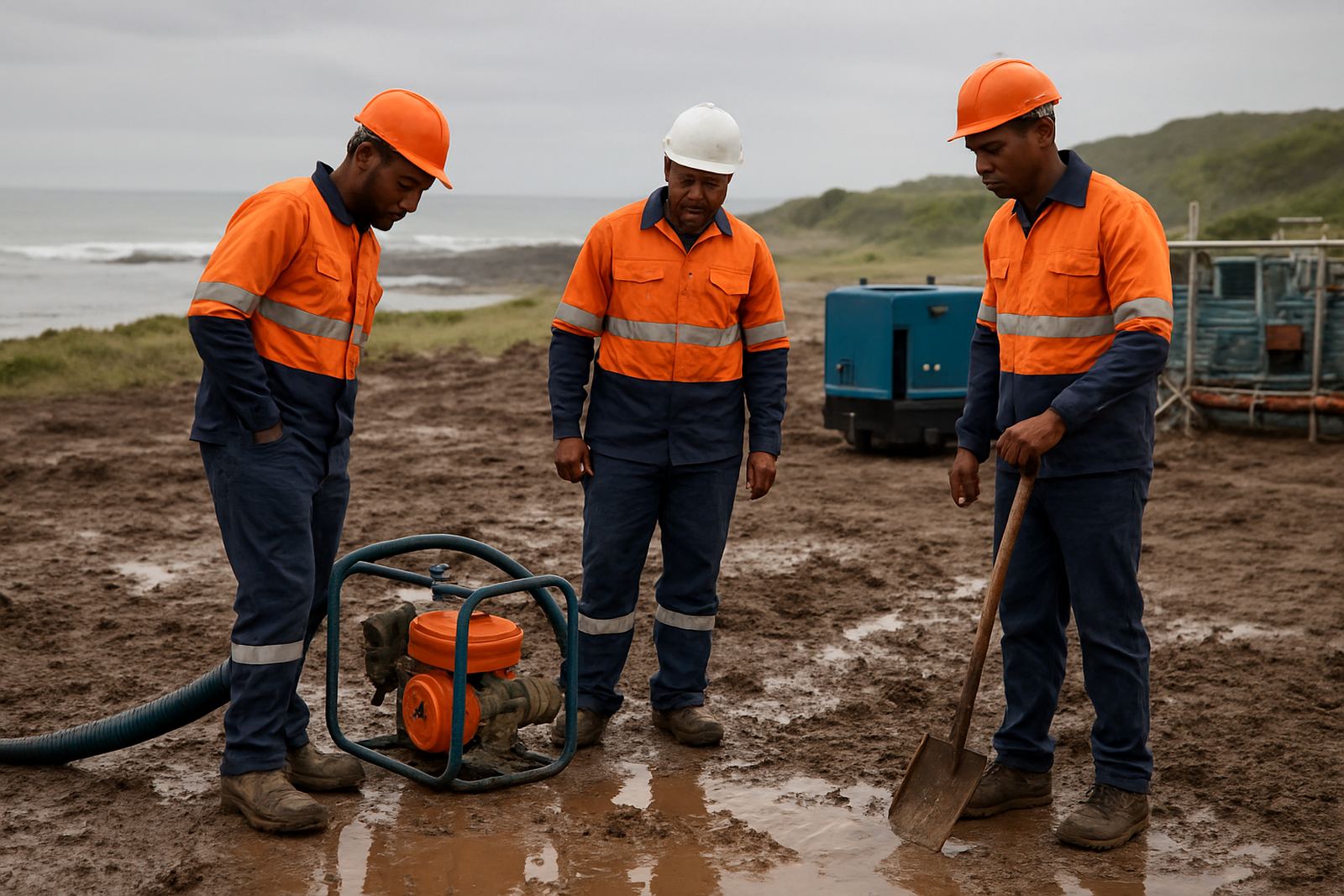
For muddy East London sites, a submersible pump can clear deeper standing water while a transfer pump helps move water across a longer run. The right hose length matters too. If the outlet is too short, the water simply returns to the same area. That is wasted fuel, wasted time and more clean-up later.
At one Beacon Bay project after steady rain, access at the back gate was blocked by a shallow pool and the compaction work could not continue. Once the water was pumped out and the entry firmed up, the crew could bring in materials the same afternoon instead of waiting another full day.
- Use a pump sized for the volume of water on site
- Keep suction points clear of stones, rags and debris
- Run discharge hoses to a safe outlet downhill from the work area
- Have fuel ready if the pump is not electric
Dry The Ground So Machines Do Not Sink
When the surface is still wet, heavy gear can sink, rut the ground or leave the site worse than before. Compactors, small rollers and wheelbarrows all struggle when the base is soft. If you force the issue, you can damage the sub-base and create more rework. That is especially true on clay soil and coastal ground that holds water after rain.
Use the drying window properly. Open up the area so air can move through, scrape away the top layer of mud if needed, and only bring in compaction once the ground has enough bite. Where traffic needs to continue, put down mats or temporary track to reduce wheel spin and keep loads off weak spots.
- Remove loose mud from entrances and loading points
- Keep foot traffic separate from machine routes
- Lay temporary covering on soft spots where possible
- Wait until the base firms up before compacting or excavating again
Check Power, Fuel And Backup Plans
After rain, power supply is often the second problem. Moisture and load-shedding together can stop a site very quickly. Generators need to be placed on level ground, away from puddles, and started only when cables and connections are dry. If the main supply has tripped, do not reset it until a proper check has been done.
Fuel management matters as well. Wet weather often delays deliveries and keeps crews on site longer than planned, so a generator or pump can run for more hours than usual. Keep fuel secure, labelled and stored safely away from hot equipment. If a machine is needed through the weekend, make sure that support is arranged before the weather turns again.
For event crews in Gonubie or Port Alfred, this step is just as important as for builders. A wet lawn, a muddy service entrance and a missing backup power plan can delay setup long enough to affect guest arrival, catering and sound checks.
Plan The Restart In The Right Order
Once access is safe, water is cleared and the ground has dried enough, restart in a controlled order. Put the most urgent work first, but only if the area can support it. That usually means drainage, cleanup, secure storage, then heavy work, then final finishing. If you reverse that order, you end up repairing damage you just paid to fix.
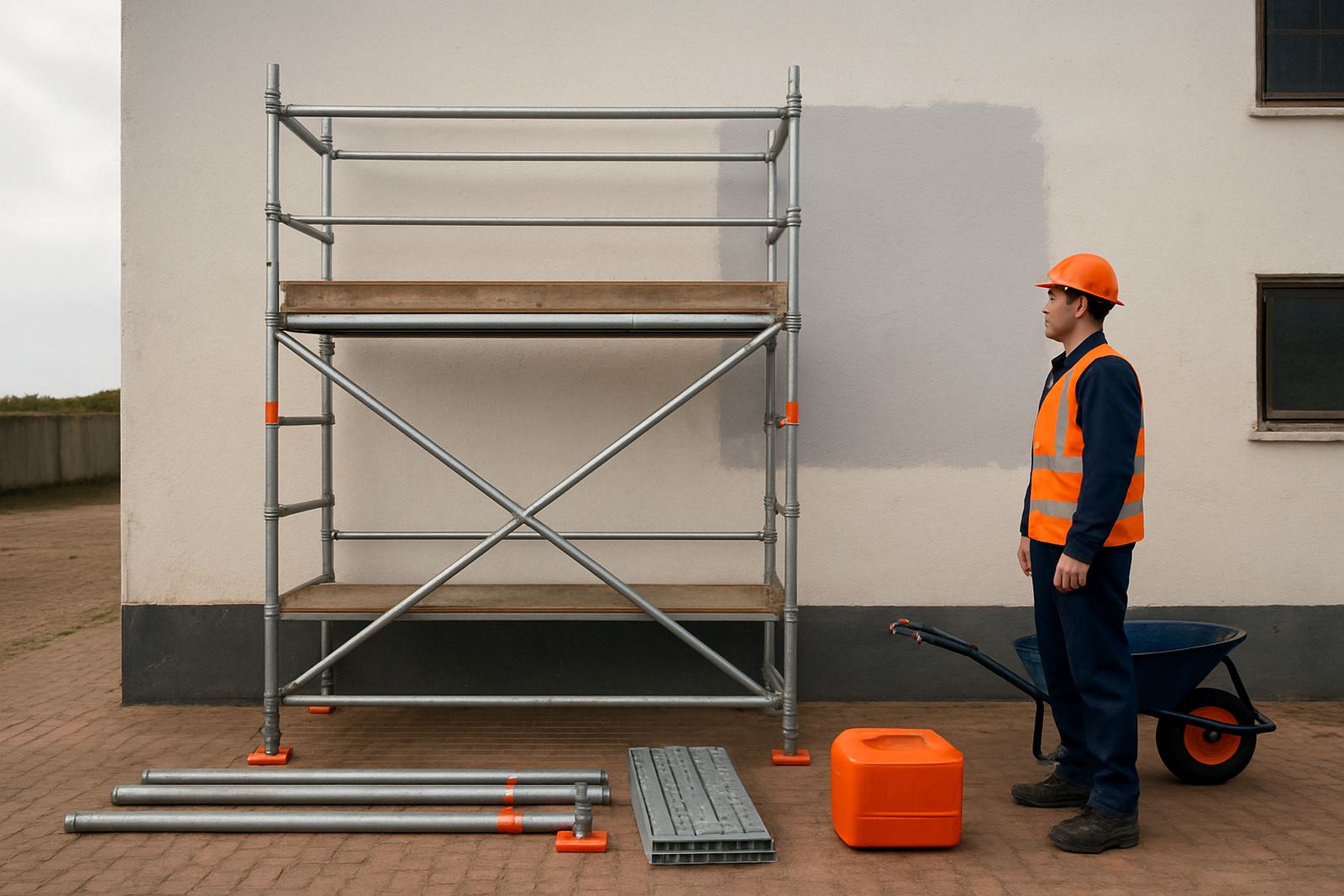
Good planning also helps with labour. Not every worker needs to be on site at the same time. Some teams can clear debris while others check the scaffold, the pump line or the delivery point. A proper pre-hire briefing helps everyone know where to stand, what to avoid and who is responsible if conditions change again during the day.
- Restart with the safest, most urgent tasks first
- Keep a spotter near reversing vehicles and lifting points
- Hold off on finishing work until the base is dry enough
- Review the weather forecast before scheduling the next shift
Why Local Coastal Conditions Need A Different Approach
The Eastern Cape coast brings its own problems. Rain can be heavy, then followed by humid air that slows drying. Salt in the air also affects steel, fittings and temporary structures if they are left wet for too long. In East London, Qonce and Kidds Beach, you often need to think about access, drainage and drying time together, not as separate issues.
That is why after rain recovery is not just a clean-up job. It is a short site management plan. With the right pumps, generators, compactors and scaffold support, work can restart without taking shortcuts that lead to damage or injuries later. If the site is still too wet for full production, a staged restart is usually the safer option.
Coastline Hire works from Beacon Bay and supports builders and event teams across East London, Gonubie, Kidds Beach, Qonce and Port Alfred with site delivery, collection, on-site setup, fuel management and emergency callout support. When rain slows a project, the fastest path is usually the one that starts with safety and ends with the right equipment on the ground.