Start with the actual load, not the generator size
The biggest mistake is to ask only what size generator is available and then assume fuel use will sort itself out. A 15 kVA unit running a few lights and a small pump will use far less diesel than the same unit carrying welders, grinders and a compressor. What matters is the load sitting on the set for most of the hire period.
On a building site in Beacon Bay or Gonubie, we often see the machine sized correctly but loaded badly. Contractors add tools through the day, then wonder why the tank drops quicker than expected. If the generator is running at low load for long periods, that can waste fuel too, so the aim is a matched setup. Even small changes in load can shift consumption by a fair amount, and that catches people ouot.
- List every item that will run at the same time.
- Check whether any motor starts need extra surge capacity.
- Separate constant loads from tools used only now and again.
- Ask for a pre-hire briefing if the load pattern changes during the day.
Use run time, not just litres per day
Fuel planning works best when you think in hours. If the generator must run from 7 am to 5 pm, that is 10 hours, but it will not burn fuel at the same rate for every hour. A unit feeding lighting, a kettle, a small pump and charging equipment may sip fuel for part of the day, then work harder when power tools kick in. That is why the hire period and the duty cycle both matter.
For short events in East London, a clear run sheet makes a big difference. A wedding in Kidds Beach might need the generator mainly for sound and catering, with heavier draw only during setup and pack-down. A market day in Qonce may need steady power from the first stall opening to the last light being switched off. Long run hours add up fast, so it helps to allow a margin rather than planning for the exact bare minimum.
- Write down the start and finish time for each day.
- Mark peak use periods, especially morning start-up and evening pack-down.
- Allow extra fuel for delays, rain, load shedding changes or late trucks.
- Keep a small reserve on site for the last hour of the day.
Account for coastal conditions and site access
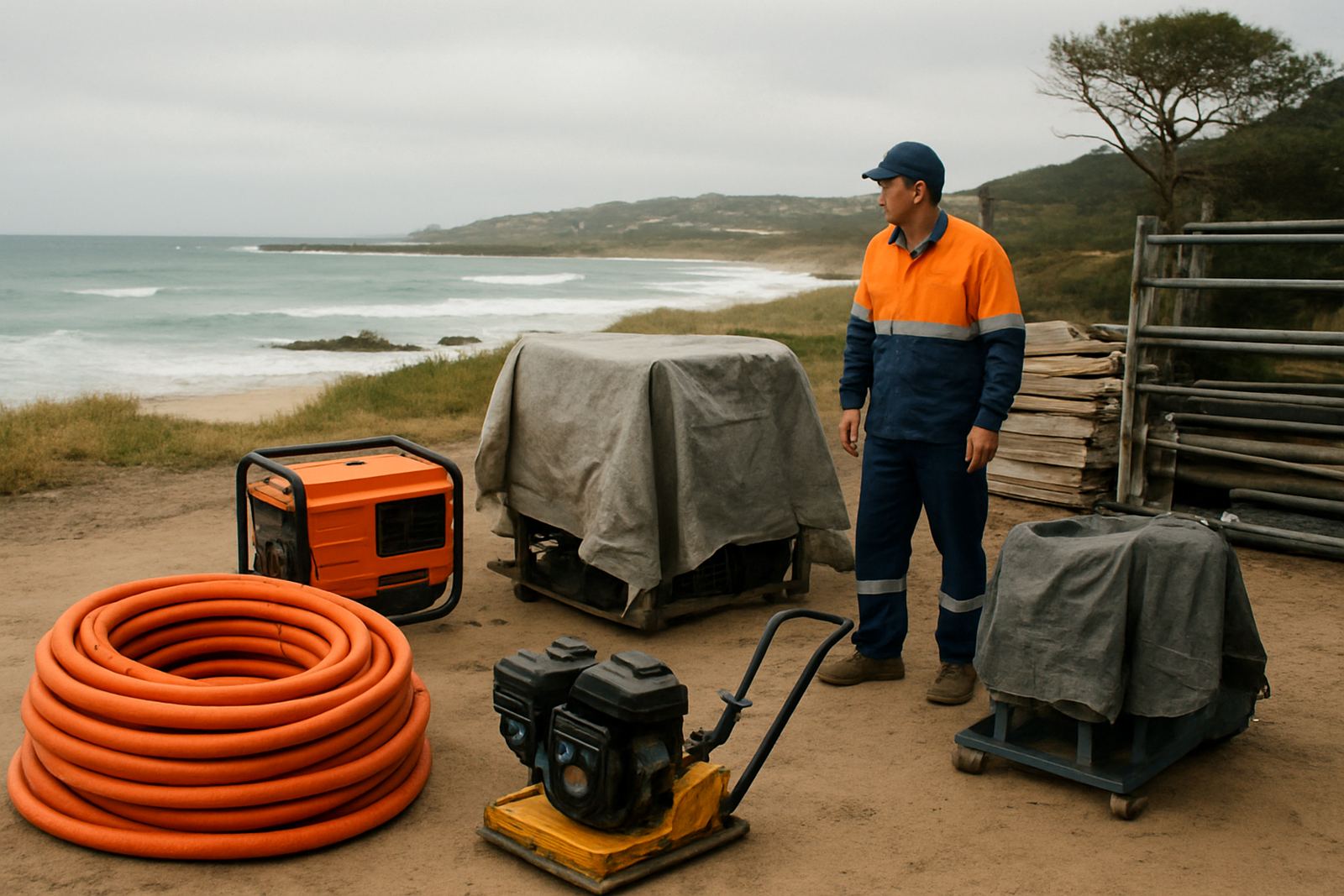
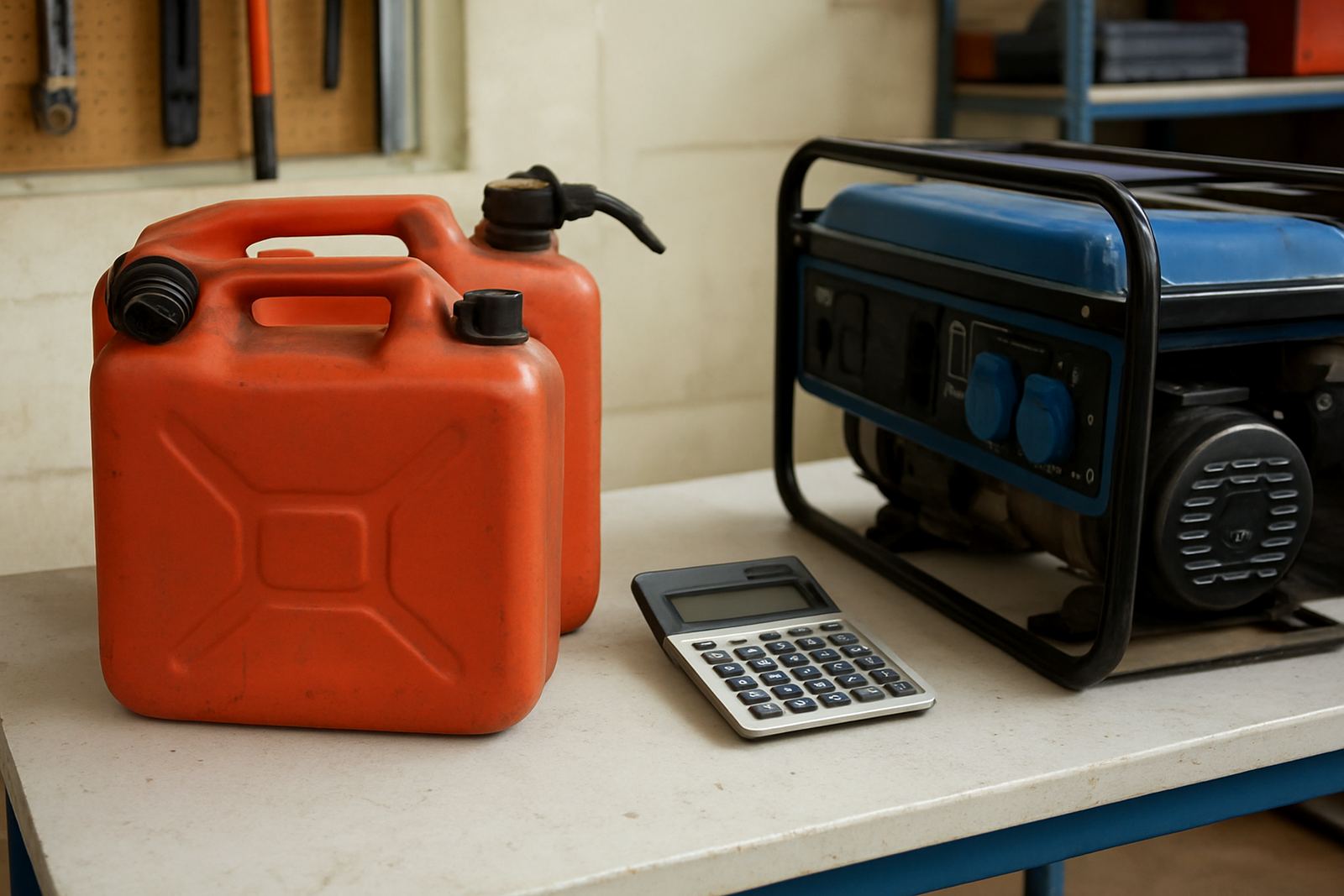
Along the Eastern Cape coast, wind, salt air and long access routes affect how you manage fuel. A unit running on a site near the beachfront may be exposed to sand and moisture, which means it should be placed carefully and checked often. Fuel cans should be stored in a shaded, safe spot and kept away from heavy foot traffic, open flames and hot exhausts.
Some sites in Port Alfred and Kidds Beach have tight access or uneven ground, so refuelling can take longer than planned. If the generator is behind scaffolding, inside a fenced area or on a mixed-use event site, the practical fuel route matters just as much as the litres themselves. Local municipal rules and site safety rules may also affect where cans can be kept and who may handle them.
- Use approved containers with lids that seal properly.
- Keep fuel away from drains and stormwater channels.
- Plan the refuelling route before the first delivery arrives.
- Assign one person to check fuel levels at set times.
Choose the right fuel management method for the hire
Not every hire needs the same fuel arrangement. Some customers prefer to manage fuel themselves and simply top up as needed. Others want full fuel management with scheduled checks, top-ups and emergency callout cover. For a long-term site, that can save time and reduce stoppages, especially where the crew is already under pressure with other work.
If your project runs over several weeks, it is worth treating fuel like any other consumable. Keep a log of hours run, litres added and any changes in load. That makes the next week easier to predict. It also helps with cost control because you can see whether the generator is running efficiently or being left on when no one needs it.
A common error is to treat fuel as an afterthought and then send someone out at lunchtime to find diesel. That often costs more than the fuel itself, especially when the site is outside town. A short daily check takes far less time than a stoppage.
Match the plan to the job type
Builders and event teams use generators differently, so fuel planning should change with the job. A scaffolding crew on a small commercial site may need power for tools, lighting and chargers across the whole day. An outdoor event may need steady power for sound, fridges and ticket equipment, then a heavier draw during peak trading or load in.
For builders, the trick is to identify the tools that pull hard when they start. For events, the trick is to know when the most equipment is on at the same time. If you are planning for a weekend hire, make sure the fuel allowance covers Friday setup, Saturday use and Sunday pack-down, because the final day is often where people run short.
- Builders: plan for grinder, mixer, pump or compressor start-up loads.
- Events: plan for sound, lighting, catering and refrigeration together.
- Emergency use: keep a reserve ready for unplanned outages.
- Long-term hire: review fuel use every few days, not only at the end.
A practical East London example
Say a contractor in Beacon Bay needs a generator for a small renovation that runs through a week of load shedding. The site uses lighting, a pump and two or three hand tools for most of the day, with heavier use in the morning and after lunch. If the team plans only for the first day and then guesses the rest, they may run short by Thursday. If they build in a daily fuel check, note the actual hours and keep a reserve, the job runs with less stress.
Now compare that with a function near Gonubie where power is needed for sound, bar fridges and food service. Here the fuel plan should include setup, the main event window and pack-down after dark. In both cases, the answer is not just more diesel. It is the right estimate, checked against the load and the hire length. That keeps the work moving and avoids last-minute callouts.
At Coastline Hire, we help customers in East London, Beacon Bay, Gonubie, Kidds Beach, Qonce and Port Alfred plan generator use before the hire starts, so the unit suits the job and the fuel plan matches the day.