Why the ground matters before the first pole goes up
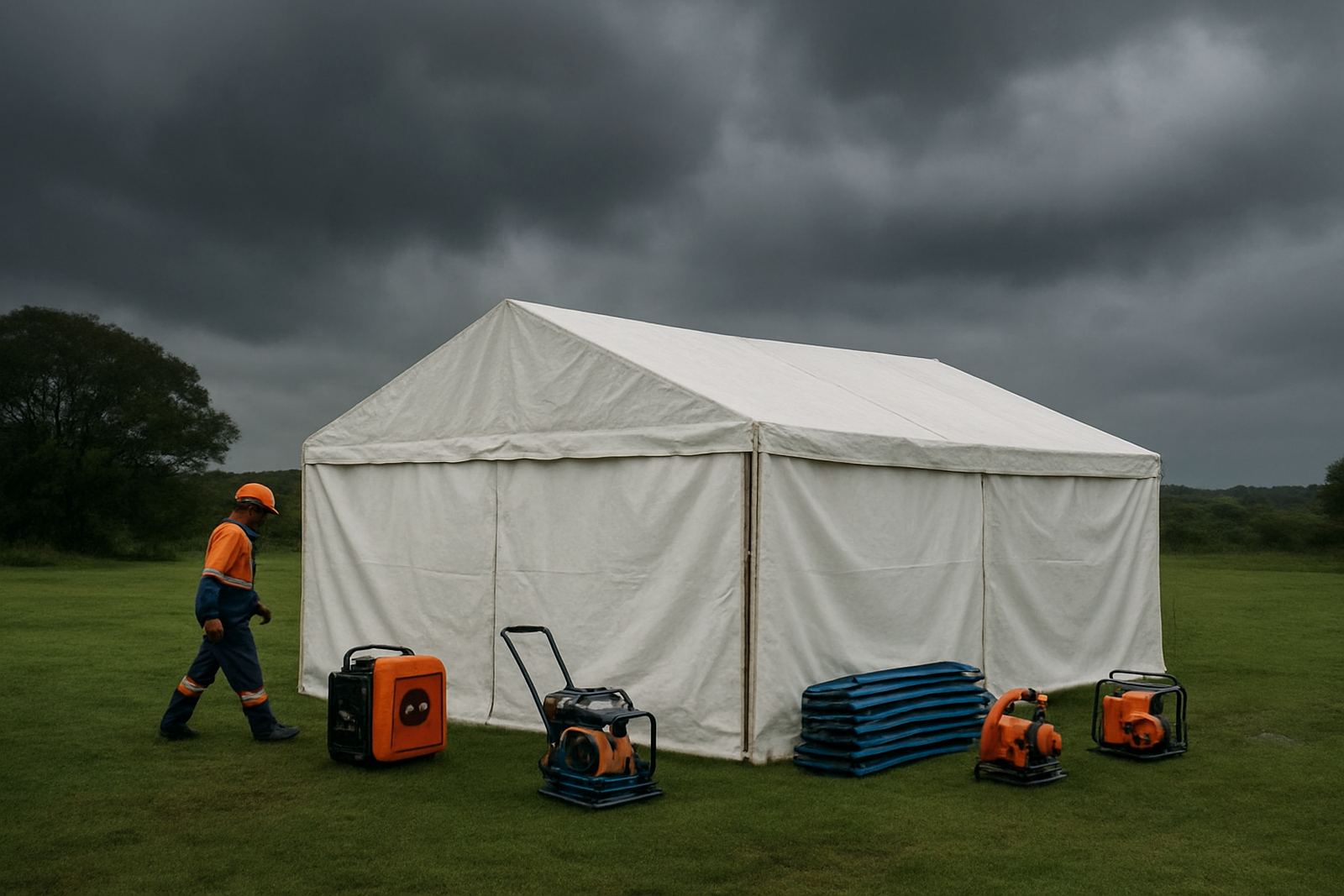
A marquee is only as good as the surface it stands on. If the ground is soft, waterlogged or uneven, pegs can loosen, frame legs can sink and the cover can pull out of shape. That leads to sagging lines, poor door alignment and extra stress on the full structure.
For birthday parties, school functions, community events and site canteens, the common mistake is to focus on size and forget the soil. In East London and along the coast, the ground often changes from one part of the property to the next. A lawn near the house might be firm, while a lower corner near a drain holds water after rain.
Our team checks the surface before installation so the marquee suits the site, not the other way round. It saves time on the day and helps avoid last minute changes when guests are already arriving.
How we judge firmness on local sites
Firmness is not only about whether the ground feels hard underfoot. We look at how it behaves under pressure, whether it gives way after rain and whether vehicles have already left ruts. In Beacon Bay and Gonubie, sandy soil near the coast can look dry on top but still shift under load. In Kidds Beach and Port Alfred, open plots can have firm patches mixed with softer edges.
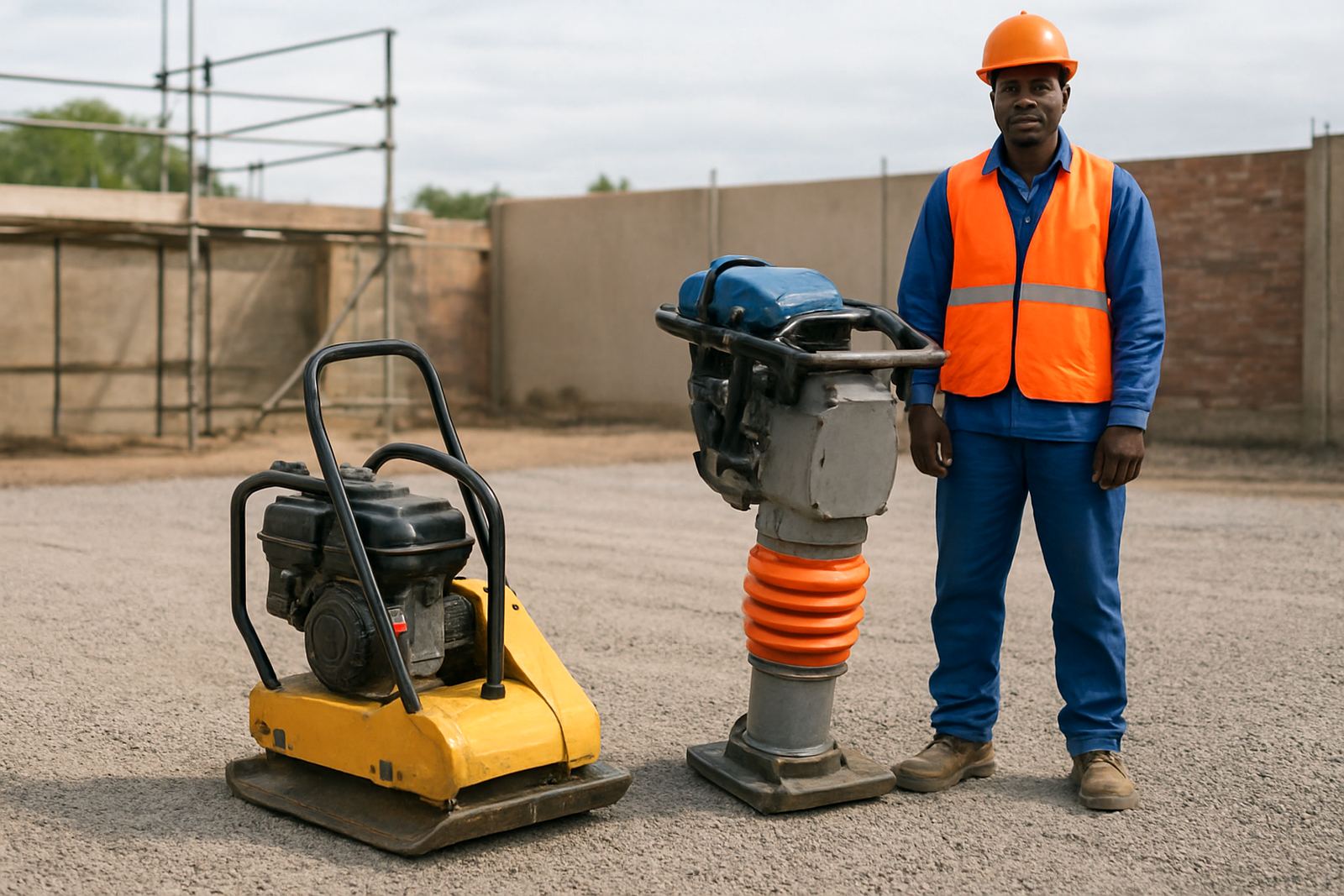
A proper check usually covers the whole footprint of the marquee plus the access path for gear. We also look for tree roots, buried services, irrigation lines and areas where footing would be uneven. If a floor system is going in, the base needs to be stable enough to carry the weight without movement.
- Press test points across the site, not just one corner
- Check for old vehicle tracks or soft spots after rain
- Measure any slope before pegging or ballasting starts
- Confirm enough space for entry, exit and loading
Drainage checks that stop water trouble later
Drainage is one of the most overlooked parts of marquee planning. A site can look fine on a dry morning and still become a problem if the weather turns. Water pools around the edges, finds low points under the cover and can soak chairs, flooring and electrical leads. If the event is catering based, water near prep areas is even more of a concern.
We look at where rain will flow, where the gutters lead and whether the site sits below nearby paving or driveways. On coastal properties, heavy mist and overnight damp can also leave the ground softer than expected by setup time. A quick check the day before is often not enough, so for longer hires we may recheck the site before final layout.
Good drainage planning may mean moving the marquee a few metres, lifting the floor, or choosing a better entry side. Small changes early on are easier than pumping water out later, which is never a pleasant job.
Wind exposure along the coast needs a proper plan
Wind is part of life on the Eastern Cape coast, especially in open areas close to the sea or on higher ground. A marquee facing a gap between buildings can catch wind in a way that a sheltered yard does not. Even a light structure needs the right anchoring method and enough open space around it to reduce strain.
We look at the direction of the prevailing wind, nearby walls or fences that may create turbulence, and whether the site is exposed to sudden gusts in the afternoon. For event work, this matters even more if sidewalls, banners or decorative draping are being used. Those additions catch wind and must be planned for before setup begins.
- Allow for stronger anchoring on exposed corners
- Keep clearance from fences, poles and sharp edges
- Check whether sidewalls need to stay open for airflow
- Have a weather plan for overnight hires
What changes between event sites and building sites
Not every marquee is for the same use. A family gathering in Qonce needs different planning from a contractor's site shelter in East London. Event sites often need neat access, level flooring and clean sight lines. Building sites may need tougher access, quicker setup and room for gear movement. The ground check has to match the purpose.
For events, we also look at guest movement, generator placement, lighting runs and any area where people may queue. For sites used over several days, the ground may need extra protection because repeated foot traffic can turn one soft patch into a bog if it rains. That is where the pre-hire briefing helps, because everyone knows what the site can handle and what it can't.
When the plan is clear from the start, the setup team can work faster and the hire runs smoother. It is far better than discovering a problem after the poles are already standing.
A local example from Beacon Bay to Kidds Beach
One recent setup in the Beacon Bay area started as a simple garden marquee for a weekend celebration. The lawn looked sound, but the lower end of the property held water after a short shower. The family wanted the tent near the back boundary, close to the kitchen door. After a site walk, the layout was moved a few metres onto firmer ground and the entrance was rotated away from the damp patch. That small change kept the flooring dry and made service much easier.
We see the same pattern on coastal plots near Kidds Beach and Port Alfred, where wind and drainage often work together. A site can be dry in the morning and still not be ready for pegs if the soil has not settled. Taking the time to check before delivery avoids delays, extra labour and avoidable risk.
As Siyabonga Mhlabeni often says, a good hire starts with a good look at the ground. If the base is right, everything else becomes easier to manage.
What to have ready before we arrive
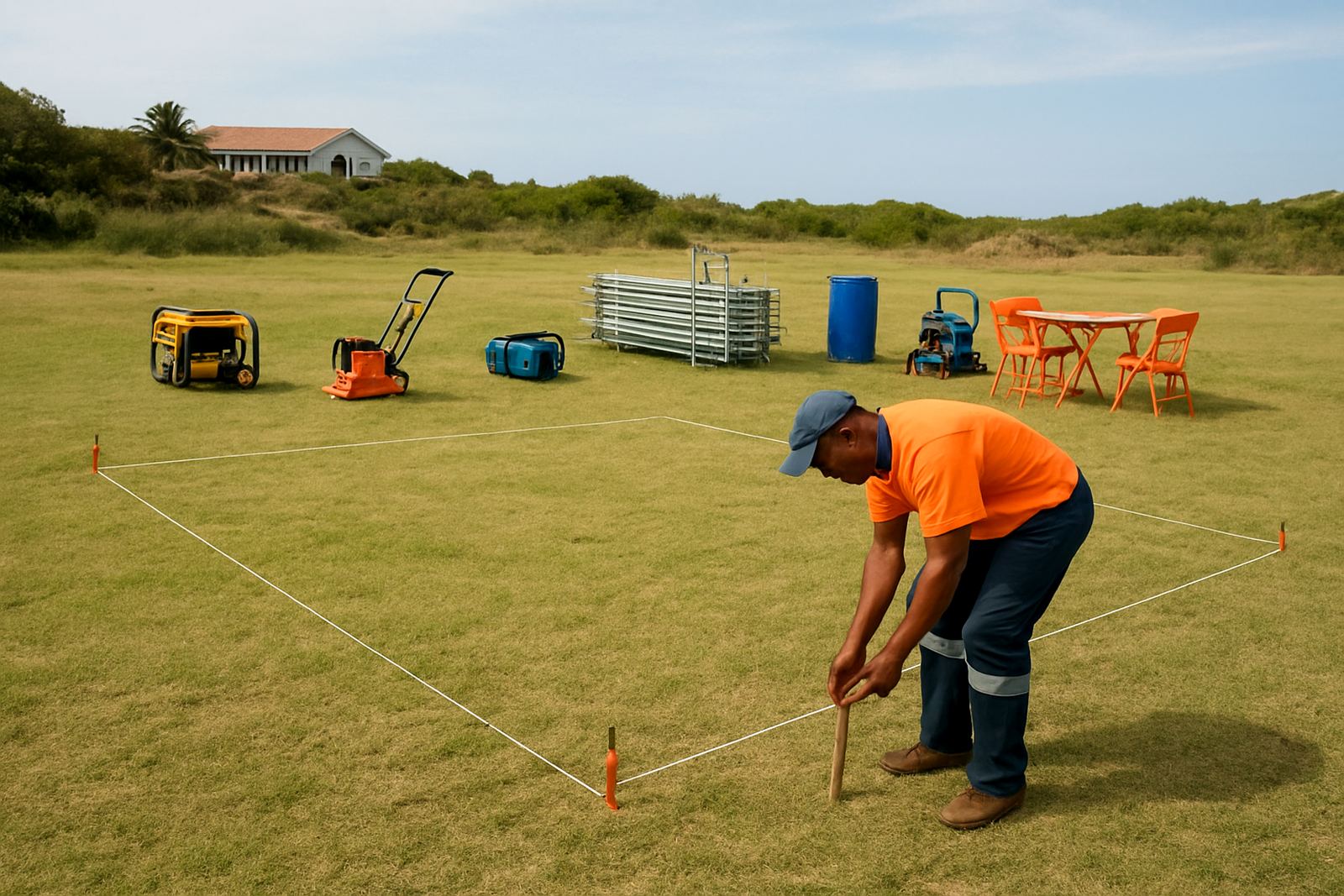
A clear site helps us complete the job without fuss. If you are planning a marquee hire in East London, Gonubie, Beacon Bay, Kidds Beach, Qonce or Port Alfred, it helps to have the area marked out and any site notes ready. If the ground has just been cut, watered or dug, say so before delivery. That one detail can change the setup plan.
Useful information to share includes access width, gate height, slope, drainage issues and whether the area is grass, sand, gravel or compacted soil. If there are nearby trees or overhead lines, mention those too. For events, let us know where the catering, toilets and generator will go. For site use, tell us if there will be foot traffic, materials or vehicles near the marquee.
Coastline Hire offers site delivery, on-site setup, event layout help and pre-hire briefing from our Beacon Bay base. If the ground needs checking before tent installation, that is where the work begins.