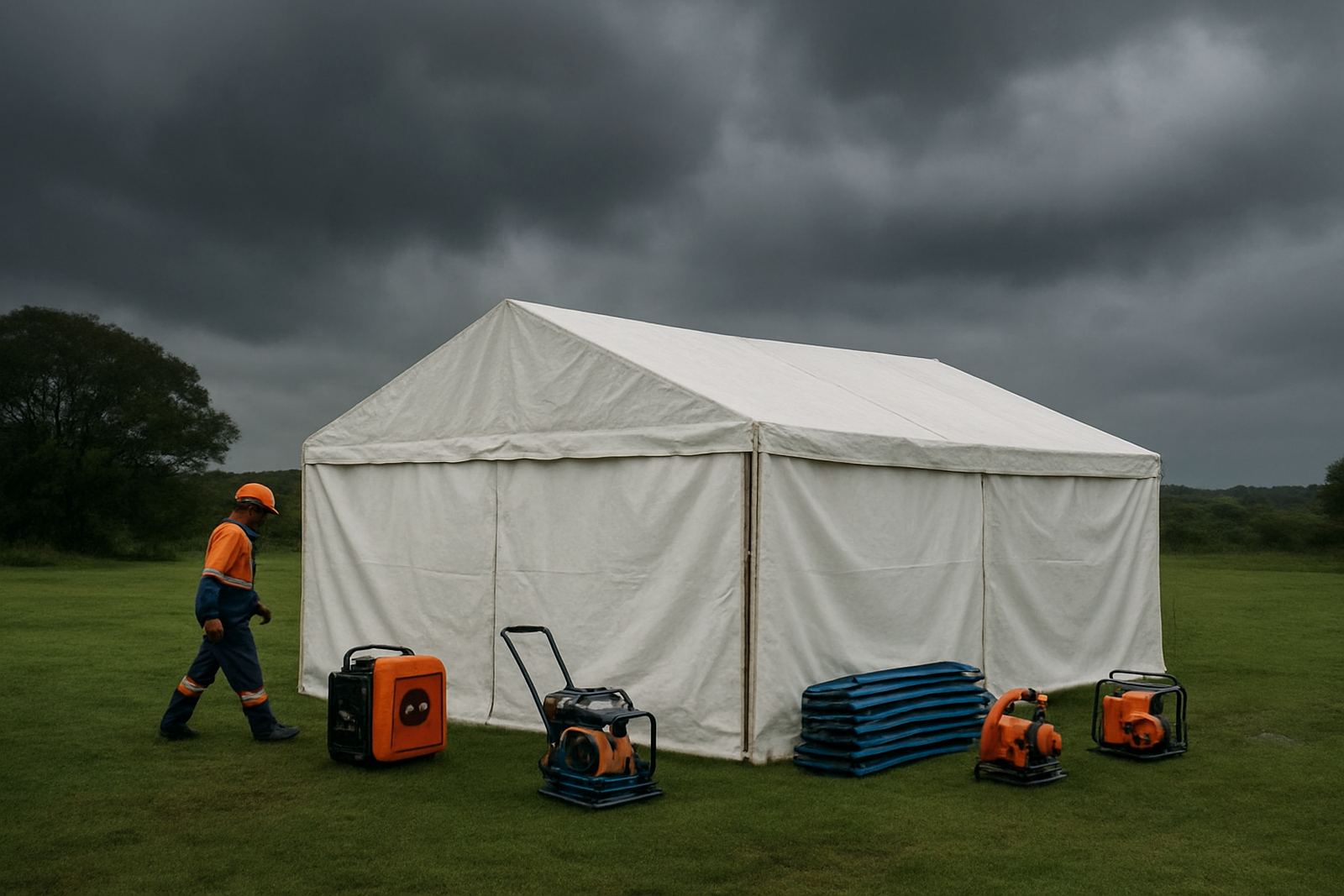
Start with a proper wet weather decision point
Before you send invitations, decide exactly when the rain plan is triggered. Is it a forecast of heavy rain 24 hours before, a morning check on the day, or a call made by 10am? Write that decision down and make one person responsible for it. At functions in Beacon Bay, Gonubie and Kidds Beach, the biggest trouble often starts when everyone waits for the weather to improve and nobody has authority to move the event inside or under cover.
A clear decision point helps with suppliers too. Caterers, sound teams and the venue need to know if trucks can still reach the site, where power will come from, and whether equipment must be moved early. If guests are travelling from Qonce or Port Alfred, they also need a message in time to change travel plans. The earlier the call, the less stress for everyone.
- Set a rain call time and name the decision maker.
- Share the backup plan with the venue, caterer and sound crew.
- Tell guests what will happen if weather changes.
Check shelter, floors and guest movement before the first drop
Outdoor functions need more than a roof. You need enough covered space for seating, the food table, gift table, and a dry route to toilets and parking. If the ground is soft, wet shoes and heels can become a problem very quickly. In coastal areas, even a light shower can turn grass areas into slippery patches, so walk the site and mark the areas that must stay dry.
Think about where guests will queue, where children will stand, and how elderly guests will move if the weather turns. A tent or marquee should be pegged properly and checked for water run-off. If the site is exposed to wind, sides may need to be lowered. At the coast the rain often comes with a gust, so loose decor is best secured early, not after the first shower.
- Keep walkways dry with ground cover or mats.
- Place signs for toilets, parking and backup seating.
- Move fragile decor and gifts under cover before guests arrive.
Plan power for rain, load-shedding and last-minute changes
Rain plans in the Eastern Cape are never only about rain. If the power drops during load-shedding, or if a venue trip is affected by weather, your event still has to run. Lights, speakers, catering equipment and pumps all need a safe supply. For functions that use generators, plan where the unit will sit, how far cables must run, and who will fuel it if the event goes longer than expected.
For a beachside birthday in Gonubie, for example, the weather may look fine until late afternoon, then the wind shifts and the music setup has to move under cover. If the generator is already positioned and tested, the move is quicker. Keep extension leads tidy and off wet ground, and never leave joins lying in standing water. A small detail like that saves a lot of trouble.
- Test backup power before guests arrive.
- Keep fuel on hand for longer functions.
- Use cable runs that avoid puddles and foot traffic.
Choose hire equipment that can handle wet conditions
Not every item of hire equipment suits wet weather use. Scaffolding, compactors, pumps and temporary structures all need proper planning if rain is expected. If you are setting up stages, flooring or covered areas, ask how the equipment will be delivered, where it will stand, and whether any part of the site needs drainage first. In a coastal town, humidity and rain can also affect electrical equipment and stored décor, so timing matters.
For event hire, it helps to book items that keep guests comfortable and the site workable. Side walls for shelter, lighting for darker afternoons, and pumps for clearing standing water can make the difference between a busy event and a cancelled one. On building sites, the same thinking applies when a function is linked to a new venue or outdoor launch area. Wet ground and heavy foot traffic can quickly become unsafe if the hire gear is not matched to the conditions.
- Ask for site delivery and collection so equipment arrives on time.
- Book on-site setup if you need the layout handled for you.
- Use pumps or drainage support where water pools after rain.
Keep guests informed in plain language
Guests do not need long explanations, they need clear instructions. If the venue changes, send the new address, parking details, and whether umbrellas, jackets or closed shoes are recommended. If the ceremony still starts outdoors but the reception moves inside, say so. People prepare better when the message is simple and direct.
For family functions, school events and company year-end events across East London, a short text message often works better than a long email. Include the time of the change and what stays the same. If children are attending, mention where parents should sign in or collect them. A calm, factual message keeps people from guessing and stops repeat calls to the organiser.
- Send one clear update instead of several vague ones.
- Confirm the new entrance, parking and seating plan.
- Remind guests about footwear and weatherproof clothing.
A local rain plan that works on the East London coast
Take a function planned for a venue near Beacon Bay. The forecast shows afternoon rain and strong wind, while the guests are due to arrive at 2pm. The best plan is not to wait and hope. Instead, the setup starts earlier, the covered area is marked out, the generator is tested, and the sound gear is placed where it can be moved fast if needed. If the caterer is bringing hot food, the serving line must stay dry and accessible.
By 1pm the team knows the route from parking to entrance, the rain cover is in place, and the backup seating is ready. If showers arrive, the event carries on with a few small changes rather than a full scramble. That is the point of a proper rain plan: it keeps the function moving even when the weather does not cooperate. Around the coast, that is just practical planning, not panic.
If you are unsure what to hire for a wet weather backup, it helps to start with the site, the number of guests and the expected timing. From there you can work out shelter, power, access and safety in the right order.
- Build the plan around the venue, not around wishful thinking.
- Allow enough time for delivery, setup and a weather check.
- Keep one person ready to make the final call if conditions change.