Why a pre-cut check matters on the coast
A chainsaw that looks fine at first glance can still give trouble once it meets soaked timber, mud or sand. After a storm in Beacon Bay or Kidds Beach, branches often pick up grit and small nails from fencing, so the first cut needs a proper inspection, not a guess.
Checking the saw before use helps you spot loose parts, blunt chain teeth and leaking fuel before the job starts. It also gives you a chance to match the saw to the task, because light pruning is very different from cutting up a fallen gum tree with heavy limbs.
Start with the chain, bar and tension
The chain is the first thing to inspect. It should sit snug on the bar, turn freely by hand when the power is off, and have teeth that are sharp and even. If the chain droops too much, it can jump off under load. If it is too tight, it can overheat and wear out fast.
- Check that the chain guard is removed only when you are ready to cut.
- Look for cracked, bent or missing teeth.
- Make sure the bar groove is clear of sawdust and debris.
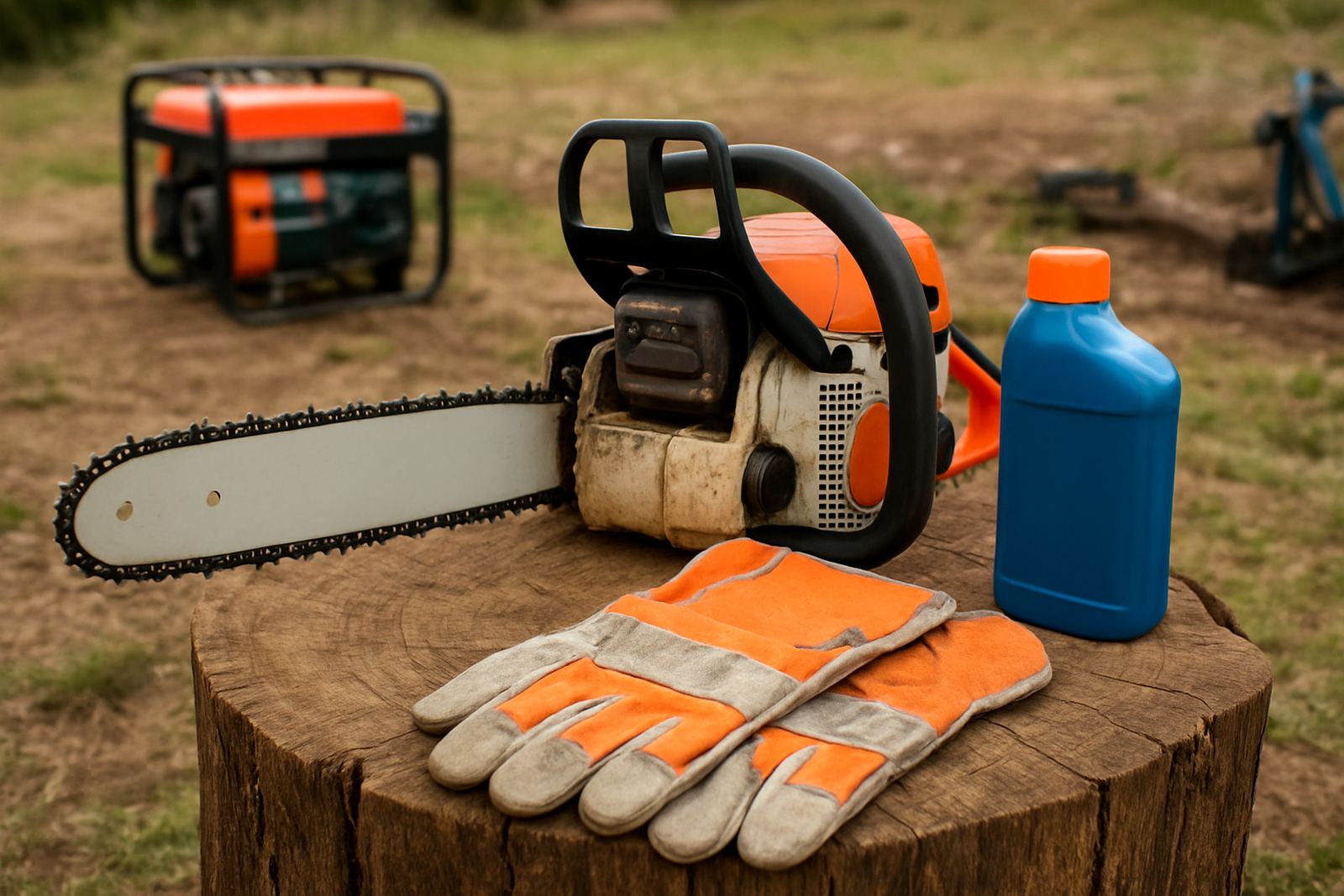
- Spin the chain by hand with gloves on to feel for rough spots.
If the chain has hit soil or concrete, stop and inspect it again. One dull chain can turn a one-hour job into a full afternoon. It also leaves a rough cut that is harder to stack or split later.
Fuel, oil and how coastal weather changes the job
Fuel mix and chain oil are not small details. A two-stroke engine needs the right fuel mixture and fresh oil, and the chain needs enough lubrication to stop overheating. On humid days near the coast, stale fuel can cause hard starting and poor idle, while wet conditions can make it tempting to rush, which is when mistakes happen.
Check the fuel cap, oil cap and hoses for cracks. If there is a smell of petrol around the saw or the tank looks damp, do not keep going until it has been checked. In places like Port Alfred and Qonce, where jobs can run longer than planned, fuel management matters even more because a saw that runs dry mid-cut can leave a dangerous half-finished trunk.
- Use fresh fuel, not old leftover mix from the last job.
- Confirm the chain oil tank is full before starting.
- Wipe off spilled fuel before the engine is started.
- Keep refuelling well away from open flames and hot exhaust parts.
Safety features to test before the first cut
Every hire saw should be checked for working safety controls. Test the front hand guard and chain brake, because they must stop the chain quickly if the saw kicks back. Check the throttle lock, stop switch and rear handle for damage too. If any of these feel sticky or loose, the saw should not go into service.
It is also worth confirming that the chain catcher is intact. That small part can reduce injury if the chain comes off. For storm cleanup around fences, poles and old timber, the risk of kickback is higher because hidden branches can snag the bar without warning.
Wear the right kit before starting: helmet, face shield, hearing protection, gloves, long trousers and boots with grip. A chainsaw is not the place to work in sandals or a wet pair of takkies, even for a quick cut.
Look for signs the job needs a bigger saw or another plan
Not every tree or log should be tackled with the same machine. A small pruning saw may handle branch cleanup, but thick hardwood trunks or long sessions cutting firewood will need more power and a longer bar. If the saw has to be forced through the cut, stop and reassess.
- Use a bigger saw for dense timber and repeated cuts.
- Choose a lighter saw for overhead pruning and quick branch work.
- Ask whether the timber contains wire, nails or embedded stones.
- For large storm damage, clear the site in stages instead of rushing one pile.
On a job in Gonubie after strong winds, for example, a homeowner may think one saw will clear a whole yard in a morning. But once branches are stacked, some are too thick for a small hire saw and others need to be cut down in sections to avoid trapping the bar.
Working safely around storm debris and wet timber
Storm debris can shift without warning. Before the first cut, look for tension in bent branches, hanging limbs and timber that is wedged under pressure. If you cut the wrong side first, a branch can snap back or roll. That is why a proper site check matters just as much as the saw itself.
Clear the area so the operator has firm footing and a safe retreat path. Keep children, pets and bystanders well back. If the ground is muddy or uneven, place timber on blocks so the chain does not strike the soil. Wet wood cuts differently and the saw can grab more easily, so slow steady cuts are the better option.
For builders clearing offcuts on a site in Beacon Bay or a homeowner cutting fallen branches after load shedding has passed, the basics stay the same: inspect, plan, cut and then re-check. A few minutes spent on checks is cheaper than repairing a damaged bar, chain or hand.
When to call for help or change the setup
Some jobs are better handled with support. If the timber is too large, the area is cramped, or the work must continue into the weekend, arrange the right equipment and a second pair of hands. For long sections of storm cleanup, it may also help to plan fuel top-ups, transport and a safe place to stack waste as you go.
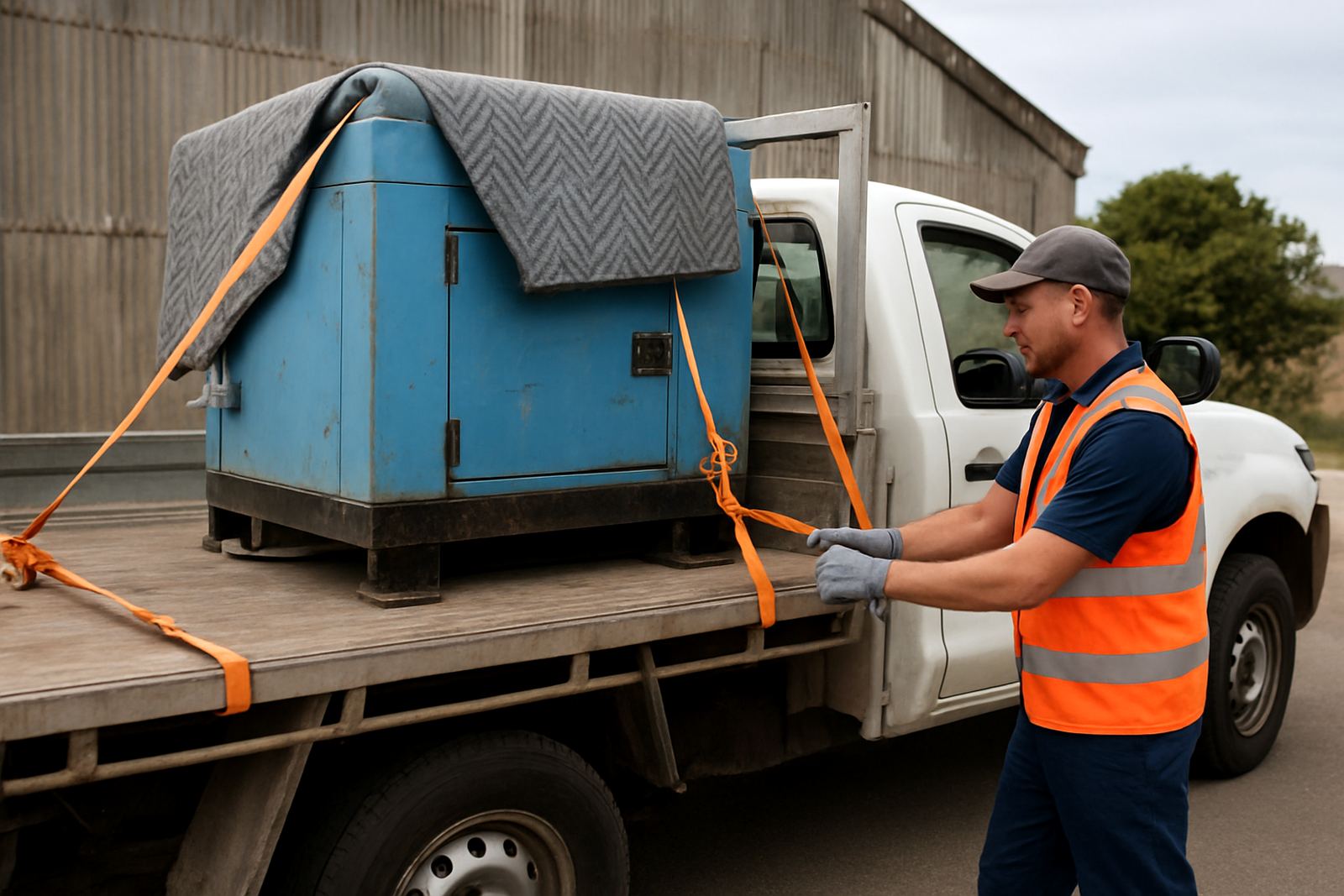
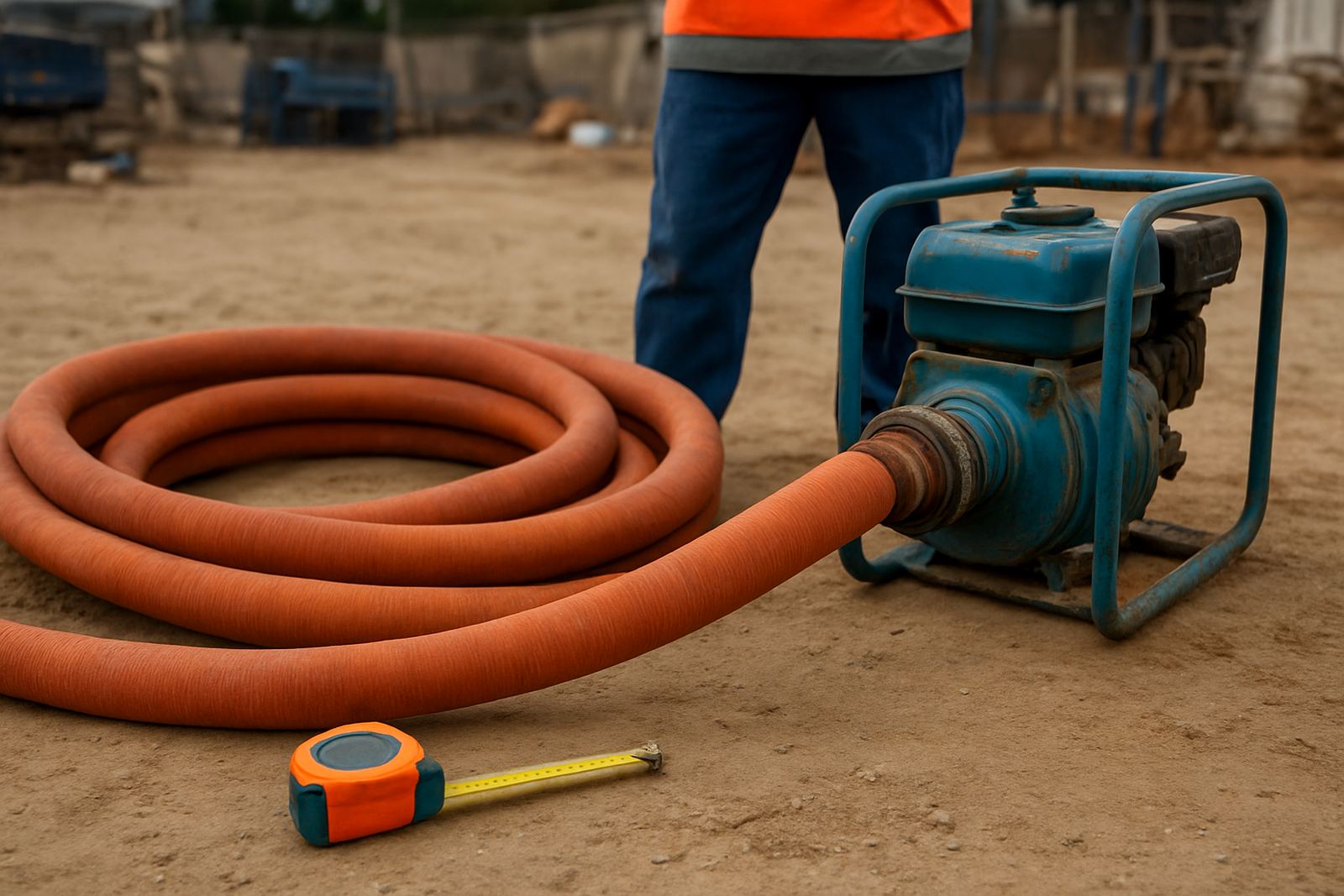
At Coastline Hire, we often see customers in the East London area who only need a saw for one afternoon, then realise the site also needs a generator for tools, lighting after dark or a pump after flooding. A quick pre-hire briefing helps match the gear to the work, and saves time on site. If you are unsure, ask before you start. It is better to change the plan than to force a saw through the wrong job.