Start with the purpose of the event, not just the guest list
A guest list is only the starting point. A birthday braai in Beacon Bay, a church fundraiser in Qonce or a school prizegiving in Port Alfred all need different seating, because people move, serve food at different times and often arrive in mixed groups. If you only count heads, you can still end up short on chairs or with tables that do not suit the way the event will run.
For seated meals, plan one chair per guest plus a few extras for late arrivals, ushers, elders and helpers. For standing-heavy events like markets, launches and casual celebrations, you may need fewer chairs but more tables for food, gifts, registration or tea service. In coastal weather it also helps to think about shade and wind, because table cloths, napkins and loose items can shift quickly when the breeze picks up.
Use these quick counts for common function types
Simple planning rules make the first estimate easier. They are not perfect, but they give you a solid base before you speak to the hire team. For a sit-down meal, work on one chair per person and one table for every 6 to 10 guests, depending on the table size and service style. For buffet or family-style service, allow a little more table space so people are not crowded around serving dishes.
- Small family event: 10 to 20 guests, usually 12 to 24 chairs and 2 to 4 tables
- Church or community tea: 30 to 80 guests, usually 36 to 96 chairs and 5 to 12 tables
- School or sports awards: 50 to 150 guests, usually 60 to 180 chairs and 8 to 20 tables
- Corporate lunch or product launch: 20 to 60 guests, usually 24 to 72 chairs and 3 to 10 tables
If you are setting up for an event in Gonubie or Kidds Beach, remember that extra space may be needed for serving points, a cake table, a gift table, or a small sound area. A count that looks fine on paper can feel tight once plates, coolers and decor are added.
Match table shapes to the room, hall or marquee
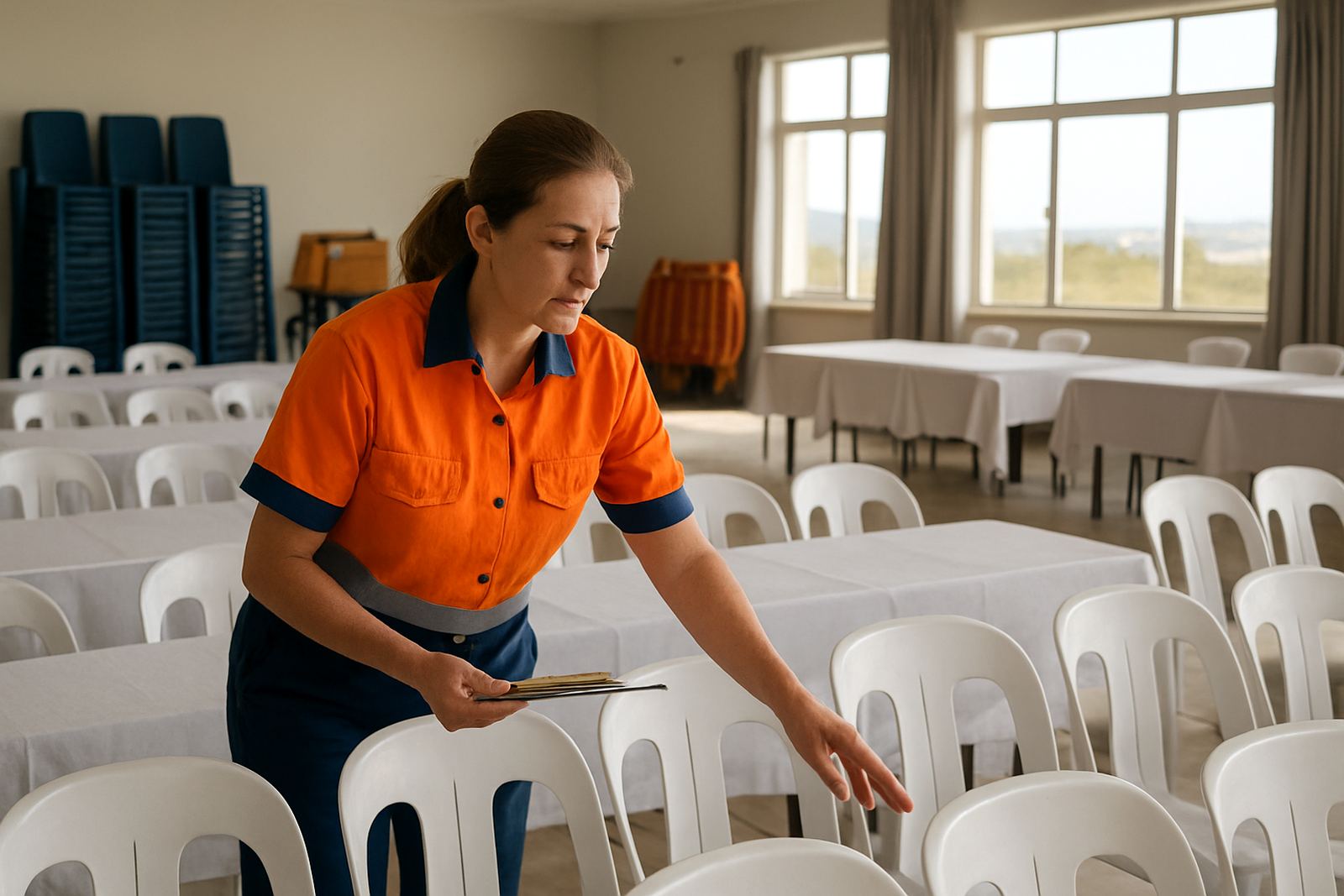
The number of chairs is only half the job. The table shape decides how people fit, how they talk to each other and how easy it is to move around. Round tables usually suit social functions because guests can face one another, while rectangular tables work better for tighter spaces, buffet lines and community halls where wall space matters. If the venue is outdoors in East London, rectangular tables can also be easier to align on uneven ground.
When planning, ask how much floor space is available after you allow for walkways, food service and access for older guests or anyone using a wheelchair. A hall may hold your full guest list, but only if the tables are arranged with enough gaps. If chairs are too close, people struggle to pull them out and service slows down. That is when an event feels cramped even though the numbers are technically correct.
- Use round tables for meals, speeches and social mixing
- Use rectangular tables for buffets, registration and tighter rooms
- Leave clear walkways so servers and guests can move safely
- Check doors, stage space and power point access before finalising counts
Do not forget serving tables, gift tables and support tables
Many organisers count only guest tables and then call on the day asking for extras. That is where serving tables, tea tables, cake tables and registration tables become important. A community event in Beacon Bay may need a separate table for donations, while a wedding in Port Alfred may need a gift table, a drinks table and a space for the sound crew. These extra surfaces are not luxury items, they keep the main seating area tidy.
As a rule, add at least one support table for every main area of activity. If you are serving food in waves, place the first table near the kitchen or serving point and another near the seating area for condiments, water or snacks. If the event includes a prize giving, speeches or a photo area, allow a table for certificates, gifts or equipment. It is better to have one table too many than to pile everything onto the guest tables and make it hard for people to sit down.
Community events need a little extra margin
Community functions are rarely exact. Families bring cousins, neighbours arrive with children and groups often share one booking between several households. That is why a small buffer matters. For public meetings, school functions and church gatherings, add 10 percent to your chair count and at least 1 extra table for every 20 to 30 guests if the layout allows it. That little bit of reserve can save you from moving people around after the event starts.
In the Eastern Cape coast, weather also affects the final count. If a hall door stays open for cool air or if a function is under cover but partly open at the sides, chairs may need to be positioned away from wind or damp ground. On the coast humidity can make some surfaces feel sticky or soft underfoot, so layout planning should include where the heavy items go and whether the floor can take the load. A practical count is not just about numbers, it is about where those numbers can be used safely.
- Add extra chairs for elders, late arrivals and helpers
- Allow more tables if food is served in shifts
- Keep a reserve for children if the event is family centred
- Plan for weather changes at outdoor or semi-outdoor venues
A local East London example shows why planning matters
Take a Saturday community lunch in Beacon Bay with 72 confirmed guests, a buffet line and speeches after the meal. At first glance, you might think 72 chairs and 8 tables are enough. In practice, the organiser also needs a gift table, a serving table, a drinks table and space for the microphone and speaker. Once those extras are counted, the setup becomes more realistic at around 80 chairs and 11 tables, with the chairs arranged so that people can move in and out without disturbing the service.
That same event would be handled differently if it were a children’s party in Gonubie or a fundraiser in Qonce. The age group, the food service and the venue shape the final count. If you are not sure, a quick pre-hire briefing helps because the count can be adjusted before delivery, not while the team is unloading. That saves time and keeps the layout neat from the start.
What to tell the hire team before delivery
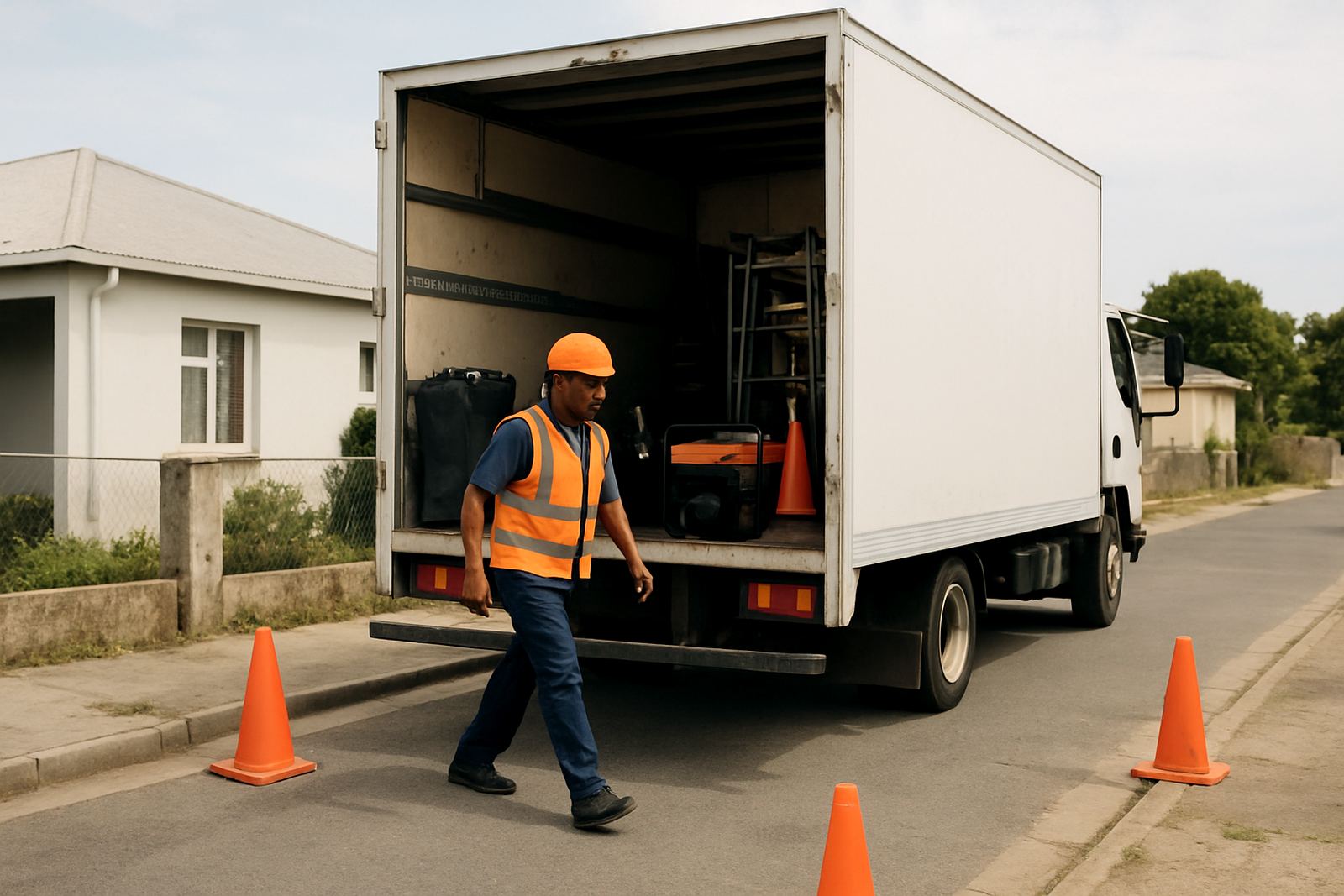
The more practical detail you share, the more accurate the count will be. Tell us the number of guests, the type of function, whether food will be plated or buffet style, and if the event is indoors or outdoors. It also helps to know if there is level ground, a staircase, tight access or a long carry from the vehicle. For coastal venues near Kidds Beach or Port Alfred, mention if the area is exposed to wind or damp, because that affects placement and setup time.
Useful details to share:
- Guest count and age mix
- Meal style, tea service or no food service
- Venue type, hall, tent, home or sports ground
- Need for delivery, collection or on-site setup
- Any extra tables for gifts, speakers, registration or food
With the right information, the final count is easier to confirm and there is less chance of running short on the day. That is especially useful when you are organising across East London, Beacon Bay, Gonubie, Kidds Beach, Qonce or Port Alfred and want one clear plan before the first chair arrives.