Start With a Clear Gate, Not a Surprise
The best delivery jobs begin before the truck leaves Beacon Bay. If the driver arrives and has to reverse around parked cars, wait for a security officer, or phone three people just to find the gate, the whole schedule slips. A clear point of entry matters whether we are dropping off a generator in Gonubie, moving scaffolding to Qonce, or delivering tables and chairs for a function in Port Alfred.
Tell us upfront which entrance to use, who will open it, and whether a truck can turn inside the property. If the access road is narrow or soft after rain, say so early. Coastal sand, potholes and steep driveways can turn a short trip into a careful manoeuvre.
- Give the full site address and nearest landmark
- Share the gate width and any height restrictions
- Tell us about security access, access codes, or reception rules
- Let us know if delivery must happen before 07:00 or after hours
Measure the Space Before the Truck Arrives
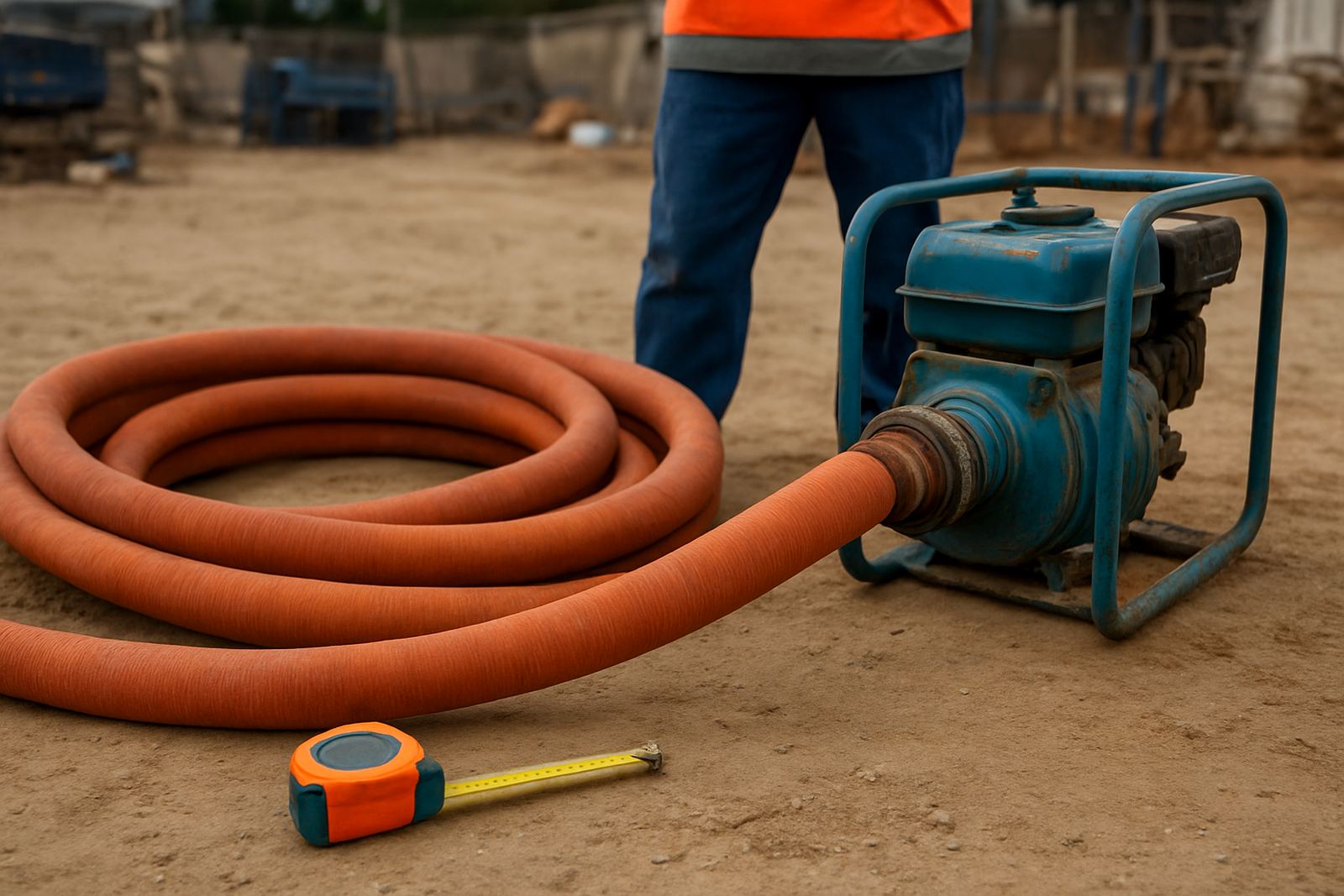
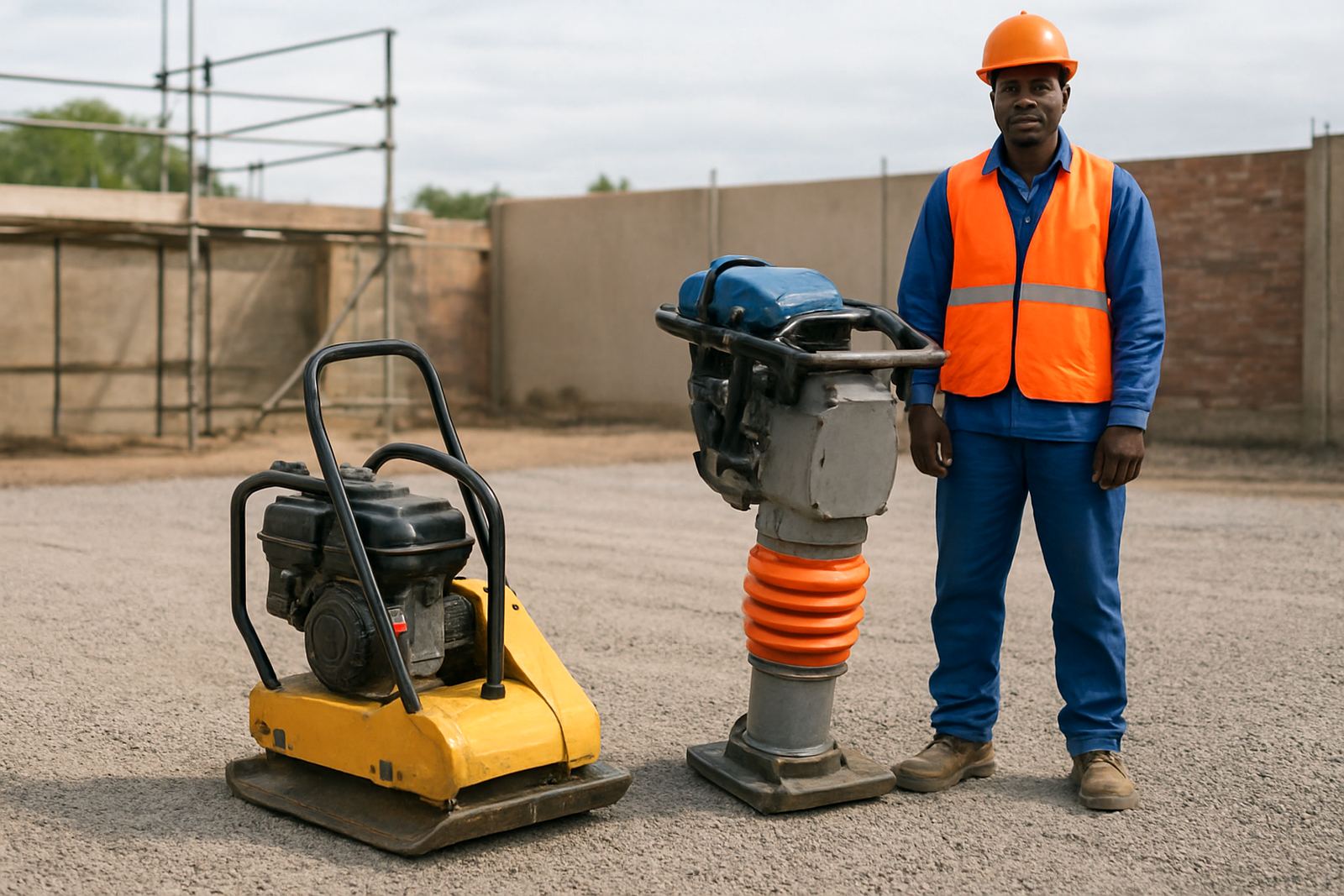
On a busy site, a few quick measurements can save a lot of back-and-forth. Measure gate width, driveway width, turning space, and where the equipment must be placed once offloaded. This is especially important for compactors, scaffold frames, water pumps and portable generators, because they need a clear path, not just a place to stop.
If you are planning event hire, measure the venue entrance, passage widths, stairways and lift access. A hall in East London city centre may have different access rules from a beach venue near Kidds Beach, and a marquee site in Beacon Bay can need a different truck position from a school field in Qonce. We can work with the space, but only if we know the limits first.
- Measure any doorway or gate the item must pass through
- Check for steps, slopes, loose gravel or soft ground
- Mark the exact offload spot with cones or tape if needed
- Confirm whether the item must be wheelbarrowed, carried or lifted
Make Room for Offload and Collection
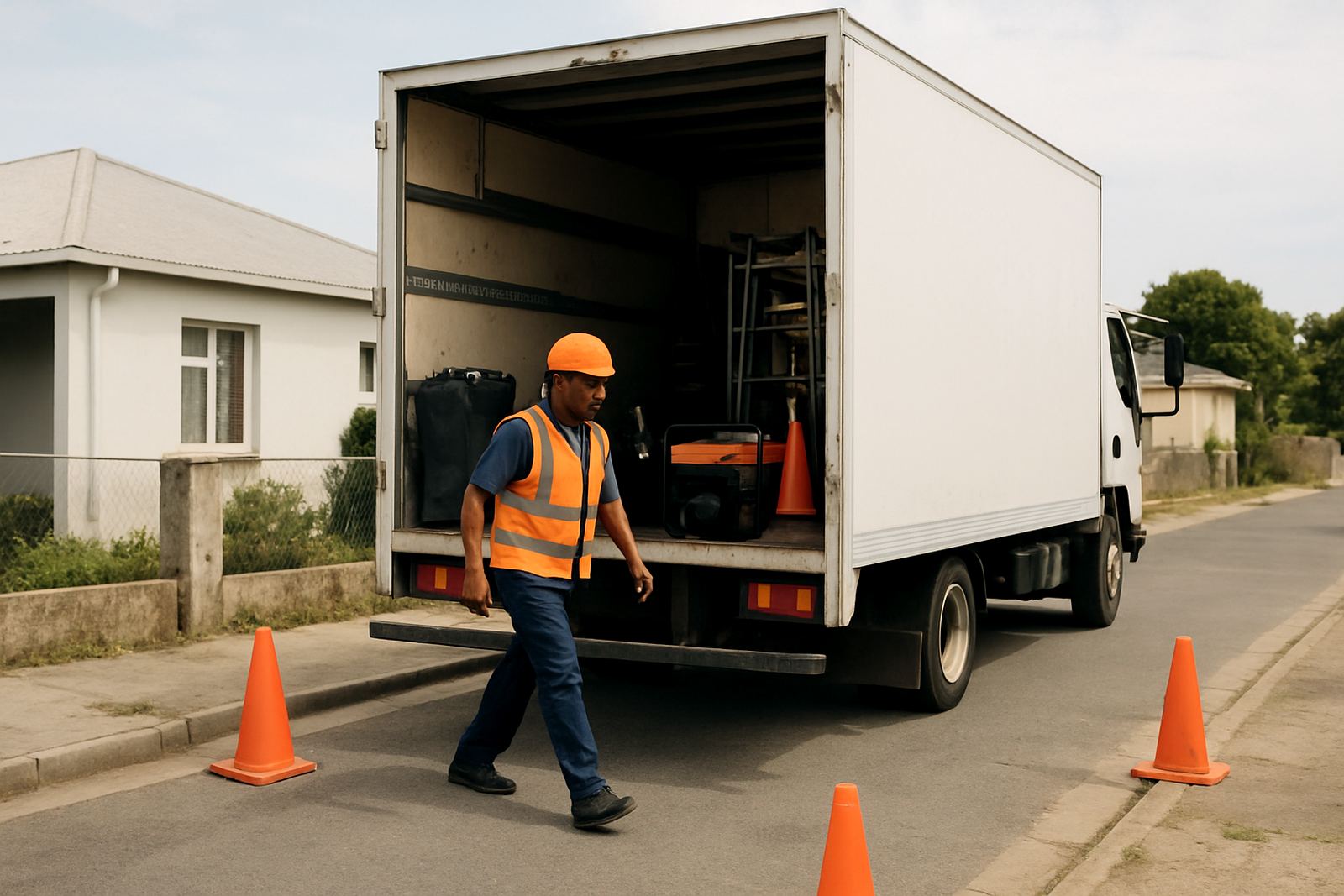
Drivers need enough room to stop safely, offload, and leave without blocking traffic. That means making space for the truck, not just the equipment. If cars are parked close to the gate, ask people to move them before the delivery window. If the site is on a main road or busy corner, arrange a spotter who can guide the vehicle in and out.
Collection needs the same attention. Equipment should be ready, cleaned where needed, and stacked or packed in the same way it arrived. That saves time and helps avoid damage claims. On event sites, make sure speakers, chairs, marquees or cable runs are cleared before the truck comes back, because we cannot wait while a venue is still being packed down.
- Keep at least one full vehicle length clear at the gate if possible
- Move private vehicles before the truck arrives
- Assign one person to guide the driver on arrival and collection
- Check that the offload area is level and free of loose debris
Plan for Load-Shedding, Weather and Coastal Conditions
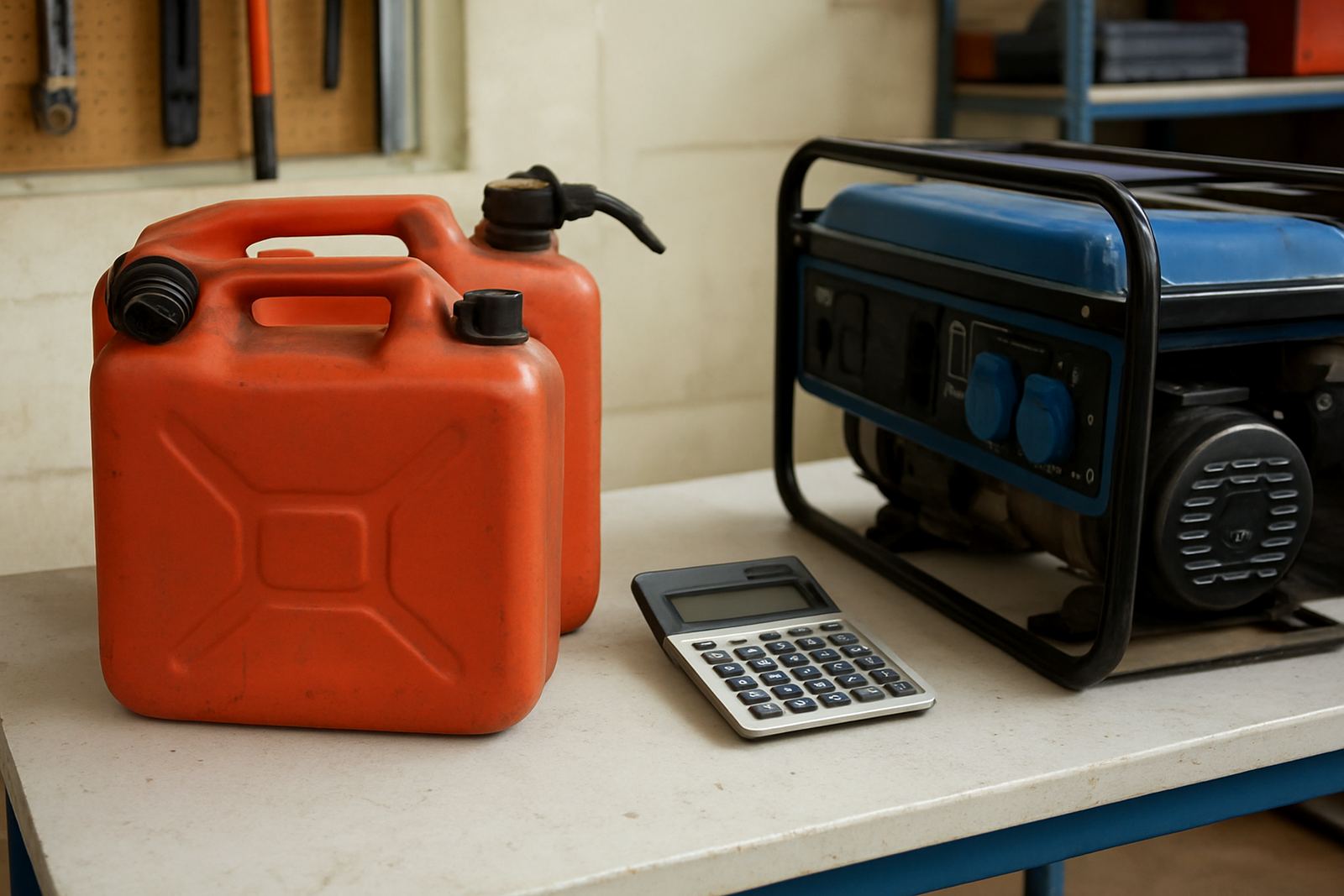
Along the Eastern Cape coast, access is not only about roads. It also includes power cuts, wind, rain and salt air. If a generator is being delivered for backup power, tell us where it will sit, how close it must be to the building, and whether the area is sheltered. A wet lawn or sandy verge can sink wheels fast, so a firm base is better than a quick guess.
For events, wind matters. A seaside setup in Gonubie or Kidds Beach may need extra hold-down points or a more protected loading area. For scaffold jobs, wet brick paving, muddy yards and strong wind can affect both delivery and safe setup. Coastal humidity also means equipment should not be left standing in standing water or packed away wet if it can be avoided.
If load-shedding is part of the day, let us know the timing. That helps with fuel management, on-site setup and the safest route for getting kit in before the lights go out.
Give Us the Site Rules Up Front
Many delays come from rules that were never mentioned before the truck left. Builders, schools, estates, churches, municipal properties and event venues often have their own delivery requirements. Some need a health and safety file, some require induction, and some only allow access during certain hours. It is always easier to prepare than to stand at the gate and phone around.
For scaffold planning and site delivery, we may need to know who signs off access, where the safe walking route is, and whether there is public traffic nearby. For party equipment, venue managers may want delivery to happen through a service entrance or at a set time after another event has cleared. Share these details early and we can plan properly, no guessing.
- Send venue or site rules before the delivery day
- Confirm any induction, PPE or sign-in requirements
- Tell us if access is shared with the public or other contractors
- Warn us about fragile surfaces, freshly painted floors or landscaping
Use a Local Example to Avoid a Last-Minute Delay
Take a practical example from a function in Beacon Bay. The venue had a wide front gate, but the actual loading point was through a side lane with a tight turn and a low branch overhang. Because the organiser told us the turn was tight, we sent the right vehicle, allowed extra time, and the party hire items went in without a problem. If that detail had come too late, the truck would have had to stop outside and the whole schedule would have been under pressure.
The same goes for a small building job near East London CBD. A generator may be simple to deliver, but if the only entrance is shared with another contractor, or if a delivery truck cannot reverse safely, the job needs a different plan. Good access is not about making the job fancy. It is about keeping it tidy, safe and on time.
When in doubt, send a photo or a short pin location. A quick picture of the gate, driveway or yard often tells us more than a long message, and it helps our team prepare the right vehicle and crew.
What to Tell Us Before Delivery Day
If you want faster drop-off and smoother collection, the simplest step is to share the right details early. A short pre-hire briefing can save time for everyone, especially when the site has unusual access or the booking includes multiple items.
- Exact address and contact name on site
- Delivery and collection times that suit the site
- Gate width, road surface and turning space
- Any steps, slopes, low wires or overhead obstructions
- Whether help is available to offload or reposition equipment
- Special rules for venues, estates, schools or municipal sites
At Coastline Hire, we work across East London, Beacon Bay, Gonubie, Kidds Beach, Qonce and Port Alfred, so we see all sorts of access conditions. The clearer the access info, the quicker we can get in, get out, and keep your project or event moving.