When a storm leaves water, debris and downtime
Storm damage in East London and along the coast often starts with one problem and turns into three. Water gets into low rooms, branches block access, and power interruptions slow everything down. The right hire gear helps you clear the site sooner and reduce further damage before mould, soaked stock or unsafe ground becomes a bigger bill.
We help homeowners, builders, schools, complexes and event teams after heavy rain and wind. That can mean pumping out a flooded yard in Gonubie, clearing fallen limbs in Beacon Bay, or getting a generator running when municipal power is out in Kidds Beach or Qonce. If access is tight, we can advise what to send first and what can wait until the site is safe.
For urgent storm work, the most useful items are usually the ones that remove water, open pathways and restore basic power. In coastal conditions, it also helps to choose equipment that can handle damp air, muddy ground and repeat use over a few days, not just one quick visit.
Typical cleanup kit for rain and wind damage
A proper storm response is usually a mix of pumping, cutting, lifting and drying. We can help you match the gear to the job so you dont hire more than you need, or end up under-equipped when the first load is cleared.
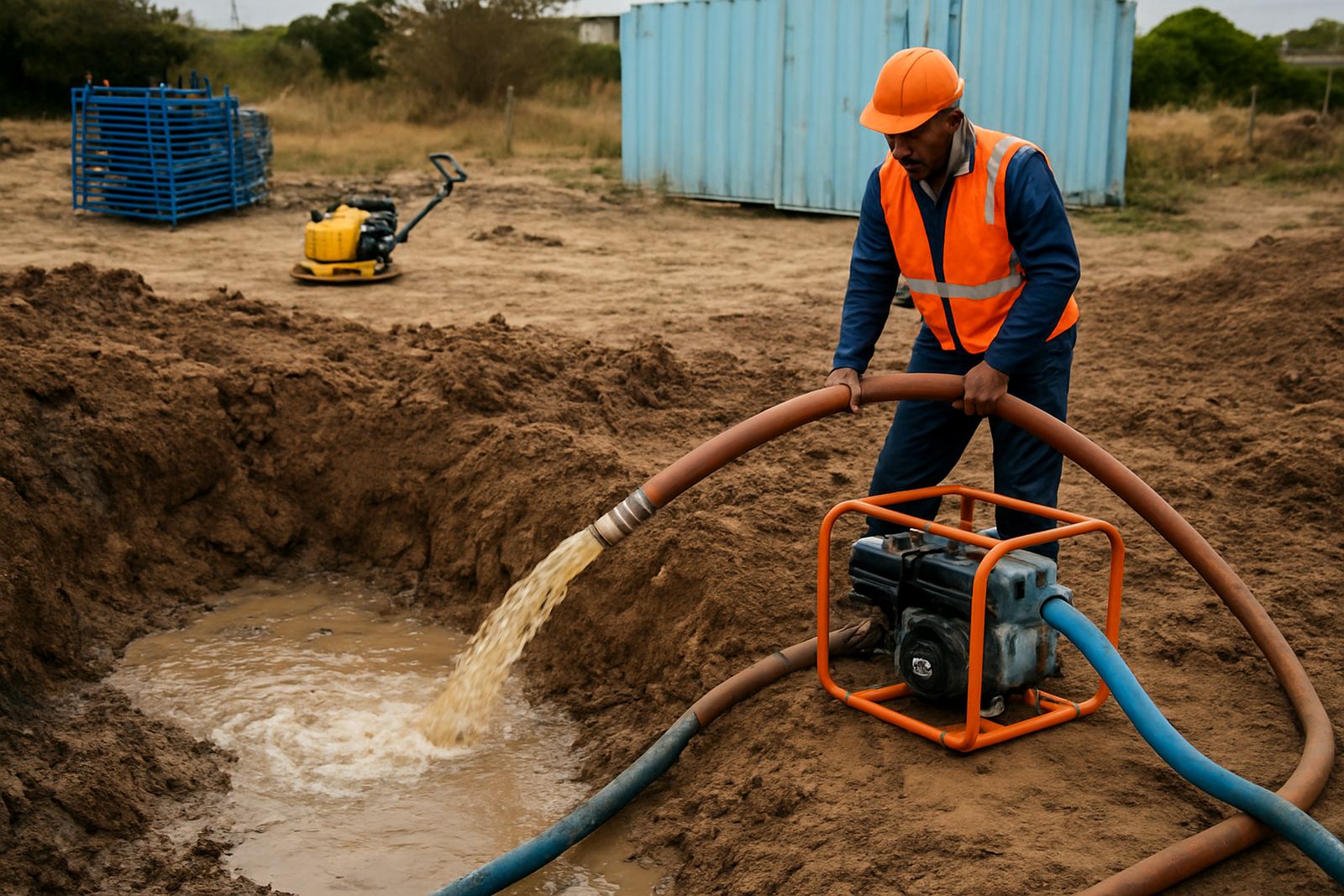
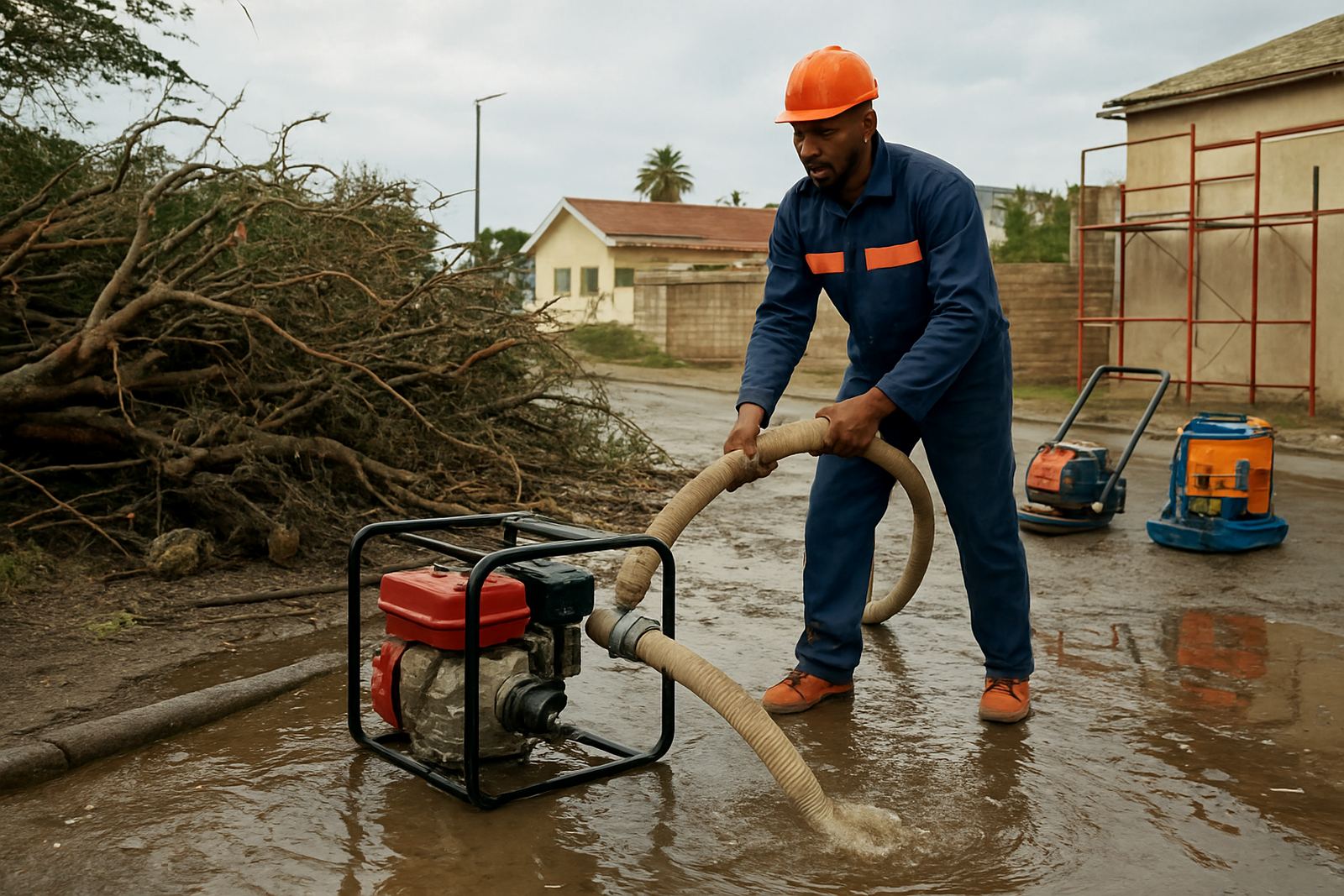
- Pumps: For standing water in yards, basements, trenches, pools or low-lying areas. We can advise on water type and hose length.
- Generators: Useful where mains power is off and you need to run pumps, lights or basic tools.
- Chainsaws: For fallen branches and damaged trees that are blocking driveways, gates or work areas.
- Brush cutters and cleanup tools: Handy for clearing light storm growth, reeds and debris around a property.
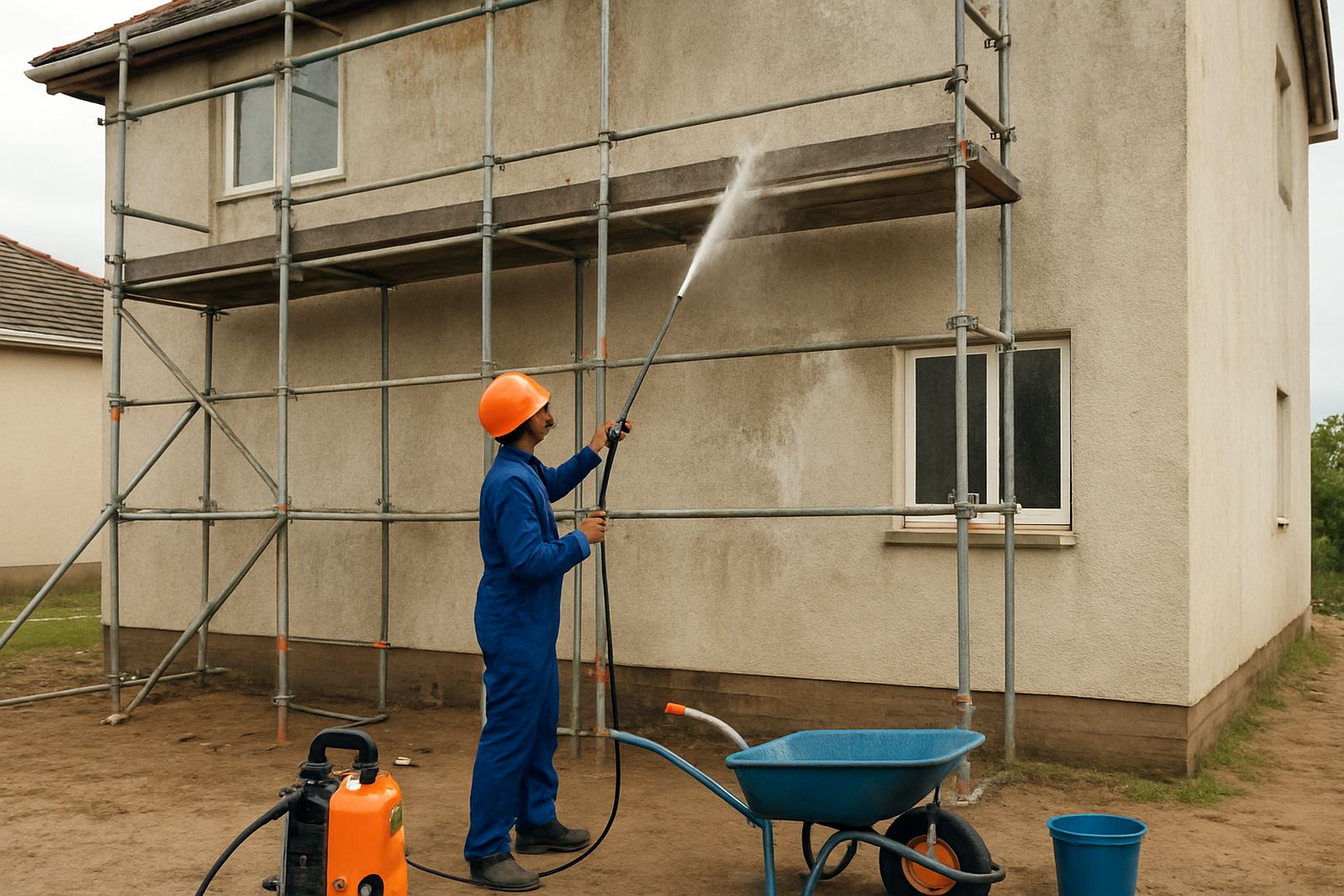
- Scaffolding and ladders: For safe access to roofs, gutters and high areas after wind damage.
- Tarps, brooms and minor site gear: For keeping stock dry and making a wet area safer while the main cleanup continues.
If the job is commercial or on a larger site, we can also plan for fuel management and longer hire so the cleanup does not stop halfway through the week.
How to set up the site before equipment arrives
Storm cleanup runs better when the first hour is spent organising access instead of moving the same debris twice. Clear a path for the delivery vehicle, mark wet spots and make sure someone on site can show the crew where water is collecting and where the discharge can go.
For pumping jobs, the biggest issue is often drainage. If the water has nowhere legal or safe to go, the pump is only solving half the problem. Around East London and the coastal strip, we also watch for sand, silt and grass blocking intake hoses. On wind jobs, the safest approach is to cut large limbs into manageable pieces before anyone starts loading or stacking.
Good planning helps near shared boundaries and municipal roads too. If debris is close to a pavement, fence line or road edge, keep the work zone tight and visible. That reduces complaints and helps avoid damage to passing vehicles or public property. A quick briefing before hire can save hours later.
Common mistakes after heavy rain or wind
After a storm people often move too fast and hire the wrong thing first. The result is delays, avoidable damage and extra delivery costs. A short phone call before collection or delivery can prevent most of that.
- Using a small pump for a deep flood and expecting it to clear a full yard in one morning.
- Running generators without enough fuel or load planning, which stops the job at the worst time.
- Cutting trees before checking for power lines, unstable walls or hidden branches under tension.
- Working on wet roofs or gutters without proper access equipment and fall protection.
- Waiting too long to clear drains, which lets the next rain push the problem back into the building.
- Ignoring coastal humidity and storing equipment outside overnight, then finding it hard to start the next day.
We often see people hire cleanup gear after they have already spent money on spoil removal or emergency repairs. In many cases, a pump and generator on day one would have reduced the damage enough to save on labour later.
Hire costs and what to budget in Rand
Storm cleanup budgets depend on how long the site stays wet, how far equipment must travel, and whether the job needs fuel, setup or after-hours callout. For a small home or yard cleanout, a basic hire package can start from about R450 to R950 for simpler tools and short use items, depending on what is needed.
For pumps, generators and chainsaws together, many customers budget around R1 200 to R3 500 for a short emergency response period. Larger properties, commercial sites or repeat pumping over several days can run from R3 500 upward, especially if delivery, fuel management or weekend hire is required.
If scaffold planning, roof access or on-site setup is involved, cost will rise with the number of pieces, the height of the work and the time needed to install it safely. We can quote for a single callout or a longer hire period, which is often better when weather remains unsettled for a few days.
Service areas and fast response from Beacon Bay
Coastline Hire is based in Beacon Bay and supports storm cleanup across East London, Gonubie, Kidds Beach, Qonce and Port Alfred. That local reach matters when roads are wet, power is unstable and every hour counts.
We can help with site delivery, equipment collection, on-site setup, long-term hire and emergency callout where needed. If the damage is linked to an event venue, building site or rental property, we can also help you plan the order of work so cleanup, drying and repairs happen in the right sequence.
For urgent support, send the location, a short description of the damage and a rough idea of the area that needs pumping or clearing. The more exact the details, the quicker we can match the gear and get it moving.