Home Upgrades Need the Right Equipment First
If you are opening up a kitchen, fixing a roof leak, repainting a ceiling or sorting a bathroom floor, the job usually runs smoother when the equipment matches the work. Home renovation jobs often start small then grow once walls come down, tiles lift or old fittings need replacing. That is why many homeowners in Beacon Bay, Gonubie and Kidds Beach hire the tools they need for the weekend instead of buying gear they will only use once.
For coastal homes there is also the local reality of damp air, rust and load-shedding. Metal fittings, wet plaster and power tools need a bit more care, and a backup generator can keep mixers, saws, lights and fridges running when the power drops. We help you choose kit that suits a flat, a townhouse or a freestanding home, with enough capacity for the work without paying for more than you need.
Typical home renovation hire often sits between R350 and R2 500 per day depending on the item. Bigger jobs, like multi-day painting or roof repairs, usually work better on weekend hire or a longer hire period so you are not rushing the finish.
Typical Equipment For Room Refits And Repairs
Most home improvement jobs need a mix of access, power and site control. A small bathroom change may only need a pump, extension leads and a ladder. A full living area upgrade might call for scaffold, compactors for outside paths, and a generator if the work runs through a power cut. We will talk through the job and help set up a simple hire plan that makes sense for the space.
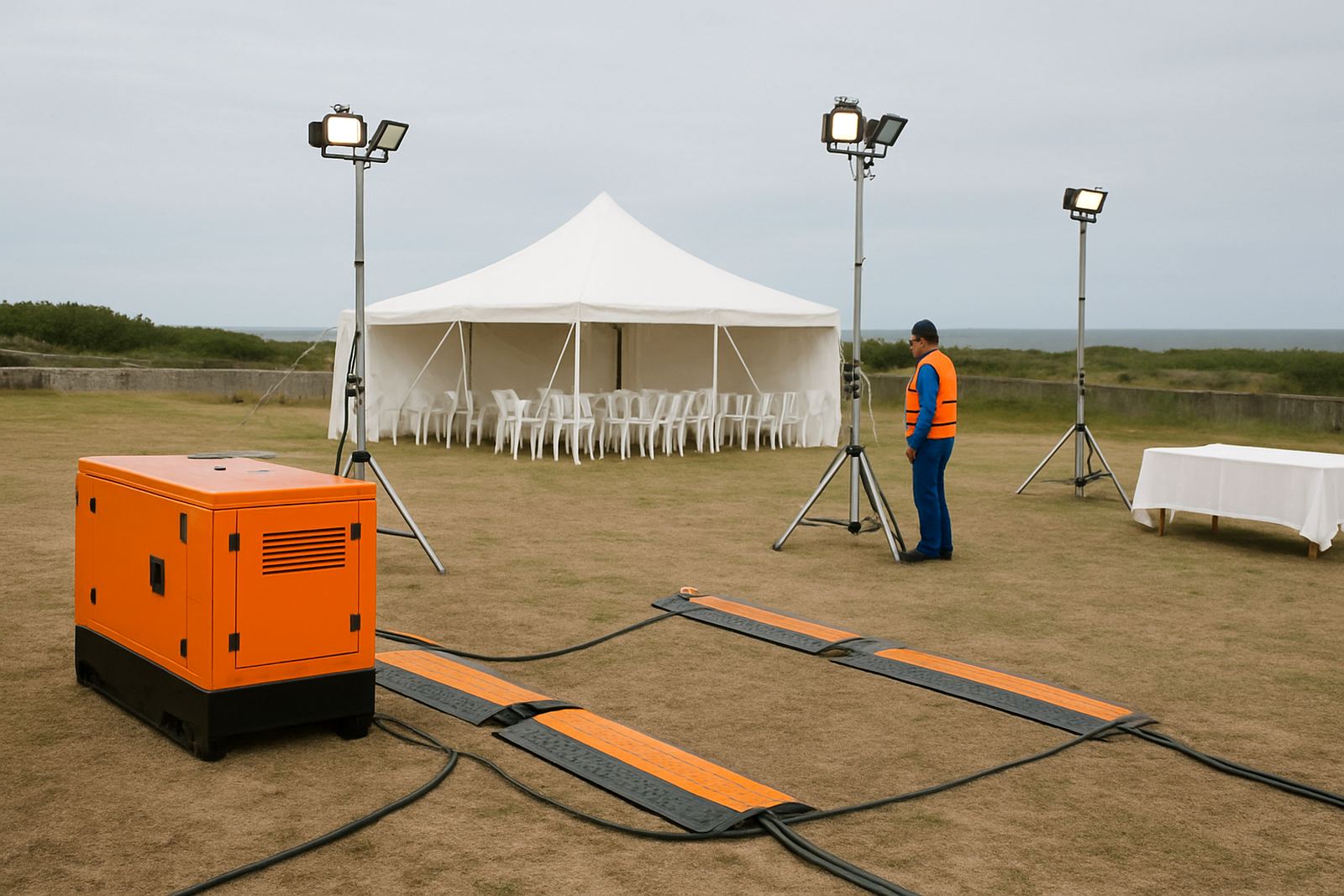
- Generators for mixers, lights, saws and backup power during load-shedding
- Scaffolding for ceiling repairs, fascia boards, gutters and exterior paint work
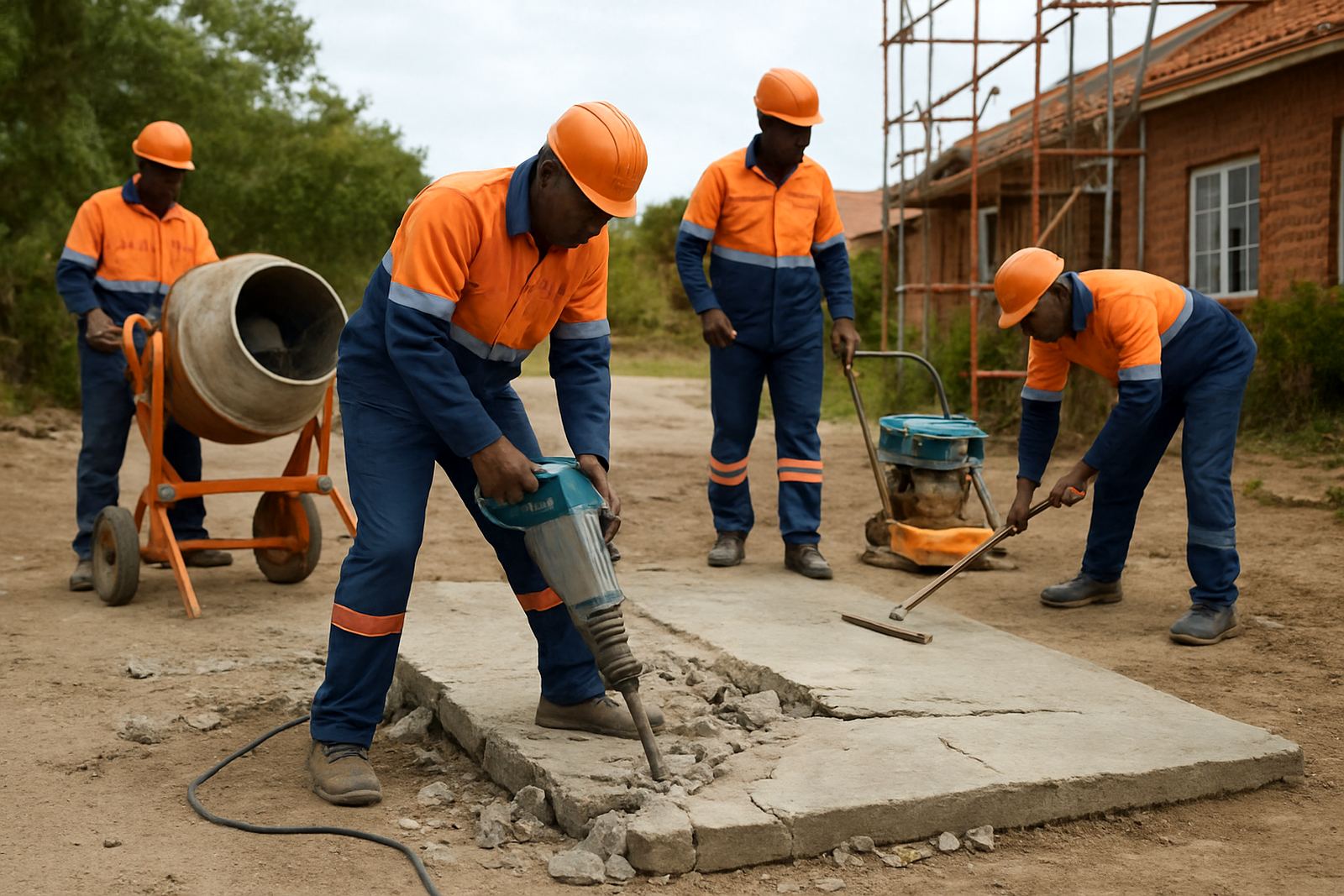
- Compactors for paving, paths, small driveways and garden edging prep
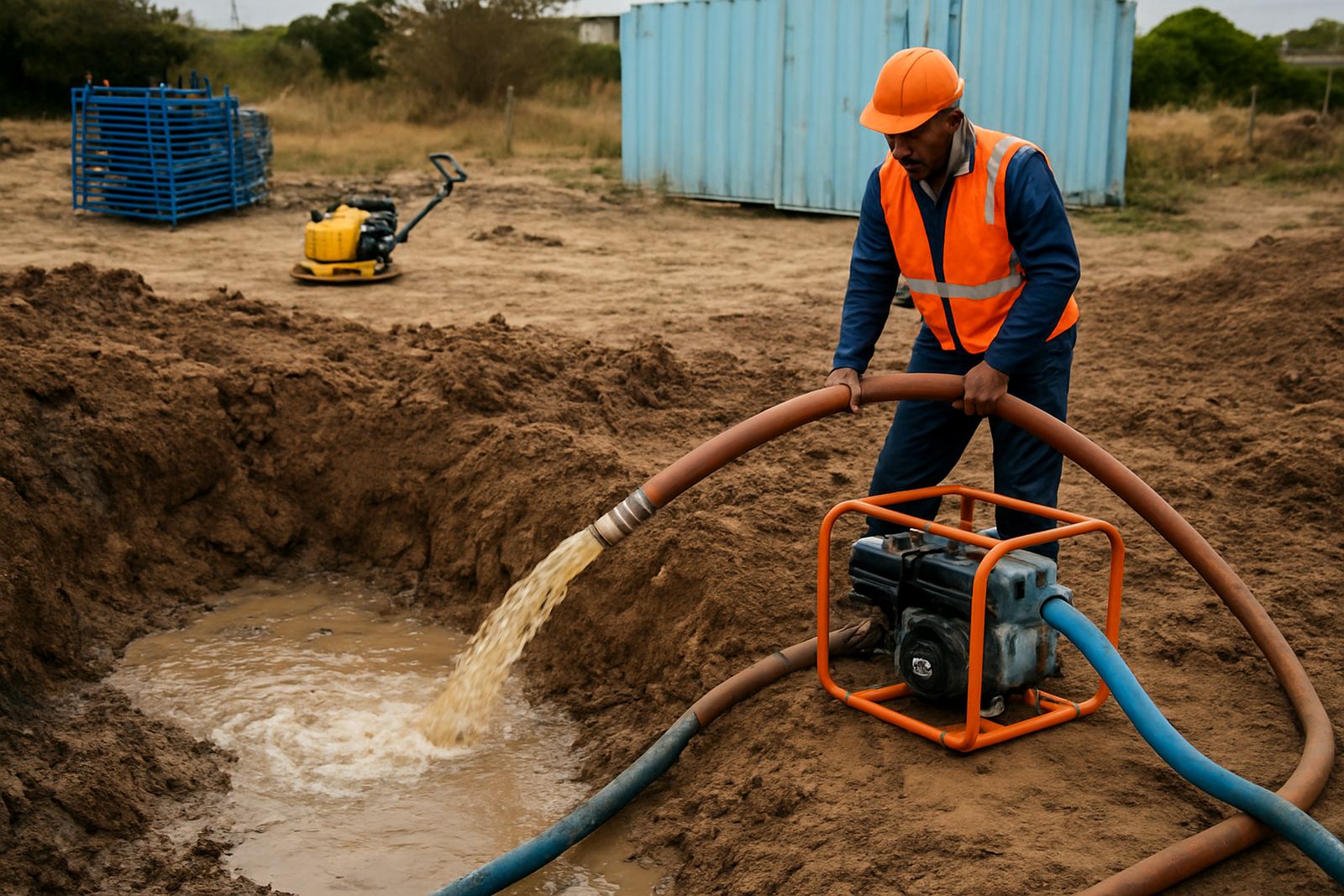
- Pumps for pooling water, flood clean-up and drainage issues
- Access ladders and safe working platforms for interior and exterior touch-ups
- Party equipment for housewarming, family gatherings or a reno completion braai
For homes in Port Alfred and along the coast, we often see jobs where moisture has affected floors, skirtings or outside walls. In those cases it helps to get the damp area cleared and dried first, then bring in the finishing tools. A practical sequence saves time and reduces repeat work.
Planning The Layout Before You Start Pulling Things Apart
Good renovation work starts with layout, not demolition. Before you remove tiles or shift cupboards, mark where power points, water lines, windows and access paths run. If the room is small, decide where materials will sit so the crew still has space to work. This matters even in a single bedroom or scullery because one blocked walkway can slow the whole job.
For scaffold or higher access work, we can help with scaffold planning so the setup suits the height and the surface below. In East London homes with uneven paving, soft soil or narrow side passages, the position of the tower or frame needs a bit of thought. On-site setup is available when you want the hire gear placed correctly first time, then collected once the job is done.
It also helps to plan fuel use if you are taking a generator. If the project will run for a full day or over a weekend, fuel management avoids stop-start delays. Keep the load balanced, use the right extension leads and make sure the power draw does not exceed the set. That small bit of planning can save a lot of frustration later.
Where Homeowners Commonly Go Wrong
The most common mistake is hiring the wrong size equipment. A small generator may run lights and a grinder, but not a full set of power tools plus a kettle and fridge. The same goes for scaffold, where a short tower can be fine for one wall and useless for a second-storey gable. We are happy to ask a few direct questions so you do not end up short.
Another issue is underestimating clean-up and access. Builders often forget about rubble, moving furniture, or how the equipment will get through the gate. If you need collection later in the day, make sure the route is clear and the item is ready to go. We also see people leave hire decisions too late, especially before long weekends, then struggle to source the right kit in time.
- Measure the work area and doorway widths before hiring scaffold or larger equipment
- Check whether your home needs a silent or standard generator for the time of use
- Allow space for materials, ladders and safe walking paths
- Book early for weekend hire, especially around month-end and public holidays
- Tell us about sand, slope, mud or tight access so we can plan delivery properly
Budget Ranges That Help You Plan Properly
Home renovation budgets can move quickly, so it helps to break hire costs into daily or weekend blocks. Smaller jobs usually stay economical if you only take what you need for one or two days. Larger repairs may work out better on long-term hire, especially if the crew is coming back after plaster cures, paint dries or fittings arrive. A good rule is to budget for the equipment first, then add delivery and any fuel or setup support.
As a rough guide, a small domestic generator might start around R450 to R900 per day, while larger sets can run higher depending on capacity and duration. Scaffolding usually depends on height and length of hire, but many homeowners should plan from about R650 upwards for a basic section. Pumps and compactors can also vary, with simple day rates often landing between R350 and R1 200. If the job is bigger, ask for a package price so you can compare the full cost clearly.
If you are renovating on a tight budget, let us know what must happen now and what can wait. Sometimes a two-stage plan is more affordable than trying to do every room in one go. That keeps the house usable and stops the money going into equipment you do not yet need.
Home Renovation Support Across The Coast
From Beacon Bay and Gonubie to Qonce, East London, Kidds Beach and Port Alfred, we work with homeowners, small contractors and family teams doing upgrade work at home. Some clients want a quick collection and return. Others need delivery, on-site setup, pre-hire briefing and emergency callout if weather or power cuts interrupt the schedule. We keep the process practical and direct.
Coastal conditions can be hard on metal, electrics and stored materials, so it helps to hire from a team that understands the area. We can advise on what to cover, how to position equipment away from salt spray and how to keep your work area safe after rain. If you are unsure where to start, call or email us and we will talk through the job before you book. Sometimes a five minute chat saves a whole day of stress.
For home renovation work, the goal is simple: get the tools in, get the job moving and get everything back out without fuss. That is how we like to work, and it suits most home projects just fine.