When a concrete repair job needs more than hand tools
Most concrete repairs start small and then grow once the old section is opened up. A driveway patch, floor slab repair or step rebuild can quickly need proper break-out gear, mixing support and compaction so the new work bonds properly and does not sink later. On the coast, moisture and salt air can also make old concrete fail faster, so it pays to work neatly and keep the repair area dry where possible.
We are set up for builders, maintenance teams and property owners who need the job done without wasting time on the wrong machine. If you are repairing around Beacon Bay, Gonubie, Kidds Beach or Port Alfred, we can assist with delivery, collection and weekend hire when the site window is tight.
- Cracked slabs and spalled edges
- Sunken sections around drains, paths or gates
- Small floor repairs after plumbing or electrical work
- Patch work on yards, aprons and access ramps
A practical hire set for break out, mix and place
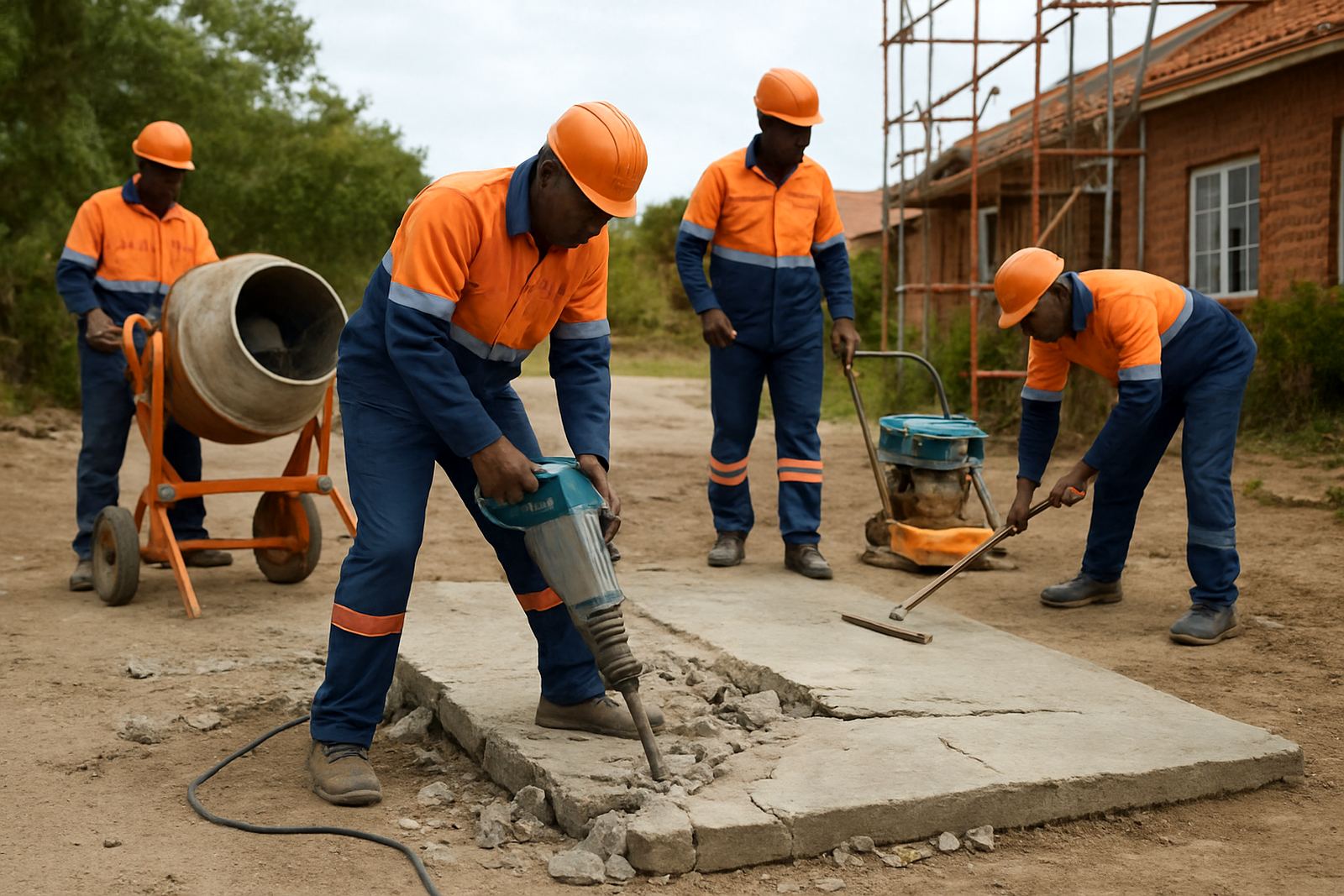
A typical concrete repair package is built around the size of the patch and how fast you need to move. For breaking out, a compact breaker or demolition hammer is usually enough for small slabs and edges. For larger areas, a heavier break-out unit may save hours. Once the damaged section is removed, a mixer keeps the new batch consistent and easier to place by hand.
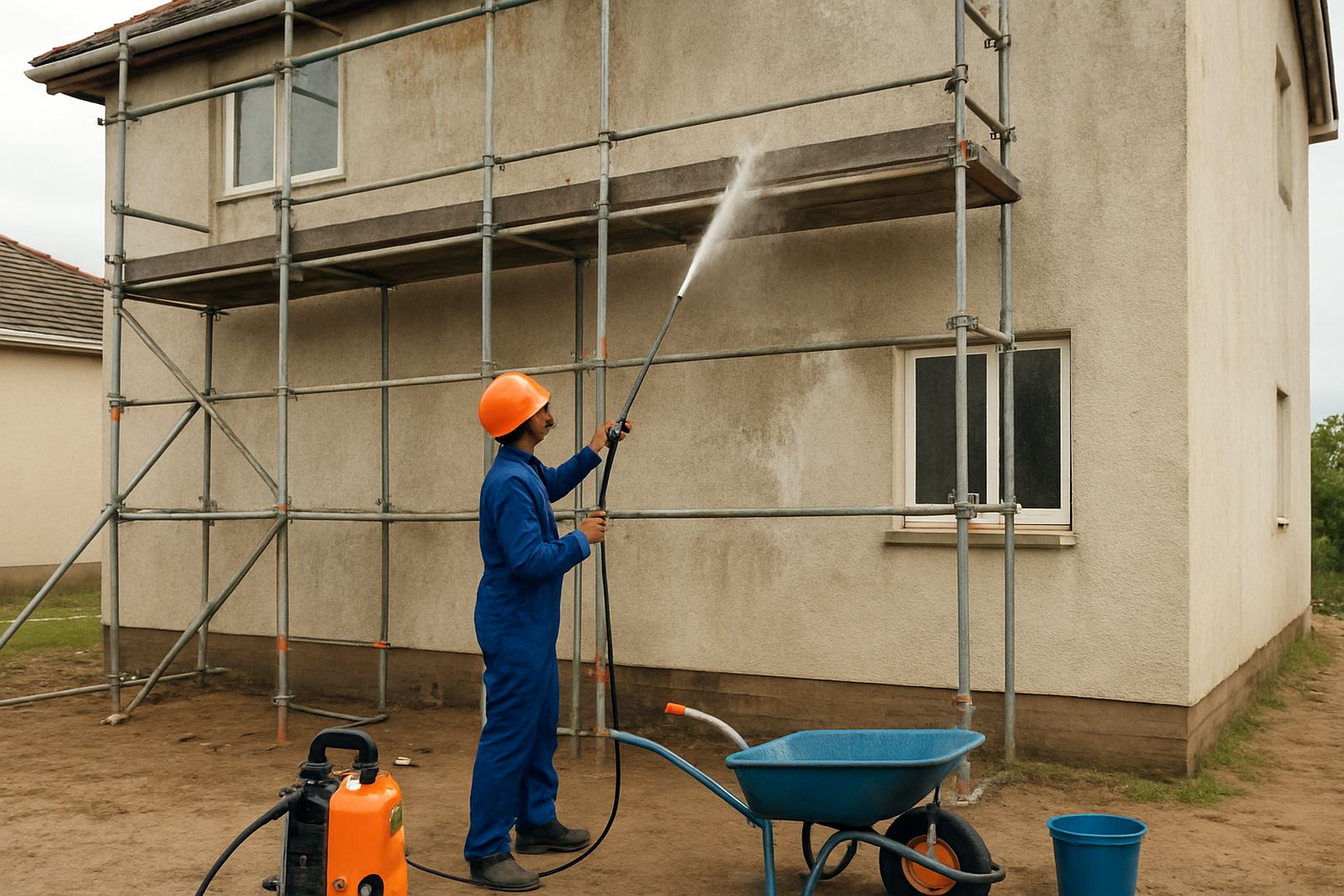
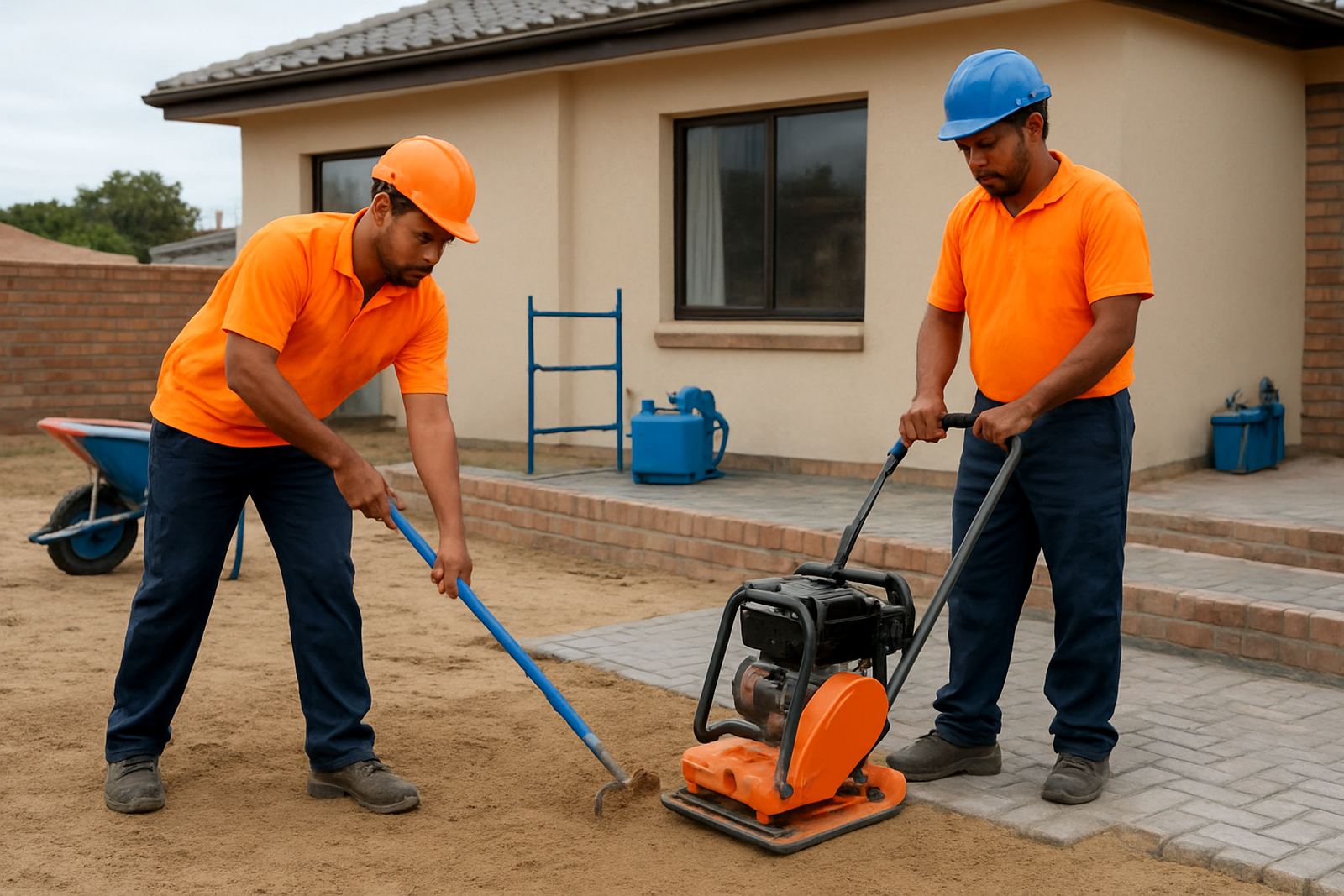
For most repair jobs, you may also need a plate compactor for the base, a poker vibrator for thicker pours and a pump if water is sitting in the trench or hole. Where access is awkward, scaffold or access staging can help the crew work safely along walls, steps or raised edges. If the repair is part of a bigger site, we can also talk through fuel management and long-term hire so the machine is there when the labour team is ready.
- Break-out equipment for removing failed concrete
- Concrete mixer for small to medium pours
- Plate compactor for sub-base preparation
- Pump for dewatering before patching
- Scaffolding or access equipment for edges and vertical work
How to plan the repair area before the first bag is mixed
Good planning starts with measuring the damage properly. Work out the length, width and average depth of the repair, then allow a bit extra for trimming back to sound concrete. A neat repair is only as good as the base underneath, so check whether the ground has settled, whether old fill is loose and whether water runs back into the area after rain. In East London and the coastal strip, that last point matters a lot.
Before hire, it helps to know if the repair is indoors, outdoors or against an existing wall. That changes the mix of equipment and the delivery plan. If the site has limited parking or shared access, tell us early so we can schedule collection and drop-off without blocking neighbours or the public road.
- Measure the full repair area, not only the visible crack
- Check for soft spots under the slab or path
- Confirm access for delivery trucks and unloading
- Plan where wet concrete, spoil and tools will sit
Common mistakes that cost time and money
The most common mistake is trying to place new concrete over a weak base. If the sub-base is not compacted, the repair can break again after the first heavy rain or a delivery vehicle rolling over it. Another problem is mixing too much concrete at once and letting it go off before it is placed. That happens a lot on smaller jobs where only two people are working and the area is awkward.
Skipping water control is another issue. If the hole or trench is wet, the repair can lose strength and finish badly. Use a pump or dewatering plan where needed, and keep the edges clean before placing the new material. It also helps to brief the team on who is breaking out, who is mixing and who is compacting, because small repair jobs often fail through poor coordination, not poor material.
- Do not pour onto loose fill or dust
- Do not mix more than you can place quickly
- Do not ignore standing water or seepage
- Do not forget edge trimming before the pour
Budget ranges for concrete repair hire
Hire costs depend on the size of the repair, the machine type and how long you need it on site. For a small concrete patch, a basic break-out and mixer package may sit in the lower Rand range, while larger repair work with access gear, pumping and longer hire periods will move the total up. Weekend hire is often the best option when the team can only get in after hours or when the site is shut during the week.
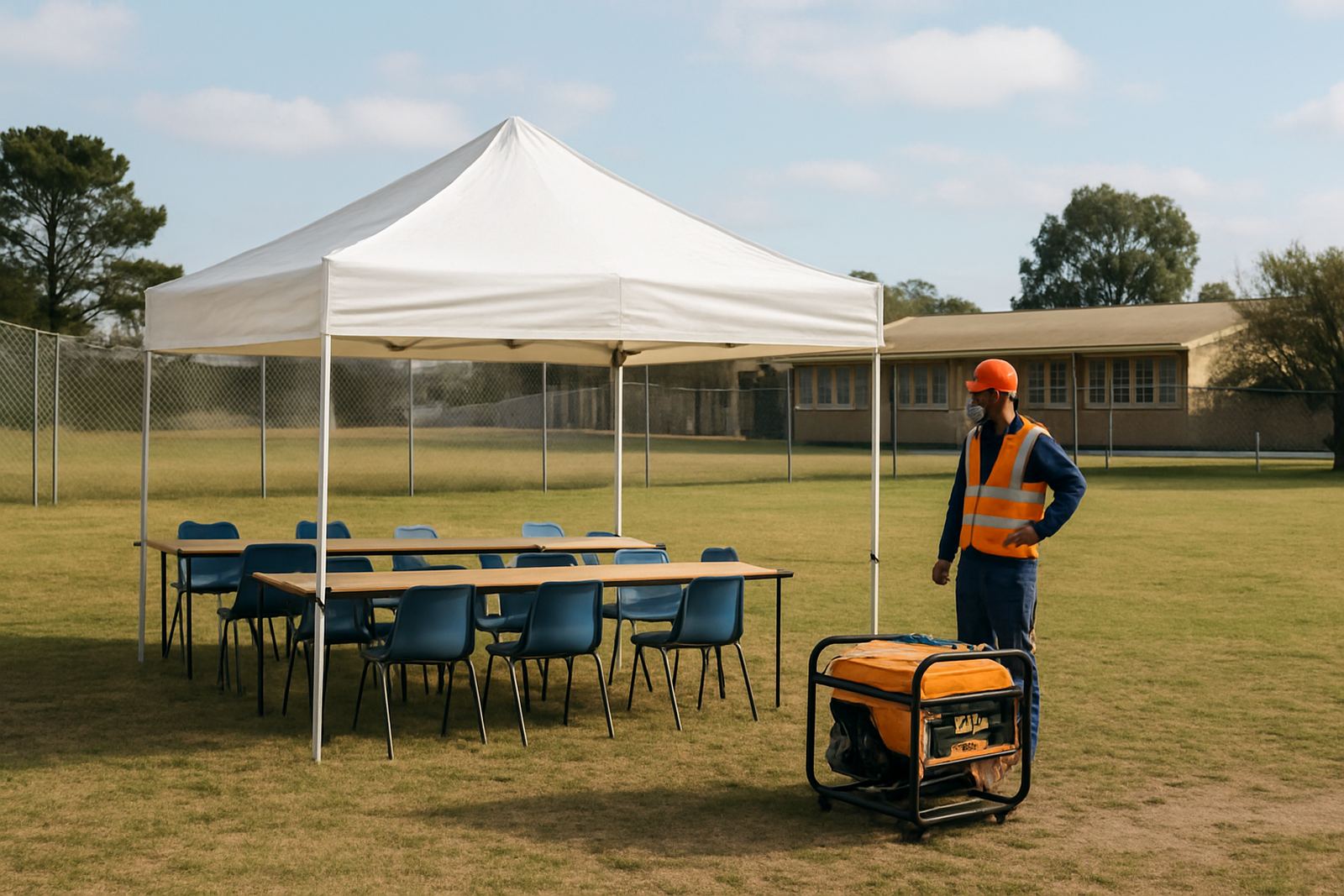
As a working guide, small repair jobs may start from about R850 to R1 800 for a short hire item, while a more complete repair package can run from around R2 500 to R7 500 depending on equipment selection and delivery. Bigger jobs that need scaffold planning, emergency callout or fuel-managed generator support will be priced against the job size and the time on site. We keep it practical so you can match the hire to the repair instead of paying for unused kit.
Local support across East London and the coast
Based in Beacon Bay, we support concrete repairs across East London, Gonubie, Kidds Beach, Qonce and Port Alfred. That local reach helps when a slab fails suddenly or a repair has to happen before tenants move in, before trades return, or before an event structure goes in over the top. Our team can assist with site delivery, equipment collection, on-site setup and pre-hire briefing so the crew knows exactly what to do when the machine arrives.
If you are unsure what to hire, send through the size of the repair and a few site photos. We will help match the kit to the work and flag anything that may slow the job down, like poor access, wet ground or a narrow working area. For concrete repairs, getting the right machine at the right time saves more than money, it saves rework.