When an outage stops work or trading
Backup power is rarely about comfort only. In Beacon Bay, Gonubie, Kidds Beach and around Qonce and Port Alfred, outages can spoil stock, halt a site crew, cut card machines and leave guests in the dark. We help when power cuts affect a house, a restaurant, a shop, a wedding, or a building site that cannot wait for the grid to come back.
The usual call is simple: there is a deadline, a freezer full of food, a pump that must keep moving, or a venue that needs lights and sound. In those cases the first step is not just hiring any generator. It is matching the load to the work, then planning where the set will sit, how fuel gets there, and what must stay switched on if the outage runs longer than expected.
- Homes and small complexes needing lights, fridge and basic sockets
- Shops and takeaways protecting refrigeration and tills
- Venues and events needing lighting, sound and catering support
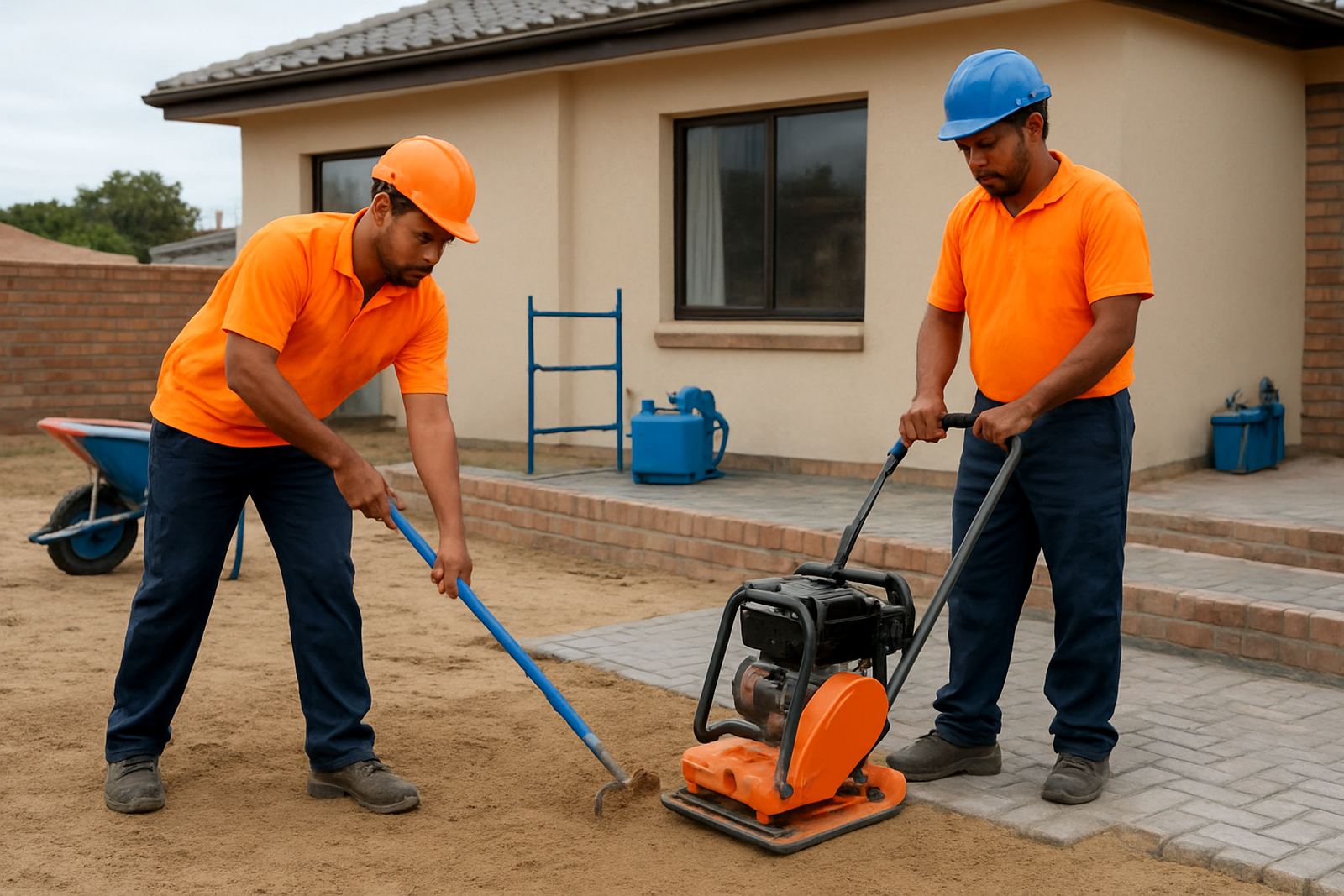
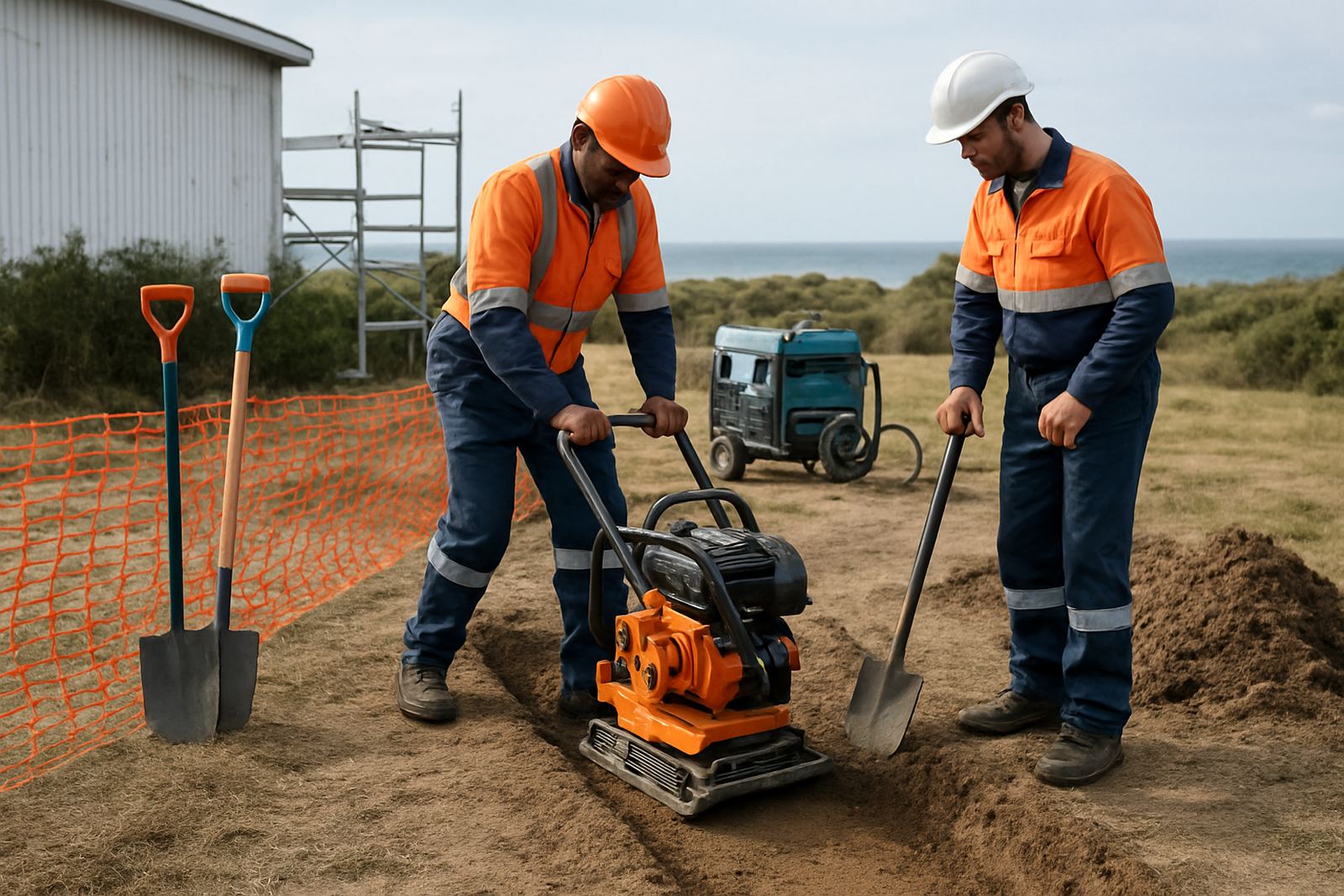
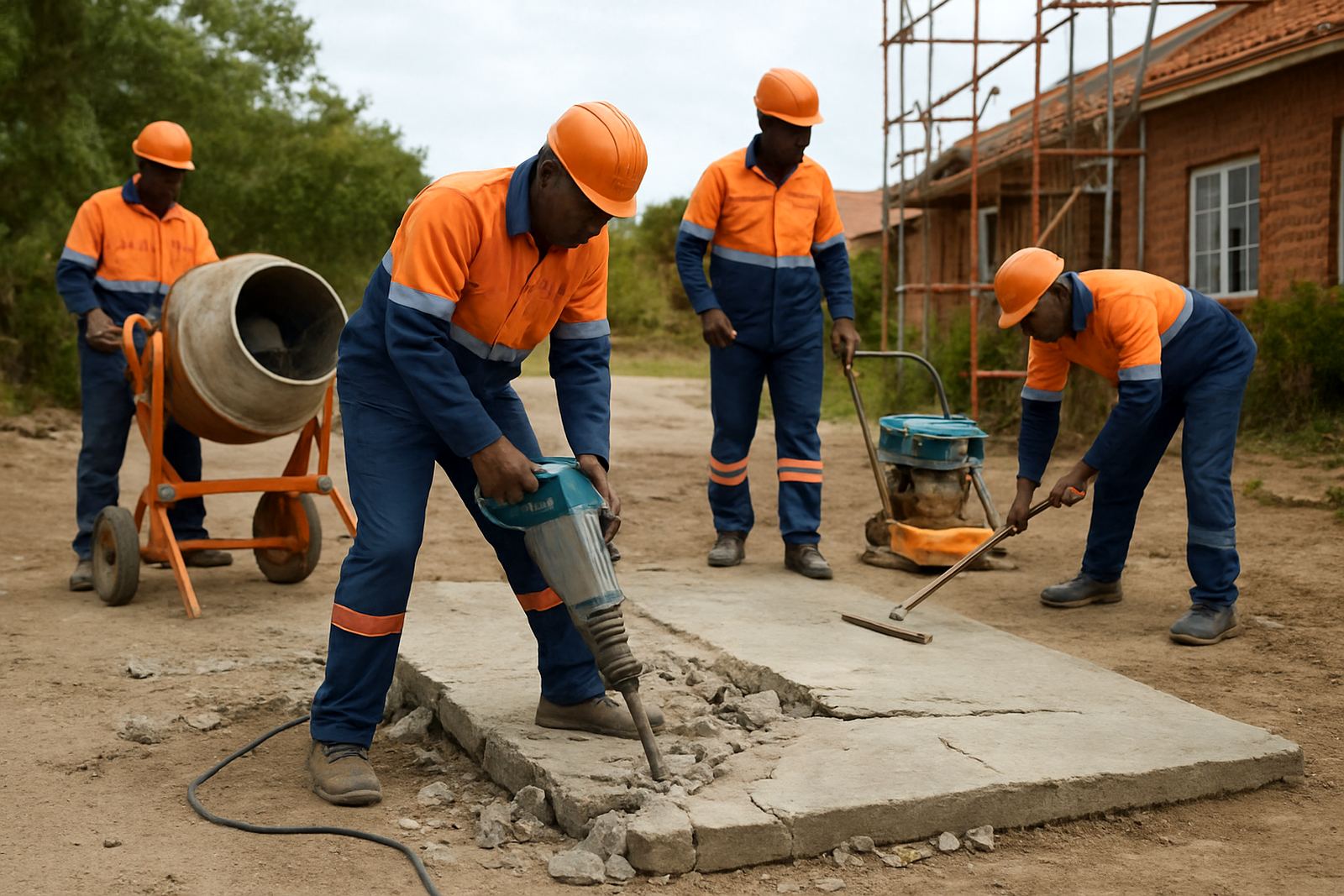
- Active sites keeping tools, mixers and small plant running
Typical backup power equipment we supply
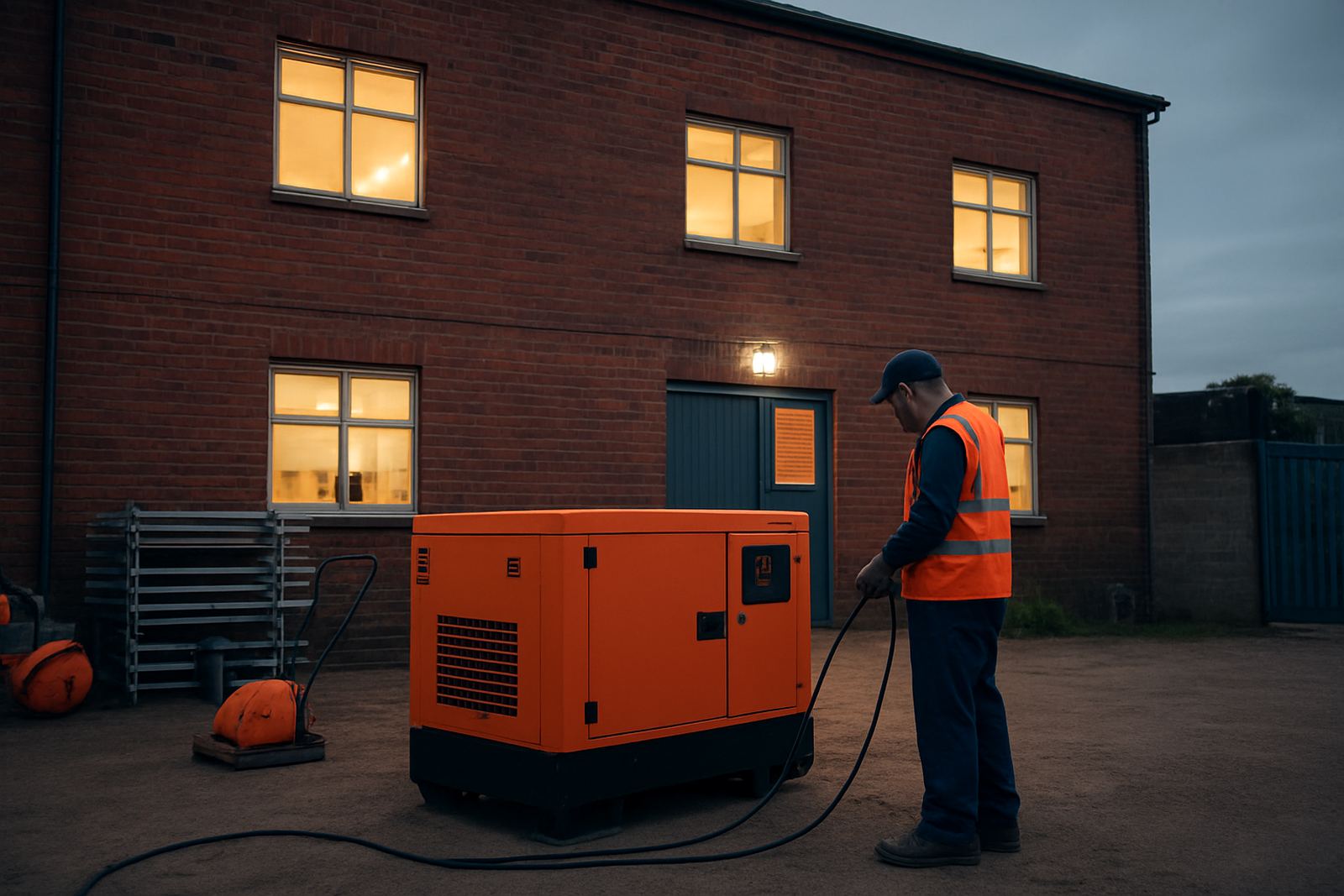
We keep backup power hire practical. For many domestic and small business jobs, a compact petrol or diesel generator is enough for lights, a fridge, a TV, a router and a few plugs. For larger loads, such as a venue kitchen, a workshop, or a site office with equipment, we move up to higher output diesel sets with proper distribution and fuel planning.
For events and trade work in the coastal air, equipment must also be placed with care. Salt moisture, sand and poor airflow shorten run time and can cause problems fast. If the generator sits too close to a wall, under a tarp with no breathing room, or on soft ground, you will feel it in both noise and faults. We advise on positioning before the hire starts, and where needed we can deliver and set the unit on site.
- Portable generators for lighter domestic and trade use
- Diesel units for longer running periods and heavier loads
- Extension leads, distribution boards and basic cabling support
- Fuel management for longer hires and overnight operation
How we plan the right setup for your load
The biggest mistake with backup power is guessing the size. A generator that is too small trips out. One that is far too large burns extra fuel and costs more than it should. We start with what must stay on, then work through the starting load and running load. Motors, pumps and fridges usually need more at start-up than they do while running, and that is where many people get caught out.
If you are unsure, send us a list of the items you want powered and we will help you work it through before delivery. It helps to know whether the property has single-phase or three-phase supply, whether the unit will feed one area or the whole place, and how long you need it for. For load-shedding cover, weekend hire and longer periods, planning ahead keeps the cost down and the operation much cleaner.
- List the must-run items first, not the nice-to-have extras
- Check for motor loads, pumps and refrigeration start-up demand
- Allow space for air flow, refuelling and cable runs
- Tell us about the site surface, access gate and wether the unit must stay outdoors
Backup power for homes, shops and venues
Different clients need different priorities. A home in Gonubie may need a few lights, a garage door, a freezer and internet. A shop in East London might need refrigeration, tills and security equipment. A venue may need stage power, lighting, music and kitchen support. On active sites, the aim is often to keep tools, site lighting and small mixers running until municipal supply returns.
We also see a lot of short-notice calls after evening outages or storm damage. In those cases, emergency callout helps if the job cannot wait until the next working day. If you are in a coastal area where power cuts happen more often, a pre-hire briefing is worth it because it reduces mistakes at switch-on time and makes handover quicker for your staff or family.
- Homes: essentials first, then comfort loads if capacity allows
- Shops: fridges, freezers, point-of-sale and security
- Venues: lighting, sound, catering and guest areas
- Sites: tools, pumps, mixers and temporary site offices
Common mistakes that push up cost
People often ask for a generator after the outage starts and then discover the site has no proper access, no clear load list and no safe place for refuelling. That delay can add cost and turn a simple hire into a bigger job than it needs to be. Another common problem is using long, undersized leads, which can cause voltage drop and nuisance trips.
We also see units placed too close to windows or doors, which creates noise and exhaust issues. On the coast, loose covers, damp ground and poor storage are another problem, especially when hire runs through a wet week. Keep the unit level, dry and well ventilated, and make sure someone knows who is checking fuel. A generator that runs dry in the middle of the night is a cheap mistake to avoid.
- Choosing by kVA guesswork instead of actual load
- Using the wrong cable length or cable size
- Blocking airflow around the unit
- Leaving refuelling to chance during long outage periods
Hire periods, delivery and typical budget ranges
We offer site delivery, equipment collection, on-site setup, fuel management, weekend hire and long-term hire across East London, Beacon Bay, Gonubie, Kidds Beach, Qonce and Port Alfred. For a once-off outage, a short hire can be enough. For business continuity or longer building work, a weekly or monthly arrangement often works out better. The right option depends on the output needed, access on site and how many hours the unit must run each day.
Typical budget ranges vary quite a bit, but as a guide, small backup generators can start in the low hundreds of Rand per day, while larger diesel units, especially with delivery and setup, can move into the higher hundreds or low thousands per day. Longer hire usually improves the rate. Fuel is normally separate, and transport costs depend on distance, access and whether the unit needs collection after hours. If you need a firm quote, we can price it against your actual load and timing so there are no surprises.
- Short outage cover for homes and small shops
- Weekend and event power for venues and functions
- Longer hire for recurring load-shedding or site work
- Delivery and collection arranged to suit your timetable