Clean Cuts For Tiling Work That Needs A Better Finish
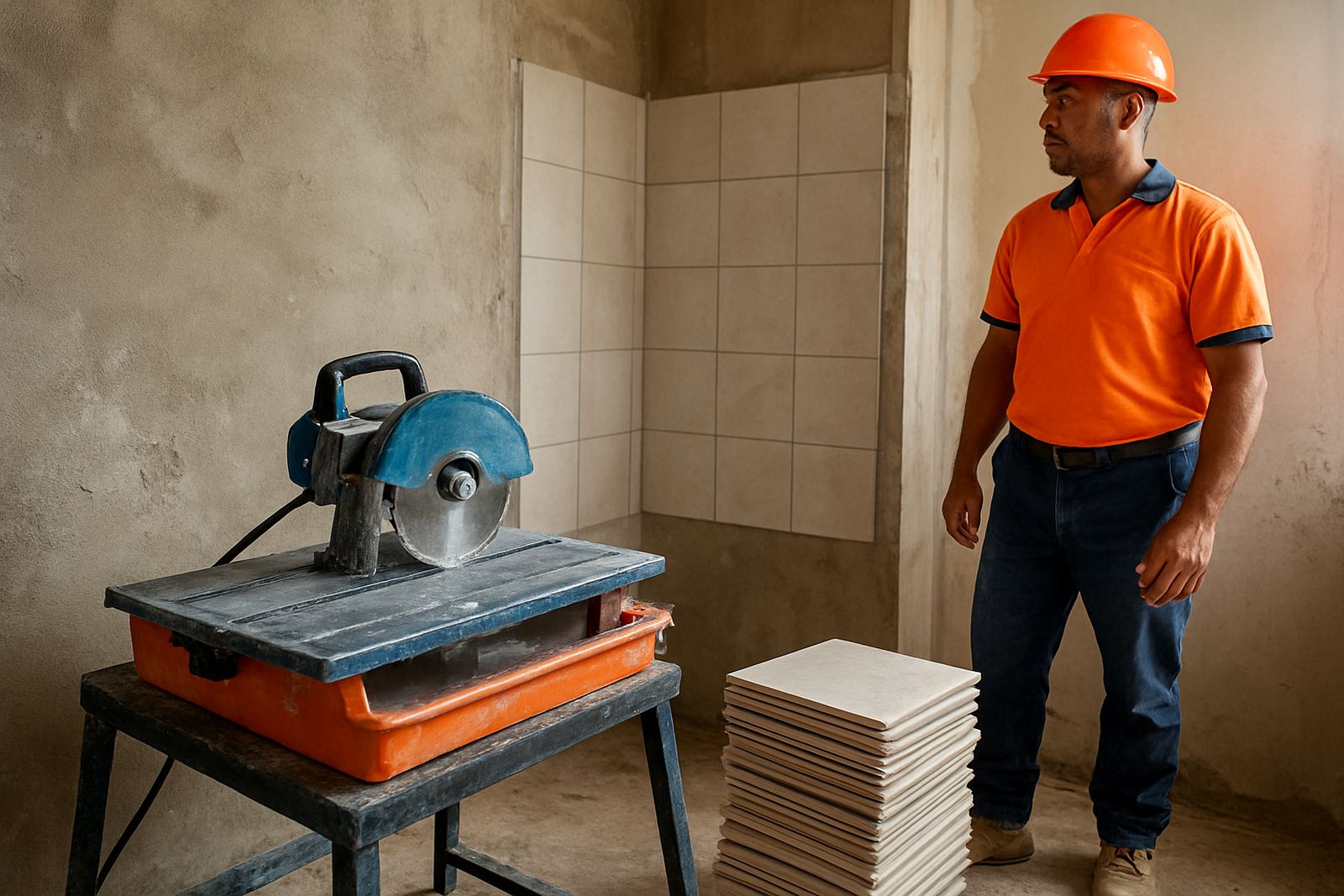
A tile cutter is used to score and split tiles accurately, which helps you get straight edges, cleaner lines and less waste on site. For ceramic tiles it is a quick and tidy option, while for harder porcelain tiles you need the right cutter and blade setup to avoid chipping or cracking. That matters on coastal jobs where bathroom refurbishments, shop fitting and residential upgrades often have tight finishes around doorways, skirtings and shower areas.
We supply tile cutters for contractors, builders and maintenance teams working in East London and the surrounding coastal towns. If you are doing a small block of flats, a homeowner renovation, or a commercial toilet refit, the right cutter can save time and keep the cut edge looking better before grouting. It is also useful when you need repeat cuts at the same size, because consistency is often the difference between a tidy job and a lot of rework.
- Suitable for ceramic tile work and many porcelain applications
- Helps with straight cuts, diagonal cuts and repeat measurements
- Useful where dust control and neat edges matter indoors
- Better for controlled installation work than rough cutting on site
What You Get And How The Cutter Is Set Up
Tile cutters come in manual and powered formats depending on the thickness and hardness of the tile. Manual cutters are common for standard wall and floor tiles, while powered units are better where you need more speed or where the tile body is harder and denser. The right choice depends on the tile type, the volume of cuts and whether you are working in a home, shop or active building site.
Our equipment is supplied for practical use, with a cutting bed or guide rail that helps keep the tile steady. Some jobs only need a compact benchtop unit, while others need a heavier frame for larger tiles. If you are handling large format tiles or making frequent angle cuts, it helps to check the maximum cutting length and the blade depth before you book. We can advise on the better option for the job so you do not end up underpowered or carrying kit that is too big for a small bathroom.
- Manual score and snap cutters for standard tile work
- Powered cutting options for denser material and longer runs
- Cutting beds, guides and measurement stops for repeat work
- Suitable for workshop prep or on-site installation
Where Tile Cutters Suit Coastal And Inland Projects
Tile cutters are a good fit for new bathrooms, kitchen splashbacks, floor upgrades and refurbishment work in homes, rental units and commercial spaces. In coastal areas like Beacon Bay, Gonubie and Kidds Beach, they are often used for moisture-prone rooms where neat tile lines help with sealing and maintenance. In Qonce and inland work, they are just as useful for housing projects, school repairs and small retail fit-outs.
They are also handy where you are working around existing fittings and need measured cuts around pipes, traps, corners and thresholds. A clean cut tile is easier to lay, easier to grout and less likely to cause a trip edge or a poor finish at the last row. For event or temporary structures with tiled presentation areas, the same cutter can help with display plinths, ablution zones and back-of-house work. If the site is busy and load-shedding is a concern, plan your cutting window and power source before the team starts so you avoid stop-start delays.
- Bathroom and kitchen refurbishments
- Flooring repairs and partial replacement jobs
- Retail, school and office maintenance work
- Small commercial fit-outs and staging areas
Power Needs, Blade Choice And Site Conditions
Manual cutters need no power, which makes them useful where supply is limited or where work must carry on during outages. Powered tile cutters need a stable electrical supply and, depending on the unit, a proper extension lead and safe plug point. On site we always recommend checking the available amperage and whether a generator will be used during load-shedding. If you are running other tools at the same time, allow for the extra draw so the breaker does not keep tripping.
Blade and wheel choice matters too. Ceramic is usually easier to cut, while porcelain often needs a sharper, harder blade and a slower, more controlled feed. Wet cutting can reduce dust and cool the blade, which is helpful indoors and when working for longer periods. Keep the work area level, dry and clear of offcuts because a loose tile or uneven stand can throw the cut off line very quickly. On coastal jobs, wipe down metal parts after use and do not leave the cutter exposed to salt air overnight if you can avoid it.
- Check whether the job needs manual or powered cutting
- Confirm power availability, generator use or load-shedding cover
- Match the blade to ceramic, porcelain or mixed tile types
- Use a level, stable surface for accurate results
Care, Servicing And Keeping The Cuts Accurate
Like any hire equipment, a tile cutter works best when it is kept clean and handled properly. Clear tile dust, slurry and offcuts from the bed after use and check that the cutting guide still runs true. If the wheel or blade starts wandering, chips become more likely and you may end up losing material. That can be costly on a small renovation where tile batches are matched for colour and shade.
Our workshop checks cutters before hire and after return, with attention to moving parts, blade condition and frame alignment. If a cutter has been used on a dusty coastal site or around wet work, it needs a proper clean and dry down before storage. Do not force oversized tiles through a cutter that is too small, and do not use damaged tiles for test cuts because a crack can spread fast. A bit of care keeps the tool accurate and saves time on the next job.
- Clean after every shift and dry before storage
- Inspect guide rails, cutting wheels and blade wear
- Keep spare blades or wheels on hand for longer jobs
- Return the unit free of grout, slurry and tile fragments
What To Confirm Before You Place The Order
Before you book a tile cutter, measure the tile size you are using and confirm the thickest piece you need to cut. Large format tiles often need more bed length than a standard wall tile job, and porcelain may need a different cutter entirely. It helps to know whether you are doing straight cuts only or if you also need mitres, small notches or a lot of angle work. If the job is in stages, tell us the expected hire period so we can help with weekend hire, long-term hire or a quick emergency callout if needed.
Also check your site access. Some cutters are easy to deliver to Beacon Bay, Gonubie or central East London, while other jobs in Port Alfred or Kidds Beach may need collection timing arranged around your crew. If you need setup advice, we can brief the team on use, safe handling and where the cutter should sit on the site. The more detail you give at booking, the quicker we can match the tool to the work and avoid any hold ups.
- Tile type, thickness and maximum cut length
- Whether you need manual or powered cutting
- Power supply, generator access or no power on site
- Delivery point, access limits and expected hire duration
Key facts
| Tile type | Ceramic and many porcelain tiles |
|---|---|
| Cut style | Straight cuts, diagonal cuts and repeat sizing |
| Power | Manual or electrical depending on model |
| Typical use | Bathroom, kitchen, floor and refurbishment work |
| Site support | Delivery, collection and pre-hire briefing |
| Service area | East London, Beacon Bay, Gonubie, Kidds Beach, Qonce, Port Alfred |