Angle Grinder Uses on Site and in the Workshop
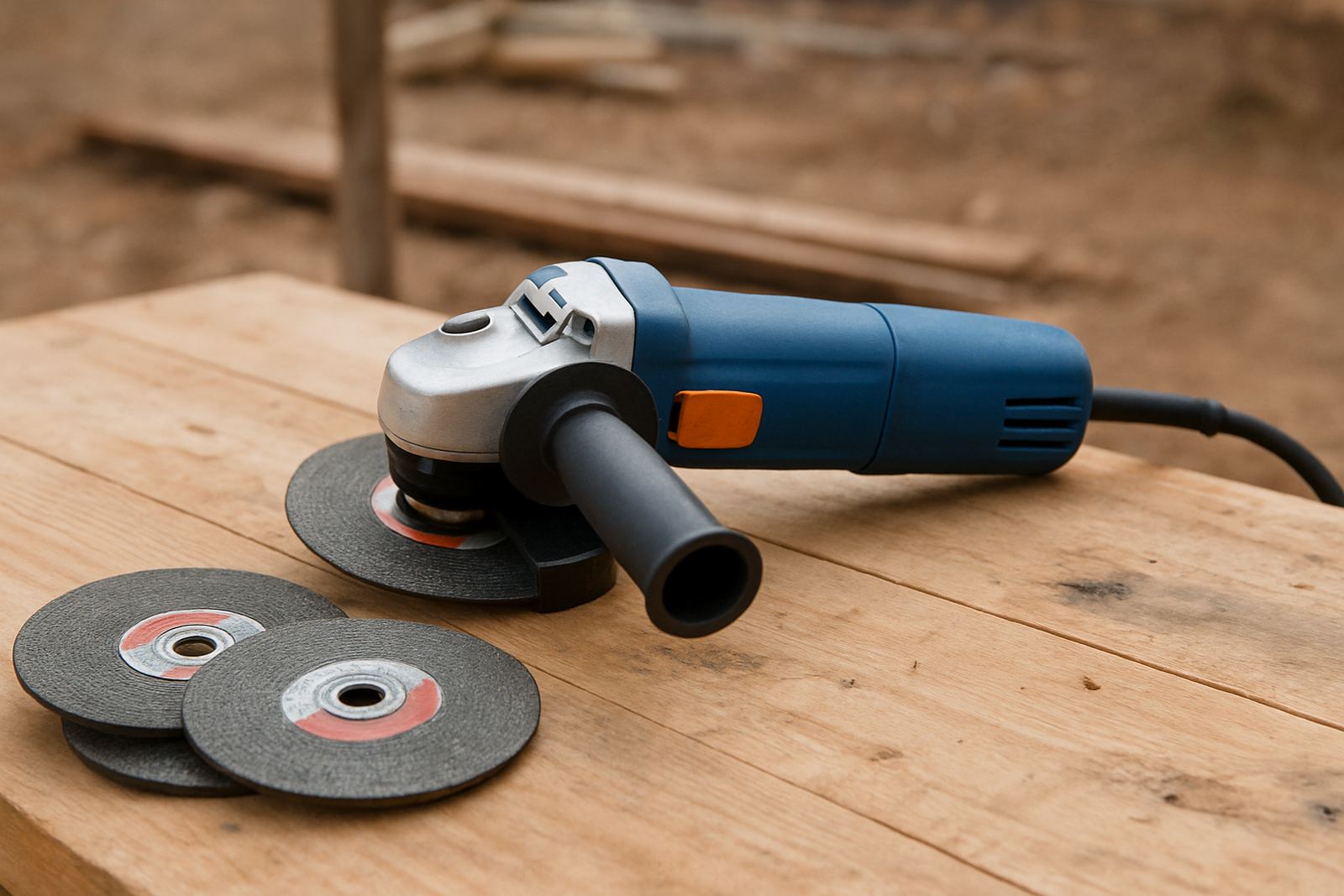
An angle grinder is a hand-held power tool fitted with the right disc for cutting, grinding, sanding or cleaning metal and masonry. On site it is used for trimming rebar, cutting bolts, removing weld splatter, shaping brick or block, and tidying up steelwork before paint or galvanising. It is also useful for small repair jobs where a saw or bigger machine would be too clumsy.
For builders in East London, Beacon Bay, Gonubie and Kidds Beach, this tool is handy for day work and punch-list finishing when time is tight. It suits fabricators, contractors, maintenance teams and event crews who need a clean edge, quick trim or light surface prep before the next stage of the job.
Sizes, Disc Types and Power Options
We supply angle grinders in common sizes to match the task. Smaller units are better for light finishing and tight spaces, while larger units handle heavier cutting and faster stock removal. The correct disc matters as much as the machine, so it is important to match the wheel to the material and the speed rating. Using the wrong disc can damage the tool and creates avoidable risk.
- 100 mm to 115 mm for light cutting, trimming and detail work
- 125 mm for general purpose site use and most metal cutting
- 230 mm for heavier section steel, slab cuts and larger masonry work
- Grinding discs for weld cleanup and shaping
- Cut-off discs for fast slicing through steel and bar
- Wire cups and flap discs for rust removal and surface preparation
Most units run on 220V mains power, which is suitable for workshops, homes and sites with generator backup during load-shedding. Where power supply is unstable, check the generator output before hire so the grinder starts properly and does not trip on load. For outdoor work in Qonce or Port Alfred, we can help you pair the tool with a suitable power source.
Where an Angle Grinder Suits Best
This tool is best when the job needs speed and control rather than deep, straight ripping. It is common on building sites for cutting mesh, brackets, anchors and light steel. It is also used for masonry trimming around openings, pipe penetrations and repairs where a neat finish is needed before plaster or paint.
In coastal towns the grinder also earns its keep on maintenance work. Salt air can roughen steel fittings, railings and brackets faster than inland conditions, so a grinder with the right disc is useful for cleaning corrosion before recoating. For event teams it helps with last-minute stage adjustments, frame trimming and fixing loose fittings, especially when there is no time to wait for workshop work.
- Metal fabrication and welding prep
- Masonry trimming and touch-up cuts
- Rust removal and paint preparation
- Pipe, bar and bolt cutting
- General site finishing and snag work
Power Supply, Set-Up and Safe Use
An angle grinder does not need gas, but it does need the correct power supply and a steady hand. Most units are plug-in electric, and the cord or generator feed must be in good condition. On jobs with limited power, make sure the generator is sized for start-up draw and is positioned where dust and spray will not reach it. If the site is wet or exposed, use suitable protection and keep the machine away from standing water.
We can include a pre-hire briefing so your team understands the disc fitment, guard position and basic operating checks. For scaffold-adjacent work or elevated maintenance, plan the grinder use before the crew goes up, because changing discs and checking clearances at height slows the job down. A firm grip, the correct face shield and hearing protection are part of normal site practice, no short cuts.
- Check voltage and plug type before collection
- Inspect the guard, handle and spindle lock
- Confirm disc size and material type
- Keep spare discs on hand for the shift
- Allow for dust control and clear working space
Care, Servicing and Coastal Conditions
Grinders work hard, so routine care matters. Dust and metal filings should be cleared after use, and the vent openings should be kept clean so the motor can breathe. In East London and along the coast, humidity and salt can affect tools left in open trailers or damp stores, so dry storage is better than leaving the machine on the back of a bakkie overnight. It is a simple step but it saves downtime.
At Coastline Hire, tools are checked between hires for cable condition, guard fit, switch operation and general wear. If a unit starts running rough or the disc seems out of balance, stop using it and let us know. A small fault can become a bigger one fast, especially where a grinder is being used hard on steel or brick for most of the day.
What to Check When Ordering
To match the right grinder to the job, it helps to know the material, cut depth and where the machine will be used. A light finishing job in Beacon Bay will need a different setup from a masonry repair in Qonce or a steel fabrication task in Port Alfred. If you are not sure, tell us what the crew is cutting and we will help with the disc type and size.
- Material being cut or ground
- Required disc diameter
- Power source on site
- Number of operators and hire period
- Need for delivery, collection or weekend hire
- Whether spare discs or a briefing are needed
We also assist with emergency callouts, long-term hire and site delivery across East London, Beacon Bay, Gonubie, Kidds Beach, Qonce and Port Alfred. If the grinder is part of a bigger job, we can coordinate with pumps, compactors, scaffolding or event equipment so the full order arrives together and the crew can get moving without delays.
Key facts
| Tool type | Hand-held angle grinder |
|---|---|
| Common disc sizes | 100 mm, 115 mm, 125 mm, 230 mm |
| Power | 220V electric, generator compatible |
| Typical use | Cutting, grinding, trimming and surface prep |
| Best suited materials | Steel, rebar, bolts, masonry and rusted surfaces |
| Hire support | Delivery, collection, setup and pre-hire briefing |