High pressure pump hire for longer runs and higher lift
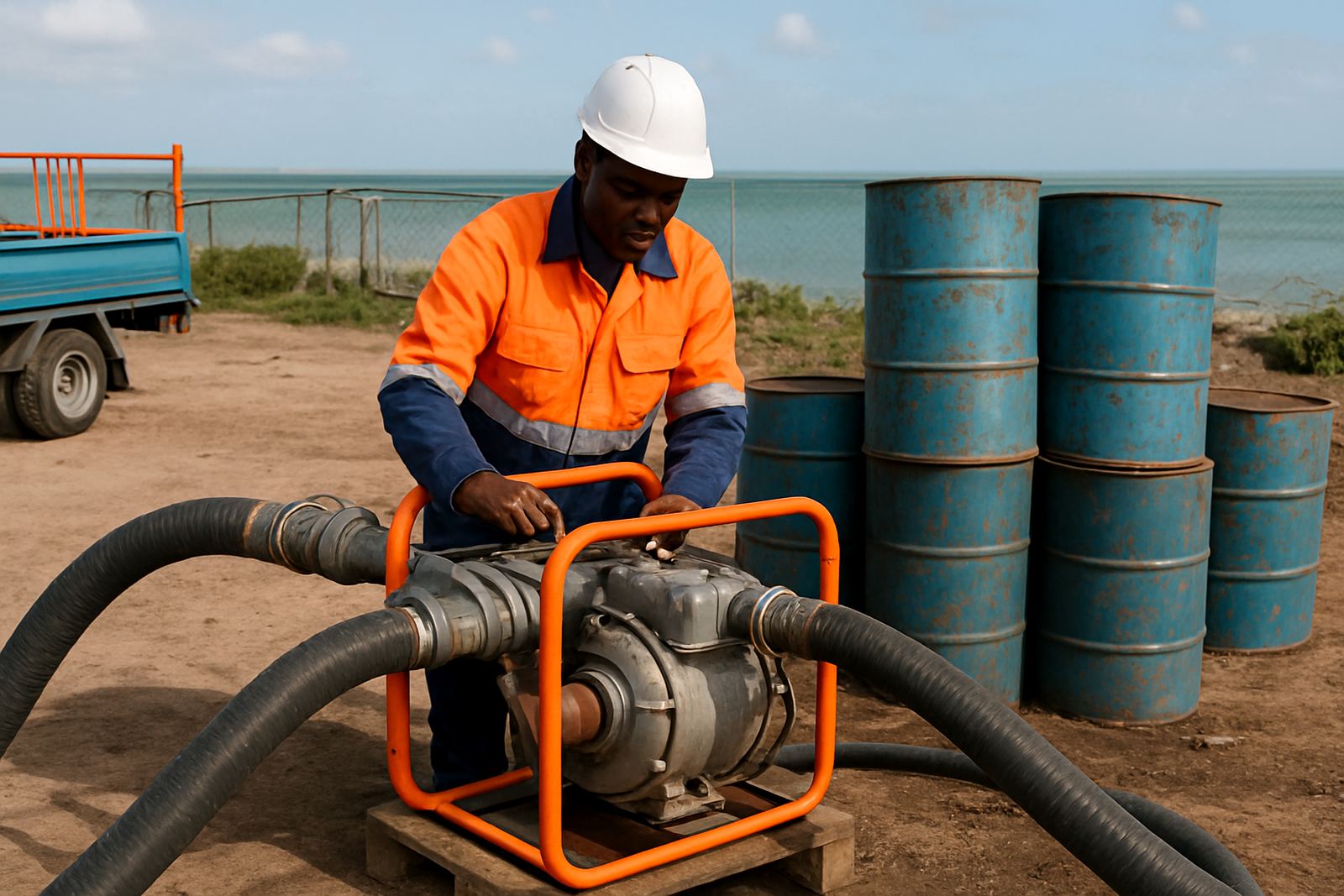
A high pressure pump is used when a standard transfer pump will move water, but not with enough pressure to keep the flow going over distance or up a height. These pumps are suited to jobs where the hose run is long, the discharge point sits higher than the water source, or the line has several bends and fittings. For builders, plumbers and site teams, that extra pressure can save time and cut down on repeated priming.
We hire pumps for work in East London, Beacon Bay, Gonubie, Kidds Beach, Qonce and Port Alfred, with support for coastal conditions where damp air, salt and fine sand can affect equipment. If you need short-term hire for a single drain-down or longer-term cover on a site, we can help match the unit to the job size and power available.
Typical pump sizes and what each one does
We keep a practical range so you can choose the right output instead of paying for more machine than you need. The exact unit depends on the water volume, hose length and the height difference between inlet and outlet. As a guide, our high pressure pumps are commonly used for the following jobs:
- Small site drainage and tank emptying where a compact petrol unit is easier to move
- Long hose transfer from a sump, rainwater pit or storage tank to a higher discharge point
- Construction dewatering where water needs to travel across the site before leaving the area
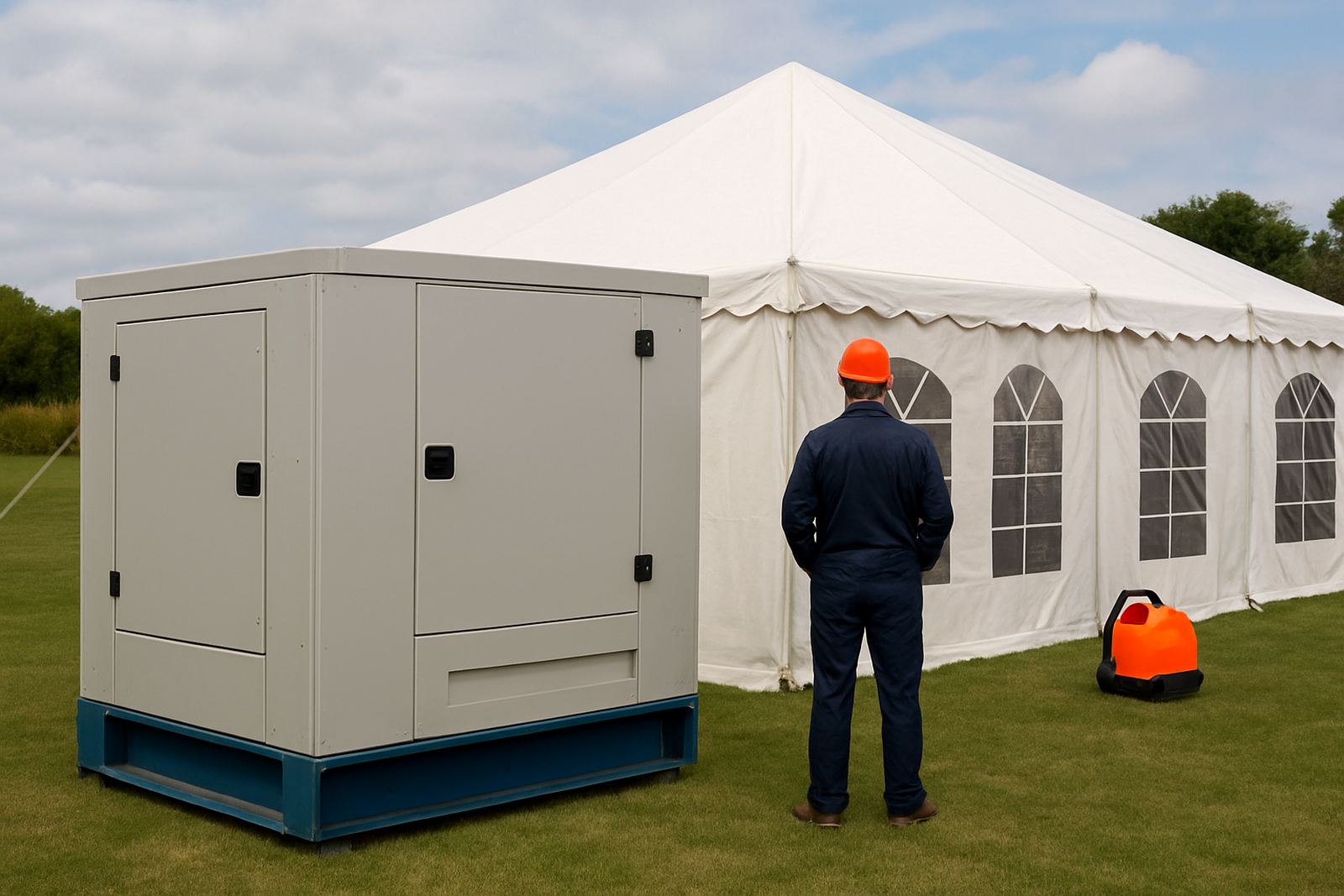
- Event and venue support for temporary water movement and cleanup around service areas
Most hire jobs in this category use 50 mm to 75 mm hose sizes, though the correct set-up depends on the discharge distance and fittings. If you are not sure whether you need a standard transfer pump or a higher pressure model, our team will ask a few simple questions and point you in the right direction.
Where the pump works best on local sites
These pumps suit sites where water has to travel further than expected, especially on sloping ground, around foundations, or through temporary layouts with uneven access. In the Eastern Cape, they are often used after heavy rain, for basement or trench water, for emptying holding tanks, and for moving water from one section of a property to another. They are also useful on coastal jobs where standing water can damage materials if it is left too long.
For builders, a high pressure pump is handy when the discharge point is a roadside drain, a skip zone or a remote soakaway. For events, it can help with clean-up after wet weather or when water must be moved away from staging, catering areas or access paths. If your site has load shedding, no problem, we can supply a petrol driven unit so the work can carry on without mains power.
Power, fuel and installation basics
Our high pressure pumps are generally supplied as petrol driven units for portability and for use where electricity is not reliable. That makes them suitable for loadshedding periods, temporary sites and areas where power points are not close to the work area. Where a site has stable power, we can also discuss an electric option if the duty cycle and lift requirements suit it.
Set-up is straightforward, but the details matter. The pump must be placed on firm, level ground, with suction hose connections tightened properly and the suction line kept as straight as possible. A blocked strainer, air leak or poor priming will reduce performance quickly. We include a pre-hire briefing so your team knows what to expect before the pump leaves the yard.
- Check the inlet hose length and keep it short where possible
- Use the correct clamps, couplers and foot valve or strainer
- Keep suction lines free of kinks, mud and stones
- Allow enough fuel for the planned run time, plus extra for unexpected delays
Care, servicing and coastal wear
Pumps used near the coast need regular attention. Salt air, damp storage and fine grit can shorten hose life and affect seals if equipment is left dirty after use. Before every hire, our workshop team checks the engine, impeller area, seals, hoses and fittings. After return, units are cleaned, tested and serviced so they go back out ready for the next job.
We ask customers to rinse mud off the outside, drain water from the system before transport and report any unusual noise or reduced pressure straight away. If a pump has been run dry or pulled dirty water with stones, let us know. That kind of issue can cause damage fast, so early reporting helps us keep your hire cost under control and reduces delays on site.
What to check before you order
The most important part of hiring a high pressure pump is matching the unit to the actual job. If you send us the details below, we can confirm the closest fit and avoid over or under sizing:
- Water type: clean, muddy, sandy, grey water or light slurry
- Distance: how far the water must travel in metres
- Height: the lift in metres from source to discharge
- Hose size: what is already on site, if any
- Power: petrol preferred, or electric available on site
- Timing: same day, weekend hire or longer term project use
Our hire team also helps with site delivery, equipment collection, emergency callout and pre-hire briefing across East London and nearby areas. If the pump needs to run through a weekend or over several shifts, we can arrange the right hire period and fuel support so your crew is not left waiting.
For a quick quote, email hire@coastlinehire.co.za with the site location, hose run and the height you need to overcome. A few details upfront makes the selection quicker, and it usually saves a second trip. If you are not certain on the numbers, we can work it out with you on the phone.
Key facts
| Pump type | High pressure transfer pump |
|---|---|
| Drive option | Petrol driven, suitable for load shedding and remote sites |
| Typical hose sizes | 50 mm to 75 mm depending on the job |
| Best use | Long hose runs, higher lift, dewatering and tank transfer |
| Hire support | Delivery, collection, setup and fuel management |
| Service area | East London, Beacon Bay, Gonubie, Kidds Beach, Qonce and Port Alfred |