What a Brush Cutter Does on Coastal Properties
A brush cutter is a handheld cutting machine built for heavy growth, not fine lawn work. It handles long grass, weeds, reeds and light brush on boundary lines, vacant stands, pathway edges and overgrown sections where a push mower simply bogs down. For coastal sites in East London, Gonubie, Kidds Beach and Port Alfred, it is especially useful where damp ground, salt air and fast regrowth make ordinary trimming a constant job.
We supply brush cutters for builders clearing access around a site, property owners tidying an overgrown plot, and event teams needing quick clearing around temporary structures. The machine cuts with a nylon line head or a blade attachment depending on the density of the growth. If you need neat edging along kerbs or stronger cutting through tough patches, we can advise which set-up suits the job best.
- Good for verges, footpaths, fence lines and rough stands
- Useful on damp coastal grass where regrowth is fast
- Works for maintenance, cleanup and pre-build site clearing
Brush cutters are usually selected by engine size, shaft type and cutting head. We keep practical hire options that suit small property jobs through to longer days of site maintenance. Most units are petrol driven, which means they do not depend on mains power and can be used where load shedding or a remote site would otherwise slow things down.
For lighter trimming, a line head is often enough. For thicker stems and stubborn patches, a blade gives more bite. Some jobs call for a straight shaft for reach under shrubs and around obstacles, while others are easier with a loop handle for close control. If you are working near homes, drains or paving, good control matters just as much as cutting strength.
- Petrol powered, suitable for remote and off-grid work
- Cutting choice: nylon line or metal blade depending on growth
- Shaft options for reach, control and edge work
- Can be used for short tasks or longer hire periods
We can also assist with fuel management for longer hire periods, especially on sites where the machine is used across a full day or over a weekend.
Brush cutters suit places where grass is too thick, too wet or too uneven for standard mowing. They are commonly used on overgrown plots in Beacon Bay, along municipal edges, around drainage lines, and on coastal properties where wind, spray and fast-growing weeds create extra maintenance. They are also handy on building sites after bulk earthworks, when access needs to be opened before other equipment can move in.
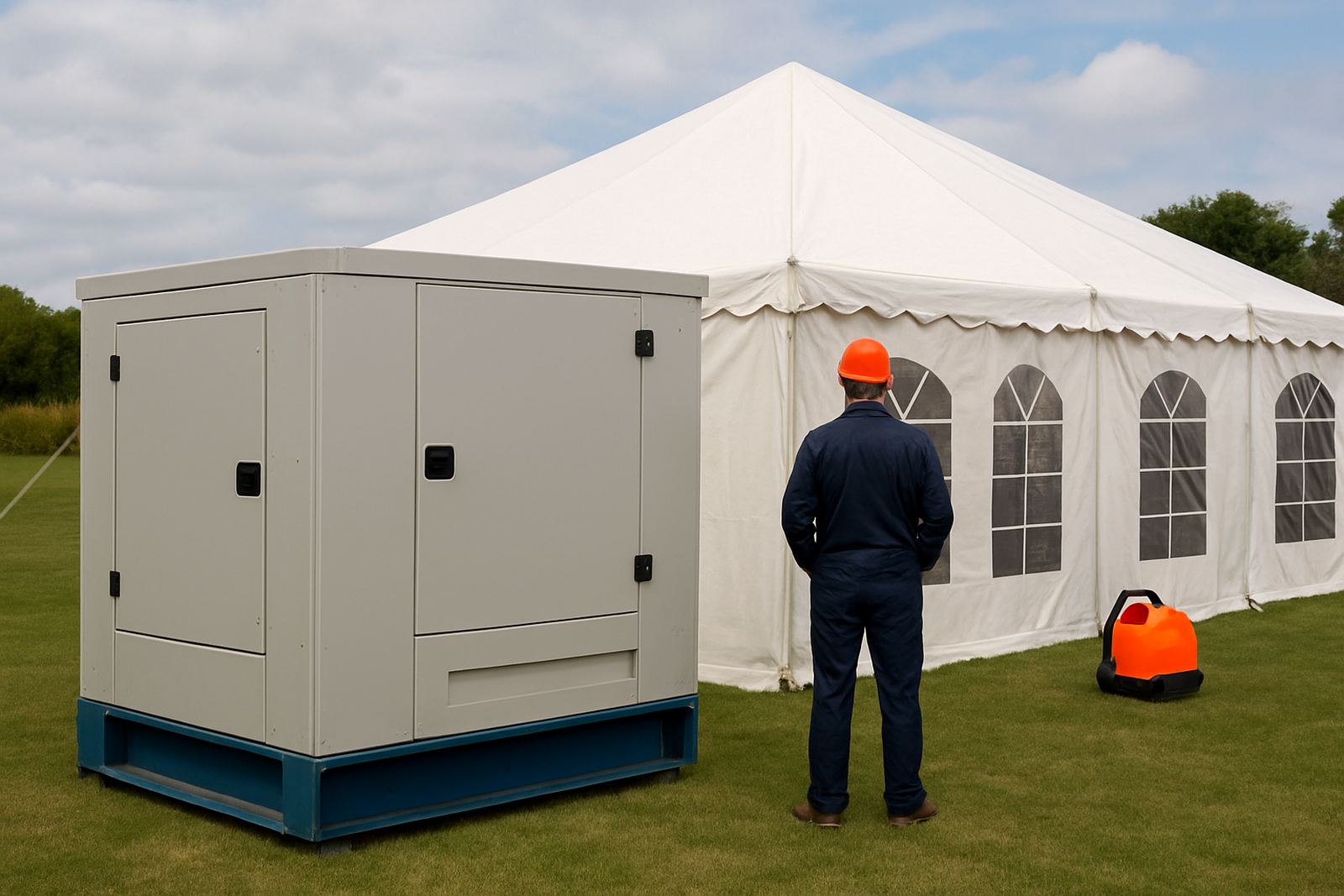
For event venues and temporary setups, a brush cutter is useful for making edge lines, clearing parking margins, and tidying rough ground before marquees, fencing or access routes go in. The key is not to wait until growth becomes a full cleanup. If the area has turned into dense veld grass or mixed brush, the job becomes slower and may need more than one pass.
- Vacant plots and overgrown stands
- Boundary lines, drainage edges and fence rows
- Site access before construction or fencing work
- Event grounds, parking margins and temporary pathways
Brush cutters are simple to use, but they need the right conditions and a proper briefing. Before starting, the area should be checked for stones, wire, offcuts, broken glass and anything else that could be thrown by the cutting head. On coastal properties and vacant land, hidden rubble is common, so a slow walk-through saves damage and trouble later. Eye protection, sturdy boots and leg coverage are standard, and hearing protection is a good idea on longer sessions.
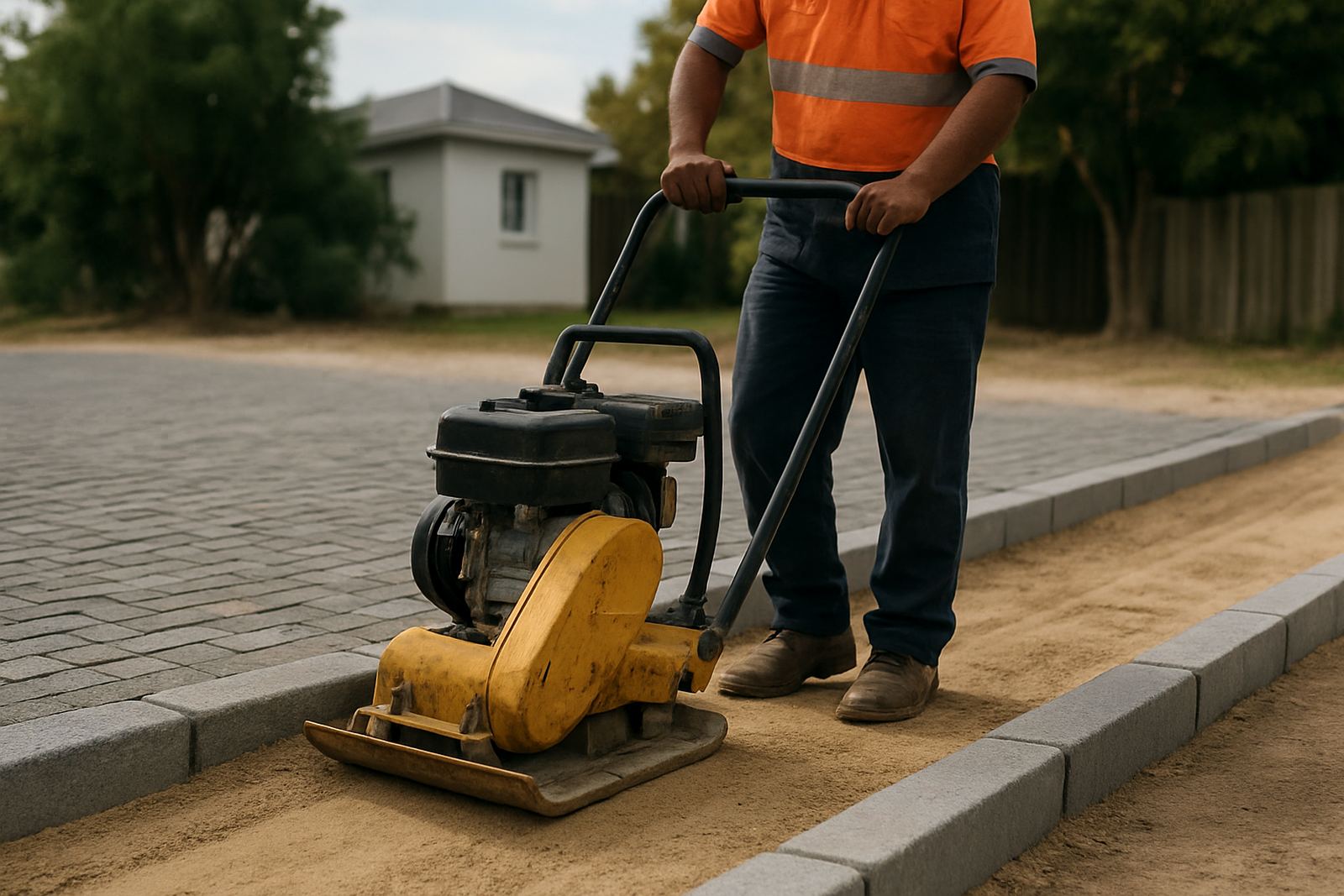
If the work is close to paving, walls or pipes, it helps to trim in stages rather than push hard from the start. That gives better control and leaves a cleaner line. For steep ground or wet areas, we may suggest a lighter machine or a different cutting head so the operator can keep a steady grip.
- Clear loose stone, wire and hard debris before use
- Wear eye, ear and leg protection
- Work in stages on rough or sloping ground
- Keep people well clear of the cutting area
Tools used near the coast need regular care because salt, damp air and fine grit can shorten service life if machines are left dirty. After each hire, the cutting head should be cleaned, the shaft checked and the fuel system kept to the right mix where applicable. A clogged air filter or blunt blade makes the machine work harder than it should, which affects cut quality and can lead to extra wear.
Our workshop team checks units between hires, including throttle response, line feed, blade condition and general running order. For longer-term hire, we recommend planned servicing intervals especially if the tool is being used daily on thick growth. A small note on the job sheet about unusual vibration, overheating or poor cutting helps us pick up a problem before it becomes a bigger one.
- Clean after use, especially in salty or sandy conditions
- Check line feed, blade sharpness and fasteners
- Report vibration, fuel issues or poor cutting early
- Plan servicing for long-term or daily use
When ordering a brush cutter, it helps to tell us what kind of growth you are dealing with and how big the area is. A 50 metre verge with light grass is a very different job from a plot with knee-high reeds and woody stems. If you give us the site location, access details and whether the work is on flat ground or uneven ground, we can make the hire smoother from the start.
We also check whether you need collection from Beacon Bay or site delivery to East London, Gonubie, Kidds Beach, Qonce or Port Alfred. For builders and maintenance teams, we can help with pre-hire briefing, weekend hire and longer-term hire so the machine is ready when the crew arrives. If the job is urgent, let us know early and we will see what can be arranged.
- Growth type: grass, reeds, weeds or light bush
- Area size and access to the site
- Need for blade or line head
- Delivery, collection or emergency callout requirements