Quiet power for sites, events and sensitive spaces
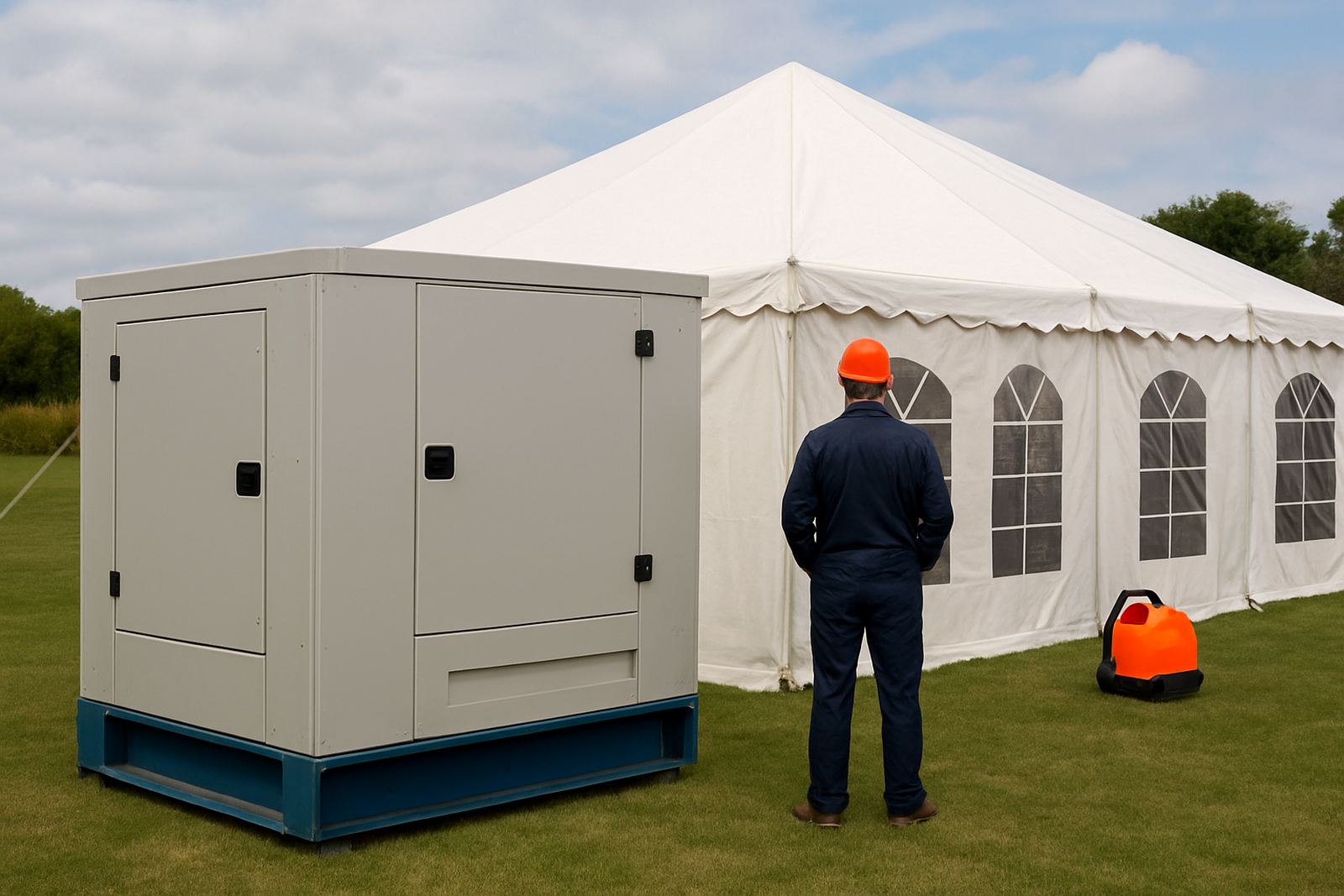
A silent generator uses a sound reduced enclosure and a properly mounted engine set to lower noise during operation. That makes it a better fit for school functions, church events, market days, residential repairs and any work near offices or guest accommodation. In East London and along the coast, it also helps where wind carries sound further than expected.
We supply units for builders, event teams and venue operators who need steady power for lighting, fridges, sound equipment, pumps or hand tools. If you are working in Beacon Bay, Gonubie, Kidds Beach, Qonce or Port Alfred, a quiet set can keep the job moving without upsetting neighbours or guests.
- Lower operating noise than open-frame sets
- Suitable for day and after-hours use
- Useful where municipal or venue sound rules apply
- Can be hired for short notice jobs and weekend functions
Available sizes and power options
We offer silent generators in practical hire sizes to cover small backup needs through to heavier event loads. Smaller units are suited to lights, tills, small catering gear and limited tool use. Larger sets can carry multiple circuits, fridges, pumps and stage equipment at the same time. The right size depends on starting load as well as running load, so it is worth checking the full list of items before you book.
Options normally include single-phase and three-phase supply, electric start, fuel gauge, circuit protection and external sockets for clean connection. Some units can be linked to a distribution board for better load control on larger sites. If you are unsure, our team can work out the sizing with you before delivery.
- Small event backup sets for light duty use
- Mid-range units for trades, catering and temporary power
- Larger sets for stage work, functions and site support
- Single-phase and three-phase options available
Where a silent generator suits best
These units are often hired for night events, coastal venues, pop-up kitchens, street markets and residential construction where local noise control matters. They are also a good fit for load-shedding backup at shops, salons, clinics and small offices that need continuity during outages. On the coast, humidity and salt air can affect open equipment quickly, so a closed unit is often the better call.
For builders, silent sets are useful when work starts early or runs close to occupied homes. For events, they are handy where music, speeches or MC work must stay clear. If a generator will sit near the public, we can help you choose a position that keeps exhaust and noise away from entrances and seating. It does help to plan cable runs before the delivery truck arrives.
- Neighbourhood building repairs
- Night markets and weekend functions
- Wedding venues and private parties
- Retail backup during outages
- Temporary power for catering and refrigeration
Installation, fuel use and site setup
We offer site delivery, equipment collection and on-site setup in East London, Beacon Bay, Gonubie, Kidds Beach, Qonce and Port Alfred. When the unit arrives, it should stand on a firm level surface with clear airflow around the enclosure. If it is being used at an event, we can assist with layout so the generator sits where it will not disturb guests or create a trip risk from cables.
Most units run on diesel and need clean fuel, regular checks and enough space for refuelling. Fuel consumption depends on the load, so a lightly loaded generator will usually run longer than one carrying close to full demand. For longer hires, our team can assist with fuel management and planned checks. Always allow enough cable length and do not overload extension leads, especially where pumps or tools are in use. A bit of planning saves trouble later.
- Level ground and ventilation are essential
- Diesel fuel commonly used for longer runtime
- Keep refuelling safe and away from open flames
- Plan cable routes before setup begins
Care, servicing and coastal conditions
Generators working near the sea need proper care. Salt air, damp mornings and fine dust can shorten service life if equipment is left dirty or stored badly. We service our hire fleet and check oil levels, batteries, filters and control systems before equipment goes out. That lowers the chance of delays on site and helps the unit start when you need it.
For clients on longer hire, simple daily checks are important: look at fuel levels, watch for warning lights, keep vents clear and listen for any change in sound. If a set trips or runs unevenly, switch it off and call for help rather than forcing it to continue. Emergency callout support is available when a project cannot wait, especially during outage periods or busy event weekends.
- Pre-hire servicing completed by our workshop team
- Good for coastal towns where humidity is high
- Daily checks help prevent avoidable breakdowns
- Callout support available for urgent faults
What to confirm before you order
Before booking, work through the power list carefully. Check the total watts or kVA needed, whether any equipment has a high starting surge, and whether you need single-phase or three-phase supply. Tell us if the generator will be used for lighting only, for mixed loads, or for equipment that must keep running through the night. If sound limits are strict, let us know early so we can match the right unit to the site.
It also helps to confirm the delivery point, access for a trailer or truck, and whether you need collection after the hire ends. For event work, share the layout timing so the unit can be positioned before guests arrive. For builders, a quick pre-hire briefing can avoid under-sizing and wasted fuel. We keep the process practical and plain, because that is what works on site.
- Required load in kVA or watts
- Single-phase or three-phase supply
- Hire duration and site access
- Need for fuel management or weekend hire
- Any sound restrictions from the venue or neighbours
Key facts
| Fuel type | Diesel |
|---|---|
| Noise level | About 58 to 72 dB at 7 metres depending on size and load |
| Output range | Approx. 5 kVA to 100 kVA |
| Phases | Single-phase and three-phase options |
| Runtime | Approx. 8 to 12 hours on a full tank, depending on load |
| Features | Sound-attenuated canopy, electric start, AVR, overload protection |