Ride-on Drum Roller For Cleaner, Faster Compaction
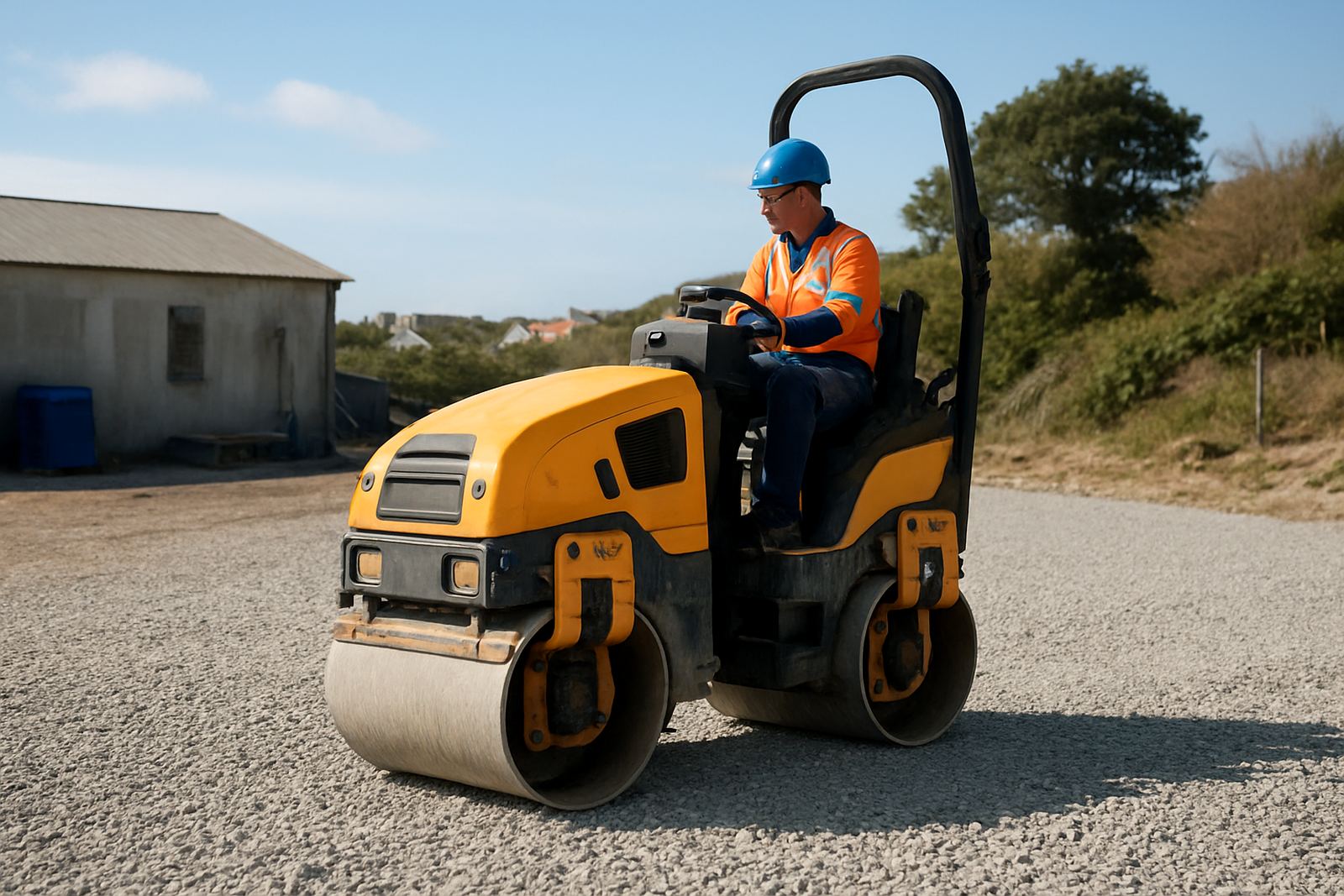
A drum roller is a ride-on compaction machine used where a plate compactor starts to become slow or uneven. It gives steady pressure over a wider surface, so it is well suited to paths, driveways, parking bays, yard aprons and prepared sub-bases. For builders working in Beacon Bay, Gonubie, Kidds Beach or Qonce, it saves time on larger runs and gives a more even finish before paving, surfacing or concrete work.
Our drum roller hire suits contractors who need controlled compaction without bringing in heavy plant that is too large for the site. It is also useful for estates, schools, municipal work and event ground preparation where surface levels matter. If the area has soft spots after rain or a loose fill layer, the roller can help settle the base properly before the next stage.
Size Options, Weight And Typical Specs
We supply drum rollers suited to medium compaction work, with sizes that are practical for access in East London streets, coastal plots and commercial yards. The right choice depends on the base material, the depth of the layer and how much manoeuvring space you have.
Typical hire details can include the following, depending on availability and application:
- Operating weight around 1.5 to 3 tonnes
- Single or dual drum setup for different compaction patterns
- Working width often between 900 mm and 1 200 mm
- Forward and reverse travel for easier manouvering on tighter sites
- Water spray system on some units to reduce pick-up on fine material
- Vibration control for effective density on granular base layers
If you are working on a narrow driveway in Beacon Bay or a larger parking layout in Port Alfred, we can help you match the roller size to the space. Bigger is not always better if access gates, kerbs or turning space are limited.
Where A Drum Roller Works Best
This machine is most useful on prepared areas that need firm, even compaction before the finish goes down. It is not the right choice for every job, but where the surface area is broad enough it gives a good result with less repeated passes than smaller equipment.
Common uses include:
- Pathways and walkways on developments or estates
- Parking bays and taxi lay-bys
- Sub-base compaction before paving stones or asphalt
- Access roads and service yards
- Prepared event areas where the ground must be level and firm
- Backfill and general site finishing on coastal builds
On coastal jobs, moisture can change the surface quickly. If the base is too wet, the machine may mark it instead of tightening it. If it is too dry and loose, it may need a light water set before compaction. We will talk through that before delivery so the crew arrives ready.
Delivery, Setup And Site Conditions To Plan For
We offer equipment delivery and collection across East London, Beacon Bay, Gonubie, Kidds Beach and nearby coastal areas. For larger sites, we can assist with on-site setup so the roller is unloaded in a sensible position and the work area is ready. If the job is urgent, our emergency callout option may help keep the programme moving.
Before the roller arrives, check gate widths, entrance slopes, overhead clearance and the bearing of the access route. A roller needs solid ground to move safely from the truck to the work area. On sandy or softened coastal ground, that transfer point needs a bit of care so the machine does not sink or leave marks.
For event sites, sports grounds or temporary parking areas, we can also help with layout advice. That includes setting out the work zone so the machine does not cross into finished areas or damage kerbs, paving edges or underground services.
Power, Fuel And Operating Needs
This is a diesel-powered machine and it does not need mains electricity or gas. That makes it useful on sites where load-shedding, limited supply or temporary setups make electric compaction less practical. Fuel management can be arranged as part of the hire if the programme is tight or the site team prefers a managed supply.
Because the machine is ride-on, it should be used by an operator who understands site conditions and safe compaction practice. It is built for repetitive work over larger areas, but it still needs sensible speeds and clean passes. Do not use it on steep edges, unstable shoulders or over services that have not been checked. On fresh fill, it is best to compact in layers rather than trying to settle too much depth at once.
Care, Servicing And What We Check Before Hire
Our workshop checks rollers before hire so the machine is ready for work and the risk of downtime is lower. Regular servicing matters on coastal equipment because humidity, salt air and fine dust can affect moving parts and controls. We inspect the drum condition, vibration response, hydraulic operation, fuel system and general safety items before dispatch.
During the hire period, keep the drum clean and avoid building up mud around the edges. If the site is very wet, a quick rinse and basic check at the end of the shift helps. Report any unusual vibration, leaks or starting issues straight away so we can advise on the next step. A short delay is better than pushing the machine until a small fault becomes a bigger one.
For longer hires, regular check-ins help us plan fuel, servicing and collection. That is useful on busy sites where the roller forms part of a bigger sequence with compactors, scaffolding or pump equipment.
What To Confirm When You Order
To avoid the wrong machine arriving, it helps to give us a few details when you book. If you can, tell us the surface type, area size, access constraints and the dates you need it for. That lets us match the roller to the job and advise on transport or support items if needed.
- Location of the site and nearest access point
- Area to be compacted and approximate thickness of the layer
- Whether the ground is gravel, sand, fill or sub-base
- Access width, gate height and turning space
- Need for delivery, collection, setup or fuel support
- Hire period, including weekend or long-term use
If you are unsure whether a drum roller is the right fit, send through the job details and we will talk it through. In some cases a plate compactor is enough, but for larger bays and longer runs the drum roller is usually the neater choice. That is especially true where finish quality matters and you do not want patchy compaction later on.
Key facts
| Machine type | Ride-on drum roller for compaction work |
|---|---|
| Typical operating weight | About 1.5 to 3 tonnes |
| Working width | About 900 mm to 1 200 mm |
| Fuel | Diesel |
| Best use | Paths, parking bays, sub-bases and yard areas |
| Service area | East London, Beacon Bay, Gonubie, Kidds Beach, Qonce and Port Alfred |