What a Demolition Hammer Does on Site
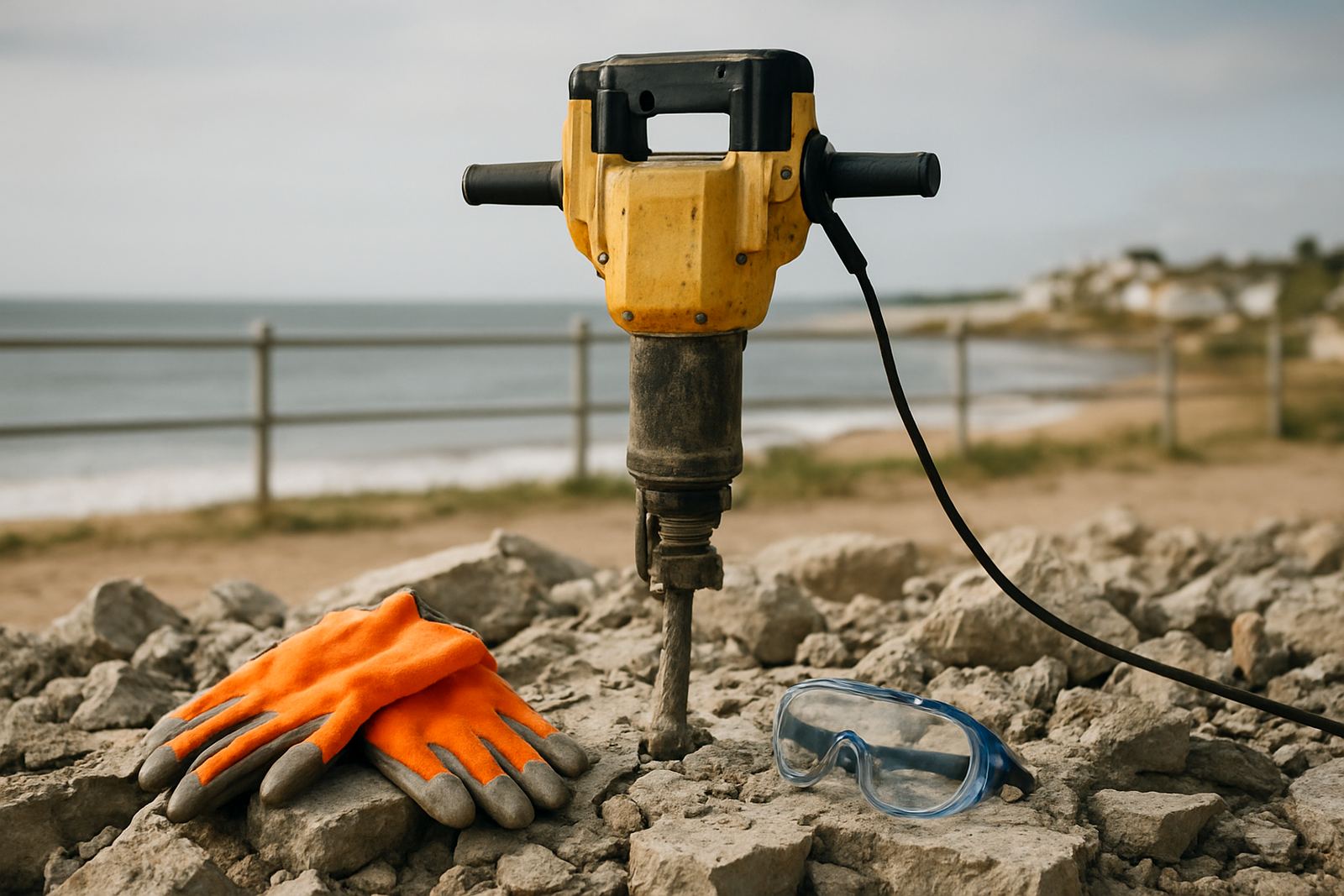
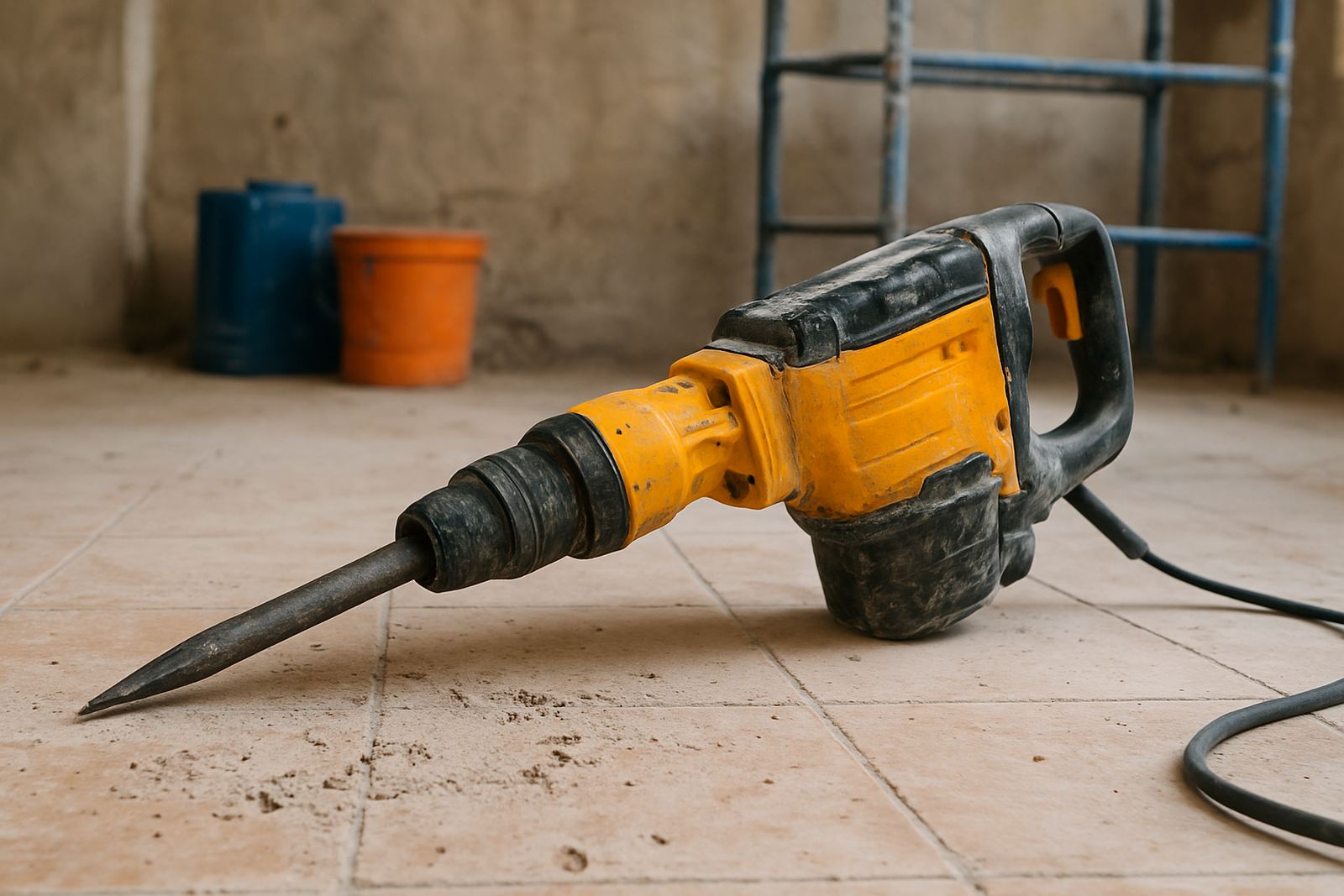
A demolition hammer is a hand-held breaker used for controlled removal work where a full breaker or machine would be too much. It is commonly used for tile beds, floor slabs, old screeds, brickwork openings and chase lines for pipe or cable routes. For strip-out work on houses, shops and small commercial sites, it gives good impact without needing a large machine on the job.
These units are suitable for concrete, masonry and hard plaster, but they are not made for drilling. If you need to take out a section of slab, open up a doorway, or break out a patch of floor for plumbing repairs, this is the right type of tool. It helps keep the job tidy and allows more control where services, finishes or load bearing areas need care.
Sizes and Tool Options We Supply
We hire demolition hammers in practical sizes for renovation and maintenance work, from lighter chasing tools to heavier breakers for thicker concrete. The main difference is the impact energy and the weight of the machine. A lighter unit is easier overhead and on vertical chases, while a heavier one is better for floor work and harder materials.
- Light duty units for wall chasing, tile removal and plaster break-out
- Medium duty units for small floor slabs and bathroom renovations
- Heavier breakers for thicker concrete, ramps and stubborn patches
- Point chisels, flat chisels and spade chisels depending on the task
For jobs with mixed work, we can advise on the best size so you do not hire more machine than you need. That keeps fuel, handling and fatigue down, especially on coastal sites where access can be tight.
Where It Suits Best in East London Conditions
This equipment suits builders working on home renovations, shop refits, plumbing repairs, boundary wall changes and light civil maintenance. It is also useful for event site prep where small pads, anchors or temporary fixings need to be removed afterwards. In East London, Gonubie, Beacon Bay and Kidds Beach, the tool is often used on residential upgrades where space is limited and dust control matters.
On the coast, moisture and salt air can affect tools left outside, so we recommend using the breaker under cover when not in use. If the site is in Port Alfred or Qonce, and transport time is longer, it helps to book in advance so the right accessories and leads are loaded first time. That avoids delays and keeps the crew moving.
Power, Setup and Site Requirements
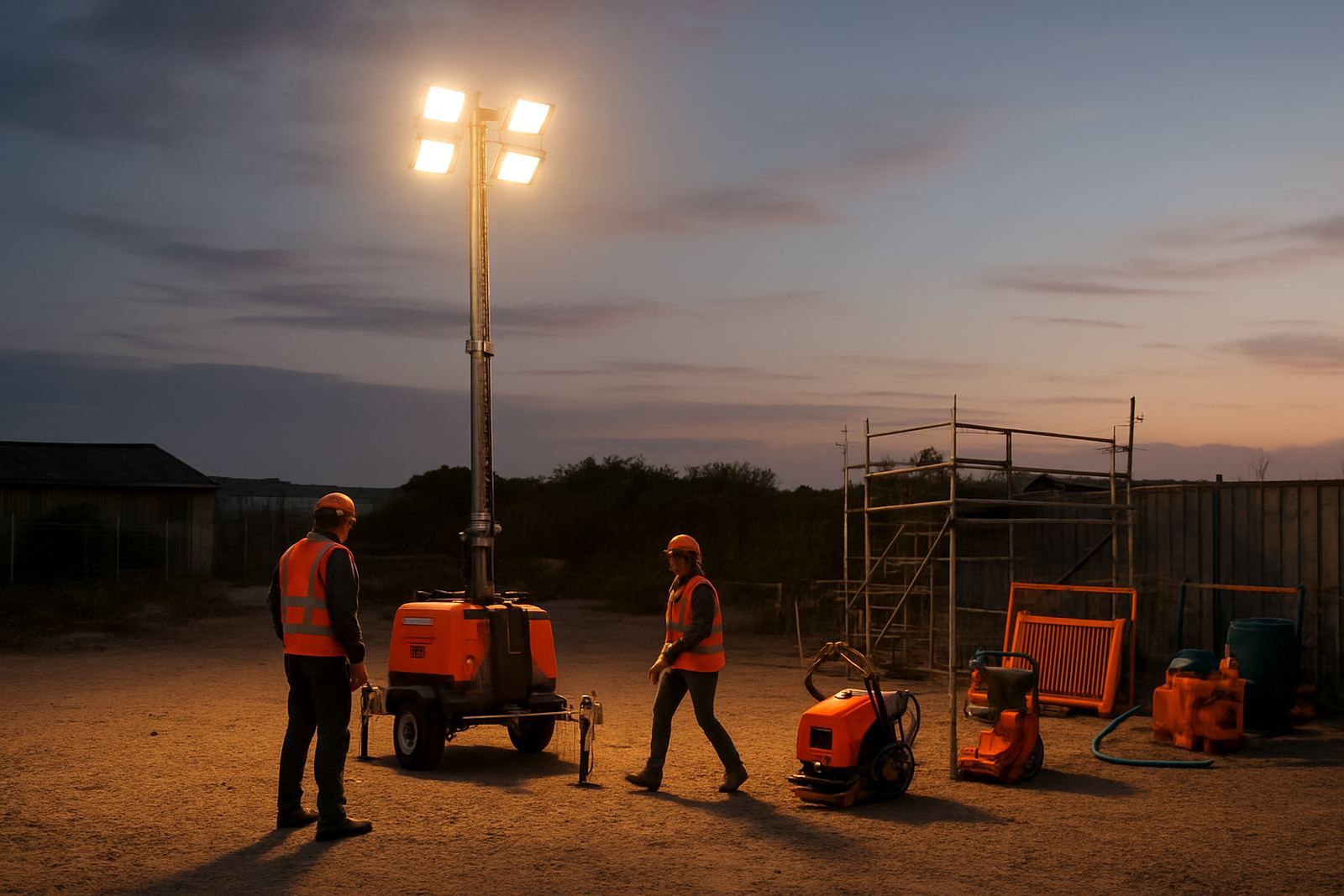
Most demolition hammers run from standard electrical power and are used with a suitable extension lead or generator on sites without mains supply. For load-shedding, a correctly sized generator can keep the job going, but the start-up load and output must be checked before hire. We can advise on this when you place the order.
- Allow stable power supply with enough capacity for the breaker and any dust control gear
- Use a heavy-duty lead in good condition, not a light domestic one
- Keep the work area clear of loose rubble so the chisel can strike cleanly
- Plan for dust, noise and vibration, especially on occupied properties
If the breaker is being used in a live building, let neighbours or tenants know about noise timing. For commercial work, some municipal sites may also need waste removal arranged the same day, so the break-out plan should match the skip or collection timing.
Care, Servicing and Safe Daily Use
These tools work hard, so a bit of care makes a real difference to uptime. Keep the chisels sharp enough for the material, check the lead and plug before starting, and grease or service the machine as required. A clean tool runs cooler and lasts longer, particularly in dusty renovation work where fine grit gets into every part.
Our workshop team checks hire units before they go out and again when they return. If a tool is showing unusual vibration, poor impact or overheating, stop and report it right away. Running a breaker when it is jammed or dry can turn a small issue into a full repair quickly, so early feedback saves time and money.
What to Check Before You Place the Order
To make sure you get the right demolition hammer, have the job details ready before you call or email. The more exact the material and thickness, the better we can match the tool. A floor slab in a garage is very different from light wall chasing in a bathroom, and the wrong size can slow the crew right down.
- What material is being broken out: concrete, brick, plaster or tile
- Thickness of the slab or wall section
- Whether the work is horizontal, vertical or overhead
- Site power available or if generator hire is needed
- Access for delivery in East London, Beacon Bay, Gonubie, Kidds Beach, Qonce or Port Alfred
- Whether you need chisels, leads, fuel management or weekend hire
If you are unsure, ask for a pre-hire briefing and we will help match the tool to the job so you can get started without waste.
Key facts
| Power source | Electric, used on mains or suitable generator supply |
|---|---|
| Typical use | Floor breaking, wall chasing, tile removal and selective demolition |
| Weight class | Light, medium and heavy duty options |
| Impact type | Hammering action with interchangeable chisels |
| Site setup | Needs secure power, PPE and clear work area |
| Hire support | Delivery, collection, setup and weekend or long-term hire available |