What a cut-off saw does on site
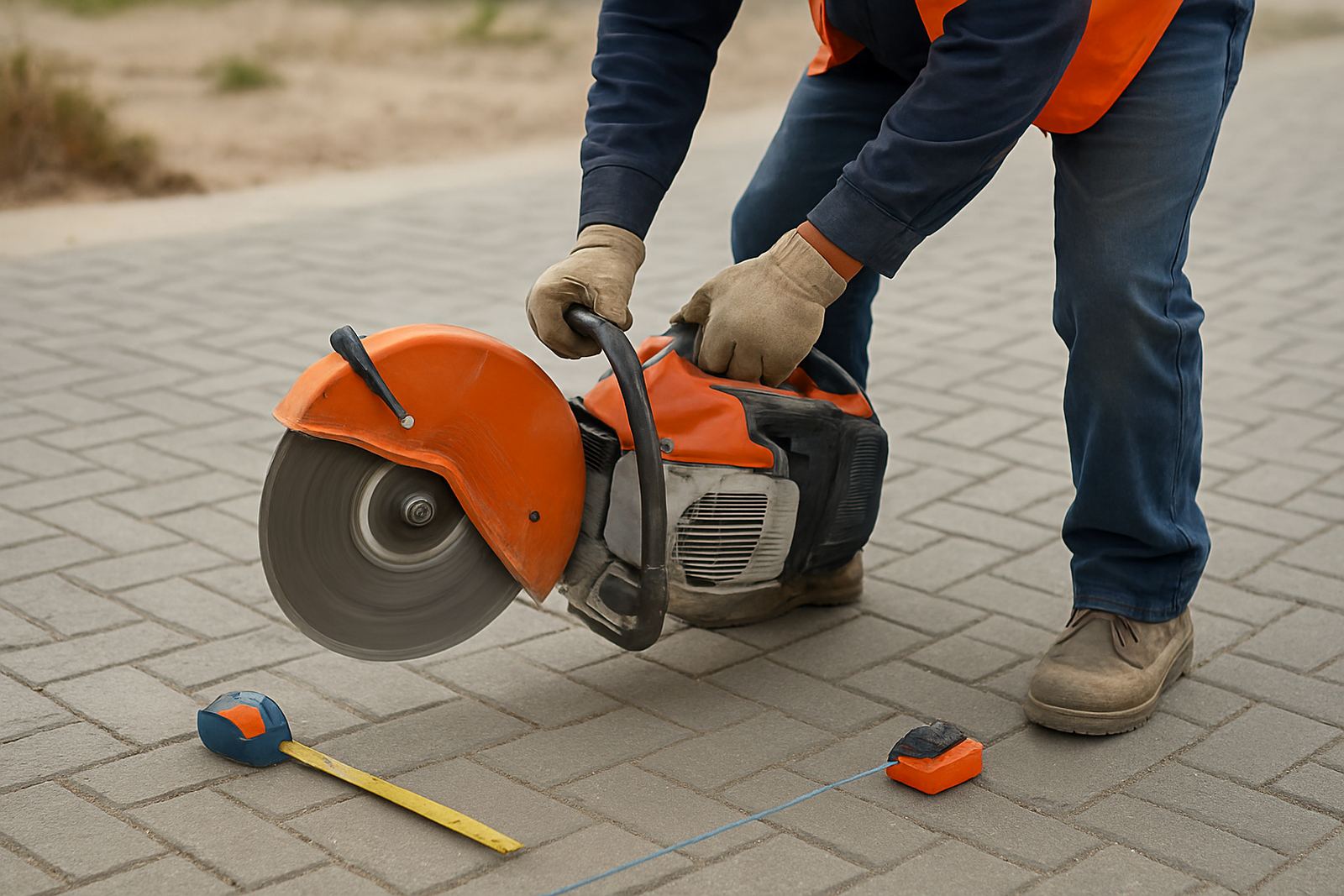
A cut-off saw is a handheld petrol or electric cutting tool used where a grinder is too small and a wall saw is not needed. It gives a deep, controlled cut for breaking out slabs, trimming pavers, opening channels and cutting steel sections on construction and repair work.
On Eastern Cape sites, these saws are used for driveway work, stormwater repairs, kerb cutting, pipe changes and small demolition jobs. They are also useful when load-shedding makes mains-powered tools less practical, especially on sites with limited site power.
Sizes and blade options we supply
The right saw depends on the depth of cut and the material. For most jobs we supply 350 mm and 400 mm blade sizes, with cutting depths suited to paving, floor slabs and lighter structural work. Some jobs need a dry blade, while others are better with a water-fed diamond blade to keep dust down and extend blade life.
- 350 mm blade for paving, pipes and lighter concrete cuts
- 400 mm blade for deeper slab and road-edge work
- Diamond blade for concrete, brick and paving blocks
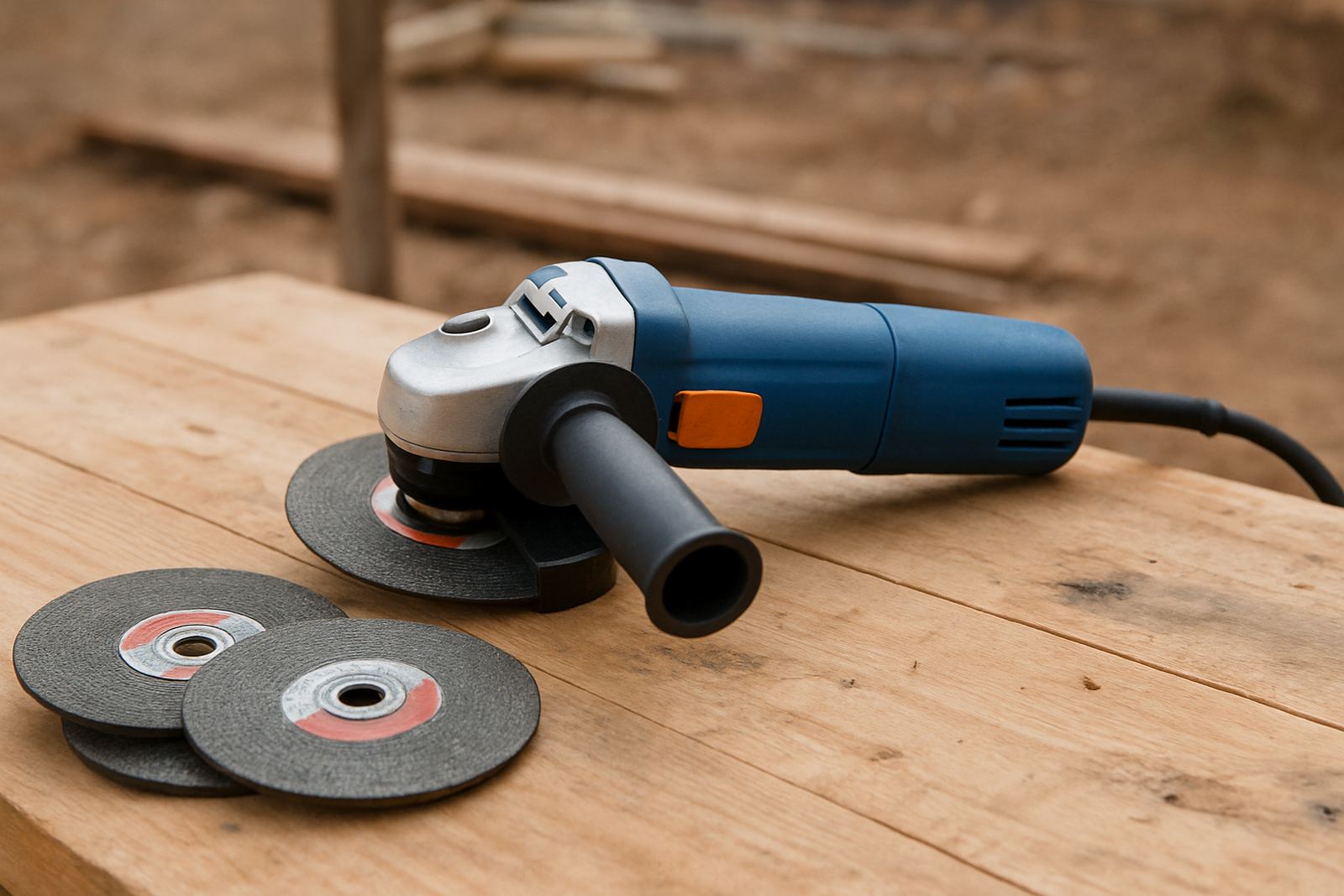
- Abrasive blade for certain metal cutting jobs
- Petrol units for full mobility on sites without power
If you are cutting close to finished surfaces or working near neighbours, ask for dust control advice. On coastal jobs in Gonubie, Kidds Beach and Port Alfred, salt and moisture can wear blades and moving parts faster, so the blade type matters.
Where a cut-off saw suits best
This tool suits builders, plumbers, paving teams, fence installers and maintenance crews. It is common on driveway alterations, boundary wall work, slab repairs, drainage cuts, and metal framing adjustments where a neat straight line is needed.
For events work, it can help with temporary structure adjustments and light steel trimming, but it must be handled by a trained operator. It is not the right tool for enclosed indoor work unless the area is fully ventilated and dust control is in place.
- Concrete and paving cutting
- Steel pipe, angle and rebar trimming
- Small demolition and breakout work
- Roadside and kerb maintenance
- General site repair and maintenance
Power, fuel and water needs
Most cut-off saws in hire are petrol driven, which makes them useful on sites without reliable electricity. They need the correct fuel mix or unleaded petrol depending on the model, and the blade will cut best when the machine is warmed up properly before work starts.
When cutting concrete, water supply is recommended for dust suppression and blade cooling. If your site has a hose point or water bowser, mention it when booking. If not, we can advise on dry cutting limits and safe work methods. In hot weather, and especially during summer humidity along the coast, operators should avoid forcing the blade because heat build-up shortens blade life.
Care, servicing and safe use between hires
Cut-off saws need regular checks to stay safe and accurate. Before use, the blade guard, belt tension, fuel level and blade condition should be checked. After use, the saw should be cleaned, especially if it has been used on wet concrete or on salty coastal sites where corrosion starts quickly.
Our workshop team services the saws, replaces worn blades and checks the drive components before each hire. That helps keep downtime down on site, and it reduces the chance of a blade wobble or poor cutting line. If the saw has been dropped or used on reinforced concrete, tell us so we can inspect it before the next job.
- Keep the blade clean and dry after use
- Check for cracks, warping or missing segments
- Run the saw at the correct speed before cutting
- Do not use a damaged blade or loose guard
- Store away from salt spray and rain
What to check when ordering your hire
To make sure you get the right saw, tell us what material you are cutting, how deep the cut must go, and whether you need petrol or electric power. If the job is on a busy site, mention access, delivery times and whether you need pre-hire briefing or on-site setup.
Please also tell us if you need a spare blade, water-fed cutting, or collection after hours. For long-term hires, emergency callouts and weekend hire can be arranged from Beacon Bay for East London, Qonce, Gonubie, Kidds Beach and Port Alfred. If the site has municipal noise limits or dust restrictions, we can help you plan around that.
- Material: concrete, paving, steel or mixed use
- Required cut depth and blade diameter
- Petrol or electric preference
- Need for water feed or dust control
- Delivery, collection or on-site setup timing
Key facts
| Product type | Portable cut-off saw |
|---|---|
| Blade sizes | 350 mm and 400 mm options |
| Typical cutting use | Concrete, paving, metal sections and pipe |
| Power source | Petrol, with electric options on request |
| Hire cover | Short-term, weekend and long-term hire |
| Service area | East London, Beacon Bay, Gonubie, Kidds Beach, Qonce and Port Alfred |