Clean round holes for service runs and fixing points
A core drill is used when a clean circular opening is needed, rather than a chased-out hole or a rough breakout. It is a practical choice for pipe routes, cable sleeves, extractor penetrations, anchor points and other controlled openings where the finish matters. On site, that means less patching afterwards and more accurate work around tiles, lintels, slabs and structural walls.
For builders in East London, Gonubie, Kidds Beach and Qonce, core drilling is common on renovations, boundary wall work, bathroom upgrades, small commercial fit-outs and plant room services. It also helps where access is tight and there is not enough room for larger breaking gear. If you are working near occupied areas or finished floors, a drilled opening is often the safer choice.
Sizes and power options that match the job
We supply core drill equipment suitable for small to medium diameter openings in masonry and concrete. The right setup depends on the hole size, wall thickness and the material you are drilling through. Smaller drills are suitable for light-duty work and service holes, while larger units are better for thicker concrete and repeated use on site.
- Typical hole range: 20 mm to 150 mm, depending on material and setup
- Common applications: pipe sleeves, drainage penetrations, aircon lines, anchor points and sample openings
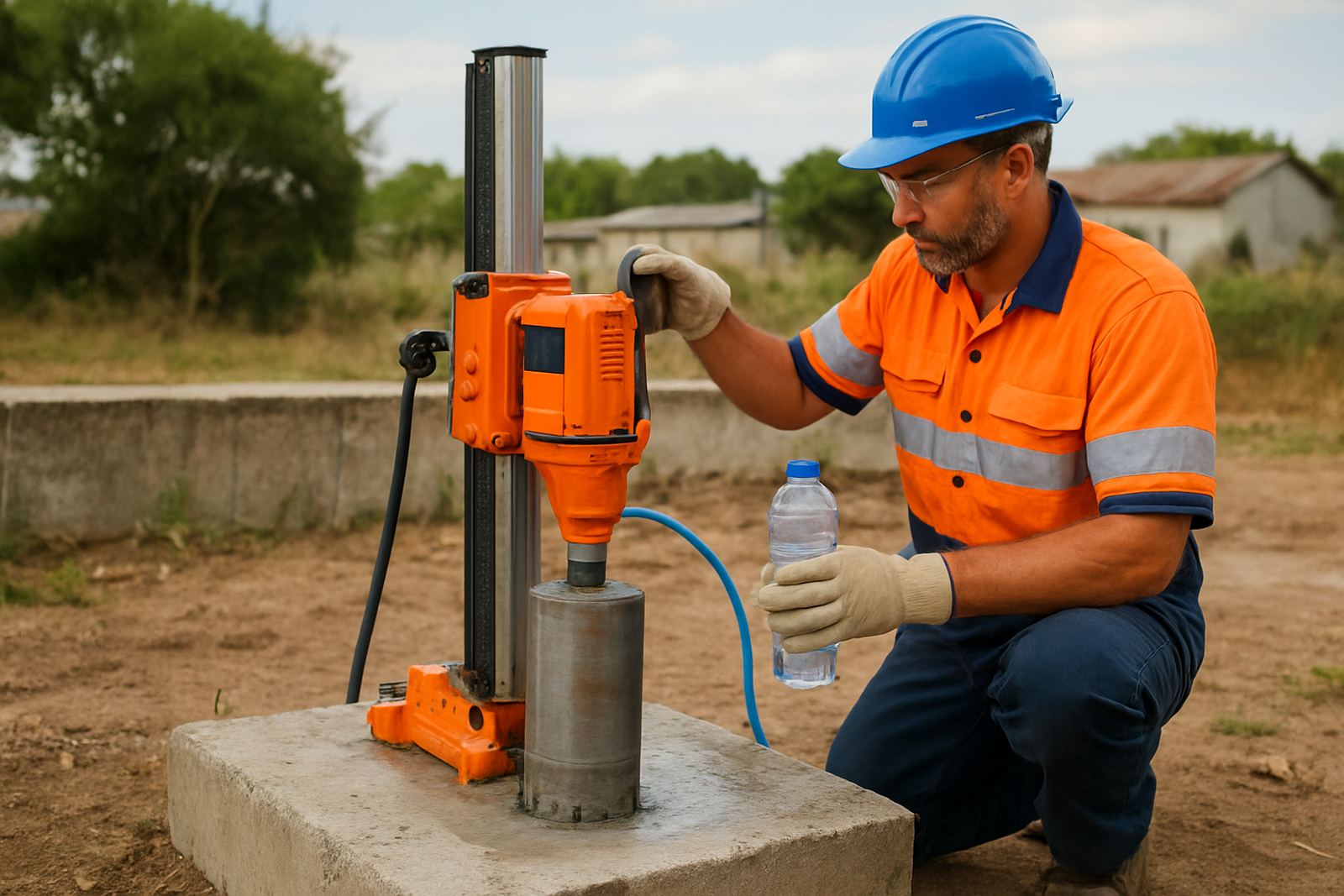
- Mounting options: hand-held for lighter work or stand-mounted for better control on harder concrete
- Bit selection: diamond core bits for masonry and reinforced concrete, chosen to suit diameter and material
When you order, it helps to know the exact opening size you need, plus whether the wall or slab contains reinforcing steel. That affects bit choice, drilling speed and the time needed on site. If the opening must line up with existing services, measure twice before starting. It saves a lot of time later.
Where core drilling fits best on the coast
Core drilling is useful in homes, workshops, schools, retail buildings, factories and coastal properties where careful control matters. It suits brick walls, concrete slabs, blockwork, render and many mixed-material structures. On the coast, where corrosion and moisture are constant concerns, a clean drilled opening makes it easier to sleeve and seal services properly afterwards.
This equipment is also helpful for work near municipal services, especially where a neat opening is needed for water lines, electrical conduits or drainage connections. In damp or salt-air conditions, the contractor should seal the finished penetration correctly to stop moisture ingress and to protect fittings over time.
- Bathroom and kitchen plumbing penetrations
- Ventilation and extraction openings
- Electrical conduit and cable routes
- Fence and anchor fixing points
- Maintenance openings through slabs or masonry walls
How to set it up and what power is needed
Most core drills need a stable power source and a secure setup before work starts. Smaller hand-held units are easier for quick service holes, while larger jobs usually need a stand and a steady supply of water for cooling. On many sites, especially where load-shedding is affecting the area, it is worth planning power before the crew arrives so the job does not stop halfway through a cut.
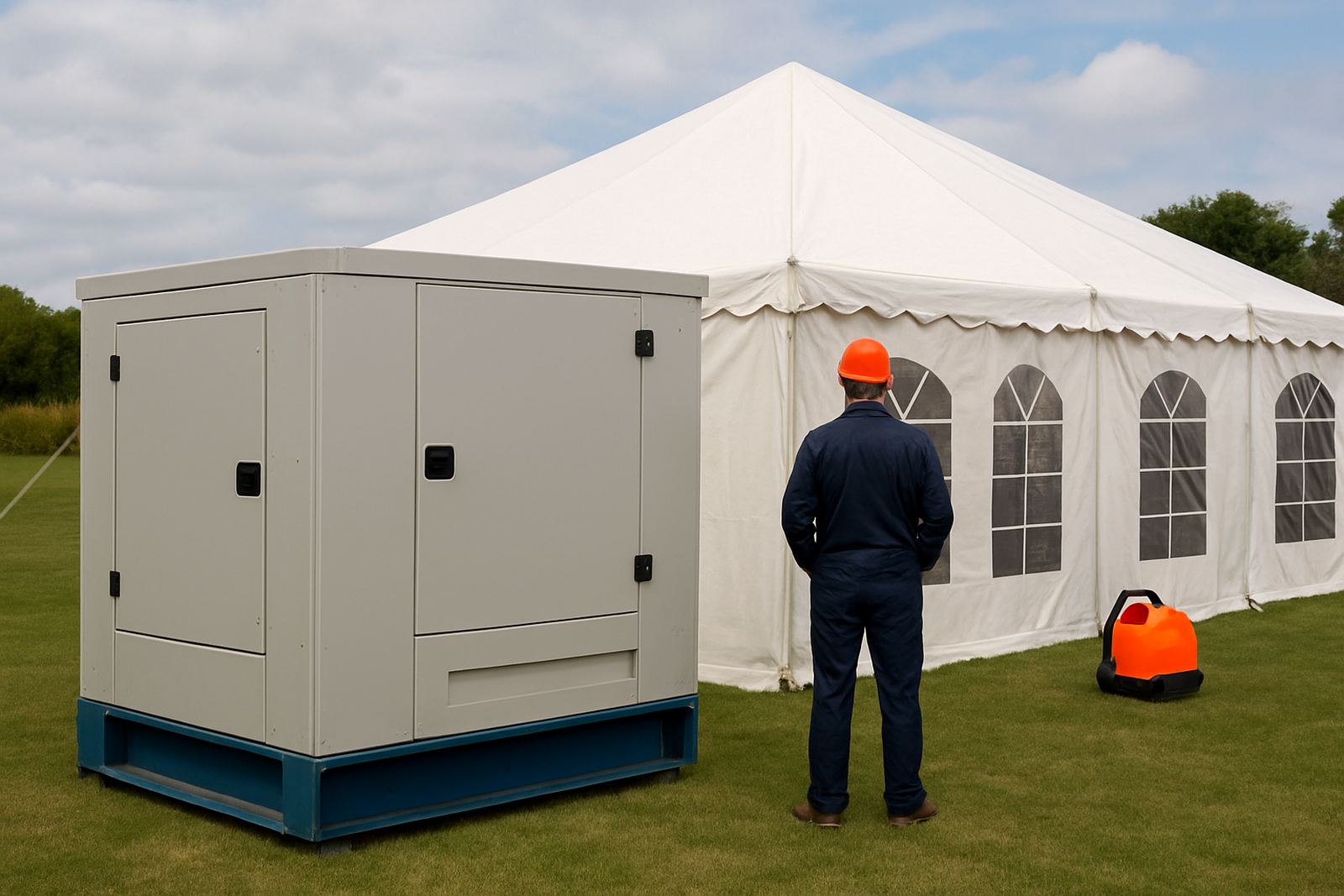
We can help advise on the basics before collection or delivery. If you are drilling on a slab or wall with limited access, or near an area where water control is important, tell us in advance. Some jobs need a vacuum base, a wall mount or extra support to keep the drill steady. If there is no easy power point, ask about generator support so the setup can be planned properly.
- Power requirement depends on bit size and machine type
- Water cooling is needed for most masonry and concrete drilling
- A stable base improves accuracy and reduces bit wear
- Access, headroom and working height should be checked before hire
Care, cleaning and service between hires
Core drills work best when the bit is kept cool, the feed pressure is steady and the machine is cleaned after use. Overheating, forced drilling and poor water supply can shorten bit life very quickly. For jobs in sandy or coastal areas, wash down dust and slurry after the work is complete, then dry the equipment before return. That helps prevent unnecessary wear and keeps the unit ready for the next hire.
Our workshop checks machines for wear, bearings, switches and bit condition before release. If a drill has had a hard week on site, we inspect it again on return. This keeps the kit safer and more reliable for the next contractor. If you have been drilling close to reinforced concrete or hard stone, mention that when you bring it back so the team can check the bit properly.
What to confirm before you place the order
A few quick details make the hire much smoother. The most important is hole diameter, followed by the material you are drilling and the number of openings required. If the work is on a wall rather than a floor slab, we also need to know the thickness and whether the job is overhead, at waist height or near finished surfaces. That changes the handling and the support needed.
- Exact hole size in millimetres
- Material being drilled, such as brick, block, plastered wall or concrete
- Number of holes and expected drilling depth
- Whether the site has power, water and safe access
- Any need for stand mounting, vacuum base or generator support
If you are not sure which setup will work, our team can talk it through before you collect. For contractors in East London, Beacon Bay, Port Alfred and the surrounding coast, we can also arrange site delivery, emergency callout support and weekend hire where timing is tight. It is better to confirm the details upfront than to arrive on site and find the wall is harder than expected.
Key facts
| Equipment type | Core drilling unit for masonry and concrete |
|---|---|
| Typical diameter range | 20 mm to 150 mm |
| Best suited materials | Brick, block, render, plastered walls and reinforced concrete |
| Operation | Hand-held or stand-mounted, depending on opening size |
| Power needs | Electric supply required, generator support available where needed |
| Cooling method | Water-cooled drilling for most applications |