What A Rammer Compactor Does On Site
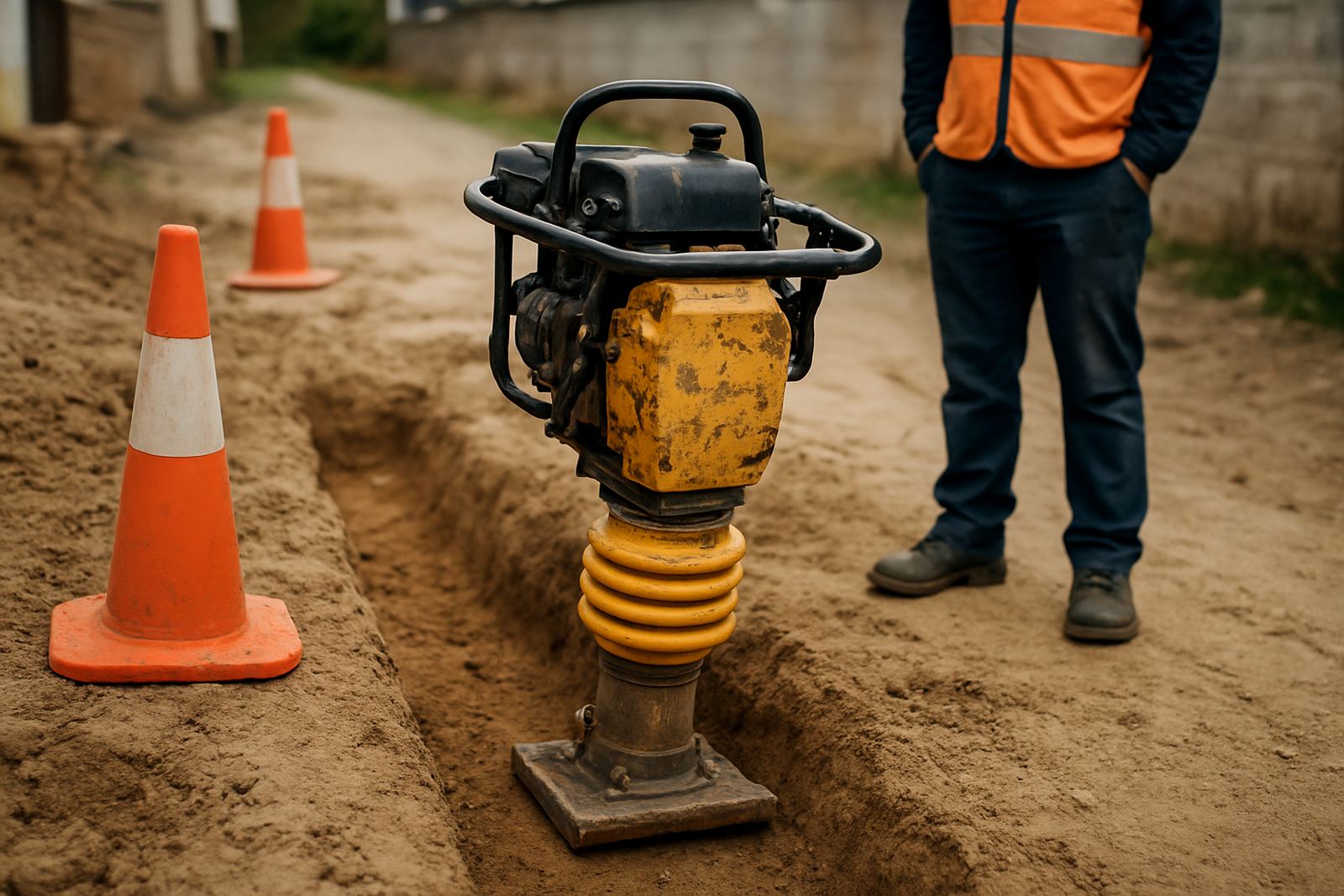
A rammer compactor, also called a trench rammer or jumping jack, uses a fast vertical impact to pack soil, backfill and selected granular material into a firm layer. It is built for areas where a plate compactor cannot move freely, especially trenches, service runs, boundary lines and tight corners. The narrow shoe lets you work close to walls, pipes and footings with better control.
These units are common on drainage jobs, sewer and water line backfill, electrical service trenches, paving prep and small civil works. In the Eastern Cape, where rain, coastal moisture and sandy ground can change conditions quickly, the right compaction helps reduce later settling and rework.
Sizes, Weight Classes And Working Range
We supply compact rammers suited to small access jobs as well as heavier units for tougher material. Most hire-ready models fall into a practical weight range that works well for trench work without being too wide or too hard to handle. The foot width is narrow enough for confined spaces, yet the impact force is strong enough for proper consolidation when used in passes.
- Narrow shoe for trenches and edge work
- Single-person operation for most jobs
- Balanced frame for control in uneven ground
- Suitable for backfill around services and foundations
- Good choice where access is limited by walls, kerbs or existing structures
For mixed ground, our team will help you match the unit to the soil type and job depth. Wet clay, loose fill and spoil with stone all behave differently, so it helps to choose the right weight and foot size before delivery.
Where This Compactor Suits Best
This machine suits builders and contractors working in East London, Beacon Bay, Gonubie, Kidds Beach, Qonce and Port Alfred, especially on sites with narrow access or fresh trenching. It is also a practical hire for municipalities, plumbers, electrical teams and landscapers who need concentrated force in a controlled area.
- Trenches for water, sewer, stormwater and electrical services
- Backfill around manholes, chambers and pipe runs
- Foundations where edge compaction matters
- Driveway and paving prep in tight sections
- Repair work where a larger roller or plate will not fit
On coastal jobs, damp sand and run-on water can slow a crew down if the ground is not compacted in the right lifts. A rammer helps keep the fill tight and usable, even when the site is awkward or a bit rough underfoot.
Power Needs And Site Setup
Most rammers run on petrol and do not need site electricity or gas. That makes them useful during load-shedding, on remote plots and on new builds where power is not yet connected. Before starting, check the fuel type required, the air filter condition and the access route for moving the machine to the work area.
For safe use, keep the trench stable enough for the operator to work without falling edges, and make sure services are located before compaction begins. If the trench is too narrow or the ground is too soft, our team can advise on the best setup or help plan a delivery around the work sequence.
Care, Servicing And Daily Checks
Rammers take a beating on site, so routine checks are important. Clean soil from the shoe, inspect the bellows and check for loose fasteners before and after use. If the machine has not been run for a while, it is worth confirming that fuel is fresh and that the throttle responds cleanly. A quick look over can save time and avoid a stop-start day, and nobody wants a compaction delay in the middle of a backfill.
- Check fuel, oil and air filter condition
- Inspect the rammer shoe for wear
- Look for damage to the bellows or handle mounts
- Keep soil and mud off moving parts
- Report knocking, hard starting or weak impact straight away
Coastal humidity can affect stored equipment, so we keep our fleet serviced and ready between hires. If a machine is due for attention, our workshop team handles it before it goes back out.
What To Check When You Order
When ordering a rammer compactor, it helps to confirm the trench width, depth and material type, as well as how far the machine must travel from delivery point to work area. If you are compacting against walls or in a deep service run, tell us early so we can supply the best size and advise on safe handling.
- Trench width and access points
- Type of fill or soil, including clay, sand or mixed spoil
- Job location and delivery timing
- Whether you need weekend hire or a longer term hire
- If you want site delivery, collection or emergency callout support
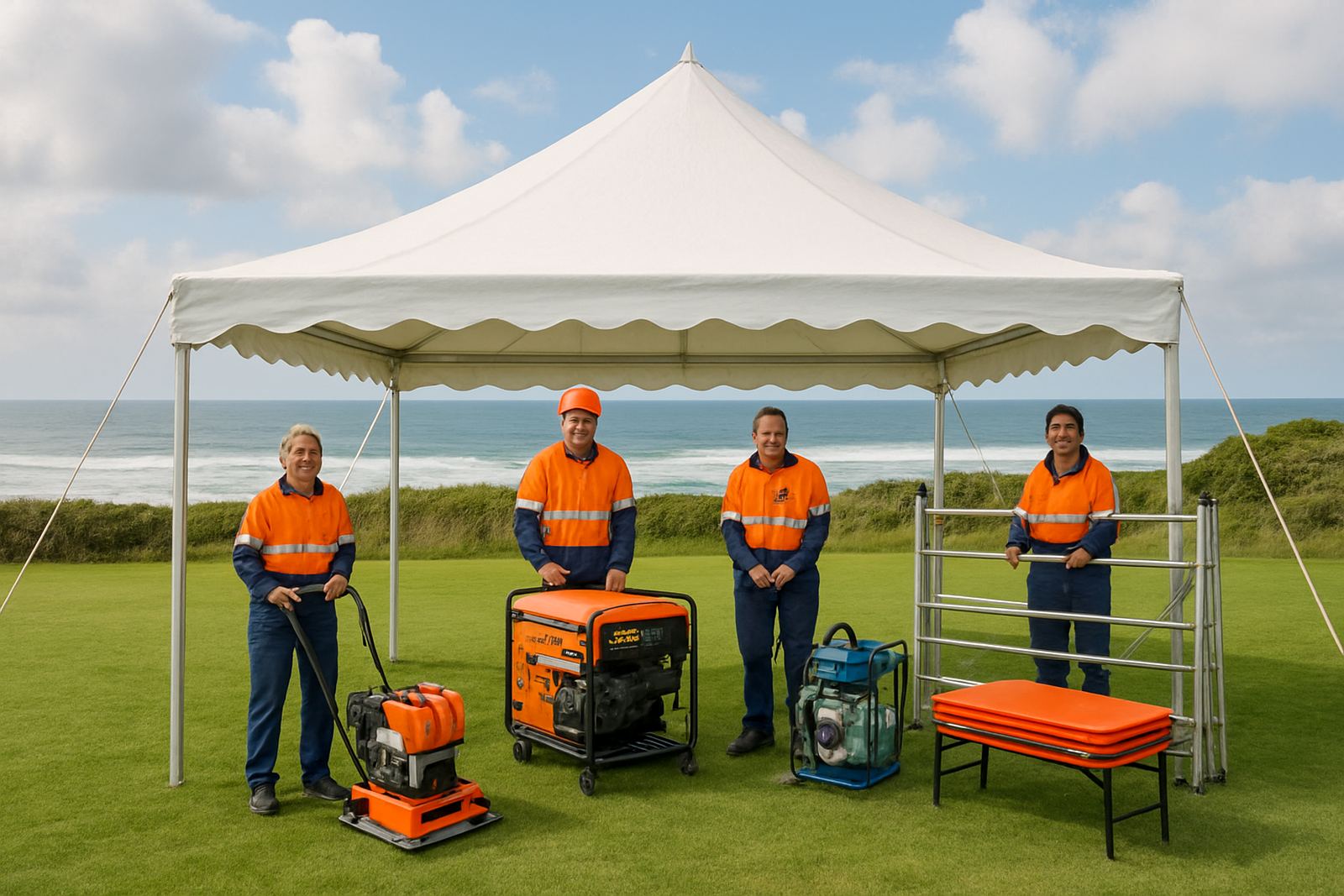
We also assist with pre-hire briefing, so your team knows what to expect on arrival. For bigger jobs, we can coordinate with other hire items such as generators, pumps or scaffolding, which keeps the site moving without extra trips.
Key facts
| Machine type | Narrow trench rammer for concentrated compaction |
|---|---|
| Typical use | Trenches, edges, backfill and tight access areas |
| Power source | Petrol, no site electricity required |
| Fuel requirement | Petrol, with basic daily fuel checks |
| Operating style | Single-operator, vertical impact action |
| Hire support | Delivery, collection, setup and servicing available |