Portable Toilet Hire For Sites And Events
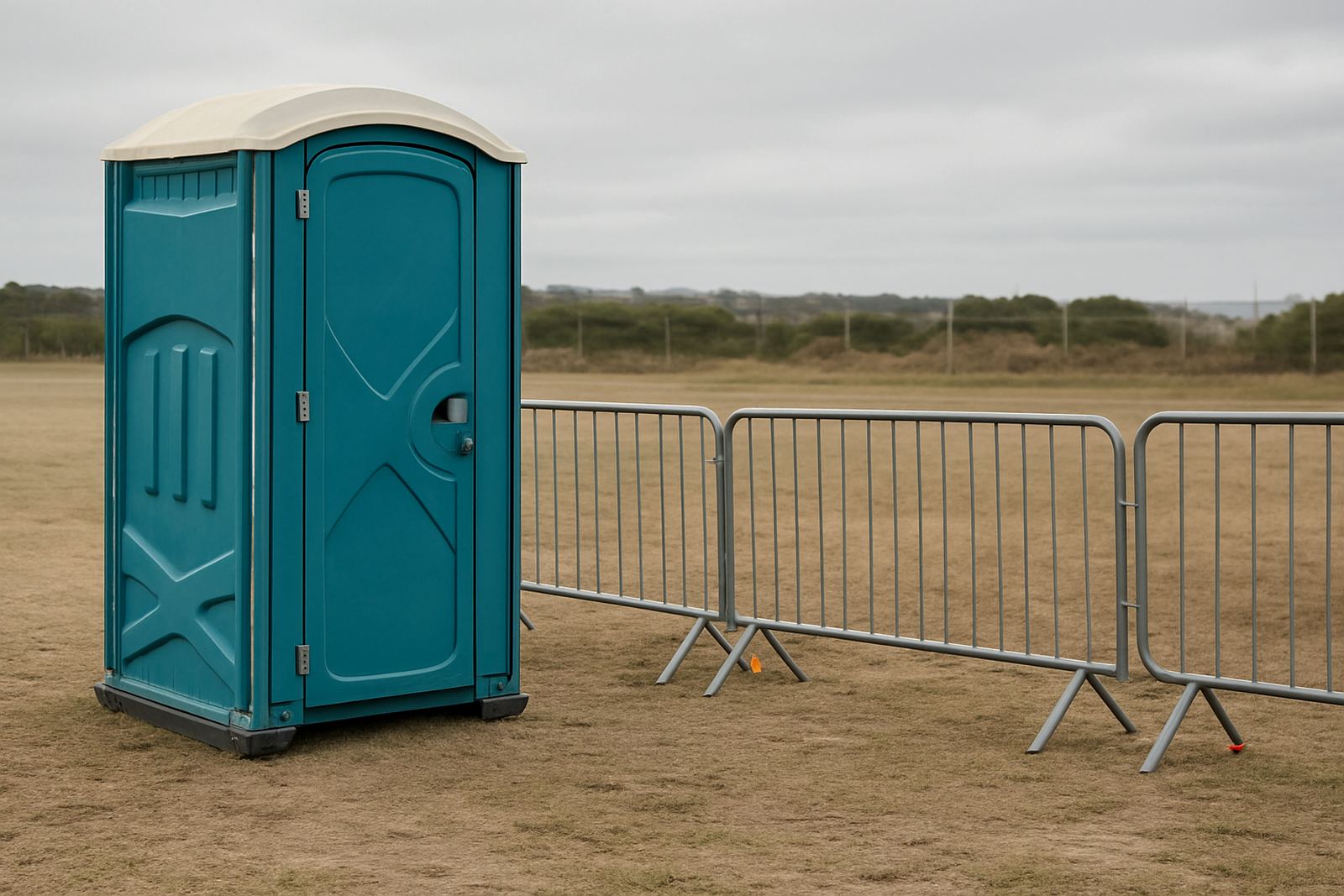
A portable toilet is a self-contained sanitation unit used where permanent bathrooms are not practical. It gives workers, guests and crews a clean place to use the toilet without needing municipal sewer connections or fixed plumbing. For builders, it keeps the site organised and helps with basic hygiene. For events, it gives guests a proper facility when you are working in a field, on a sports ground or at a venue with limited amenities.
We supply portable toilets for short-term and longer hire across East London, Beacon Bay, Gonubie, Kidds Beach, Qonce and Port Alfred. That includes private builds, road work, community functions, school sports days, church gatherings and remote coastal sites where access can be a bit tight. Units are delivered ready for use and can be serviced on a schedule that suits the job.
Most units do not need power or gas. They are designed to work independently, which makes them a practical choice during load-shedding, on temporary sites and at events where the electricity supply is not reliable. If you are planning a larger setup, we can help work out how many units you need based on the number of people, event duration and whether the site is male, female or mixed use.
Unit Types, Sizes And What They Include
Portable toilets come in different layouts depending on the site and the level of comfort needed. For most building sites, a standard single unit is enough. For public events, you may want more units or a mix with handwashing stations close by. Where there is higher foot traffic, it is worth allowing extra capacity rather than trying to stretch one toilet too far.
- Standard single unit: compact footprint, lockable door, vented roof, toilet seat and holding tank.
- Event unit: similar size but better suited to guest use, with cleaner internal finish and easier servicing.
- Wheelchair-access unit: wider door, lower step and more internal space for assisted access.
- Handwash add-on: separate handwashing point with soap and water, useful for food events and public gatherings.
Typical footprint is about 1.1 m x 1.2 m for a standard unit, with a height of around 2.2 m. Weight varies by model and tank fill, but the unit is light enough for placement by forklift, truck-mounted crane or careful manual positioning on level ground. Capacity is usually suited to moderate daily use between servicing visits, though high-traffic events will need more frequent attention.
For windy coastal areas, make sure the unit can be placed on stable ground and not on loose sand unless we have a proper access plan. On uneven sites a small amount of prep helps avoid movement and makes the doorway easier to use.
Where Portable Toilets Suit Best
Portable toilets are used in places where people are working, gathering or travelling away from permanent services. On construction sites they help keep the area more organised and reduce the temptation to leave the job to find facilities elsewhere. For event organisers they are one of the first things to sort out because queues build quickly if there are too few units.
They suit a wide range of local conditions in the Eastern Cape. Coastal humidity, sandy ground and changing weather all make fixed toilet planning harder than it looks. A portable unit gives you a contained solution that can be shifted, serviced and removed once the project is done. It also works well for temporary laydown areas, maintenance shutdowns, emergency works and remote venues outside town.
- Building sites and renovations
- Festivals, concerts and markets
- Sporting days, school events and club meetings
- Remote work camps and coastal project sites
- Fun runs, church functions and community days
If you are not sure how many units to order, it is better to allow a little extra especially for event guests. One toilet can serve a small team, but for public use the right number depends on the expected crowd, alcohol service, event duration and whether there are children or elderly guests.
Delivery, Placement And Setup On Your Site
We handle site delivery and collection from our Beacon Bay base, with cover across East London, Qonce, Kidds Beach, Gonubie and Port Alfred. Before delivery, it helps to have a firm, level spot ready so the unit can be dropped in safely. The ground should be accessible to our vehicle and clear enough for the door to open fully.
Portable toilets do not normally need plumbing, but the site should still be planned properly. Keep the entrance easy to reach, avoid low-lying ground that floods after rain, and make sure there is space for servicing. If the unit is for an event, place it away from food prep areas but close enough to be convenient. At a building site, keep it near the work area but not in the middle of vehicle movement.
We can assist with pre-hire briefing and event layout help where needed. For large gatherings, it pays to think about lighting, access paths and privacy screens. On some sites the best position is not obvious until you look at traffic flow, so a quick planning chat can save trouble on the day.
Servicing, Cleaning And Day-To-Day Care
A portable toilet works best when it is serviced on time. That means waste removal, tank treatment, restocking consumables and a general clean to keep the unit usable. For longer hire, scheduled servicing prevents odours and keeps the toilet in a condition people will actually use. It also helps reduce complaints from neighbours, contractors and event guests.
For site users, the care is straightforward. Keep the door latched, do not throw in rubble, wood offcuts or other materials, and report any damage early. If the unit is used by a large crew or at an event with heavy foot traffic, let us know so servicing intervals can be adjusted. Coastal conditions can be hard on fittings and hinges, so small issues are best sorted quickly before they become bigger repairs.
- Keep the area around the unit clear for access and cleaning
- Use the unit only for its intended purpose
- Report blockages, broken locks or leaks straight away
- Allow space for our service vehicle when restocking or pumping out
If power or water on site is unreliable, do not worry. These units are made for temporary use and do not depend on a permanent utility connection. That is one reason they are used so often during outages, in remote corners and on jobs where the mains are still being sorted out.
What To Check Before You Place An Order
Before ordering a portable toilet, check the number of users, the duration of hire and the type of site. A small crew working for a week has different needs to a one-day sporting event with hundreds of people coming and going. You should also think about access for delivery vehicles, whether the ground is level and if the toilet needs to be accessible for all users.
It also helps to know if you need handwashing nearby, whether the unit will be moved during the hire period, and how often servicing should happen. For some sites a weekly clean is enough. For busy events, more frequent servicing may be needed. If the job is near the coast or in a dusty inland area, the outside conditions can affect how often the unit should be checked.
- Expected number of users per day
- Hire period and servicing frequency
- Site access for delivery and collection
- Whether you need a wheelchair-access unit
- Need for handwashing or extra hygiene support
If you are unsure, send us the site details and a rough headcount. We will help you work out a practical setup without over-ordering or leaving the crew short. That is often the difference between a smooth hire and a messy one.
Key facts
| Type | Portable self-contained toilet unit |
|---|---|
| Typical footprint | About 1.1 m x 1.2 m |
| Typical height | About 2.2 m |
| Power required | None |
| Water required | Not essential for standard use |
| Hire cover | East London, Beacon Bay, Gonubie, Kidds Beach, Qonce and Port Alfred |