Portable Power For Sites, Homes And Small Events
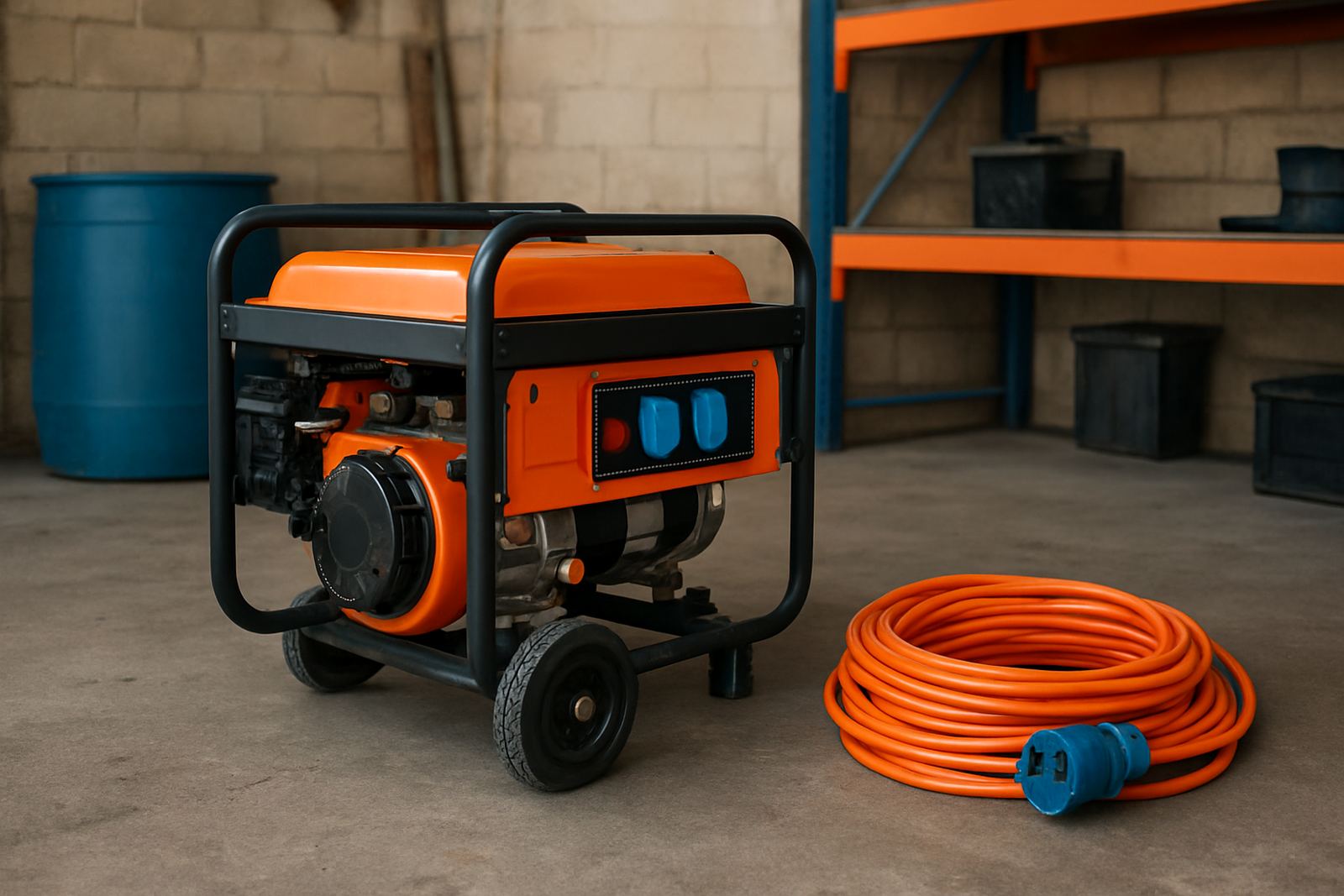
A portable generator is a self-contained power unit that can run basic electrical loads without a fixed supply. On small jobs it keeps drills, grinders, lights and chargers going, while at home it can cover a few essentials during outages. For markets, food stalls, functions and outdoor gatherings, it gives you a practical source of electricity where cable runs are not possible.
We supply portable generators from Beacon Bay to Gonubie, Kidds Beach, Qonce and Port Alfred, with options suited to the salt air and changing weather on the coast. If your use is short-term, we can organise weekend hire. If you need it for longer work or regular backup, long-term hire is available too.
Which Size Works For Your Load
The right generator depends on what you want to power and whether any item has a high starting surge. Small lighting, phone charging and a till point need far less capacity than a pump, fridge or power tool. We help you work out the starting and running watts so the unit does not trip under load.
- Small units: Best for lights, charging, radio equipment and a few light-duty tools.
- Mid-size units: Better for multiple tools, a small kiosk, or a mix of lights and appliances.
- Higher-output portable units: Suited to heavier backup use, pumps, or busier event setups.
- Single-phase supply: Common for homes, stalls and general hire work.
- Transfer and lead length: Important if the power point sits away from the work area.
If you are not sure, send us the equipment list and we will match the generator to the job. It is better to size it with a bit of headroom than run a unit flat out all day.
Where Portable Generators Suit Best
These units suit builders working on small alterations, maintenance crews, and event teams that need dependable power in a neat footprint. They are also useful for houses with frequent outages, shops that must keep a till and lights on, and outdoor venues that need power for small catering setups or sound support.
On the Eastern Cape coast, moisture and wind can affect equipment that stands outside for long periods. A portable generator is best placed on level ground, under light cover and away from standing water. At events, we can assist with layout so the unit sits clear of foot traffic, cables and public areas.
- Homes during load-shedding or emergency outages
- Small building sites and maintenance work
- Markets, stalls and pop-up trading points
- Functions, family gatherings and outdoor events
- Farms, storage yards and remote access points
Setup, Fuel And Safe Running
Most portable generators need stable placement, good ventilation and the correct fuel before start-up. They must never be run in an enclosed room, garage or other tight space because exhaust gases build up quickly. If the unit is being used for an event or business stand, cable routing and plug points must be planned before switch-on.
We offer site delivery, on-site setup and fuel management, which helps when you do not want staff handling refuelling during a busy day. For longer jobs, we can talk through average consumption so you know what to budget. Keep in mind that a generator under constant heavy load will use more fuel and may need more regular checks.
- Place on level ground and keep it dry where possible
- Use the correct cable rating for the load
- Allow ventilation around the unit
- Refuel only when switched off and cooled down
- Keep children and the public clear of the working area
Care, Servicing And Coastal Conditions
Generators work hard in dust, heat and salt air, so regular care matters. Air filters, oil levels and fuel quality all affect performance. If a unit is used on coastal sites from East London through to Port Alfred, it should be stored under cover when not in use and cleaned after exposure to damp air or fine dust.
Our workshop checks help keep hire equipment ready for the next job. We inspect general condition, starting behaviour and basic running faults before units go out. If a machine has been standing for a while, it is worth asking for a pre-hire briefing so you know what to check before use and how to shut it down properly.
What To Confirm Before You Order
When you book a portable generator, send through the type of work, the equipment list and the venue or site location. That helps us match the right size and make sure the delivery point is suitable. If power is needed for a stall, event field or remote site, let us know where the leads must run and whether there is rain cover or security on site.
It also helps to confirm access times, after-hours use, weekend hire and whether collection or return needs to happen around municipal restrictions or event schedules. For builders, we can plan around scaffold, pumps and small tools. For events, we can work with your floor plan or seating layout so cables and noise are managed properly.
- Load list and estimated running time
- Site address and access conditions
- Need for delivery, collection or setup
- Fuel support and refuelling intervals
- Backup requirement in case of outage
Key facts
| Power range | Compact portable units for light-duty to mid-duty loads |
|---|---|
| Output type | Single-phase power for common site, home and event use |
| Fuel | Petrol or diesel options depending on the unit supplied |
| Typical uses | Lights, small tools, kiosks, pumps and emergency backup |
| Hire terms | Daily, weekend, long-term and emergency callout available |
| Service area | East London, Beacon Bay, Gonubie, Kidds Beach, Qonce and Port Alfred |