Bonza Bay Garden Refresh
The property sat on the Bonza Bay side of East London, with wide lawn edges, overgrown boundary lines and soil that had packed down from rain and foot traffic. The brief was simple enough on paper: clear the rough growth, open up planting beds, neaten the hedges and get the ground ready for a new seasonal planting plan. In practice, the work needed equipment that could handle coastal sand, thicker stems and a site where access was tight in a few places.
The client was a private household with a large garden and a small support team on site. They needed the job done without disturbing the rest of the property, and they wanted the garden made presentable before a family event. We set the job up as a two week hire, with the first week focused on clearing and the second on finishing and shaping. The aim was to keep the site tidy each day, not leave piles waiting until the end.
What The Site Needed To Handle
Bonza Bay gardens can look calm from the road, but the weather can be hard on machinery and on the work plan. Salt in the air affects metal fittings, damp mornings make slippery paths and the soil near the coast can change from soft to compact in one section. This site also had a few shaded runs where grass had thinned out, then weeds and creepers took over. Some of the hedge lines were over 2.4 metres high, which meant the usual hand tools would have taken too long and left uneven results.
We planned around three main constraints:
- Limited access at the side boundary, so equipment had to be compact and easy to move.
- Mixed growth, from fine grass to woody brush that needed heavier cutting heads.
- No reliable mains power near the furthest section, so a generator was needed for support equipment.
Because it was a coastal property, we also kept extra fuel, fresh cutting line and spare blades on hand. That saved time and kept the crew moving when the brush was thicker than expected.
Equipment Supplied For The Job
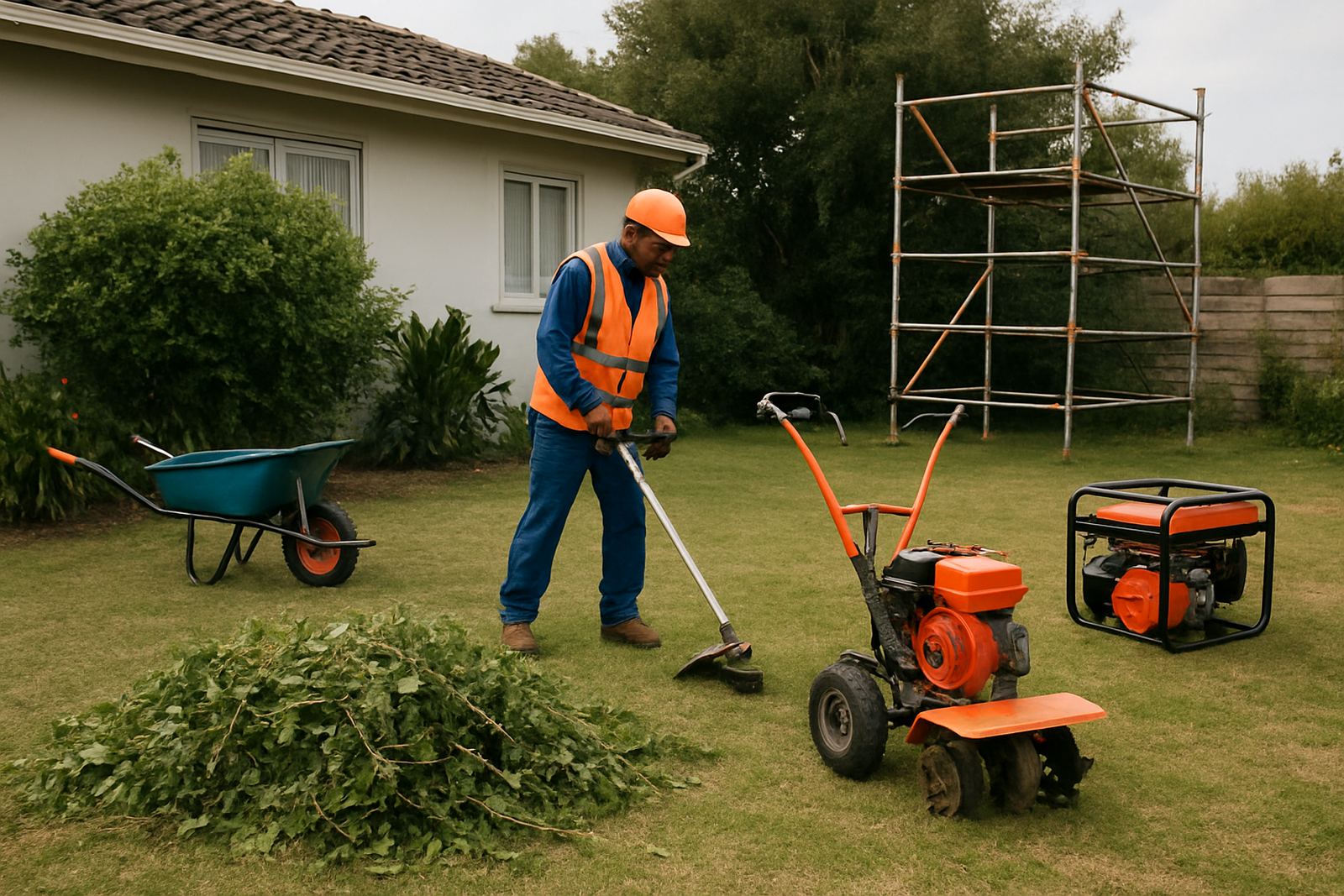
We supplied a practical mix of hire equipment instead of overloading the site with machines the team would not use. The brush cutting side of the job used heavy duty trimmers with harness support for long sessions, while the thicker patches were handled with a brush cutter fitted for tougher growth. For the planting beds and compacted areas, a petrol tiller helped break the top layer and loosen the soil to around 150 to 200 mm depth, which was enough for new mulch and planting prep. Hedge trimming was handled with long reach units to keep the upper lines straight and safe from ladders where possible.
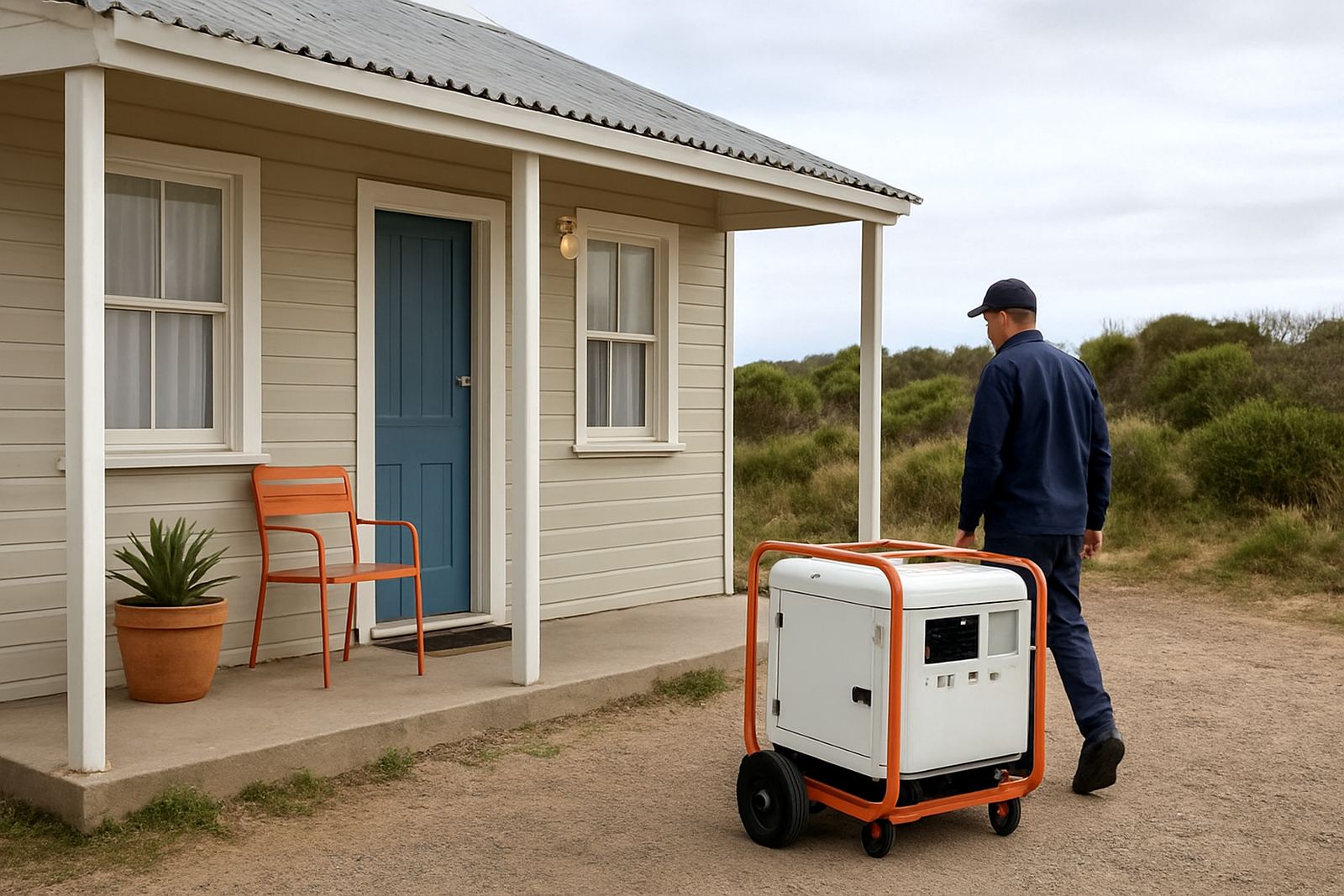
We also supplied a small generator set to keep charging and light support available on site. That mattered because the client wanted the garden cleaned up before late afternoon each day and load shedding had to be accounted for. The generator gave stable support for tools and a small wash-down point, so the crew did not waste time waiting around. It was a straightforward setup but it worked well.
- Brush cutters for rough edge clearing and dense growth.
- Petrol tiller for soil loosening in the beds and border strips.
- Long reach hedge trimmers for upper lines and boundary shaping.
- Portable generator support for charging and light power needs.
Two Week Work Plan And Delivery
We delivered the hire gear from Beacon Bay early on a Monday, completed the pre-hire briefing on fuel, cutting safety and daily checks, then helped position the machines where the garden crew could access them without dragging equipment across paving. The first week was spent cutting back the roughest growth, clearing the fence lines and opening the side passages. By midweek the team had a clear working rhythm, with one person on brush cutting, one on trimming and one on collection and clean-up.
The second week focused on the finer work. The hedges were squared off, the beds were tilled and the edges were brought back to a line that matched the rest of the property. We also did one fuel management visit and checked the air filters because the coastal dust and chopped material can load up a machine faster than expected. That kind of small attention saves repairs later, and it kept the tools running without fuss.
The whole job ran over 2 weeks, including delivery, mid-hire support and final collection. There were no major hold ups, just the usual weather shift that comes with the East London coast. One morning was windy enough to delay the highest hedge work by a few hours, so we changed the order instead of forcing it. That saved time in the end.
Results On The Property
By the end of the hire period, the garden had moved from overgrown to orderly and usable. The boundary lines were clean, the pathways were open again and the planting areas were ready for new work. The hedge faces looked straight, the ground had been loosened enough for fresh mulch, and the client could see the whole property again without fighting through growth. It also meant watering and future maintenance would be simpler, since there was no longer a mat of old cuttings and packed weeds trapping moisture.
For a coastal home, that matters. If you leave brush and dense growth too long, salt, wind and damp quickly make the job bigger. We found the best result came from doing the rough work first, then coming back with the finishing tools once the space was open. The client was happy with how tidy the garden looked before the event and said it was easier for their gardener to maintain after handover. Good prep saves money, that is the short version.
- Cleaner boundary lines and easier site access.
- Soil loosened for planting and mulching.
- Hedges trimmed back to a consistent height and face.
- Less daily maintenance after the refresh.
What We Would Do Again
If we were doing the same Bonza Bay garden again, we would keep the same approach: start with rough clearing, add soil prep once the edges are open, and only then finish the hedges. We would also keep a backup set of blades and line on site from day one because coastal growth can wear consumables quicker than expected. A small site like this does not always need a big machine, but it does need the right mix, and it needs them at the right time.
We would also repeat the fuel and check-in plan. With weekend hire or short long-term hire, the biggest delays usually come from small things like empty tanks, blunt cutting heads or no clean access to power. By handling those details upfront, the team stayed productive and the client did not have to chase anything. That is the sort of work we prefer, clear brief, proper kit and a clean finish.
Key facts
| Location | Bonza Bay, East London |
|---|---|
| Project type | Large coastal garden refresh |
| Hire period | 2 weeks |
| Main equipment | Brush cutters, tiller, hedge trimmers, generator |
| Soil prep depth | About 150 to 200 mm |
| Access support | Delivery, setup, fuel management and collection |