What a scaffold tower is used for
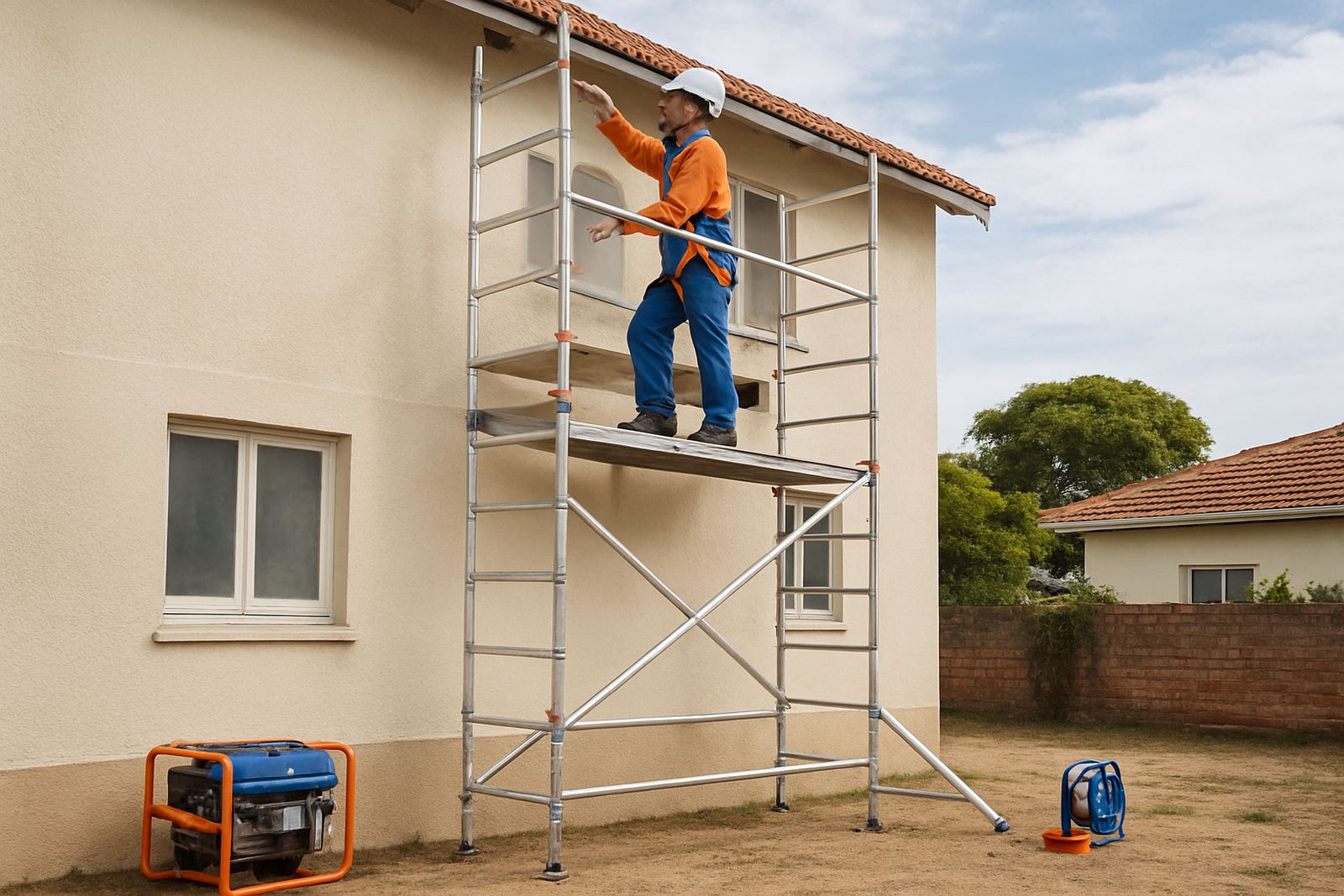
A scaffold tower is a freestanding working platform built for short to medium height tasks where you need both hands free and a stable place to work. It suits painters, shopfitters, maintenance teams, signage crews and builders who need access above door height, around 4 to 12 metres depending on the tower build and the site conditions.
Unlike a ladder, a tower gives you a proper deck, guardrails and room for tools. That matters on busy sites in East London, around school maintenance jobs in Beacon Bay, or on coastal properties in Gonubie where you may be working at the eaves, gutters or upper window lines. It is a practical choice for temporary access when a full scaffolding structure is not needed.
Tower sizes and setup options
We supply scaffold tower options to suit different jobs and access heights. The right choice depends on how high you need to reach, how much ground space you have, and whether the surface is level. On the coast, a firm base matters because uneven paving, sand, soft soil and old concrete can affect stability.
- Working heights from about 4 m up to 12 m, depending on configuration
- Platform lengths that suit one person, two people, or a wider working area
- Aluminium sections for easier handling and transport
- Locking wheels for mobile use on level ground
- Adjustable legs or base plates for uneven surfaces where allowed
- Guardrails and toe boards for safer working at height
For indoor work, a narrower tower may be best for corridors, halls and retail spaces. For outside maintenance, a wider base is often better when the wind picks up along the coast. If the job is in a place with tight access, we can help you choose the right footprint before the tower arrives.
Where scaffold towers work best
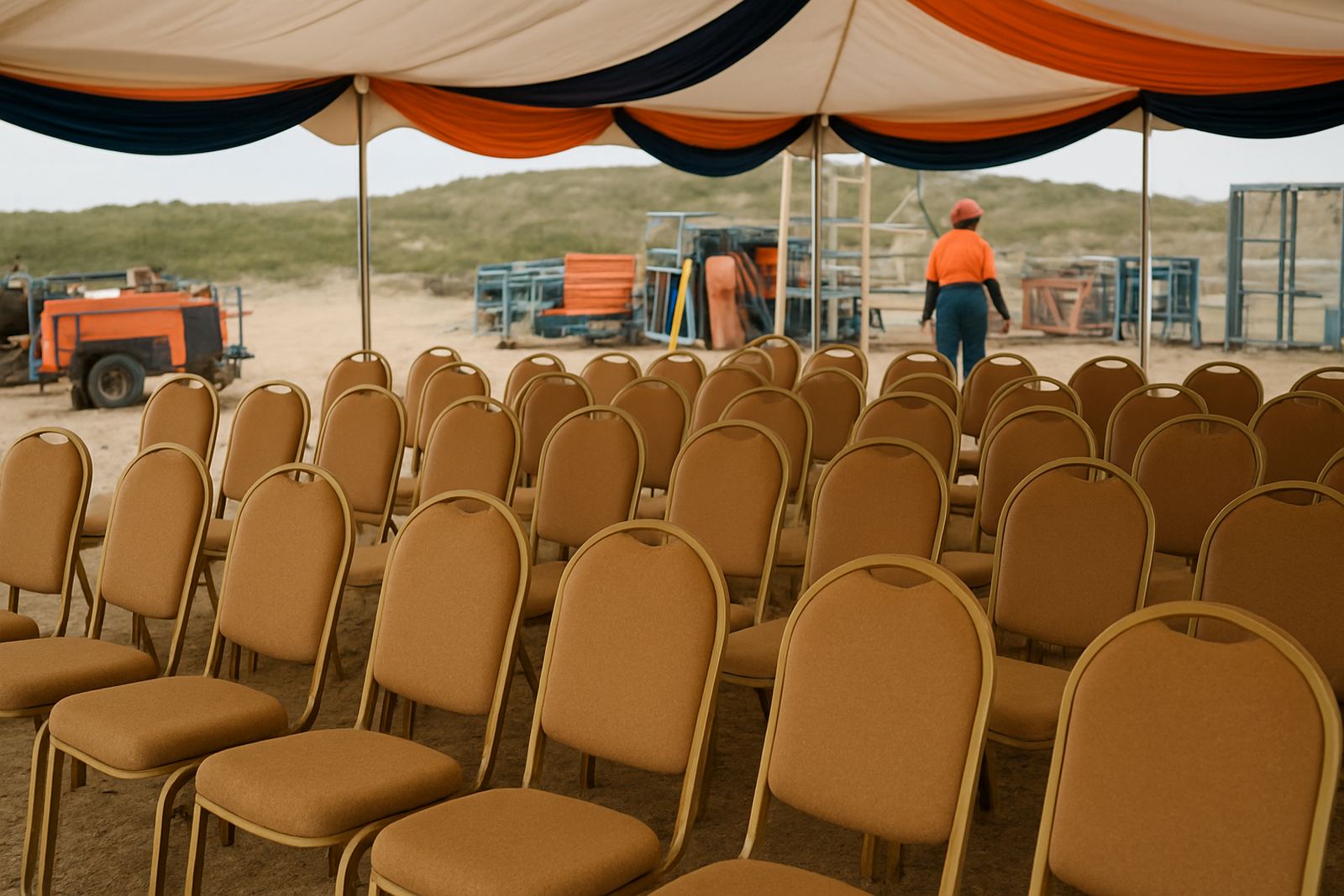
Scaffold towers are used on painting jobs, ceiling repairs, electrical fitting work, signage installation, cladding repairs and general maintenance. They are also useful for event work when you need temporary high-level access for rigging, draping, lights or venue preparation. For builders and landlords, they are handy for quick access without bringing in a large scaffolding crew for a small area.
They suit homes, schools, factories, churches, warehouses and event venues across the Eastern Cape coast. In Port Alfred and Kidds Beach, towers are often used for exterior painting and gutter work. In Qonce and East London industrial areas, they suit service tasks on walls, pipes and overhead fixtures. If your site is exposed to sea air, regular checks are important because moisture and salt can speed up wear on moving parts and fittings.
- Painting and plaster repairs
- Gutter cleaning and fascia work
- Electrical and data installation
- Event lighting and venue prep
- Sign fixing and maintenance
- Warehouse and factory upkeep
What to check before you hire
Before you order, measure the height you need to reach and the width of the area where the tower will stand. If you are unsure, measure from ground level to the highest work point and add enough height for safe standing posture. Do not guess on this one, because the wrong tower size can leave the job unfinished or create unsafe overreach.
You should also confirm the surface type. A scaffold tower needs level, firm ground. Paving, concrete slabs and solid indoor floors are generally fine, but soft ground, steep slopes and broken surfaces may need another access method. If the job is in a windy coastal area or near open streets, think about when the work will happen and whether the tower will need to be moved during the day.
- Required working height and platform height
- Indoor or outdoor use
- Surface condition and slope
- Doorways, passages or gate widths for access
- Number of people on the platform at one time
- Whether you need delivery, setup or collection only
Installation, safety and site requirements
We offer scaffold planning support and can help with setup on site where needed. A tower should be assembled by trained people and checked before use. The platform must be locked correctly, wheels secured once in position and guardrails in place before anyone climbs. If the tower is being used outdoors, weather conditions should be watched closely, because strong wind on the coast can make work unsafe very quickly.
No gas or fuel is needed for the tower itself. If your job also needs a generator, lighting or powered tools, those can be arranged separately through our hire team. For sites with load-shedding or no mains power, this is often part of the job plan. If the tower is going into a busy venue or public area, extra caution is needed around pedestrian traffic and access routes.
We can do site delivery across East London, Beacon Bay, Gonubie, Kidds Beach, Qonce and Port Alfred, and arrange collection once the task is complete. For urgent work, emergency callout support may be available when timing is tight.
Care, servicing and return checks
Our scaffold towers are kept in working order with regular servicing, hardware checks and cleaning between hires. That includes checking wheel locks, braces, platform boards and the condition of the frame sections. Coastal use means salt and humidity can leave parts sticky or corroded if equipment is not cared for properly, so we inspect and maintain the units after each return.
When you use the tower, keep it clean and do not overload the platform. Never move it with people or loose materials on the deck unless the setup allows it and the ground is level. If something feels off, stop and report it. A cracked castor, bent brace or missing pin may seem small but can become a real problem on site.
Please return all parts together so the next hire goes out complete. If anything is damaged or missing, let us know straight away. That helps us keep the tower safe for the next customer and keeps delays down for your team.
How we support your hire from Beacon Bay
Coastline Hire has been serving the Eastern Cape coast since 2008, with a base in Beacon Bay and support for builders, maintenance teams and event crews. Our team can help you match the tower to the job, arrange delivery, and advise on access so you do not waste time on site.
You can speak to Siyabonga Mhlabeni and the team about hire periods, weekend work, long-term projects and collection planning. For event jobs, Megan Petersen can help with layout timing and high-level access needs. For site-based work, Annelise van der Merwe, Luyanda Gqoba and Themba Ndlovu help keep the hire moving smoothly, with Noluthando Dlamini on customer support for bookings and returns. If you need a quick answer, send your details to hire@coastlinehire.co.za and include the site location, height required and preferred dates.
Key facts
| Product type | Mobile scaffold tower |
|---|---|
| Working height | Approx. 4 m to 12 m depending on setup |
| Platform use | 1 to 2 persons depending on deck size and site limits |
| Material | Aluminium frame sections |
| Mobility | Locking castor wheels for level surfaces |
| Support | Delivery, collection, setup help and scaffold planning |