A Coastal Build That Needed Dry Ground Fast
The site was a new residential build in Sunrise-on-Sea, just outside East London, on a property close to the coast where the soil had a lot of loose sand and a high water table. The contractor needed to get foundations and early civil work done without losing days after rain. Their main problem was standing water in the low points, plus soft access tracks that started breaking up as soon as trucks and labour crews moved across them.
They came to us through our Beacon Bay base because they needed local hire with quick delivery and practical advice. The brief was straightforward: move water off the work area, keep the surface firm enough for small plant and foot traffic, and support a steady programme over a few wet weeks. The job was not complex on paper, but coastal weather can change fast and it was important to get the right equipment on site the first time.
The team also wanted help with fuel control and changeover planning because they were running on a tight programme and could not afford downtime. With a sandy site, the wrong compaction method can just push material around, so we looked closely at the ground conditions before recommending the machines.
What We Sent To Site
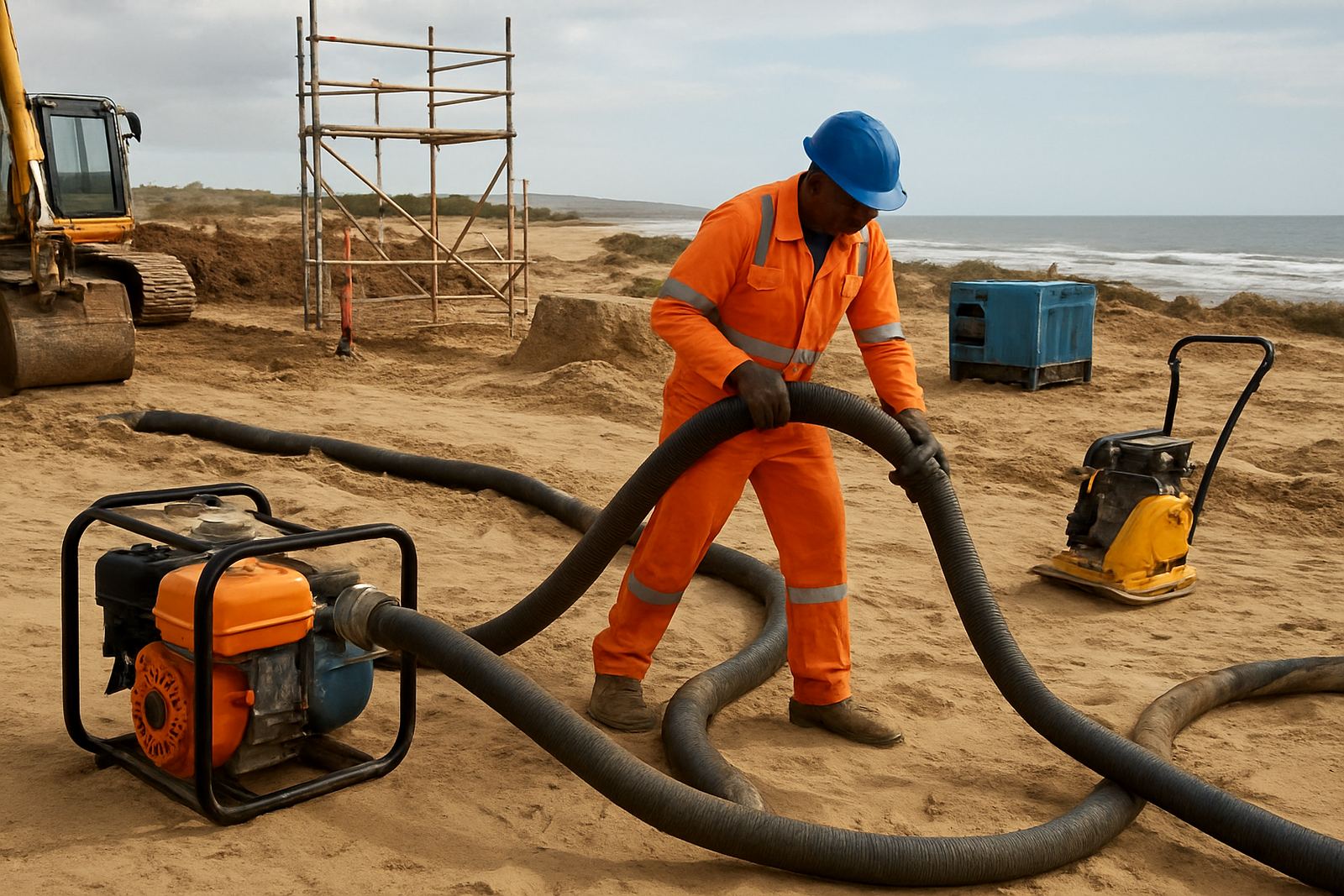
We supplied two dewatering pumps, a mix of plate compactors and a small set of site accessories for hose routing, safe setup and daily handling. The pumps were selected for continuous use on muddy water with light sediment, which is common on coastal excavations after rain. One unit handled the main trench drawdown while the second was kept as backup and for lower lying areas near the slab line.
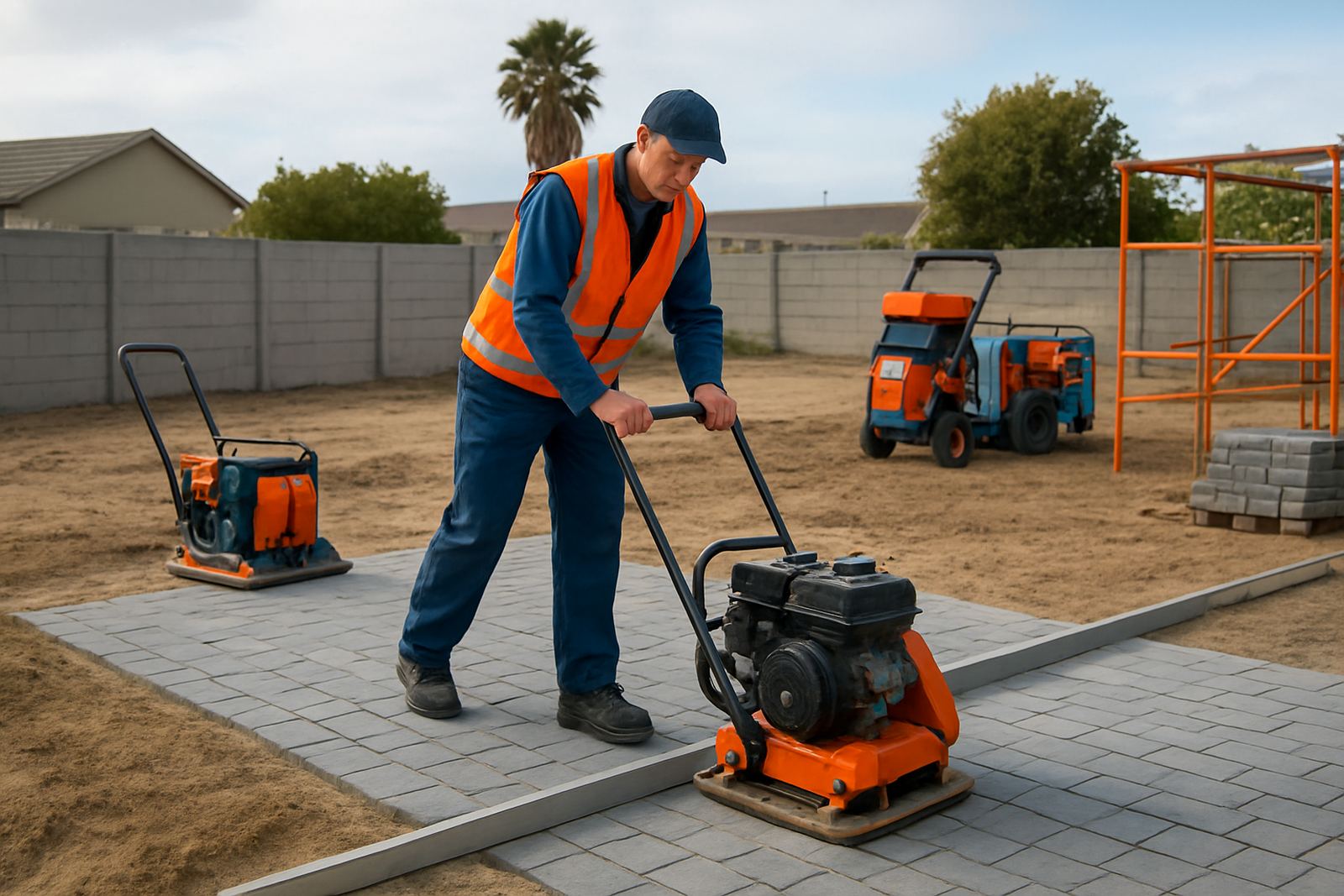
For compaction, we provided a forward plate compactor for general base preparation and a heavier reversible unit for the wetter sections that needed deeper working. That combination gave the contractor enough pressure to stabilise the sandy layer without overworking it. We also supplied extension hoses, suction fittings and a simple diesel fuel management plan for the pumps.
- Dewatering pump set for standing water and trench drawdown
- Forward plate compactor for general surface prep
- Reversible plate compactor for wetter and looser sections
- Hoses, fittings and site accessories
- Fuel management support for multi-day running
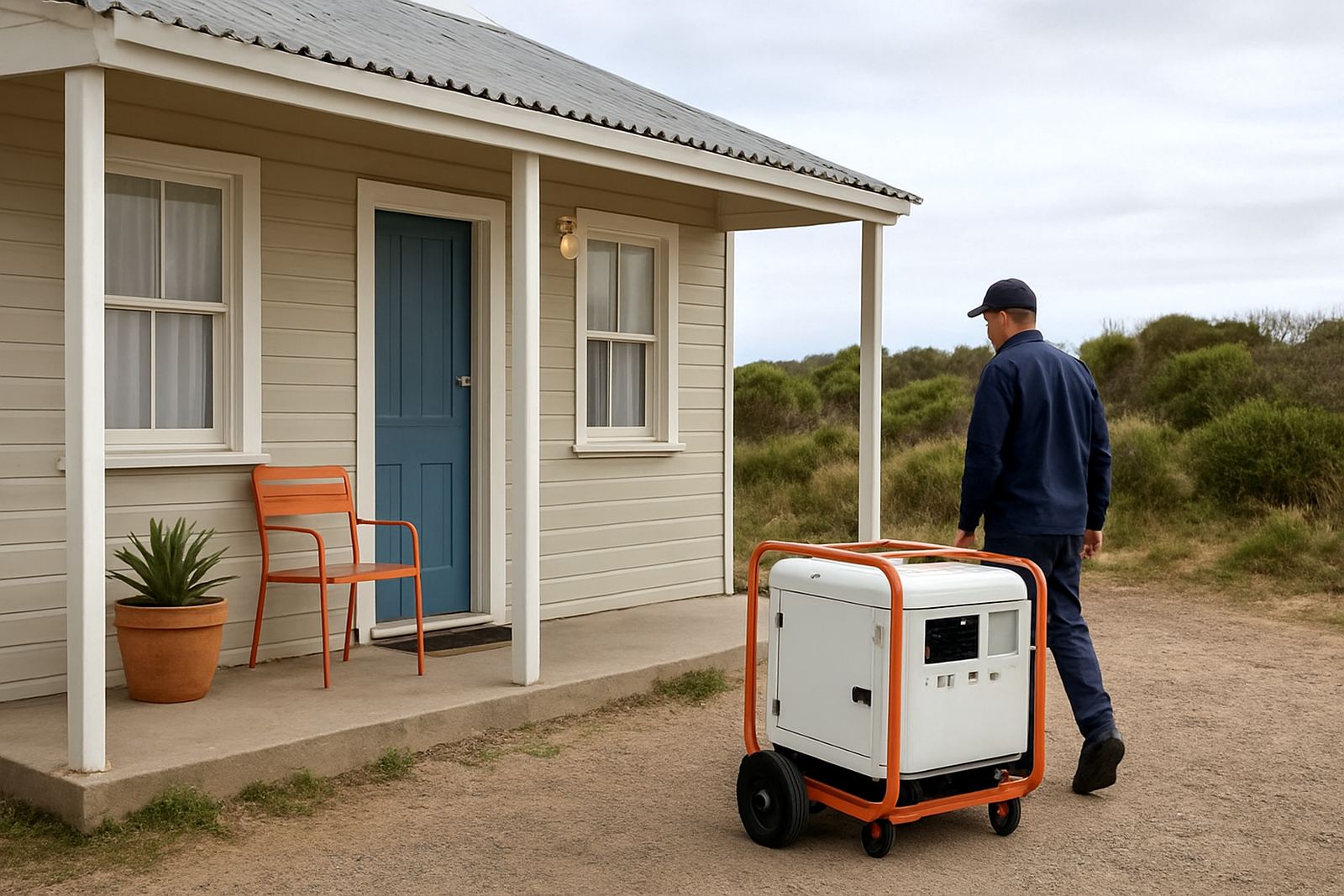
Everything was delivered to Sunrise-on-Sea in one run from our East London side, with the handover done on site so the crew knew exactly how to start, move and shut down each machine. That saved them time and reduced the chance of avoidable wear on the pumps.
The First Week Was All About Water Control
The timeline ran over three weeks in total. In week one, our main focus was dewatering and getting the working platform back into a usable state. After overnight rain, the low points filled again, so the pumps were run in shifts to keep the trench lines and access edges clear. The contractor had expected some delays, but once the pumping started the team could open up the workface each morning instead of waiting for water to drain naturally.
We checked the discharge points carefully so water would not flow back across the site or create erosion at the boundary. Coastal jobs like this often need a bit of adjustment, because sand moves easily and municipal drainage areas must be respected. The pumps handled the job well and the crew appreciated that we had explained the limits before the work began.
At the same time, we advised where to place the compaction runs so the sand would bind properly. If you compact too early while the layer is still damp, you can trap moisture and lose strength later. If you wait too long, the surface dries unevenly and becomes loose again. The timing had to be right and the site foreman kept a close eye on that.
Keeping The Build Moving Through Wet Weather
Week two was the busiest part of the project. The contractor had earthworks, service lines and early foundation prep happening at the same time, which meant equipment had to be available before first light and collected only after the last crew had left. We kept the hire flexible so they could extend the use of the pumps and compactors as rain moved through the area.
The sandy subgrade needed repeated passes in sections where vehicle movement had loosened the surface. On the access track, the reversible plate compactor made the biggest difference because it could work deeper and recover the surface after delivery trucks had crossed it. The lighter unit was used for edge areas and smaller pads where hand work was still in progress.
- Productive working time increased because the site was not sitting under water
- Access tracks stayed firmer for delivery vehicles and labour movement
- The contractor avoided waiting days for natural drying after each rain spell
- Fuel use stayed controlled because the machines were matched to the task
There were a few short stoppages when rainfall was heavier than expected, but nothing that forced a full shutdown. That matters on a coastal build because once a site stalls, the knock-on effect can push other trades back and increase costs very quickly.
Practical Support From Delivery To Collection
We handled delivery, on-site setup and the later collection once the ground had firmed up enough for safe removal. The equipment was positioned to avoid blocking movement around the site and we gave the crew a quick pre-hire briefing on hose routing, compactor operation and the checks needed before starting each shift. The briefing also covered routine cleaning, which is important where sand can get into intakes and around moving parts.
Because the build ran through changeable weather, our operations team stayed in contact with the foreman and adjusted the hire schedule when needed. That reduced pressure on the contractor, who had enough to manage with labour, materials and inspections. The support from our side was simple and direct, which is usually best on a live site.
We also kept an eye on the machines between runs. On a coastal site, salt air and damp conditions can be hard on equipment if it is left sitting dirty. The pumps and compactors were cleaned down properly before collection so they were ready for the next job without extra repair time.
What Changed By The End Of Week Three
By the end of week three, the site had moved from soft and waterlogged to stable enough for the next phase of the build. The contractor was able to keep to programme and did not lose the momentum that often happens on sandy coastal ground after heavy rain. The trenches stayed workable, the access areas held up better, and the crew had a clearer routine for handling wet weather days.
From our side, the result was a good example of how the right hire package can save time without overcomplicating the job. The client did not need oversized plant or a long list of machines. They needed the right pumping capacity, the right compaction force and a supplier that could respond quickly from East London.
If we were doing the same job again, we would bring the same basic setup but we would plan the backup pump even earlier in the schedule, especially if the forecast shows repeated rain bands. On the coast, that extra margin is worth having because weather can turn in a few hours and a site can go from fine to flooded before lunch.
Key facts
| Project | Sunrise-on-Sea coastal build |
|---|---|
| Client type | Private residential contractor |
| Location | Sunrise-on-Sea, East London coastal area |
| Timeline | 3 weeks |
| Equipment supplied | 2 dewatering pumps, 2 plate compactors, hoses and fittings |
| Key issue solved | Standing water and soft sandy ground after rain |