The brief for a clean footing pour in Qonce
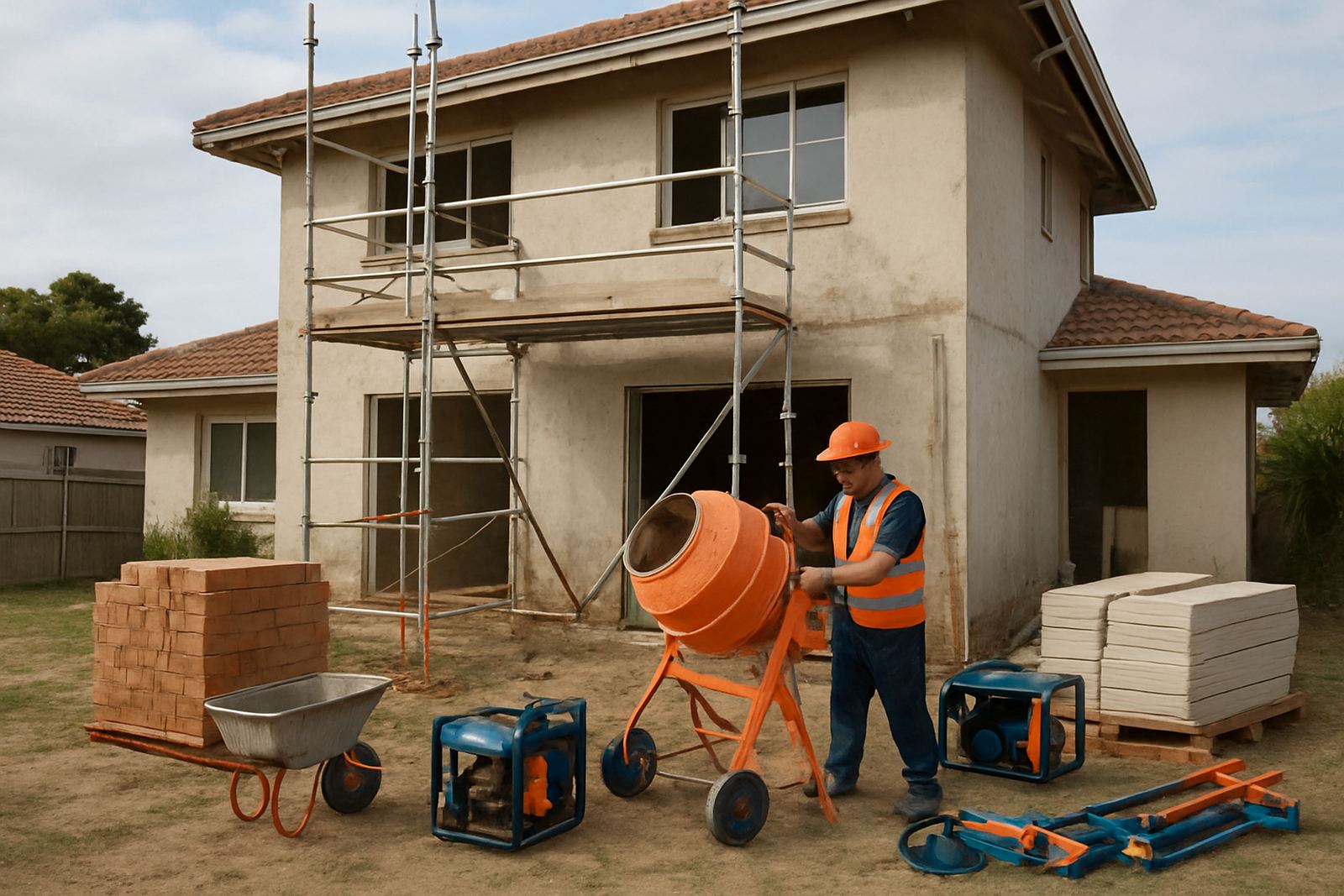
The client was a local building contractor working on a foundation pour for a small commercial structure in Qonce. The site needed a neat footing layout, good ground preparation and enough equipment on hand to keep the pour moving without delays. The main ask was simple enough on paper: make sure the base was compact, the mix was consistent and the concrete was vibrated properly so there were no voids in the footings.
The site sat on a tight urban plot with limited laydown space and one practical access point for deliveries. That meant no room for holding extra material, and no time lost to shuffling gear around once work started. We planned the hire around the pour sequence, not just the equipment list, which helped the contractor keep the slab prep and footing work moving in the right order.
- Footing work for a small commercial build
- Tight access with limited storage space
- Need for reliable compaction before concrete placement
- Concrete placement and vibration on the same day
Site limits and local conditions we had to work around
Qonce sites can throw up the usual Eastern Cape issues, especially when the weather shifts quickly. On this job we had to work around a patch of soft topsoil in one area, a bit of afternoon heat, and the fact that the team could not leave equipment sitting in the open for long. The site was also close enough to neighbouring activity that noise and movement had to be kept under control.
We discussed the pour plan before delivery, then adjusted the hire so the contractor had the right kit on site exactly when needed. That meant no unnecessary extra machines clogging the yard, and no gap between base prep and concrete work. The crew also needed guidance on fuel use and start-up checks because the project was running with a tight labour team.
- Soft patch in the formation area
- Heat and sun exposure during the working day
- Limited on-site space for equipment staging
- Need to keep noise and movement orderly
What we supplied and how it was used
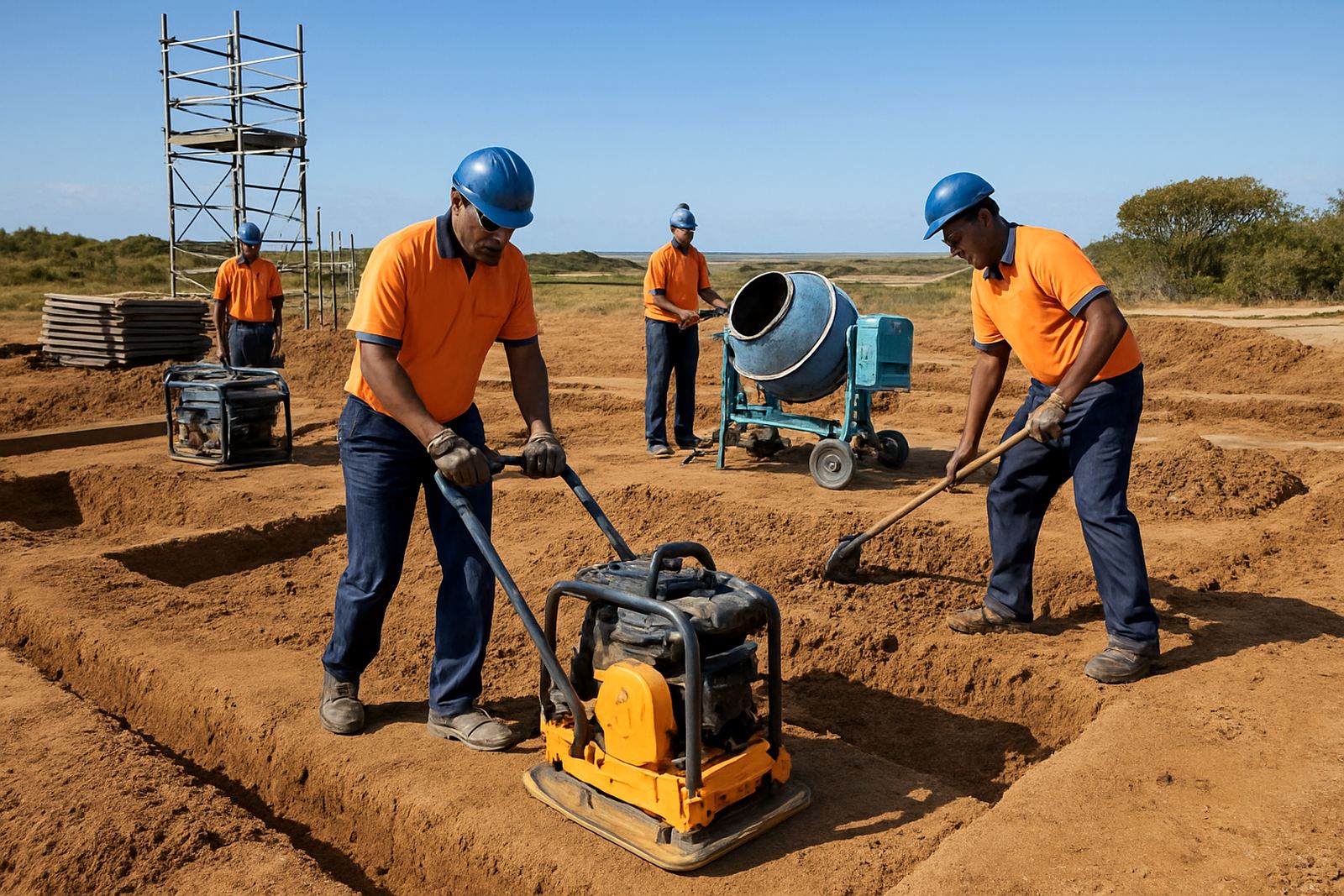
We supplied a plate compactor for the sub-base, a concrete mixer for controlled batching, and a poker vibrator for the footing pour itself. The compactor was used first to tighten the base and reduce settlement risk under the footings. The mixer handled small, steady batches so the crew could keep quality consistent without waiting on outside deliveries. Once the concrete was in the formwork, the vibrator helped remove trapped air and settle the mix properly around the reinforcement.
Because the job was on a weekday build programme, we also kept a standby fuel plan in place. That mattered with load-shedding in the region, plus the usual stop-start interruptions that can happen on active sites. The contractor used our pre-hire briefing to check operating procedures, and our team confirmed the safe working space around the pour area before delivery.
- Plate compactor for base preparation
- Concrete mixer for small batch control
- Poker vibrator for footing consolidation
- Fuel support and operating checks before the pour
Delivery, setup and timing over two weeks
The hire ran over two weeks. Week one covered delivery, base compaction and final site readiness checks. Week two covered the pour day, curing support and collection once the contractor had finished the critical work. We kept the schedule simple so the site team did not have to manage too many moving parts at once.
Our Beacon Bay base handled dispatch early in the morning so the machines reached Qonce before the crew started mixing. We also arranged a collection window that suited the contractor’s follow-on work, so the equipment was not sitting on site longer than needed. If there had been a breakdown or a weather delay, the team knew they could call for an emergency response, although in the end everything ran to time.
- Week 1: delivery, compaction and readiness checks
- Week 2: pour day support and post-pour collection
- Morning delivery to avoid site hold-ups
- Collection timed to the contractor’s next phase
Results on the footing pour
The footing pour finished cleanly and the contractor reported a solid, even base with no noticeable honeycombing in the key sections. The compacted formation held well under the fresh concrete, and the controlled batching meant the team was not chasing mix consistency during the pour. In simple terms, the right machines were there at the right time, which is usually what saves a small site from becoming a long one.
The client was able to move straight into the next phase without patching or rework at footing level. That saved labour and kept the programme on track. It also reduced waste, because the mixer allowed measured use of materials rather than loose site mixing that can go off fast in warm weather.
- Firm, even footing base
- Cleaner concrete placement
- Less waste from controlled batching
- No rework needed at footing level
What we would do again on a similar Qonce job
For a similar foundation pour in Qonce or anywhere along the Eastern Cape coast, we would plan the hire the same way again. Keep the compaction first, line up the mixer and vibrator for the pour window, and build in fuel and collection timing from the start. That approach gives the contractor better control and cuts down the stress that comes with doing concrete work on a crowded site.
We would also keep the pre-hire briefing short and practical, with one contact person on each side and a clear plan for delivery access. On coastal jobs, it is worth checking storage cover too, because humidity and salt air can affect equipment left standing too long. A little planning saves a lot of delay later on, that part never changes.
- Plan compaction before pour day
- Match mixer output to the crew’s pace
- Keep a fuel check in the schedule
- Arrange collection as soon as the critical work is done
Key facts
| Project | Qonce Foundation Pour |
|---|---|
| Location | Qonce, Eastern Cape |
| Client type | Local building contractor |
| Duration | 2 weeks |
| Key equipment | Plate compactor, concrete mixer, poker vibrator |
| Support | Site delivery, fuel management, pre-hire briefing, collection |