What Fuel Management Covers On Hire Jobs
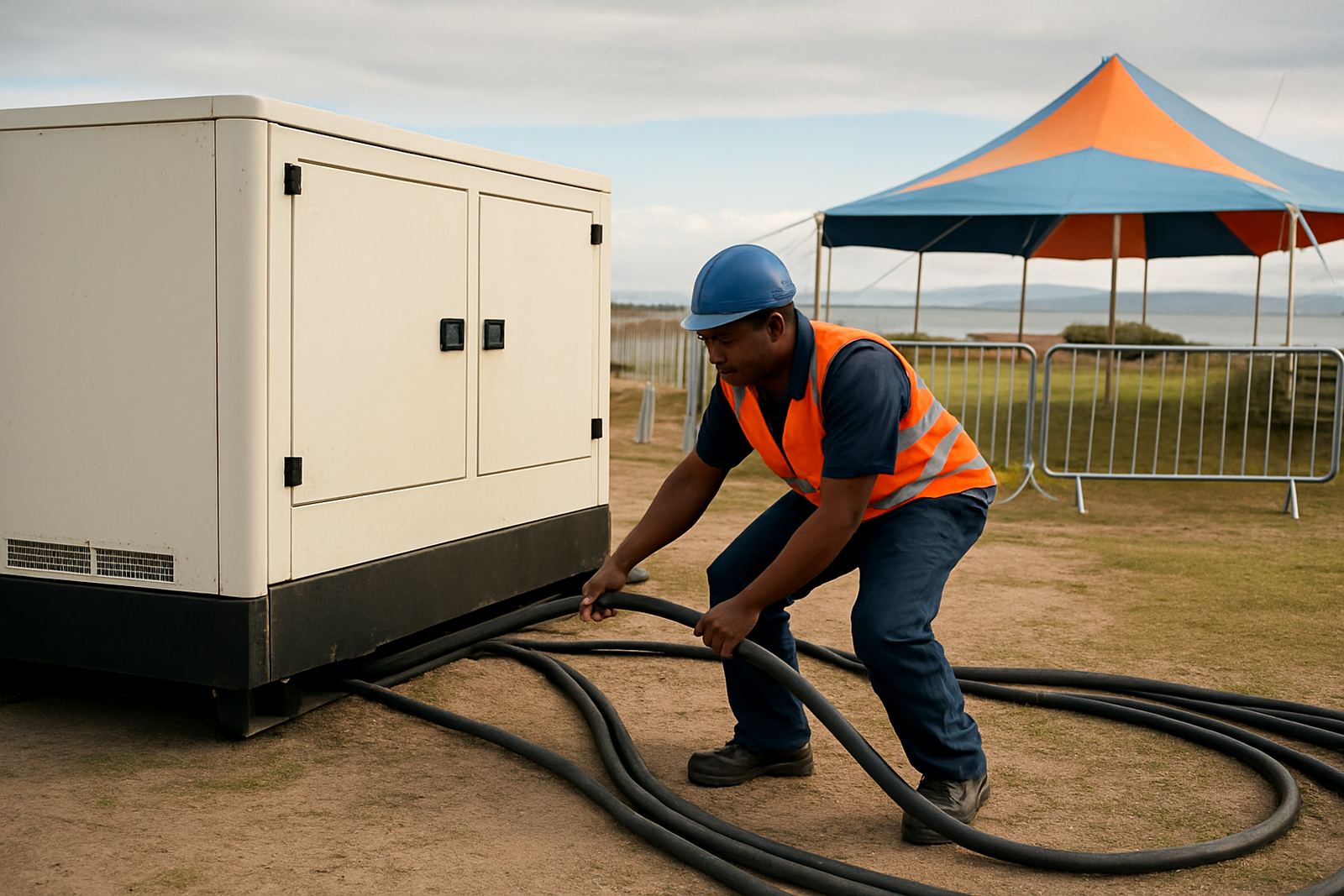
Our fuel management service is designed for builders, contractors, events crews and facilities teams that need equipment to stay on task for a full shift or longer. It is most useful for generators on load-shedding backup, dewatering pumps on wet sites, and event power where an empty tank can shut the whole setup down. We work from Beacon Bay and cover East London, Gonubie, Kidds Beach, Qonce and Port Alfred, so fuel planning can be matched to the site and the distance from our base.
Depending on the hire, we can help with fuel allowances, top-up planning, refuelling intervals and practical checks so the machine does not run dry at the wrong moment. That includes diesel-powered units, petrol-powered smaller plant, and mixed equipment used over weekends or long-term periods. On coastal sites we also keep an eye on storage, because salt air, humidity and open containers can make a simple refuelling routine turn messy very quickly.
- Fuel planning for generators, pumps and selected site equipment
- Top-up schedules based on load, tank size and expected run time
- Site-safe refuelling advice for indoor, outdoor and event environments
- Weekend and long-term fuel support available by arrangement
How We Set Up A Fuel Plan
Every job starts with the equipment details and the expected daily demand. A small generator running lights and a few tools does not use fuel the same way as a larger unit carrying continuous site loads, and a pump working in heavy water movement will draw differently again. We ask where the gear will be used, what hours it needs to run, and whether there is easy access for delivery or collection.
From there we work out the practical refuelling pattern. For some hires, that is a simple daily top-up. For others, we set a run-time check at fixed intervals, then plan refuelling before the tank drops too low. If the site is exposed or tight for access, we will suggest a safer approach so crew members are not carrying fuel through narrow walkways or over fresh finishes. A small detail like this can save time and avoid spillage, which matters on paved areas, event lawns and municipal sites.
- Job assessment before the equipment leaves the yard
- Estimate of likely fuel burn based on equipment type and load
- Refuelling schedule matched to shift times, weekends or overnight use
- Briefing for the person on site who will monitor fuel levels
Included Checks During The Hire Period
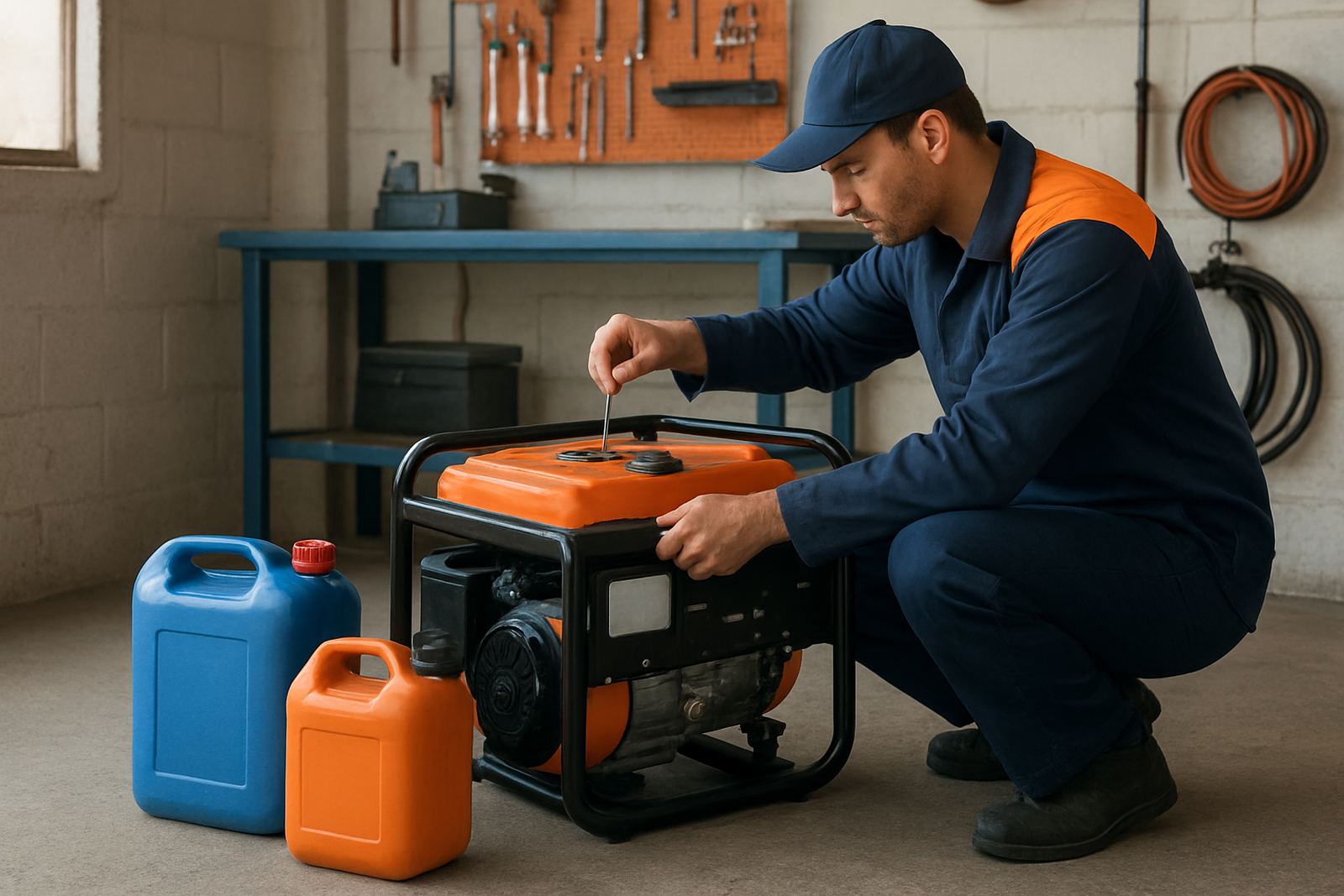
Fuel management is not just about having enough petrol or diesel on hand. It also includes checking that the machine is being fed correctly and that the tank stays clean. On site, dirty fuel, water contamination and loose caps can cause trouble that looks like a mechanical fault when it is really a fuel issue. We help prevent that with simple checks and clear handover notes.
Where the hire includes our fuel management support, we can assist with checking consumption, warning signs and timing for the next top-up. On longer hires, especially around the coast, we may recommend more frequent monitoring because humidity, dust and movement can affect container condition and fuel quality. If the machine is operating under heavy load, a tighter interval is often better than waiting until the tank is nearly empty. That keeps the job moving and reduces the risk of a shutdown during peak working hours.
- Fuel level checks during the hire period where arranged
- Caps, lines and visible leaks checked for practical safety
- Advice on clean fuel handling and storage
- Support for adjustments if site demand changes mid-hire
Turnaround, Delivery And Emergency Support
For planned work we prefer to set fuel arrangements before the equipment is dispatched. That gives our team time to prepare the right briefing, and it helps the site crew know exactly when to expect the next top-up. For standard bookings in East London and nearby areas, same-day turnaround may be possible if the unit is available and the route is workable. For Port Alfred, Qonce and more distant Eastern Cape coast jobs, lead time is usually better, especially if the hire is tied to a start time or a weekend programme.
Emergency callout support can be arranged where a machine is at risk of stopping and the site cannot wait. This is often the case for backup power, water removal, or event equipment that must stay live until pack-down. We will always try to respond with the fastest practical option, but the best result comes when fuel needs are planned early. A rushed refill near closing time, or in bad weather, is never ideal.
Pricing Approach For Fuel Management
Fuel management pricing depends on the equipment, the hire duration and how much support is needed on site. Some customers only need a pre-hire fuel plan and a basic run-time estimate. Others want full monitoring with refuelling at set intervals, or site visits during long-term work. We price it in a way that fits the job rather than forcing a one-size-fits-all figure.
As a rule, we will first confirm the hire item and expected usage pattern, then explain what is included and what counts as extra. Fuel itself may be supplied by the customer or arranged separately, depending on the agreement. If the site has strict access rules, night work or weekend attendance, that can also affect the quote. We keep it straightforward so there are no surprises when the machine keeps running and the job runs longer than planned.
- Pre-hire fuel advice can be added to the booking
- Scheduled refuelling and monitoring are quoted to the job
- Long-term hire support is priced by duration and access needs
- After-hours and emergency callout rates are confirmed upfront
Maintenance Intervals And Fuel Safety
Fuel management works best when it sits alongside sensible maintenance intervals. For generators and small plant, we look at daily running checks, fuel line condition, filter cleanliness and safe storage between shifts. On wet or dusty sites, more frequent checks may be needed. If a unit is running for long hours under load, we may recommend shorter inspection windows rather than waiting for a problem to appear. That keeps the hire productive and prevents avoidable wear.
Safety matters too. Fuel must be handled away from hot surfaces, open flames and busy walkways. Containers should be properly closed, and the area around the machine should be clear before any refuelling starts. On event sites, this helps protect guests and crew. On building sites, it helps with compliance and general housekeeping, which the site supervisor will appreciate. If your project has municipal rules or internal safety requirements, tell us before the booking and we will work around them.
- Daily checks for long-running generators and pumps
- Shorter inspection intervals for heavy duty or dusty sites
- Fuel handling kept clear of heat, sparks and public areas
- Advice aligned to site safety rules and access limits
Key facts
| Service area | East London, Beacon Bay, Gonubie, Kidds Beach, Qonce and Port Alfred |
|---|---|
| Fuel types | Diesel and petrol support depending on the hired machine |
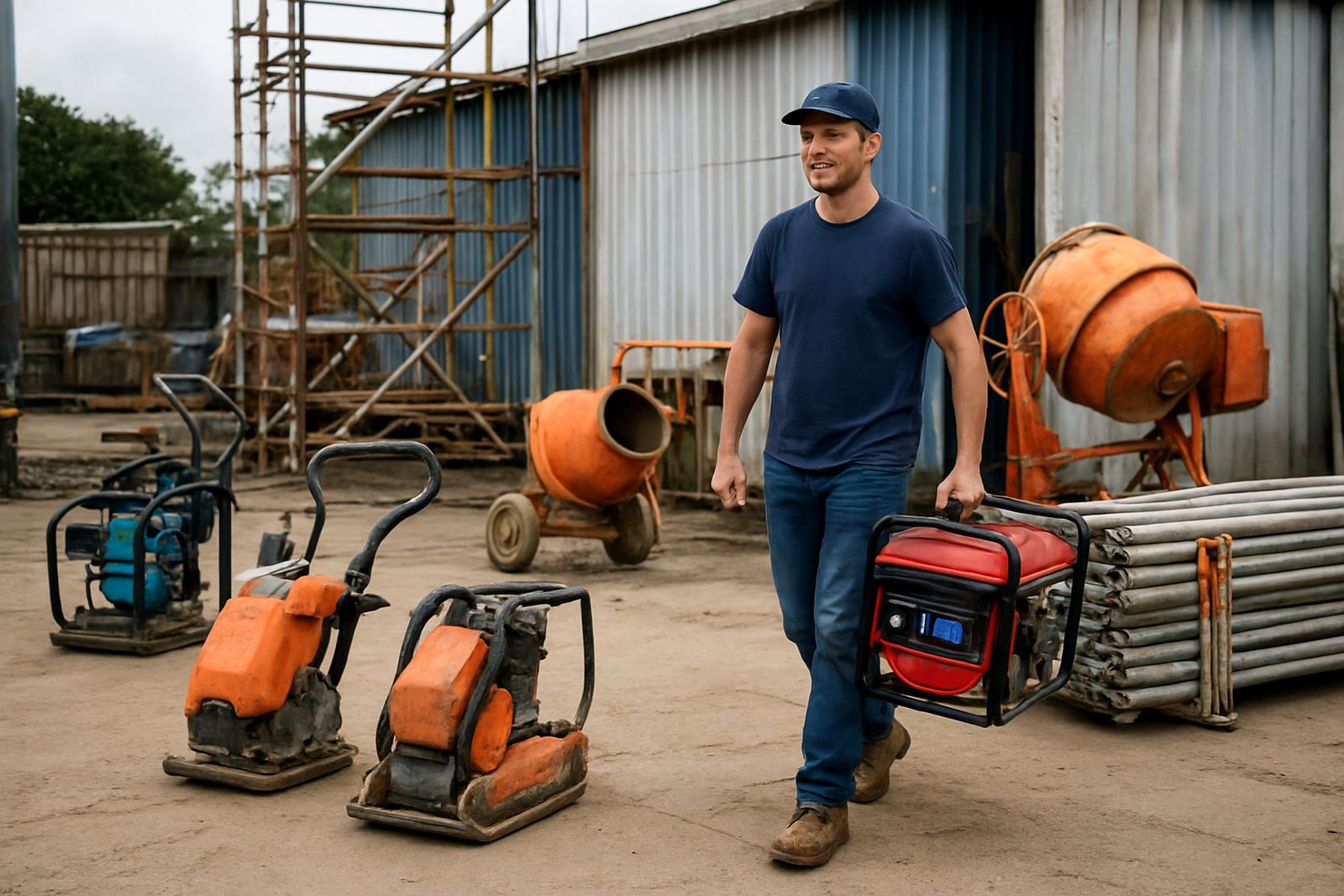
| Typical equipment | Generators, compactors, pumps and selected site or event gear |
| Support options | Pre-hire briefing, scheduled top-ups, run-time checks and emergency callout |
| Best for | Long-term hire, weekend work, load-shedding backup and time-sensitive sites |
| Turnaround | Same-day where possible in East London, by arrangement for wider Eastern Cape coast jobs |